What's In This Guide
- What Happens When a Single Solar Shingle Stops Producing?
- How Does Performance Monitoring Flag a Failing Solar Shingle?
- Why Is a Solar Shingle Not Working? Common Causes of Lost Output
- Why Should Electrical Checks Stay With Qualified Professionals?
- Which Component Needs Solar Shingle Repair or Replacement?
- How Do You File a GAF Timberline Solar Warranty Claim?
- What Affects the Cost and Timing of Solar Shingle Repair?
- When Should You Call a Professional About Solar Roof Shingles?
- Frequently Asked Questions
- Ready to Have Your Solar Roof Shingles Inspected in Poughkeepsie?
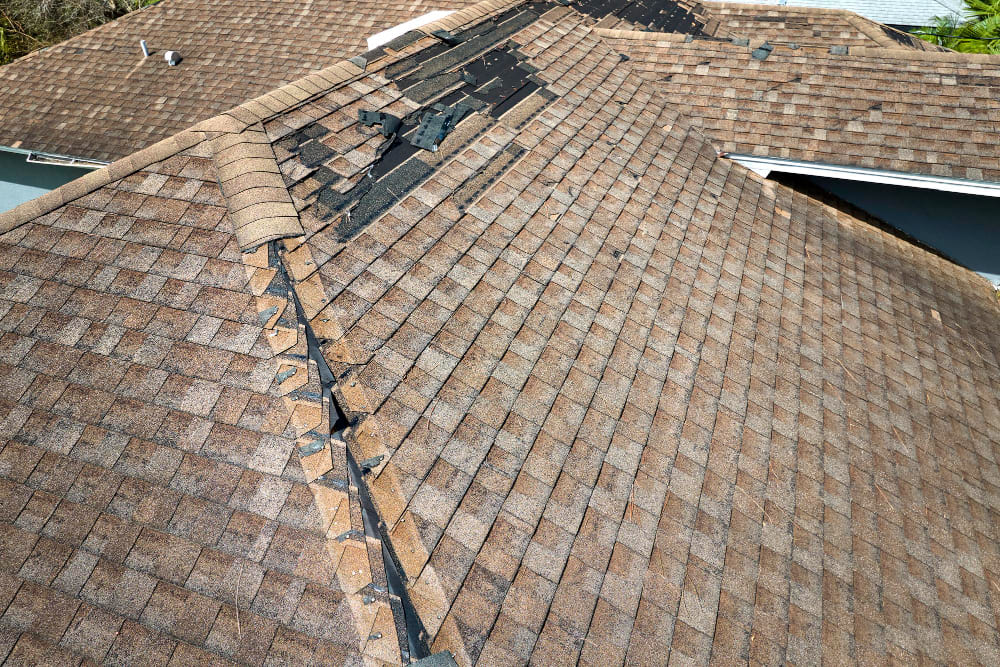
A monitoring alert shows one section of your solar roof shingles producing less energy than it did last month, or nothing at all. On a Poughkeepsie roof, that dip (or a solar shingle not working altogether) could come from snow cover, a tripped inverter, or a failed component. Each cause leads to a different fix. The order of operations matters: diagnosis comes before repair, and documentation comes before filing any warranty claim.
Quick Facts
- Monitoring alert: flat cumulative production warrants investigation
- Solar shingle not working: check inverter status, shading, and snow cover first
- Assembly parts: shingle, transition box, jumper module
- Safety: treat all wiring as energized in daylight
- GAF Timberline Solar warranty: notify GAF within 30 days of noticing a problem
What Happens When a Single Solar Shingle Stops Producing?
A monitoring alert triggers diagnosis, a certified professional isolates the cause, and the repair typically targets the affected component rather than the entire roof. Warranty documentation runs alongside every step; skipping this sequence can slow the fix or put coverage at risk.
Why One Shingle Is Both a Roofing Component and a Power Source
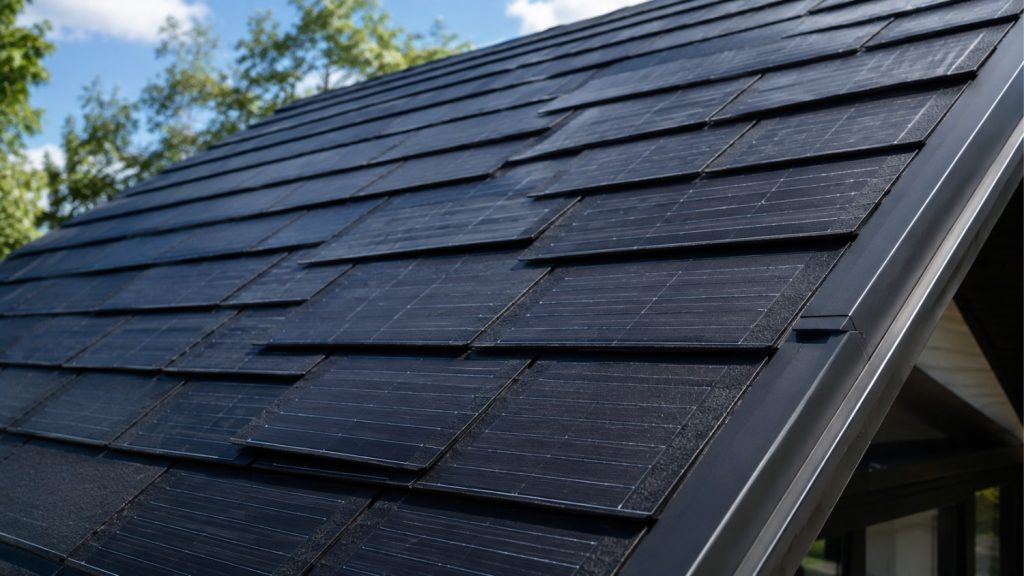
Each GAF Energy Timberline Solar® shingle serves as both a roofing component and an electricity-generating component. A defect can therefore affect water protection, power output, or both. Water protection also depends on the layers beneath the shingles, including proper ice and water protection placement on Hudson Valley roofs.
The GAF Timberline Solar warranty reflects that split: the Timberline Solar ES Shingle and Accessory Limited Warranty terms cover manufacturing defects that cause leaks for 25 years, with a 10-year non-prorated period, and address power output separately.
|
Stage |
What Happens |
Who Typically Handles It |
|
Monitoring alert |
Production dips below expected levels |
Homeowner |
|
Diagnosis |
Weather, shade, and inverter causes get ruled out |
Homeowner, then contractor |
|
Electrical checks |
Connectors, modules, and boxes get tested |
Qualified professional |
|
Component repair |
The affected part is repaired or replaced |
Certified contractor |
|
Warranty documentation |
Claim is filed and evidence is retained |
Homeowner with contractor support |
How Does Performance Monitoring Flag a Failing Solar Shingle?
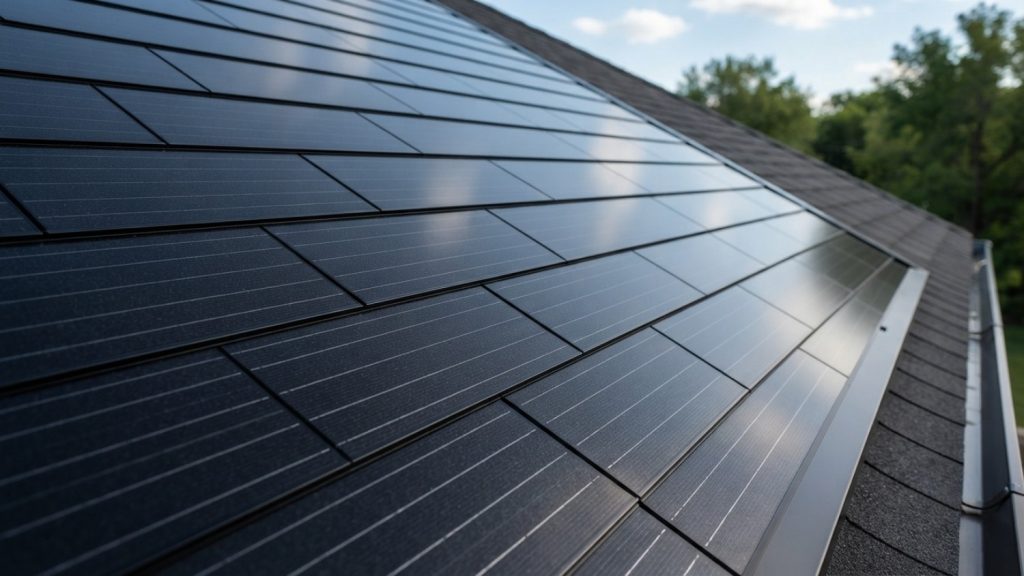
Monitoring flags trouble when production lags behind expectations or stops climbing entirely. Department of Energy guidance for federal solar sites says cumulative production should always increase, and plateaus warrant investigation. Because monitoring may only show system-level output, pinpointing a single faulty shingle usually requires on-roof testing.
Track the Cumulative Production Line
The monitoring app displays cumulative production. Flat output during sunny daylight hours signals potential downtime or equipment faults. Because slope changes can also reflect normal sunlight variations, always cross-reference production data with weather conditions.
Compare Against Weather and Season
Poughkeepsie roofs deal with snow cover after nor'easters, heavy tree canopy in summer, and short winter days. Each lowers output without any defect. Homes with an adjoining flat section can also develop standing water, a drainage issue separate from the solar system, as covered in how commercial roofers diagnose ponding water around drains.
Log the Date and the Numbers
Homeowners should screenshot the dashboard and note the date the drop was first noticed. That date is crucial later, as warranty notices operate on a strict 30-day clock.
Why Is a Solar Shingle Not Working? Common Causes of Lost Output
A solar shingle not working or losing output can result from snow or debris, new shading, an inverter fault, or a failed component. Weather and shade are not product defects, whereas suspected inverter and component faults require professional diagnosis. Sorting through these causes early saves time for the technician.
|
Likely Cause |
What It May Look Like |
Sensible Next Step |
|
Snow or debris cover |
Output drops after a storm and recovers as the roof clears |
Wait for clearing; do not climb or scrape |
|
New shading |
Output dips at the same hours each day |
Note the timing and have a contractor assess |
|
Inverter fault |
Error message or system-wide loss of production |
Read the display, then call a professional |
|
Failed component |
Persistent low output or a localized leak |
Professional diagnosis and testing |
|
Wiring or connection fault |
Sudden or intermittent loss |
Qualified contractor or electrician |
GAF's warranty excludes shading, power surges, and unapproved repairs or alterations, so ruling out those causes early clarifies whether a claim even applies. Not every leak near the solar area is a component defect, since missing kickout flashing where a roof meets a wall can also send water behind the siding.
Why Should Electrical Checks Stay With Qualified Professionals?
Solar shingles generate electricity whenever light reaches them, meaning wiring and connectors must always be treated as live. Homeowners can safely read the inverter display and monitoring app from the ground, but testing connectors, jumper modules, or transition boxes should always be left to a certified professional.
Utility fire-safety guidance tells responders to consider all PV equipment and wires energized during daylight, even on cloudy or snowy days. Damaged connectors or exposed wiring add shock risk, and a wet winter roof adds fall risk.
What a Technician Checks
A certified technician typically works through a defined set of checkpoints. GAF measures output coverage per individual energy shingle under standard test conditions, so app data supports a claim but may not settle it.
- Inverter status and fault codes
- Jumper module and electrical transition box connections
- Wire bracket and cover condition
- Individual shingle output compared with its rated figure
- Flashing and roof surface around the affected area
Which Component Needs Solar Shingle Repair or Replacement?
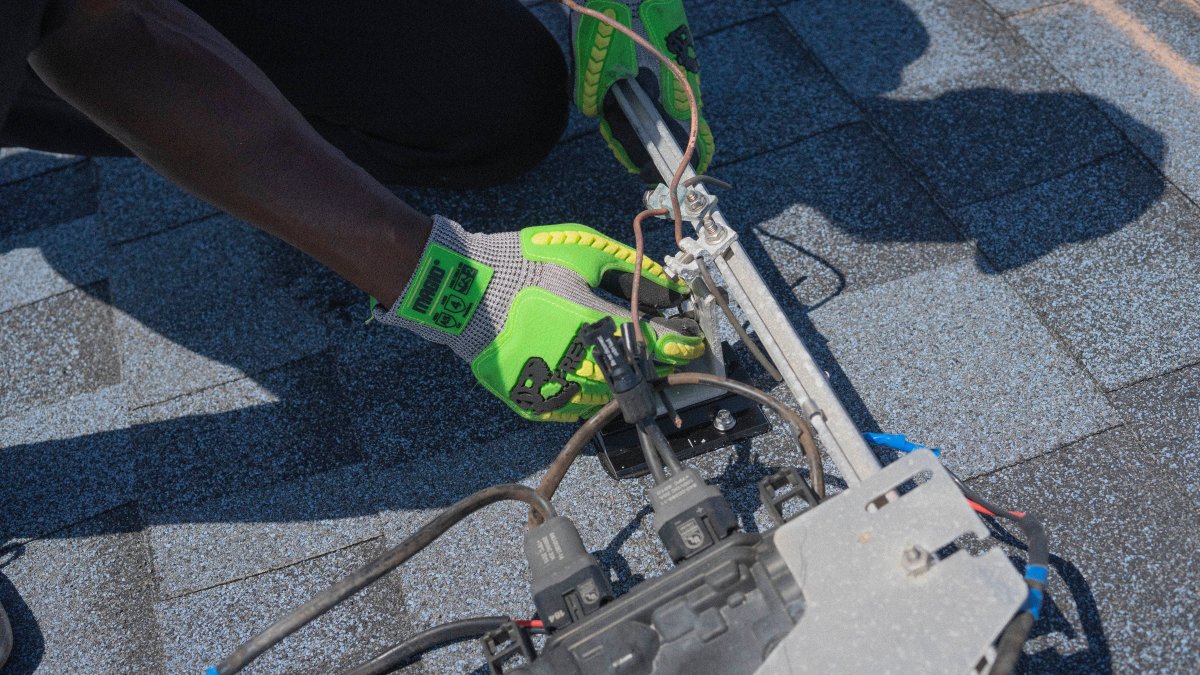
The Timberline Solar assembly includes energy shingles, an electrical transition box with flashing, a jumper module, and a wire bracket and cover. A proper diagnosis identifies which specific part failed so repairs can target it directly. Note that the inverter is not covered under the base shingle warranty.
Repair Versus Replacement
Minor repairs may be sufficient for certain connection problems, damaged flashing, or failed accessories, whereas replacement may be necessary for a shingle or module that no longer functions. GAF determines the appropriate remedy for covered manufacturing defects, so the contractor's diagnosis should identify the affected component and document the findings. Warranty coverage depends on the applicable terms and whether the component exhibits a covered defect when the claim is settled.
How a Covered Replacement Typically Proceeds
Once the failed component is named in writing and the claim is reported, GAF evaluates it. GAF reserves the right to arrange the repair or replacement directly instead of reimbursing the homeowner, and a replacement component is warranted only for the remainder of the original term.
Why Inverter Faults Follow a Different Path
The inverter converts the shingles' direct current into household power. Because it sits outside the base shingle warranty, an inverter fault may involve a separate manufacturer or an optional warranty addendum.
How Do You File a GAF Timberline Solar Warranty Claim?
Homeowners must notify GAF within 30 days of noticing a problem, as notifying a contractor alone does not fulfill warranty requirements. Keep components unaltered until GAF finishes evaluating, and have proof of installation and ownership ready. Unapproved repairs or replacements before GAF completes its evaluation can lead to denied claims. If urgent repairs are necessary, notify GAF beforehand. After completion, verify the work with a final roof walkthrough before the last payment.
Step-By-Step Claim Documentation
- Screenshot the production data and record the date the drop was first seen.
- A certified contractor diagnoses the system and names the failed component in writing.
- The claim is reported to GAF directly, using the contact channels listed in the warranty.
- Proof of the installation date and property ownership is located.
- Affected components stay unaltered, and photographs or samples may be requested by GAF.
- Every report, photo, and email is stored in a single file.
What the Warranty Addendums Add
The base warranty does not guarantee kilowatt-hour generation. That coverage is available through the Solar Plus and Solar Max warranty addendums, which provide additional coverage for energy generation, electrical workmanship, and eligible electronics and inverter components for 10 and 25 years, respectively, subject to their terms and exclusions.
Both addendums require a GAF System Plus, Silver Pledge™, or Golden Pledge® warranty, registration by a GAF-certified contractor, and payment of a base service fee for claims. Homeowners can review the full terms in the Solar Max Limited Warranty Addendum before relying on any coverage period.
The Timberline Solar ES warranty cited here applies to components installed on or after February 18, 2025, and the version in effect at installation governs a claim. This guide is general information, so homeowners should confirm coverage in their own warranty documents.
What Affects the Cost and Timing of Solar Shingle Repair?
Repair costs can range from a minor service visit to a larger project involving flashing or surrounding roofing. Final estimates depend on the specific component that failed, warranty coverage, weather conditions, and roof accessibility, including how roof pitch changes labor, safety, and installation method.
- Failed component: a connection fix differs from a shingle or transition box replacement
- Roof access: pitch, height, and snow or ice cover affect labor and safety setup
- Warranty limits: tear-off, disposal, underlayment, and certain flashing costs are generally excluded, while labor coverage depends on the type of claim and the applicable warranty period
- Claim fees: a base service fee applies to Solar Plus and Solar Max claims
- Weather window: rain, wind, and cold can delay work on an exposed roof
- Surrounding roofing: worn flashing or decking near the component may expand the scope
When Should You Call a Professional About Solar Roof Shingles?

Contact a certified professional as soon as monitoring shows a sustained production drop, an inverter error persists, or indoor water leaks appear. In the event of smoke, burning odors, or visible sparks, call 911 immediately.
Signs that should not wait include:
- A production drop that continues through clear weather
- An inverter fault that returns after the display is read
- Water stains or drips near ceilings beneath the solar area
- Cracked or lifted shingles after a nor’easter or fallen limb
A GAF Energy-certified roofing contractor can inspect the roof to determine whether the issue is weather-related, requires a quick solar shingle repair, or involves a warranty claim. Homeowners can review solar shingle options and services in Poughkeepsie and should stay off the roof until that inspection is completed.
Frequently Asked Questions
Will one failed solar shingle shut down the entire system?
Not necessarily. When a solar shingle is not working, the impact depends on the system’s electrical configuration and the location of the failure. A problem with one shingle or connection may reduce production from a larger section of the roof.
Does every drop in output count as a defect?
No. GAF’s solar power nameplate capacity warranty provides for at least 98% of the original rated output in the first year, followed by a maximum annual degradation rate of 0.55%, reaching 84.8% in year 25. These figures apply to the maximum potential power output of individual energy shingles under standard test conditions, not daily electricity production. A temporary production drop does not automatically establish a manufacturing defect.
Will a replacement shingle match the rest of the roof?
Not always exactly. Replacement shingles may differ slightly in color or appearance because of weathering, manufacturing variations, or product updates. A contractor can explain how available replacements may look alongside existing shingles.
Can a new homeowner use the existing warranty?
Yes, provided the transfer requirements are met. GAF’s Timberline Solar shingle warranty allows one transfer from the original owner to the second owner. The new owner must notify GAF in writing within one year of the property transfer.
Can solar shingles be replaced without removing the surrounding roof?
In some cases, yes. A contractor may be able to replace an individual shingle or accessory without removing a large section of roofing. However, surrounding components may need temporary removal to access connections, flashing, or damaged materials. The extent of the work depends on the roof’s condition and the location of the failure.
Ready to Have Your Solar Roof Shingles Inspected in Poughkeepsie?
Lyndsey Roofing, LLC is a locally owned roofing and exterior contractor in Poughkeepsie, NY, founded in 2015 and certified by GAF Energy for solar shingle installation. A comprehensive roof-level inspection will help determine whether your production drop stems from weather conditions, necessary repairs, or a covered warranty issue.
Request a free estimate to start sorting out whether your solar roof shingles need monitoring, repair, or a warranty claim.
Related Posts