What’s In This Guide
- What Does Attic Ventilation Do for a Hudson Valley Roof?
- How Does a Ridge Vent Work?
- How Does a Box Vent Work?
- Ridge Vent vs. Box Vent: Side-by-Side Comparison
- Why Do Soffit Vents Decide Whether Either One Works?
- Why Does Mixing Exhaust Vents Cause Problems?
- How to Choose Between a Ridge Vent and Box Vents
- What Affects the Cost of Changing Roof Vents?
- When Is the Best Time to Upgrade Roof Vents?
- Frequently Asked Questions
- Get the Right Roof Vents for Your Hudson Valley Home
Ice dams along the eaves in January. An upstairs that feels like a sauna in July. Frost on the underside of the roof deck. Each of these points back to one question: is the attic moving air the way it should? For most homeowners, that question lands on the ridge vent vs. box vent decision, and the answer has less to do with which product is better in general and more to do with which one fits a specific roof.
Both vents let hot, moist air out of the attic. They go about it differently, and neither performs well without enough soffit vents feeding cool air in from below.
Quick Facts
- Ridge vents: continuous exhaust along the entire peak
- Box vents: spot exhaust, usually several per roof plane
- Mixing exhaust types: short-circuits attic airflow
- Soffit vents: intake must balance exhaust
- Roof shape: often decides the right choice
What Does Attic Ventilation Do for a Hudson Valley Roof?
A vented attic is designed to move air. Cooler outdoor air enters low, through vents in the soffits (the underside of the roof overhang). Warm air leaves high, at the ridge or just below it. Ridge vents and box vents handle that second job, which is why the choice between them affects both winter and summer performance.
Winter Ice Dam and Moisture Control
Heat escaping from the living space warms the roof deck, melting snow that refreezes at cold eaves. Building America guidance on ice dam prevention in attics recommends three key defenses: sealing ceiling air leaks, insulating the attic, and ventilating the roof. Proper ventilation keeps the roof deck cool and removes moisture, which is vital during Hudson Valley winter freeze-thaw cycles.
Summer Heat and Shingle Wear
In warm months, natural airflow moves superheated air out of a well-vented attic. ENERGY STAR guidance on natural attic ventilation in summer notes that this protects roof shingles and removes moisture. A hot, stagnant attic does the opposite: it bakes the roofing from below and pushes heat into the rooms underneath. Owners of homes with solar roof shingles may also want to know what happens if one solar roof shingle underperforms.
How Does a Ridge Vent Work?

Continuous Exhaust at the Peak
A ridge vent runs along the roof peak under a low-profile cap. Operating at the attic’s highest point without moving parts or electricity, its continuous opening provides more even ventilation than spot vents.
Ridge vents are rated by net free ventilation area (NFVA), representing actual open airflow area. However, larger openings are not always better. For instance, GAF’s guidance on common attic venting installation mistakes highlights that an attic requiring 288 square inches of exhaust needs only 16 feet of a 40-foot ridge cut open using standard 4-foot plastic vents rated at 18 sq in/ft. Cutting the full length can exceed exhaust needs and unbalance the system.
Where Ridge Vents Fall Short
Ridge vents need ridge. Hip roofs slope on all four sides and often have a very short peak, and homes with additions, dormers, or several roof sections can end up with many short ridges instead of one long one. GAF notes that a ridge vent on a hip roof with very little ridge line may not supply enough exhaust for the attic space.
How Does a Box Vent Work?
Spot Exhaust Near the Peak
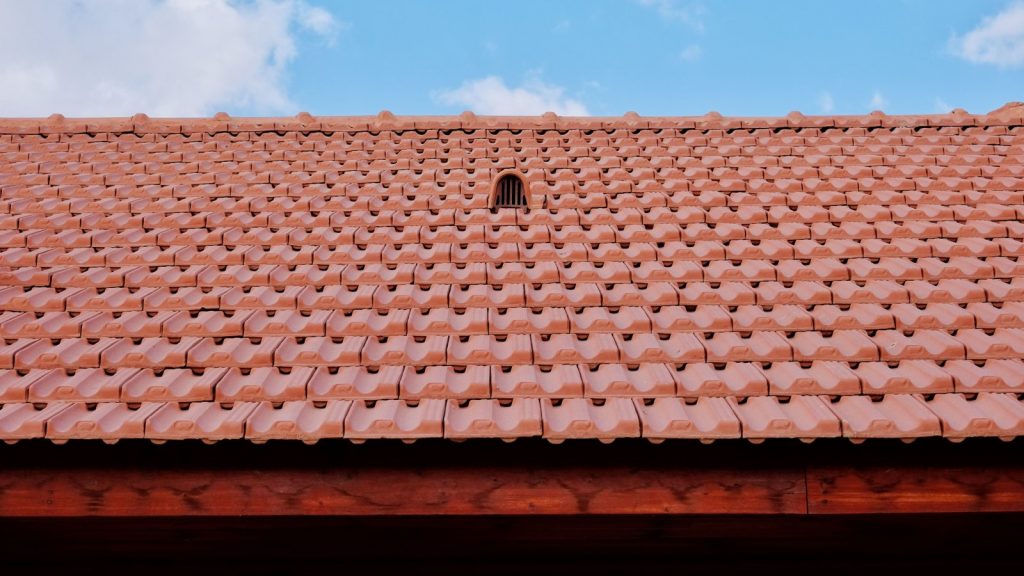
Box vents go by several names: static vents, roof louvers, turtle vents, or mushroom vents. Each one is a covered opening set into the roof plane near the ridge. Air leaves through natural convection and wind, with no motor involved. A single box vent covers a limited area, so a roof usually needs several, spaced evenly along the upper portion of the slope.
Where Box Vents Make Sense
Box vents suit roofs lacking enough ridge line, like hip roofs. Because each unit creates a separate penetration, proper placement high on the slope and quality flashing are critical. Proper flashing is also essential elsewhere, such as adding kickout flashing at roof-to-wall intersections.
Ridge Vent vs. Box Vent: Side-by-Side Comparison
|
Feature |
Ridge Vent |
Box Vent |
|
Airflow pattern |
Continuous along the ridge |
Localized at each unit |
|
Best roof shape |
Gable roofs with ample ridge length |
Hip roofs, short ridges, and compact rooflines |
|
Roof openings |
One continuous slot |
Several individual penetrations |
|
Moving parts |
None |
None |
|
Appearance |
Low profile under the ridge cap |
Visible units on the roof plane |
|
Installation focus |
Slot length, cap fit, and soffit balance |
Placement near the peak and flashing at each unit |
|
Mixed with the other type? |
Not on the same attic space |
Not on the same attic space |
Why Do Soffit Vents Decide Whether Either One Works?

Intake Sets the Airflow
Exhaust vents require matching soffit intake air. Per GAF’s attic ventilation guidance, intake at the soffits should equal exhaust at the ridge. For example, a 1,200-square-foot attic requires 576 square inches of net free area, divided equally between intake and exhaust.
The International Residential Code requires 1 square foot of net free ventilating area per 150 square feet of attic, reducible to 1:300 with balanced ventilation and a vapor retarder. Local codes may vary.
Baffles Keep the Path Open
Intake is useless if blocked by insulation. According to ENERGY STAR guidance, blocking eave airflow is the top insulation error, which rafter vents (baffles) solve. Soffit vents can also clog with debris or be missing entirely in older homes.
Homeowners needing updates can explore soffit and fascia repairs or attic insulation tailored for proper ventilation.
How to Choose Between a Ridge Vent and Box Vents
Five steps narrow the decision for most homes.
- Measure the attic floor and calculate the target. Multiply attic length by width, divide by 300 (or 150 depending on code requirements), then convert to square inches. That number is the total net free area, and roughly half of it belongs on the exhaust side.
- Look at the roof’s layout. A long, uninterrupted ridge on a gable roof points toward a ridge vent. Hip roofs, short ridges, and multi-section rooflines often point toward box vents.
- Check the soffits before choosing exhaust. Confirm that vent openings exist, that they are clear, and that baffles hold insulation back from them.
- Pick one exhaust type that meets the full exhaust requirement. Compare each product’s net free area rating, not its size or appearance.
- Confirm placement and flashing with a professional. Ridge slot length, vent height near the peak, and flashing at every opening all affect long-term performance. A professional roof inspection that includes the attic catches problems that a ground-level look cannot.
What Affects the Cost of Changing Roof Vents?
Ventilation work varies widely from one home to the next, so any figure quoted without a site visit is a guess. An estimate is shaped by the factors below.
- The type and number of vents needed to meet the exhaust requirement
- Ridge length, roof pitch, and how safely the roof can be accessed
- Whether soffit intake must be cleared, added, or repaired
- Baffles and attic insulation adjustments
- Flashing, decking, or shingle repairs found along the way
- Whether the work happens during a full roof replacement or as a standalone project
When Is the Best Time to Upgrade Roof Vents?
During a Roof Replacement
A reroof is the ideal time to cut and flash new vents while the deck is exposed. Keeping records of the work aids resale; solar shingle owners can review what records to keep when selling a home.
After a Rough Winter
Recurring icicles, ice dams at the eaves, or frost in the attic suggest that heat loss, air leaks, or attic ventilation need attention. Spring is a practical time to have the attic checked, before summer heat adds a different set of stresses.
Before Adding Attic Insulation
New insulation can bury soffit vents if baffles are skipped. Sorting out the ventilation plan first protects the airflow that the insulation is supposed to work alongside.
Frequently Asked Questions
How many box vents does it take to match one ridge vent?
It depends on the net free area of each product and the amount of exhaust the attic needs. Ridge vents are rated per linear foot, while box vents are rated per unit and each covers a much smaller opening. Roofs that need several hundred square inches of exhaust typically need multiple box vents to match what a short run of ridge vent provides. An installer can work out the exact count from the manufacturer’s NFVA ratings.
Do ridge vents let rain or snow into the attic?
A properly installed ridge vent is designed to shed rain and keep out debris, but products differ in how they handle wind-driven snow. Baffled designs and correct cap installation help, and that is why product selection matters on snowy Hudson Valley roofs. A ridge vent that was cut too wide, or one installed over damaged decking, raises the risk of leaks.
Do all attics need a ridge vent or box vents?
No. Some homes have unvented attics, where insulation is installed at the underside or on top of the roof deck instead of on the attic floor. In those assemblies, ridge vents and box vents are not part of the design, and adding them can disrupt how the system is meant to work. A roofer should confirm the attic type before recommending any vent. Low-slope commercial roofs handle moisture differently, as shown in how commercial roofers diagnose ponding water at drains.
How can a homeowner tell which exhaust vent the roof already has?
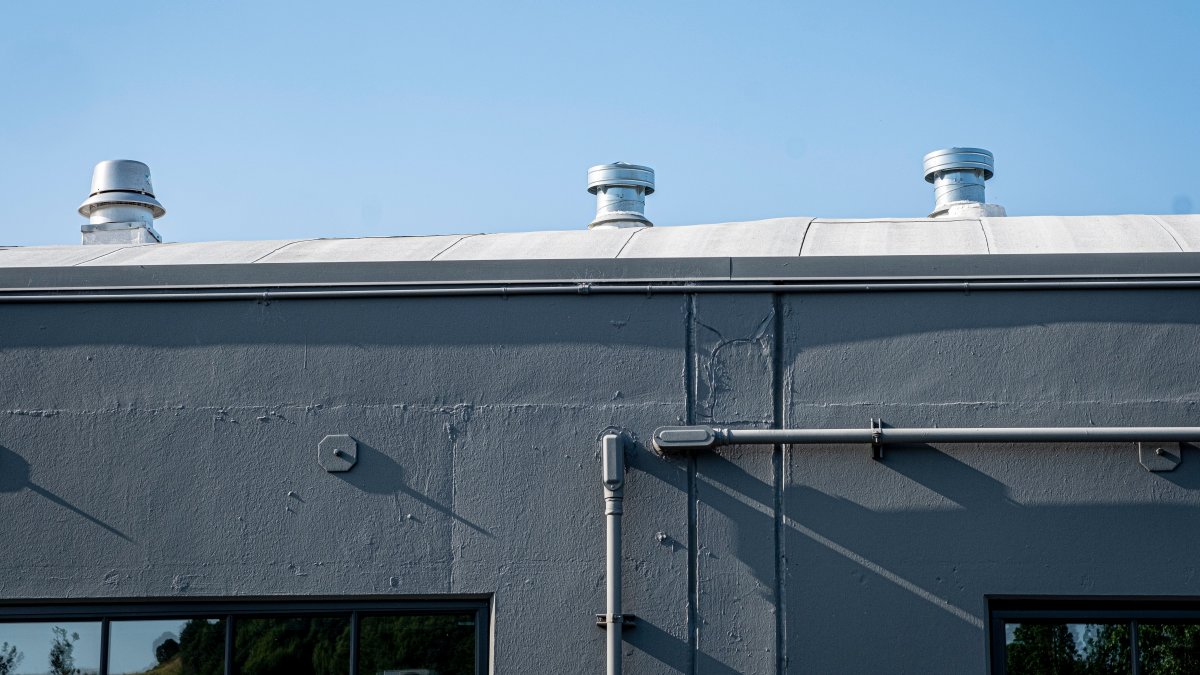
From the ground, a ridge vent appears as a continuous raised strip along the peak under the cap shingles. Box vents look like small square or round hoods scattered near the top of a slope. Turbines look like spinning metal globes, and powered fans usually have a visible housing and a wiring connection. An attic walkthrough also shows how many exhaust openings exist.
How long do ridge vents and box vents last?
Neither type has moving parts, so lifespan depends more on material quality, sun exposure, and installation than on wear. Cracked plastic, rusted metal, and failed sealant or flashing around box vents are the most common signs a vent needs attention. Routine roof inspections catch these issues early, and many homeowners replace vents during a reroof so the vents and shingles age together.
Get the Right Roof Vents for Your Hudson Valley Home
Choosing between a ridge vent and box vents comes down to the roof itself: its shape, its intake, and its insulation. Getting that match right protects shingles in summer, helps limit ice dam risk in winter, and keeps the attic dry year-round.
Lyndsey Roofing, LLC is a locally owned roofing and exterior contractor. Our team offers roof ventilation services across Dutchess County and Poughkeepsie, starting with a comprehensive roof inspection to identify damage before any work begins.
Homeowners and commercial property owners in Dutchess, Orange, Putnam, and Eastern Ulster Counties, including Poughkeepsie, Beacon, Fishkill, Newburgh, and Rhinebeck, can request a free estimate.