What’s in This Guide
Key Takeaways
- Slate roof repair suits damage under 20% of a slope
- Flashing and nails fail before the stone does
- Slate can last 60 to 125+ years
- Cost depends on scope, access, and slate matching
- Skip mastic; hire an experienced slater
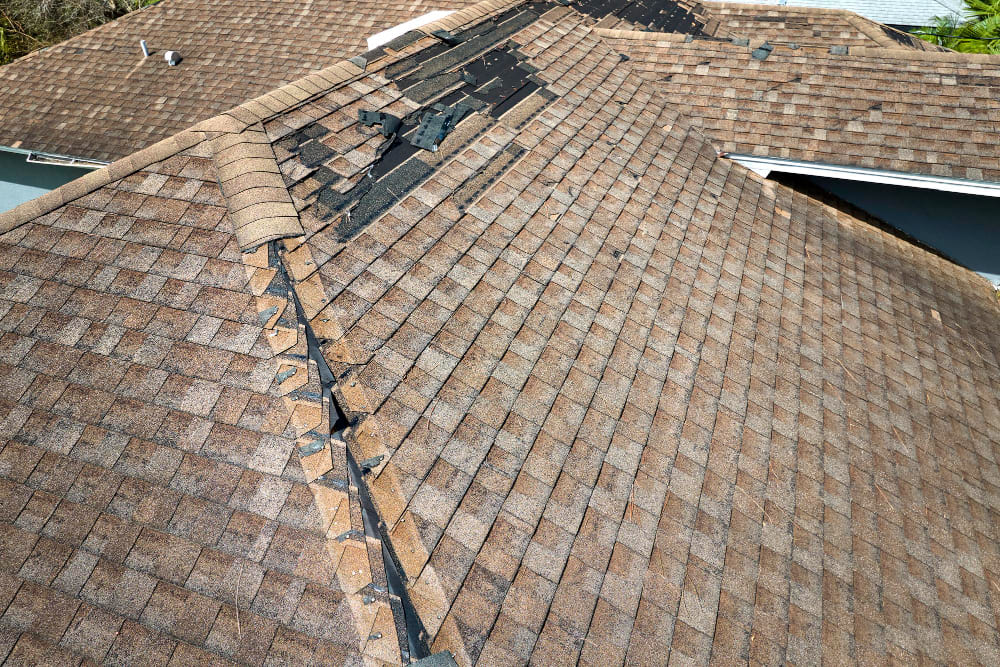
A slipped slate near the chimney or a hairline crack above the porch can feel like the beginning of the end for an older roof. Usually, it is not. Slate roof repair is often a targeted job, and National Park Service guidance on repairing historic slate roofs consistently favors repair over replacement whenever the roof allows it.
Many Hudson Valley homes, from Victorian houses in Poughkeepsie and Beacon to older properties around Hyde Park and Rhinebeck, still carry slate. Freeze-thaw cycles and ice dams put those roofs to work every winter.
What Slate Roof Repairs Are Most Common in the Hudson Valley?
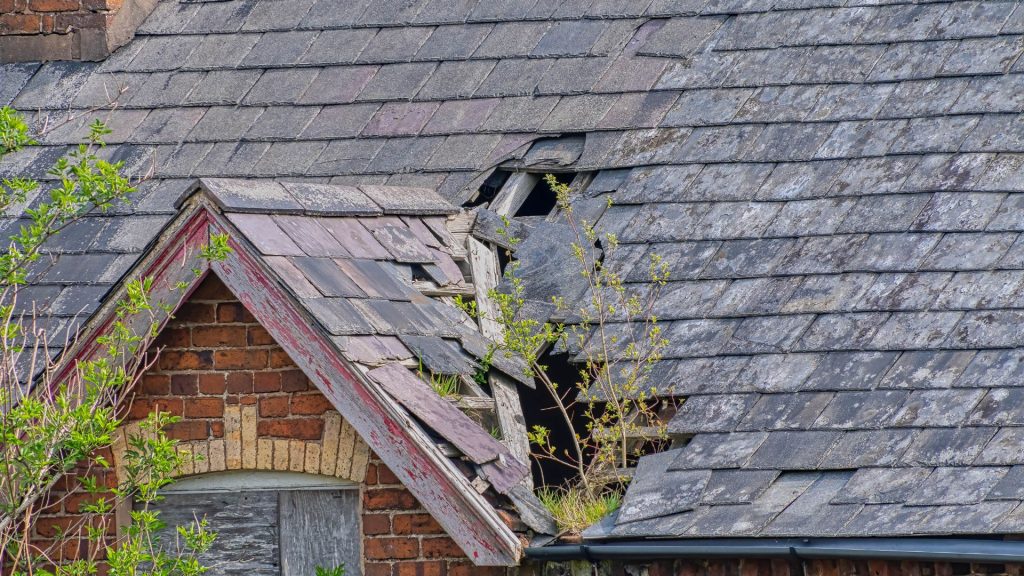
Slate itself is hard to wear out. The parts around it usually fail first, which is why diagnosis matters before any work begins.
Slipped, Cracked, and Missing Slates
Individual slates break for ordinary reasons: a fallen limb, ice sliding off the roof, a person stepping in the wrong spot, or a fault in the stone. Caught early, a broken slate can usually be swapped without disturbing the rest of the roof. Left alone, it lets water reach the sheathing and framing underneath.
Corroded Slating Nails
When slates slide out of position across a wide area, the stone may be fine and the fasteners may be the problem. Steel and galvanized nails tend to rust out long before slate deteriorates, and federal preservation guidance on slate fasteners and nail corrosion names rusting nails as a common cause of slate loss on older roofs. In those cases, sound slates can often be salvaged and re-laid with copper or stainless steel nails.
Worn Flashing at Valleys, Chimneys, and Walls
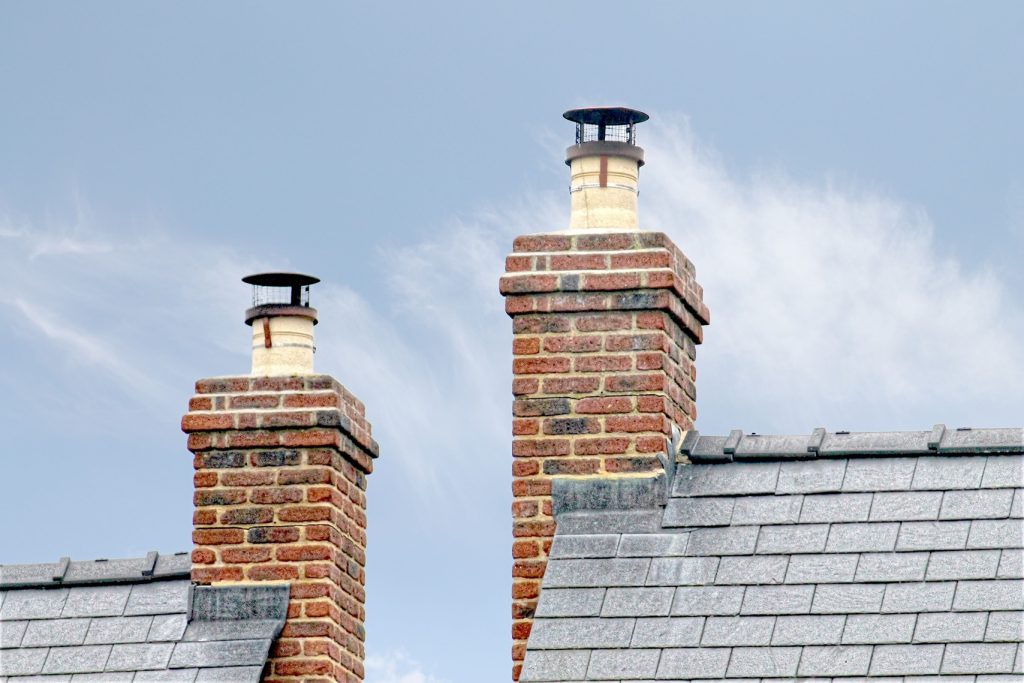
Metal flashing seals the joints where slate meets a chimney, a sidewall, a dormer, or a valley. Because flashing usually fails before the slate itself does, it is a frequent and often hidden source of leaks. Copper flashing, the traditional pairing for slate, often lasts roughly 70 years depending on climate. Even a pinhole can admit a surprising amount of water.
Ice Dam Damage at Eaves and Valleys
Water concentrates along eaves and valleys, and ice dams make that worse. These areas tend to deteriorate faster than the rest of a slate roof. Clogged or leaking gutters add to the load, and snow guards help control sliding ice on roofs where heavy snow accumulates.
When Does Slate Roof Repair Make More Sense Than Replacement?
A widely used benchmark is that when 20% or more of the slates on a roof or slope are broken, cracked, missing, or sliding, replacing is usually less expensive than patching.
|
Factor |
Points Toward Repair |
Points Toward Replacement |
|
Damaged slates |
Under about 20% of a roof or slope |
20% or more broken, missing, or sliding |
|
Slate condition |
Firm, with a clear ring when tapped |
Soft, flaking, with a dull thud when tapped |
|
Leak source |
Flashing, nails, gutters, or a few slates |
Widespread slate failure |
|
Decking |
Dry and solid |
Rotted or saturated sheathing |
|
Flashing work |
Limited to one area |
Would disturb a quarter or more of the slates |
|
Roof age |
Well within the slate’s service life |
Near or past it |
Repair Fits While Damage Stays Localized
- Sound slate, clear cause: If the slates are sound and the leak traces back to flashing, nails, or a handful of broken pieces, repair is the practical path.
- Uneven aging: Slate rarely ages evenly. The slope with the harshest sun and weather exposure may need replacement while the others only need maintenance, which lets you spread the work over several years.
- Not always the roof surface: Attic condensation from poor ventilation can mimic a roof leak, so ridge vent versus box vent for better attic airflow is worth reviewing.
- Likelier culprits: Gutters and valleys are more likely sources than the slates themselves.
Replacement Fits Once Deterioration Spreads
- Weathered slate: It flakes in thin layers, turns soft, and absorbs water.
- Hidden moisture: Water held in aging slate can rot the wood beneath it even when no leak ever shows up inside the home.
- The tap and press test: A slater can check this by tapping slates and pressing on them. Sound slate rings clearly and holds firm, while deteriorated slate gives a dull thud and cracks under pressure.
- Roof age: On a roof near the end of its life, even careful work can crack neighboring slates.
- Flashing as a tipping point: Replacing flashing that disturbs a quarter of the slate can make a full replacement the more cost-effective choice.
How Is a Broken Slate Repaired?
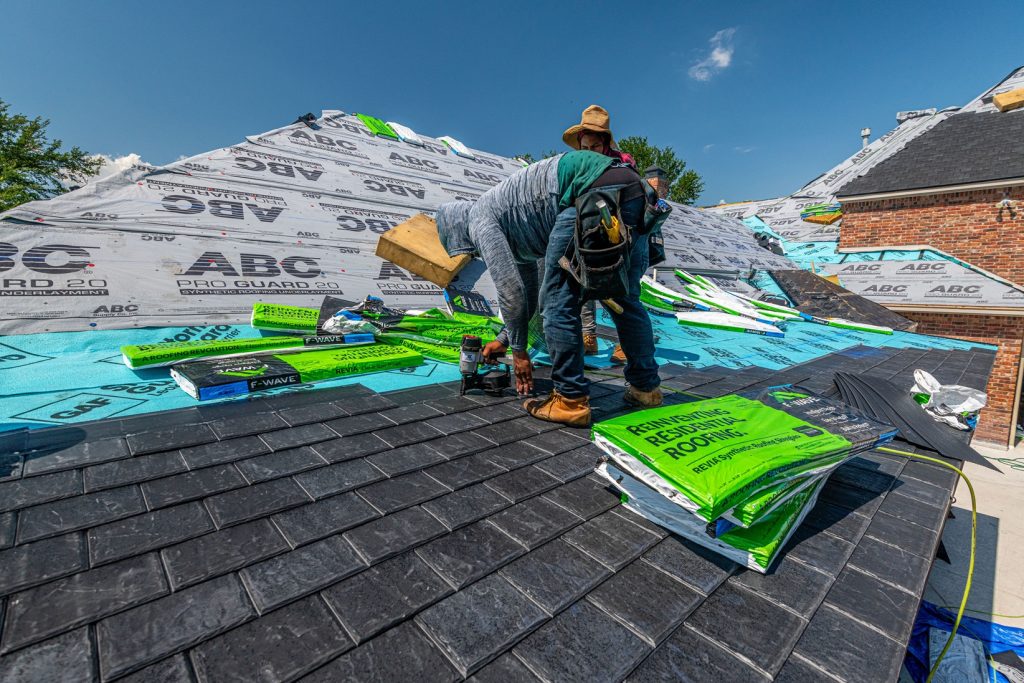
A proper slate roof repair follows a defined sequence. Slate is nailed differently than asphalt shingles, which is why it calls for an experienced slater rather than a general roofer.
Inspect the Roof and Attic to Find the Source
Diagnosis comes first. A slater scans the roof with binoculars from the ground, checks the attic for stains and soft wood, and sounds the slates to find hidden weakness. Low-slope sections tied into the slate, such as porch or dormer roofs, can hold water, and how commercial roofers diagnose ponding water problems comes down to tracing it to its source.
Pull the Damaged Slate With a Ripper
The slater cuts or pulls the nails holding the broken slate using a tool called a ripper. On roofs laid with steel nails, neighboring slates can shift or crack during removal.
Match the Replacement to the Existing Slate
New or salvaged slate should match the old in size, shape, texture, and weathered color. A close match keeps the repair watertight and visually consistent with the rest of the roof.
Fasten the New Slate Without Exposing a Nail
The new slate slides into place and is fastened with a nail in the joint above, then covered with a copper bib. Metal hooks or clips are alternatives, but copper strip repairs are discouraged in snowy northern climates because ice can fold them over and let the slate slide out.
Replace Rotted or Uneven Decking Before Re-Laying
When many slates come off, the boards underneath are checked for rot and unevenness. Damaged sections are replaced before the new slates go down so the finished surface lays flat and holds its fasteners.
Avoid Mastic and Sealants as a Shortcut
Why roofing mastic is not a durable slate repair comes down to hardening and cracking over time, which lets water back in, complicates later repairs, and can speed up flashing corrosion.
Why Does Slate Roof Cost Vary From Home to Home?
There is no single number for slate work. Estimates may range from a modest repair visit for a handful of slates to a major restoration involving flashing, decking, and entire slopes. A written, itemized estimate after an on-site inspection is the most reliable way to understand your project. Homeowners weighing full replacement often compare slate against alternatives such as cedar shake cost and lifespan for Hudson Valley homes.
These factors shape what an estimate looks like:
- Scope of work: A few slates, a full slope, or flashing replacement alongside them
- Slate condition: Sound slates may be salvaged and re-laid, while deteriorated ones need new material
- Availability and lead time: Matching existing slate can mean salvaged or special-order stock, and delivery can take weeks or longer
- Flashing materials: Durable metals such as copper are typically specified for slate, and the amount and weight of metal affect the estimate
- Roof design and access: Steep pitches, dormers, valleys, and chimneys slow work and may require scaffolding or lifts
- Decking and framing: Rotted sheathing found beneath removed slates adds repair scope
- Urgency: Storm damage may call for temporary protection before permanent repairs
Frequently Asked Questions
Does homeowners insurance cover slate roof repair?
It depends on your policy and the cause of damage. Sudden damage from wind, falling limbs, or hail may be covered, subject to your deductible, while wear and deferred maintenance generally are not. Photograph the damage from the ground and confirm the details with your carrier before filing. Keep dated photos and invoices too, since roof records matter when selling a home with solar roof shingles or any other roof.
What are the signs that your slate roof needs repair?
Common clues include slate pieces in the yard or gutters, visible gaps or slipped slates along the roofline, and water stains on ceilings or attic wood. Any of these is worth a professional look, since small slate roof repair jobs are easier to handle before moisture spreads.
What should you do if storm damage breaks slates on your roof?
Stay off the roof, photograph the damage from the ground, and protect the interior from active leaks. Temporary coverings are common after severe weather until permanent repairs can be planned with a slater. If part of the roof carries solar shingles, start with diagnosing a solar shingle problem and checking its warranty before repair work begins, in case coverage terms apply.
How long does slate roof repair usually take?
A small repair involving a few slates is often a short visit. Work that includes flashing, decking, or hard-to-reach areas takes longer, and weather and slate availability can affect the schedule. A written estimate after an inspection should outline the scope, timeline, and slate roof cost for your roof.
Can slate roof repairs be done in winter?
Urgent repairs often can be, but Hudson Valley snow, ice, and unsafe roof access may delay the work. Temporary protection can hold a leak in check until conditions improve. A slater can advise which repairs should happen right away and which can wait for better weather.
Get Your Slate Roof Assessed Before Small Problems Spread
Slate rewards early attention. A single slipped slate or tired flashing detail is far easier to address than a soaked deck and damaged framing. Lyndsey Roofing, a locally owned contractor in Poughkeepsie, handles slate roof repair and installation in Dutchess County and across Orange, Putnam, and Eastern Ulster Counties.
We start with a thorough inspection, explain what can be repaired and what cannot, and provide a clear written estimate so you can compare your options with confidence. Our team is GAF® Master Elite® certified and an Owens Corning® Preferred Contractor, and we are proud to be BBB A+ rated, Google Verified, and NRCA members.
Financing is available to help your project move forward.