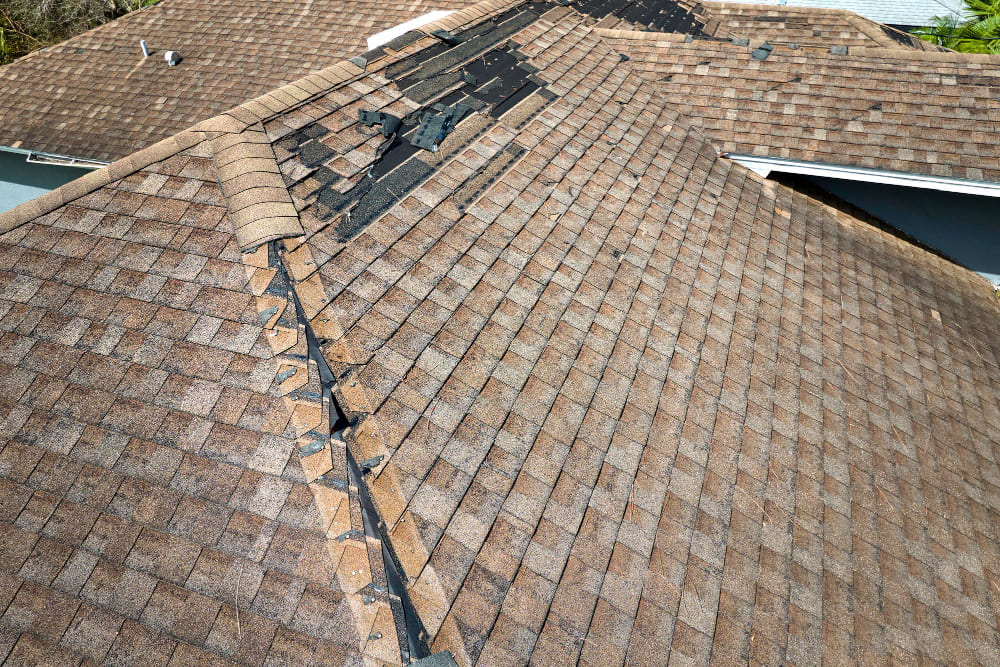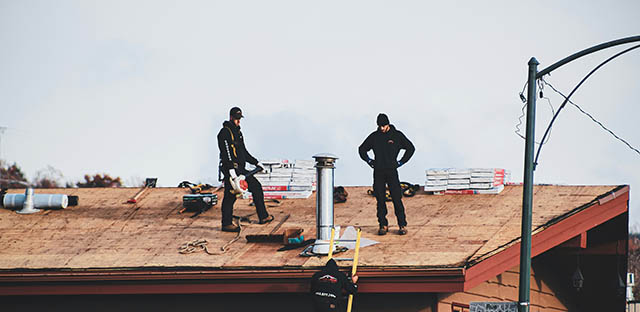
Roofs in Poughkeepsie, NY, get stress-tested by a climate that regularly swings above and below freezing and delivers a lot of annual moisture. Those conditions matter because freeze-thaw cycles and repeated wetting can turn small roofing weaknesses into leaks, rot, and expensive interior damage.
So when should you replace your roof in Poughkeepsie, NY? Replace it when the roofing system is showing widespread failure signals, when moisture is getting where it should not, or when repeated repairs are no longer buying reliable time.
Here’s a breakdown of signs that it’s time to replace your roof.
WHAT’S IN THIS GUIDE
QUICK FACTS
- Recurring leaks in multiple rooms often mean system failure.
- Widespread curling, cracking, or granule loss usually means replacement.
- Soft spots or sagging suggest wet decking and rot.
- Attic dampness can damage decking before leaks appear.
- One isolated issue may need repair; multiple issues often require replacement.
8 Signs Poughkeepsie Homeowners Shouldn’t Ignore
1. Curling, Cupping, or Cracking Shingles
In Poughkeepsie, NY, repeated temperature swings above and below freezing contribute to shingle expansion and contraction, which weakens older materials over time.
Signs
- Shingle edges lifting upward or corners curling
- Tabs that appear distorted or no longer lay flat
- Visible cracks across the surface of shingles
Risks
- Reduced wind resistance, increasing the chance of blow-offs during storms
- Gaps that allow wind-driven rain to penetrate
- Accelerated aging as UV exposure increases on lifted edges
2. Significant Granule Loss
Granule loss across broad sections of the roof is often a signal that the roof is nearing the end of its service life.
Signs
- Excessive granules collecting in gutters and downspouts
- Bald or dark patches on shingles
- Uneven color fading across large roof sections
Risks
- Loss of UV protection, leading to faster material breakdown
- Higher surface temperatures, which can dry out and crack shingles
- Increased likelihood of leaks as protective layers erode
3. Repeated Leaks or Water Stains in Multiple Areas
When leaks appear in multiple locations, it often points to systemic failure rather than one isolated flashing issue.
Signs
- Ceiling stains appearing in more than one room
- Stains that grow after heavy rain or snow melt
- Peeling paint or bubbling drywall near the ceiling
Risks
- Hidden mold growth in insulation and framing
- Structural wood rot that spreads beyond the original leak area
- Escalating interior repair costs
4. Sagging Rooflines or Soft Decking
Sagging is not simply a cosmetic issue. It suggests prolonged moisture intrusion and should be evaluated promptly.
Signs
- A visible dip or uneven line along the roof ridge
- Spongy areas felt from the attic side
- Sections of the roof that look slightly sunken compared to the surrounding areas
Risks
- Compromised structural integrity
- Rotting roof decking beneath the shingles
- Potential safety hazards if deterioration progresses
5. Flashing Damage Around Chimneys, Vents, and Skylights
Roof penetrations are common failure points. If flashing issues appear in multiple areas, broader replacement may be necessary.
Signs
- Rusted or separated metal flashing
- Cracked or deteriorated sealant
- Staining on masonry around a chimney
Risks
- Water infiltration at roof penetrations
- Interior ceiling damage and insulation saturation
- Recurrent leaks even after shingle repairs
6. Attic Moisture, Condensation, or Frost
Cold-weather condensation occurs when warm indoor air reaches cold attic surfaces. In areas with frequent freezing temperatures, this pattern can quietly degrade a roof from the inside out.
Signs
- Damp or compressed insulation
- Musty odor in the attic
- Frost on nails or roof sheathing during cold weather
Risks
- Mold growth and poor indoor air quality
- Wood rot in decking and rafters
- Reduced insulation performance and higher energy costs
7. Ice Dam Evidence at the Eaves
Ice dams are common in climates with heavy snow and fluctuating temperatures. Repeated ice dam damage often indicates the need for system improvements or full replacement.
Signs
- Large icicles forming along the roof edge
- Water stains near exterior walls or upper-story ceilings
- Shingles that appear lifted near the eaves after winter
Risks
- Water forced underneath shingles
- Damage to roof decking and interior finishes
- Recurring winter leaks year after year
8. Extensive Storm or Wind Damage
In the Hudson Valley, strong seasonal storms can expose aging roofs. If damage is widespread rather than isolated, replacement is often more reliable than repeated spot repairs.
Signs
- Missing or lifted shingles after high winds
- Dented roof vents or metal flashing
- Shingle tabs that no longer seal properly
Risks
- Progressive water intrusion during the next storm
- Reduced wind resistance across the entire roof plane
- Insurance complications if damage is not documented quickly
Roof Replacement vs. Repair
When a Roof Repair Usually Makes Sense
- Localized damage: The problem is confined to one spot, such as a small shingle section, one valley area, or a single penetration.
- Single-source leak: Staining or dripping traces back to one cause, like a pipe boot, chimney flashing seam, or a skylight transition.
- Storm-related spot issue: A few shingles are missing or creased after a wind event, but the rest of the roof surface looks uniform.
- Healthy surrounding materials: Adjacent shingles are still lying flat, granule coverage is consistent, and flashing elsewhere is intact.
- No structural warning signs: There’s no sagging roofline, no soft decking, and no widespread attic moisture or moldy insulation.
- First-time problem: This issue hasn’t happened before, and there isn’t a history of repeated repairs in nearby areas.
When Roof Replacement Is Usually the Smarter Call
- Multiple problem areas: You’re seeing wear or failure across different sections, not just one isolated defect.
- Recurring leaks: The same leak returns after repairs, or new leaks appear in other rooms or ceiling areas.
- Widespread shingle breakdown: Curling, cracking, or major granule loss shows up across large areas of the roof.
- Soft or sagging roof sections: The roofline dips or decking feels spongy from the attic side, suggesting moisture damage to wood.
- Repeated blow-offs: Shingles keep lifting or coming off in wind, indicating weakened sealing and brittleness.
- Patchwork repair history: The roof has multiple prior repairs and still can’t stay reliably watertight through heavy rain or snow melt.
Common Gray Areas and the Practical Next Step
- One leak on an older roof: Start with an inspection to confirm whether it’s a single detail failure or a sign of broader system aging.
- Attic moisture without obvious exterior damage: Have ventilation and air leakage evaluated, since condensation can mimic a roof leak and still damage decking.
- Storm damage that looks minor from the ground: Document it and get it inspected, because small shingle creases and flashing dents can turn into leaks later.
How To Do a 30-Minute Roof Check at Home
Step 1: Start Inside the House (10 Minutes)
Check ceilings and upper walls first.
Look for:
- Brown or yellow water stains
- Peeling paint or bubbling drywall
- Damp or compressed insulation in the attic
- Musty odors in upper rooms or attic spaces
If you have attic access:
- Use a flashlight to inspect the underside of the roof deck.
- Look for dark staining, mold spots, or visible daylight through boards or around penetrations.
- In winter, check for frost buildup on nails or sheathing.
- Interior evidence often appears before obvious exterior damage.
Step 2: Walk the Perimeter (10 Minutes)
Stand back from the home and use binoculars if available.
Scan for:
- Missing, lifted, curled, or cracked shingles
- Uneven roof lines or dips along the ridge
- Damaged or rusted flashing around chimneys and vents
- Sections where shingles appear darker or patchy
Pay close attention to roof edges and valleys, since these areas handle high water flow and are more vulnerable to failure.
Step 3: Inspect Gutters and Downspouts (5 Minutes)
Check for:
- Excessive granules collecting in gutters
- Shingle fragments or debris
- Signs of water overflow staining along fascia boards
Granule accumulation can indicate accelerated shingle wear, especially if it is heavy and consistent.
Step 4: Check After Recent Weather Events (5 Minutes)
After heavy rain, snow melt, or wind:
- Look again for new stains inside.
- Check for displaced shingles or visible debris on the roof.
- Document any visible storm-related damage with photos.
Small problems often reveal themselves right after extreme weather.
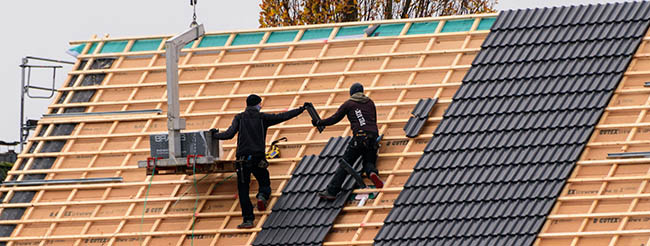
Why Hire Professionals for Roof Inspections and Repairs
Professional Roof Inspections
- Accurate leak tracing: Pros track water to the true entry point, which is often uphill from the ceiling stain.
- Layer-by-layer evaluation: They assess shingles or membrane, flashing, underlayment, and decking, not just surface symptoms.
- Moisture diagnostics: Damp insulation, stained sheathing, and condensation patterns can signal hidden damage or ventilation issues.
- Safer process: Steep pitches, wet surfaces, and winter brittleness make DIY roof access risky and can cause accidental shingle damage.
Professional Roof Repairs
- Correct fix, not a patch: Repairs work when the root cause is addressed, such as replacing failed flashing details rather than relying on sealant.
- Prevent secondary damage: Proper repairs reduce the chance of ongoing moisture that leads to rot, mold, and drywall damage.
- Better long-term value: A pro can tell you when a repair will meaningfully extend roof life versus when replacement planning is the smarter spend.
Frequently Asked Questions (FAQs)
Should I replace the roof if I’m selling my home soon?
If the roof has active leaks, sagging, or widespread shingle failure, replacement can reduce buyer objections and inspection renegotiations. If the roof is aging but stable, a documented professional inspection and targeted repairs may be enough to satisfy buyers.
How do I know if my roof has multiple layers, and why does it matter?
Look for thick, stacked shingle edges at eaves or around vents, or check attic nail patterns and roof records. Multiple layers can add weight and trap heat, and many projects require tear-off to inspect the deck and install new underlayment correctly.
Will my homeowners insurance pay for a roof replacement?
Insurance typically considers cause (covered storm damage) versus wear-and-tear (usually not covered). A professional inspection report with photos helps document storm-related damage and supports a clearer claim discussion.
What should I ask a roofer before approving work?
Ask for a written scope covering: decking replacement criteria, flashing approach (chimney/vents/walls), underlayment type, ventilation plan, workmanship warranty, and proof of insurance. Clarity on what triggers added cost (like bad decking) prevents surprises.
How long should a roof replacement take for a typical home?
Many standard residential replacements are completed in a few days, but timing depends on roof size/complexity, weather windows, and whether decking needs replacement. The best indicator is a written schedule that includes cleanup and a final walkthrough.
Schedule a Professional Roof Evaluation in Poughkeepsie, NY
If you want straightforward answers and a detailed assessment of your next steps, schedule a professional roof evaluation today.
For homeowners and property owners in Poughkeepsie NY, Lyndsey Roofing, LLC provides thorough inspections, clear recommendations, and workmanship backed by recognized manufacturer certifications.