WHAT’S IN THIS GUIDE
QUICK FACTS
 Asphalt shingles are affordable and usually last 15–20 years. Architectural shingles are thicker and last 25–30+ years. Architectural shingles offer better wind and weather resistance. Your choice depends on budget and long-term plans. Stronger shingles often perform better in Poughkeepsie’s climate.
Roofing choices matter more in places with big seasonal shifts, and Poughkeepsie, NY, is a perfect example. Local roofs have to handle freezing winters, heavy snow, strong winds, and humid summers, and the wrong shingle can wear out faster under that pressure. Two of the most common options are asphalt shingles and architectural shingles.
While both are asphalt-based, they perform differently when it comes to durability, appearance, lifespan, and storm resistance. So which one is best for your home? It depends on your budget, how long you plan to stay in the house, and how much protection you want from your roof over time.
Here are the key differences to know.
What Are Asphalt Shingles?
Asphalt shingles, sometimes called 3-tab shingles, are a common, budget-friendly roofing option made from fiberglass, asphalt, and protective granules. They have a flat, uniform look, are lightweight, and are usually quicker to install. With proper installation and upkeep, they typically last about 15–20 years, but may wear faster in harsh weather.
What Are Architectural Shingles?
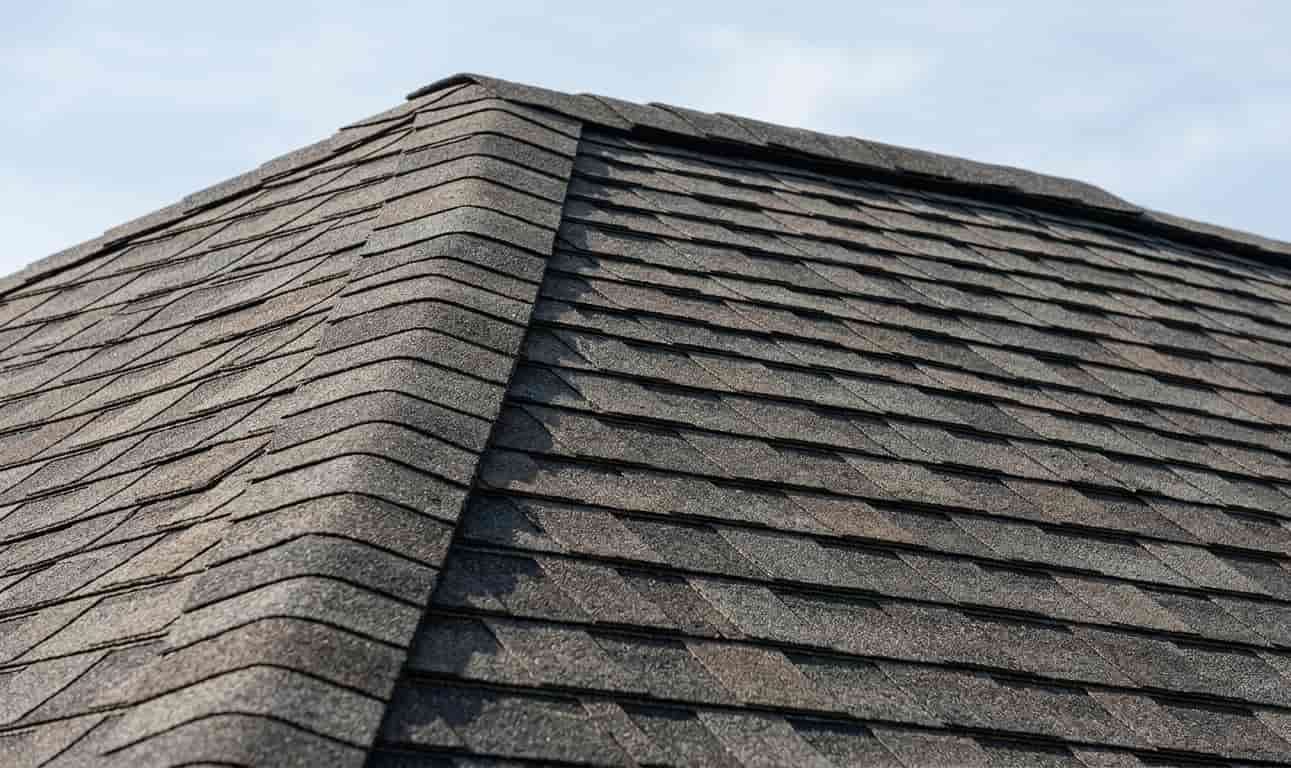
Architectural shingles are a thicker, layered type of asphalt shingle designed for better durability and a more dimensional, high-end look. They tend to handle wind and weather better than asphalt shingles and often last 20-30 years. They cost more upfront, but many homeowners choose them for longer life and improved curb appeal.
Asphalt vs. Architectural Shingles: Key Differences
Although both roofing materials are made from asphalt, they perform differently in several important areas.
Appearance
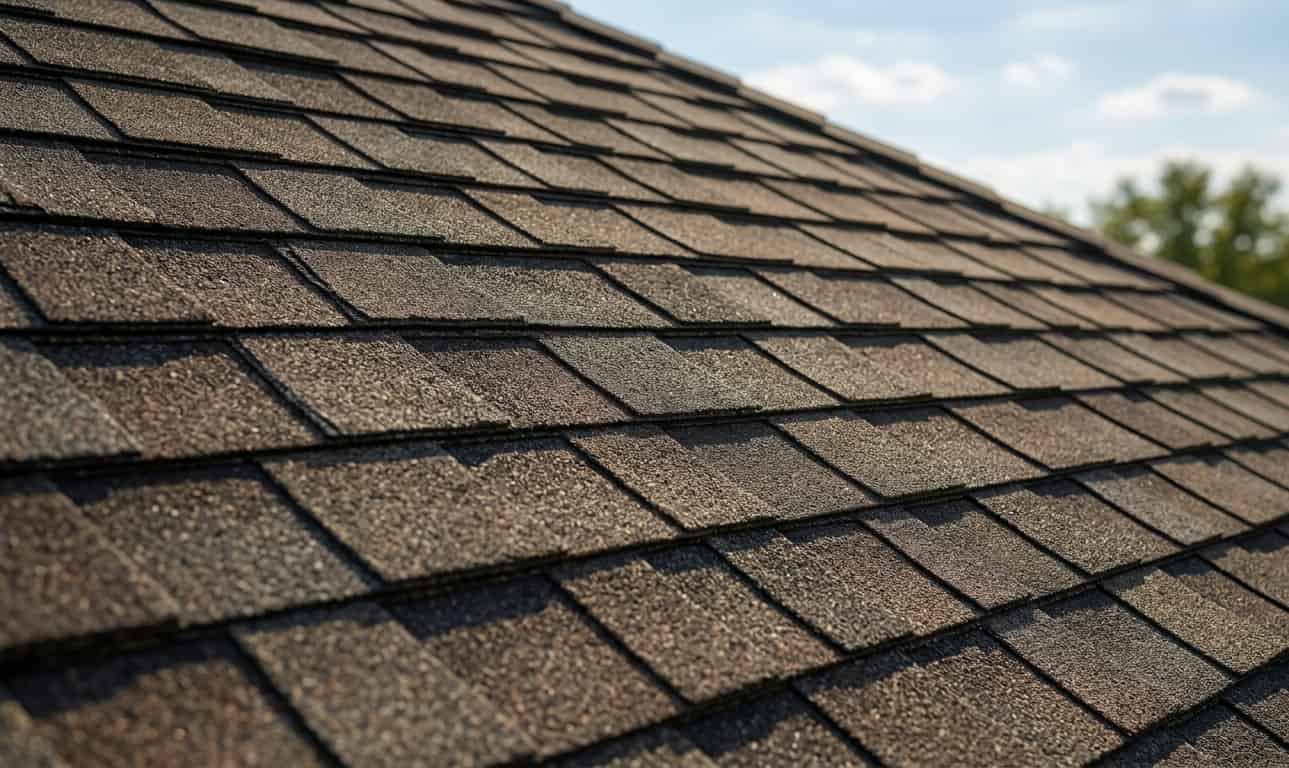
Traditional asphalt shingles have a flat and uniform design. They create a consistent pattern across the roof but lack depth. Architectural shingles, on the other hand, have a layered appearance that adds texture and visual interest. Many homeowners prefer this look because it enhances the home’s curb appeal and can make the roof appear more high-end.
Durability
Durability is one of the biggest differences between the two options. Asphalt shingles are thinner and therefore more vulnerable to wear over time. Architectural shingles are built with multiple layers, which helps them resist impact, weather exposure, and gradual deterioration.
Wind Resistance
Wind resistance is particularly important in regions that experience seasonal storms. Standard asphalt shingles are typically rated for wind speeds between 60 and 70 miles per hour. Architectural shingles often have ratings between 110 and 130 miles per hour, making them far more resilient during severe weather.
Cost
Cost is often the deciding factor for many homeowners. Asphalt shingles generally have a lower upfront price. Architectural shingles cost more initially but may provide better long-term value due to their longer lifespan and improved durability.
Warranty
Manufacturers usually offer longer warranties for architectural shingles because their construction allows them to perform reliably for a longer period.
Which Roofing Option Performs Better in Poughkeepsie’s Climate?
The Hudson Valley climate presents several challenges for roofing systems. Snow, freezing temperatures, rainstorms, and seasonal winds all play a role in roof performance.
Winter Snow and Ice
Poughkeepsie winters often bring heavy snowfall and freezing temperatures. Roofs must withstand accumulated snow loads and repeated freeze-thaw cycles.
Architectural shingles generally handle these conditions better because their thicker structure provides added strength and durability.
Wind and Storm Protection
Strong windstorms can occur throughout the year in the Hudson Valley. Architectural shingles typically offer higher wind resistance ratings, which helps them stay secure during storms.
Heavy Rain
Both asphalt and architectural shingles can effectively protect homes from rain when installed properly. However, the thicker layers of architectural shingles provide additional protection against moisture penetration.
Temperature Fluctuations
New York experiences significant temperature swings between seasons. Roofing materials expand and contract as temperatures change. Thicker roofing materials, such as architectural shingles, tend to resist damage from these shifts more effectively than thinner shingles.
Asphalt vs. Architectural Shingles: Quick Comparison
Both options are popular, but they differ in cost, durability, lifespan, and appearance. Here’s a simple side-by-side look.
| Feature | Asphalt Shingles | Architectural Shingles |
|---|---|---|
| Best for | Budget-focused homeowners | Long-term value + stronger protection |
| Look | Flat, uniform, basic | Dimensional, textured, higher-end |
| Thickness | Thinner | Thicker, layered |
| Durability | Good, but wears faster in harsh weather | Better resistance to wear and impact |
| Wind resistance | Typically 60–70 mph | Often 110–130 mph |
| Lifespan | About 15–20 years | About 25–30+ years |
| Warranty | Usually shorter | Usually longer |
| Performance in Poughkeepsie weather | Can work, but may age faster with snow/wind/temp swings | Typically performs better in snow, wind, and freeze-thaw cycles |
Best forBudget-focused homeowners
LookFlat, uniform, basic
ThicknessThinner
DurabilityGood, but wears faster in harsh weather
Wind resistanceTypically 60–70 mph
LifespanAbout 15–20 years
WarrantyUsually shorter
Performance in Poughkeepsie weatherCan work, but may age faster with snow/wind/temp swings
Best forLong-term value + stronger protection
LookDimensional, textured, higher-end
ThicknessThicker, layered
DurabilityBetter resistance to wear and impact
Wind resistanceOften 110–130 mph
LifespanAbout 25–30+ years
WarrantyUsually longer
Performance in Poughkeepsie weatherTypically performs better in snow, wind, and freeze-thaw cycles
How to Choose the Right Shingles for Your Home
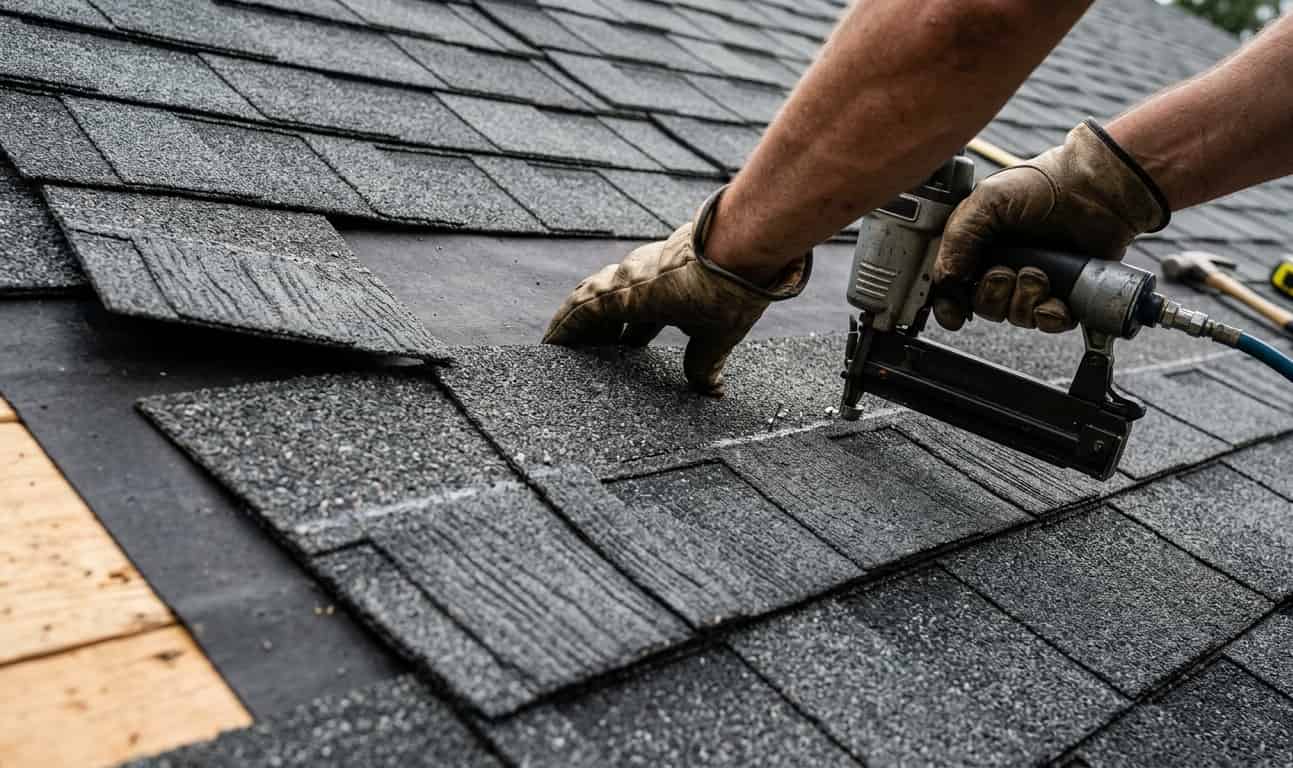
Selecting the right roofing material involves more than just comparing prices. A thoughtful approach can help ensure your roof meets both your budget and your long-term needs.
Step 1: Evaluate Your Budget
Start by setting a budget you feel comfortable with for your roof replacement. In many cases, homeowners spend somewhere in the $5,870 to $13,225 range, depending on roof size, materials, and labor. Having a clear number in mind helps you compare shingle options realistically and avoid surprise costs as the project moves forward.
Step 2: Consider Your Long-Term Plans
If you plan to move within the next few years, asphalt shingles may be sufficient. However, homeowners planning to stay in their property long term often benefit from the durability of architectural shingles.
Step 3: Think About Curb Appeal
Your roof plays a major role in the overall appearance of your home. Architectural shingles can create a more visually appealing roofline that enhances the home’s exterior.
Step 4: Assess Weather Durability
Homes exposed to strong winds, snow accumulation, or severe storms may benefit from the extra strength provided by architectural shingles.
Step 5: Consult a Local Roofing Professional
A roofing professional can inspect your home and recommend materials that work best for your roof structure and local weather conditions.
When Asphalt Shingles May Be the Better Choice
Despite their limitations, asphalt shingles remain a practical choice for many homeowners. They are often selected for their affordability and straightforward installation.
They may be the better option in situations such as:
- Budget-focused projects where a lower upfront cost is important
- Rental properties where a cost-effective roofing solution is preferred
- Short- to medium-term homeownership, when a long-term roof investment may not be necessary
- Homes with simple roof designs, where installation and repairs are easier and more affordable
When Architectural Shingles May Be the Better Choice
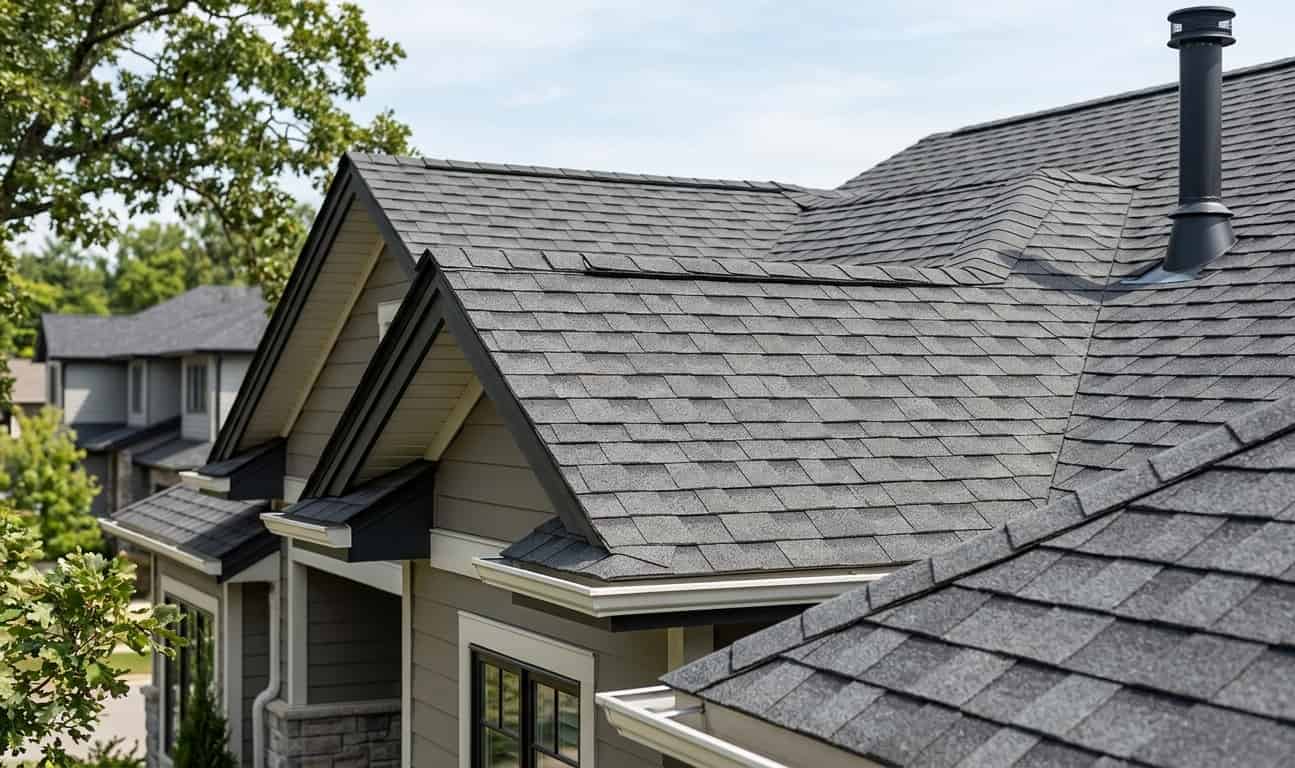
Architectural shingles are often preferred by homeowners who want stronger durability and longer-term value. Their thicker construction and dimensional appearance make them a popular upgrade from standard asphalt shingles.
They may be the better choice for:
- Homes exposed to strong winds or severe weather
- Homeowners planning to stay long term who want a roof that lasts longer
- Properties where curb appeal is a priority
- Higher-value homes where a more dimensional, premium-looking roof enhances the overall appearance
Signs It May Be Time to Replace Your Roof
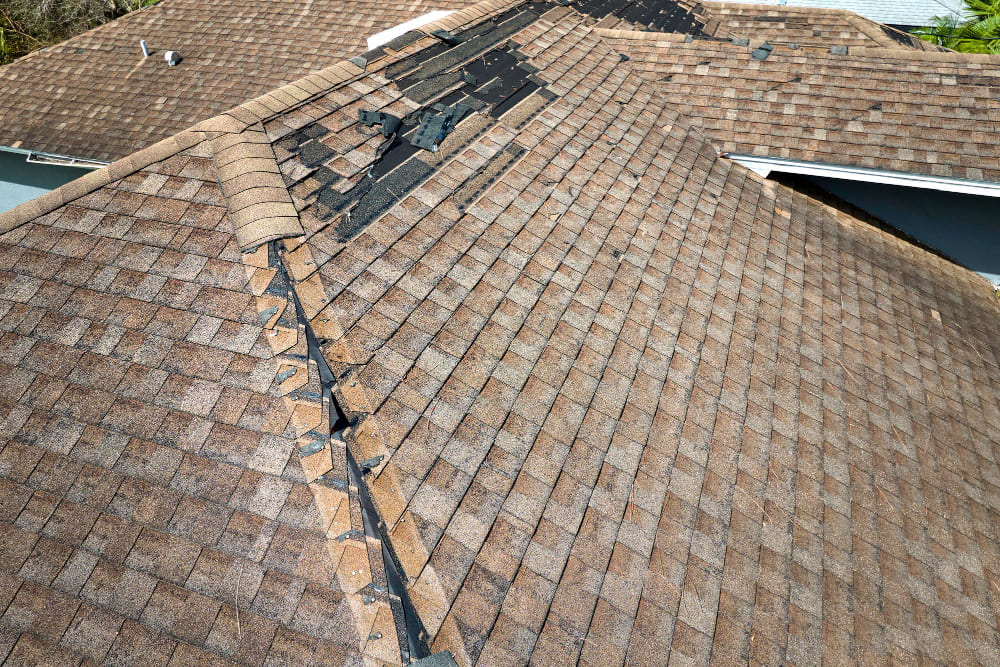
No matter which type of shingles you have, every roof has a lifespan. If you notice any of the issues below, it may be time to plan for a replacement or schedule a professional inspection.
Common warning signs include:
- Missing, cracked, or curling shingles
- Granules are collecting in gutters or at downspout exits
- Water stains on ceilings or walls, especially after rain or snowmelt
- Soft spots or areas that feel weak when walked on (by a pro)
- Sagging sections along the roofline
- Moss or algae growth that keeps coming back
- A roof age of 20–25+ years, even if the damage isn’t obvious
Frequently Asked Questions
Can both shingle types work on most residential roofs?
Yes, both asphalt and architectural shingles can be installed on most residential roof structures. They are widely used across many home styles and roof designs. The main consideration is making sure the roof deck and ventilation system are in good condition.
Do shingles come in different colors and styles?
Yes, roofing shingles are available in a wide range of colors and design styles. Homeowners can choose shades that complement their siding, trim, and overall exterior design. Architectural shingles often provide more visual variation and texture.
How long does it take to install a new shingle roof?
Most residential shingle roof replacements can be completed within one to three days. The exact timeline depends on factors such as roof size, slope, weather conditions, and whether old materials need to be removed first. Larger or more complex roofs may take longer. Your contractor can provide a more accurate timeline after inspecting the property.
Do shingles require regular maintenance?
Shingle roofs generally require minimal maintenance, but periodic inspections are still important. Homeowners should check for damaged shingles, debris buildup, and clogged gutters. Seasonal inspections can help catch small problems before they become larger issues.
Can damaged shingles be repaired instead of replaced?
In many cases, damaged shingles can be replaced without replacing the entire roof. This is common when damage is limited to a small area. However, widespread damage or an aging roof may require a full replacement.
Choose the Right Roofing Solution for Your Home
A new roof is a major investment, and the quality of the installation plays a big role in how well it holds up over time.
If you’re unsure which option is best for your home, Lyndsey Roofing, LLC in Poughkeepsie, NY, can provide a professional assessment and install a roofing system built for long-term performance.
Request a quote today to get clear pricing and next steps for your roofing project.