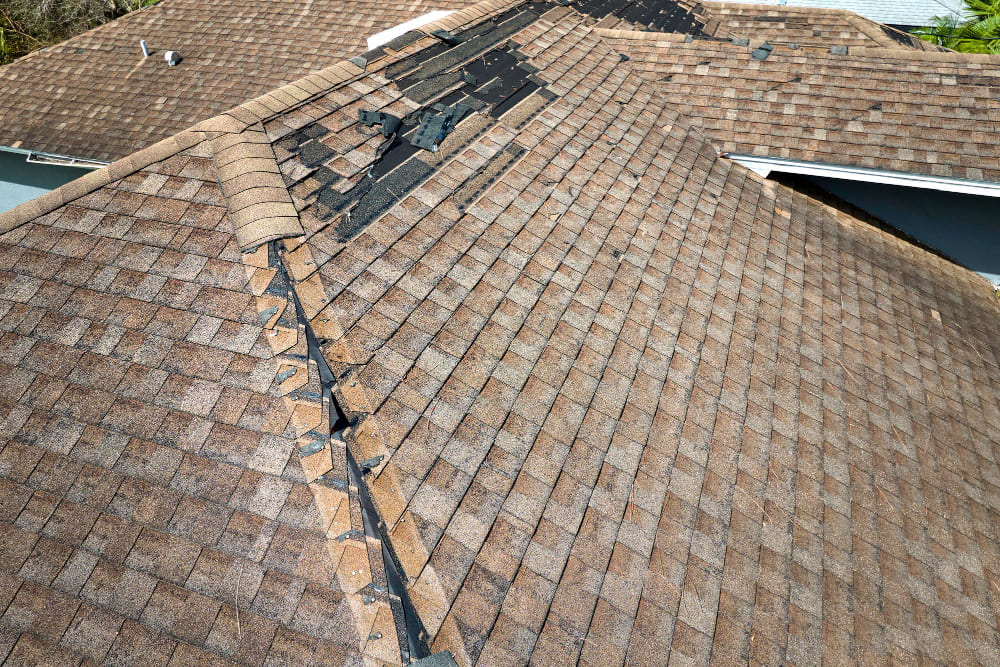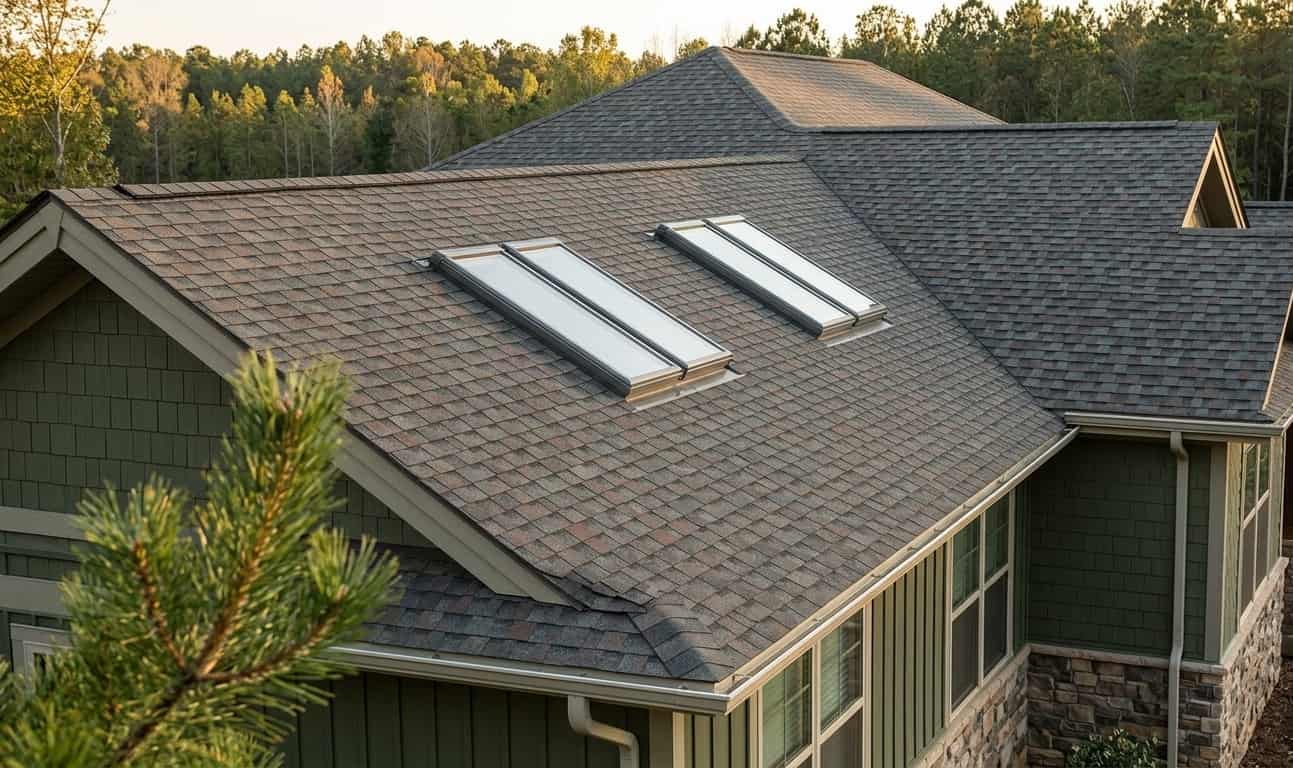
In Poughkeepsie, NY, your roofing material must handle snow loads, ice, wind-driven rain, and freeze-thaw cycles that strain weaker systems.
Stone-coated steel is usually the stronger pick if you’re prioritizing durability, storm resistance, and long-term performance. Synthetic shingles are often the better fit if you want a premium slate or shake look with lighter weight.
Here’s a breakdown of how both materials compare on durability, wind and fire ratings, maintenance, and value.
WHAT’S IN THIS GUIDE
QUICK FACTS
 Stone-coated steel is built for durability and storms. Synthetic shingles offer a premium look at a lighter weight. Roof details matter as much as the material in the Hudson Valley. Compare bids by scope, not by brand names. Start with an inspection before you choose.
What Is Stone-Coated Steel Roofing?
Stone-coated steel roofing is a metal roofing system made from steel panels or shingles that are coated with a corrosion-resistant metallic layer and finished with adhered stone granules. The result combines the structural strength of metal with the dimensional look of asphalt shingles, slate, or shake.
Because it is steel at its core, this material is engineered for structural performance. Many stone-coated steel systems are tested under recognized standards for wind uplift and fire resistance.
For example, roof coverings are evaluated under ASTM E108 fire testing methods to determine Class A, B, or C performance classifications.
Key characteristics:
- Steel core for rigidity and impact resistance
- Stone granule surface for UV protection and aesthetics
- Interlocking panel designs in many systems
- Typically has a longer projected service life than conventional asphalt shingles
What Are Synthetic Shingles?
Synthetic shingles, also called composite or polymer shingles, are engineered roofing products designed to mimic natural materials such as slate or cedar shake. They are manufactured using various polymer blends, resins, and sometimes recycled materials.
The category is broad. Performance can differ significantly depending on formulation, thickness, reinforcement, and installation method. Industry discussions emphasize that not all synthetic products perform equally, especially when compared with natural materials.
Key characteristics:
- Lightweight compared to natural slate
- Molded to replicate slate, shake, or dimensional shingles
- Polymer-based composition
- Wide aesthetic variety
Stone-Coated Steel vs. Synthetic Shingles: Head-To-Head Comparison
1. Durability and Impact Resistance
Impact resistance matters even in areas without frequent hail. Wind-blown debris during storms can damage weaker roofing systems.
Stone-coated steel:
- Steel core resists cracking
- Typically strong against debris impact
- Less prone to fracture compared to brittle materials
Synthetic shingles:
- Performance varies by formulation
- Some achieve high impact ratings
- Polymer brittleness in extreme cold can be a consideration, depending on product design
If durability is your top concern, stone-coated steel often provides a structural advantage.
2. Wind Performance
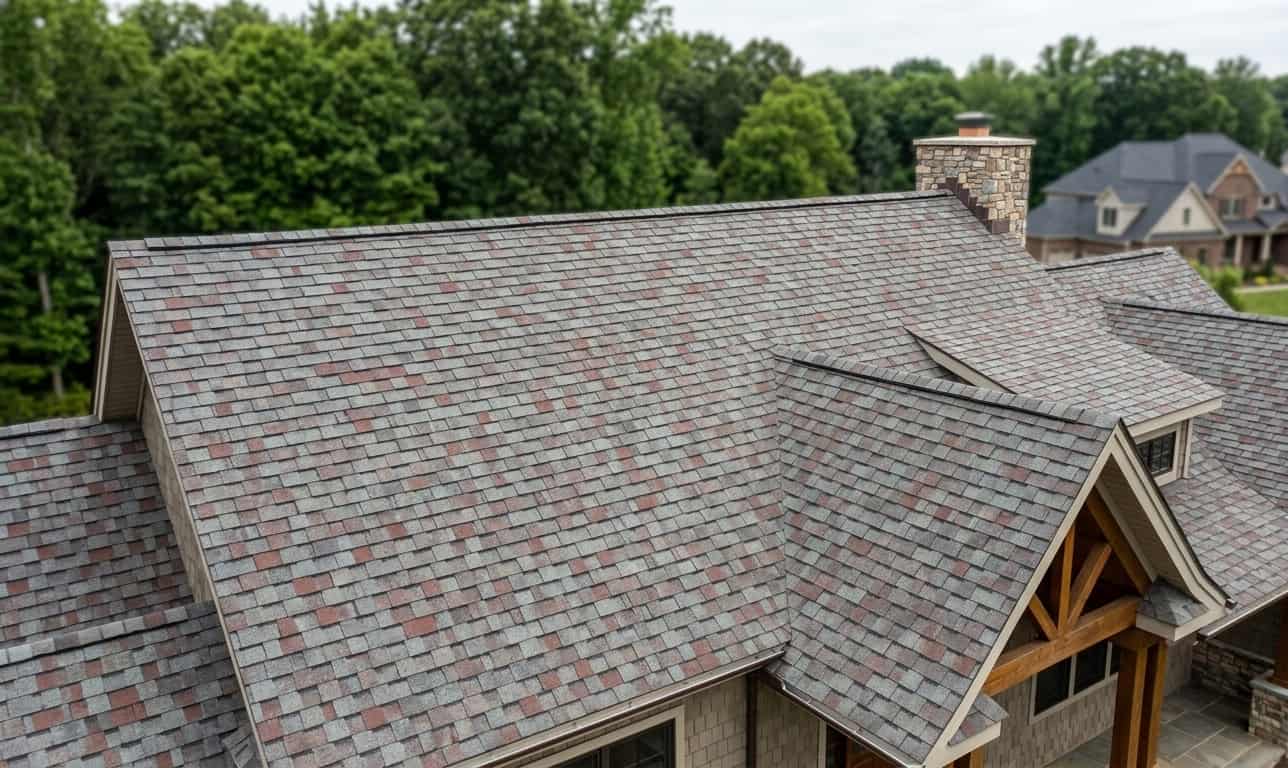
Wind resistance is commonly evaluated under standards such as ASTM D3161, which classifies asphalt shingles by wind resistance levels. Similar wind testing standards apply to other roofing products.
In high-wind events, performance depends on:
- Fastening method
- Interlocking design
- Edge detailing
- Installation accuracy
Stone-coated steel systems often use interlocking panels that mechanically secure sections together, which can enhance wind resistance when properly installed.
Synthetic shingles rely heavily on correct fastening patterns and manufacturer-specific installation requirements.
3. Fire Performance
Roof assemblies are typically evaluated under ASTM E108 fire testing procedures. A Class A rating represents the highest level of fire resistance in standard classifications.
Both stone-coated steel and many synthetic shingles can achieve Class A ratings when installed as part of a tested assembly.
Important distinction: fire ratings are based on the complete roofing system, including underlayment and deck configuration. The surface material alone does not determine final classification.
4. Weight and Structural Load
Weight affects:
- Structural framing stress
- Tear-off decisions
- Installation complexity
Stone-coated steel is generally lighter than traditional tile or slate but heavier than many synthetic shingles.
Synthetic shingles are designed to mimic slate or shake while remaining lightweight, which can reduce structural demands.
A professional inspection should confirm the decking condition and verify structural suitability before selecting either option.
5. Noise and Comfort
A common concern is that metal roofing is louder during rain. In reality, sound levels depend more on:
- Roof decking thickness
- Insulation levels
- Underlayment
- Attic design
When installed over solid decking with proper underlayment, many homeowners report no noticeable difference in interior sound levels compared to other materials.
6. Maintenance and Repair
Maintenance requirements for both systems are generally lower than for natural wood products, but still require periodic inspection.
Stone-coated steel:
- Individual panels may be replaceable depending on the system design
- Resistant to cracking and splitting
- Coating integrity should be monitored over time
Synthetic shingles:
- Damaged pieces can often be replaced individually
- Color matching may vary as products age
- UV resistance varies by formulation
7. Cost and Long-Term Value
Upfront cost varies widely depending on:
- Roof size and complexity
- Tear-off layers
- Flashing detail work
- Deck repairs
- Ventilation upgrades
Stone-coated steel roofing typically costs more upfront than standard asphalt shingles, with wide regional variation. Synthetic shingles often fall between architectural asphalt and premium metal systems, depending on brand and design.
However, lifetime value depends on:
- Projected service life
- Storm resistance
- Maintenance frequency
- Insurance considerations
- Potential resale impact
For long-term homeowners, durability may outweigh initial cost. For shorter ownership horizons, aesthetic goals and budget alignment may drive the decision.
How To Choose the Right Modern Roofing Material
Step 1: Start With Your Roof Shape and Problem Areas
Walk the exterior and identify what makes your roof difficult:
- Valleys (where two slopes meet)
- Chimneys and sidewalls (common leak points)
- Skylights, dormers, and plumbing vents
- Low-slope sections (these may require a different roofing system)
If your roof has multiple valleys and dormers, prioritize the contractor’s flashing plan and underlayment scope at least as much as the shingle type.
Step 2: Confirm the Deck and Ventilation Are in Good Shape
Before you compare products, make sure the base is sound:
- Roof decking should be dry, solid, and properly fastened
- Attic ventilation should be balanced (intake + exhaust)
- Insulation should support stable roof temperatures in winter
Ask the roofer to show you photos of any soft decking or moisture staining and include the repair scope in writing.
Step 3: Decide What You’re Protecting Against First
Different materials shine in different situations. Identify your “top risk” so you can choose performance.
Common priorities in Poughkeepsie, NY:
- Wind events and wind-driven rain
- Ice and snow cycles
- Impact from debris (branches, storm damage)
- Fire rating for peace of mind or code requirements
If you’ve had shingles lift, tabs tear, or edges peel in past storms, your priority should be wind resistance and edge detailing, not a prettier profile.
Step 4: Ask for Proof
You do not need to be a roofing expert, but you should request documentation for key performance claims.
Ask the contractor to provide:
- Fire testing classification
- Wind testing method or rating
- Impact information
If the estimate says “impact resistant” or “high wind rated,” ask for the actual rating documentation and the installation requirements needed to achieve it. Ratings often depend on how the system is installed.
Step 5: Compare Warranties the Right Way
Warranties are only useful if you understand what triggers exclusions.
When comparing stone-coated steel vs synthetic shingles, check:
- Material coverage (what failures are covered)
- Workmanship coverage (what the installer backs)
- Transferability (important if you may sell the property)
- Required components (underlayment, starter, ridge vent, fasteners)
- Required installation steps (nailing pattern, sealant use, ventilation minimums)
A long warranty is not automatically better. A shorter warranty with clearer workmanship coverage and compliant installation can be more valuable.
Step 6: Match the Material to Your Maintenance Needs
Be honest about your property conditions:
- Do you have overhanging trees that drop debris?
- Do you see moss or algae on shaded roof sections?
- Are your gutters prone to clogging?
- Do you want a roof that needs minimal attention beyond inspections?
If your roof is heavily shaded and prone to moss, plan for periodic cleaning and make sure the quote includes how they protect granule finishes and roof components during maintenance.
Step 7: Get an Estimate
Two estimates can list different materials but also hide major differences in scope. To compare fairly, make sure each bid includes the same basics:
- Tear-off plan (how many layers, disposal included)
- Decking repair allowance (or unit pricing per sheet)
- Underlayment type and coverage areas
- Ice and water protection locations (eaves, valleys, penetrations)
- All new flashing scope (chimney, step, valley, drip edge)
- Ventilation upgrades (if needed)
- Cleanup and warranty details in writing
Ask each contractor to provide a one-page scope summary so you can compare line by line. If one bid is much cheaper, it often means something critical is missing.
How To Choose the Right Roofing Contractor
Use this checklist to protect your investment:
- Verify licensing and insurance: Ask for proof of liability and workers’ compensation coverage.
- Confirm local experience: Contractors familiar with Hudson Valley weather understand snow loads, wind exposure, and ice dam risks.
- Request manufacturer certifications: These often indicate advanced training and warranty eligibility.
- Demand a written, detailed estimate: Scope should include tear-off, underlayment, flashing, ventilation, and cleanup.
- Check recent reviews and references: Look for consistency in communication and workmanship.
Frequently Asked Questions (FAQs)
Can stone-coated steel or synthetic shingles be installed in cold weather?
Yes, but winter installs require tighter controls. Some sealants and accessory components have minimum temperature requirements, and crews may adjust fastening and weatherproofing steps. Ask what temperature range they work in and how they protect the roof if the weather changes mid-project.
Do I need a permit for a roof replacement in Dutchess County or nearby towns?
Often, yes, but it depends on the town. Many municipalities require permits for full replacements and may require inspections. A reputable contractor should confirm local rules and list permit handling clearly in the written scope.
Will my homeowners' insurance premium change if I choose an impact-rated roof?
Possibly. Some insurers offer credits for certain impact or wind-rated systems, but eligibility varies by carrier, rating level, and location. Call your insurer and ask what documents they require before you choose a product.
How do these materials handle corrosion if I’m near salt exposure?
It depends on the coating system and the environment. Stone-coated steel typically uses protective metallic coatings, but warranties and maintenance requirements vary by product. Ask for the corrosion warranty terms and any required upkeep.
What should I expect for the timeline and disruption during replacement?
Many residential roofs are completed in a few days, but timing depends on size, complexity, weather, and deck repairs. Ask for a written schedule range, daily cleanup expectations, and how they handle weather delays.
Schedule a Professional Roof Evaluation and Make the Right Choice
Stone-coated steel and synthetic shingles both offer modern performance, but the right option depends on your roof structure, weather exposure, long-term plans, and budget.
If you want straightforward answers, transparent pricing, and workmanship backed by industry credentials, Lyndsey Roofing, LLC can provide a comprehensive roof assessment and help you choose the solution that fits your property and long-term goals.