QUICK FACTS
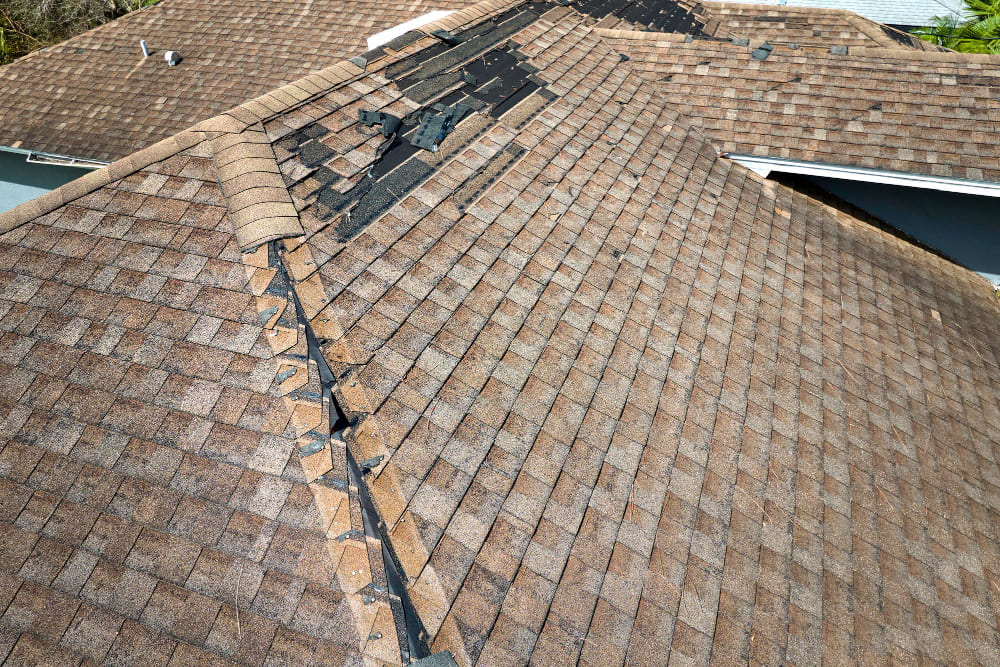
 Solar panels are typically more efficient and easier to install on an existing roof. Solar shingles offer a cleaner look because they blend directly into the roofline. Panels usually make more sense for homeowners focused on performance and practicality. Solar shingles are often a better fit for new builds or full roof replacements. The right choice depends on your roof condition, energy goals, and design preferences.
WHAT’S IN THIS GUIDE
Solar energy is becoming an increasingly common consideration for homeowners looking to improve energy efficiency and reduce reliance on traditional power sources. As solar technology evolves, homeowners now have more than one option when deciding how to add solar power to their homes.
Two of the most talked-about solutions are solar shingles and traditional solar panels. While both systems generate electricity from sunlight, they differ in design, installation, and overall functionality. Understanding how each option works can help homeowners determine which solution aligns with their home, roof structure, and long-term goals.
Here are the key differences between solar shingles and solar panels.
Solar Shingles vs Solar Panels: At a Glance
Both solar technologies serve the same core purpose: converting sunlight into electricity for your home. However, they differ in efficiency, installation methods, and overall project structure.
Cost Differences
Solar Panels
Traditional solar panels are usually the more cost-effective option for homeowners because they are installed on top of an existing roof system. Since the existing roofing materials remain in place, the project is typically simpler and less labor-intensive.
That makes solar panels a practical choice for homeowners who want strong energy performance and a more affordable path to solar. In New York, the average cost for a typical residential solar panel system was estimated at $16,632 after the federal tax credit based on 2026 market data, though that figure reflects pricing tied to when the credit was available.
Solar Shingles
Solar shingles usually require a higher upfront investment because they combine roofing material and solar technology in one system. Instead of being mounted on top of the roof, they are installed as part of the roof itself. This integrated design increases both material complexity and labor requirements, which is why the cost of solar shingles vs solar panels is generally much higher.
On average, solar shingle installation can range from about $27,360 to more than $100,000, depending on the size of the roof, the system design, and the scope of the project.
Efficiency
Solar Panels
Solar panels typically operate at efficiency levels between 20 and 22 percent. That higher efficiency allows them to convert more sunlight into usable electricity, which is especially important for homeowners who want to maximize energy production from limited roof space.
Solar Shingles
Solar shingles generally fall within the 14 to 18 percent efficiency range. While they still provide renewable energy for the home, they usually generate less electricity per square foot than traditional panels. For homeowners prioritizing output, this difference can be significant.
Appearance
Solar Panels
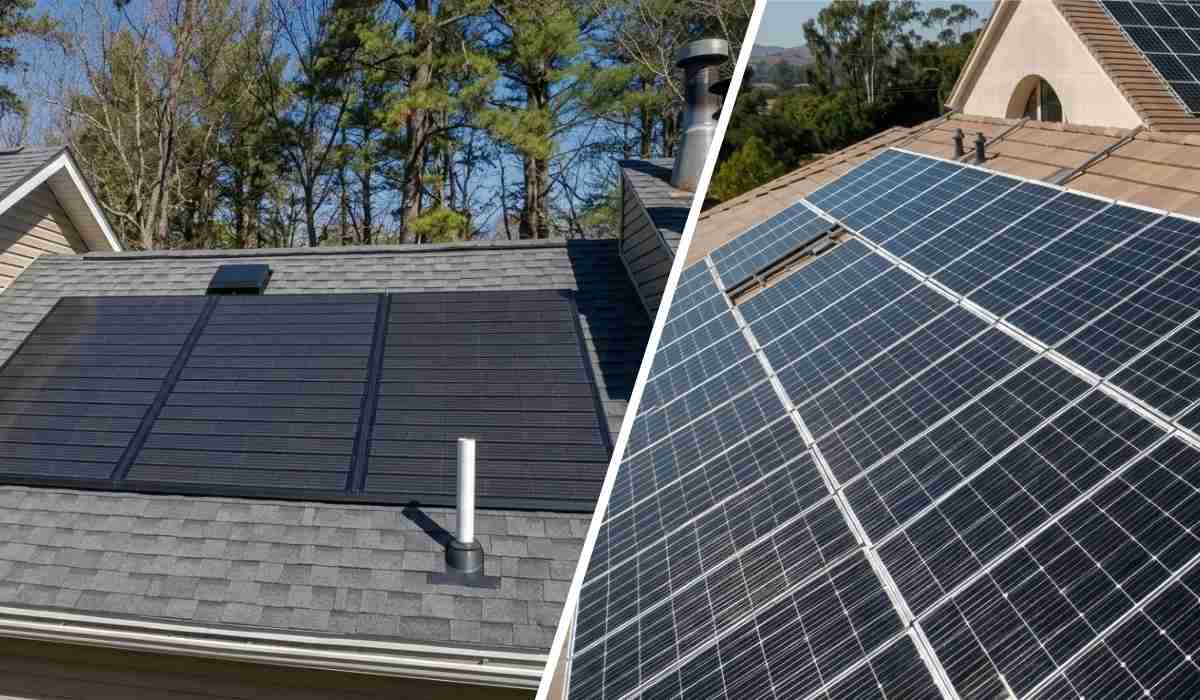
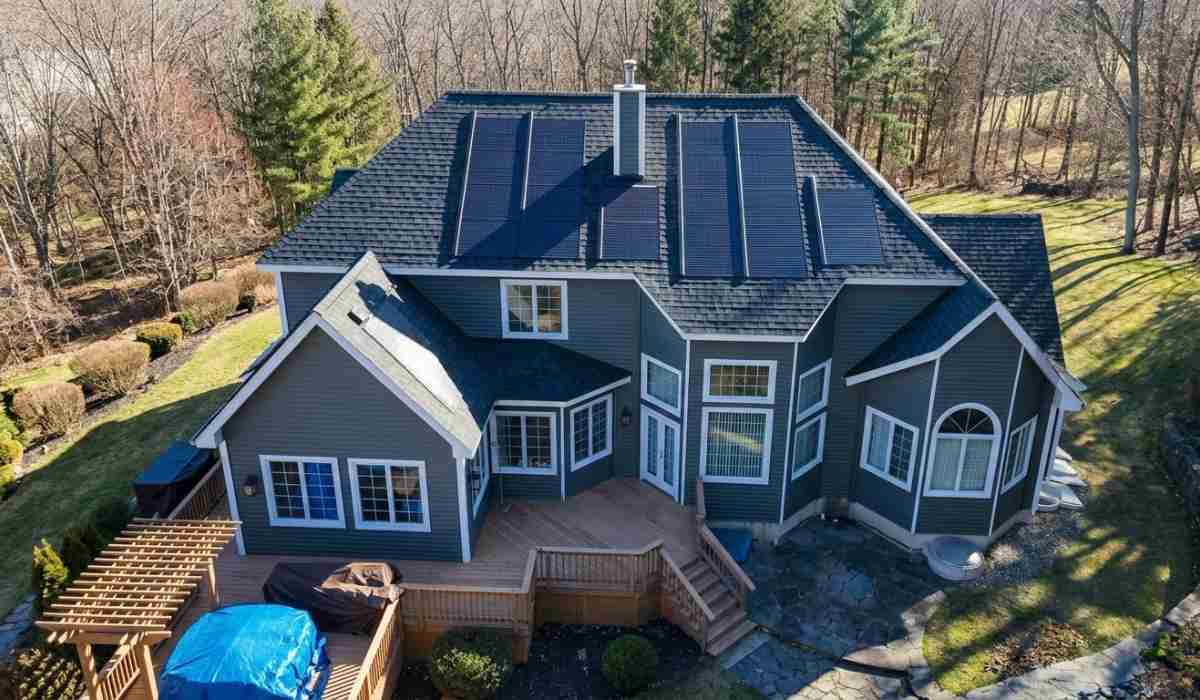
Traditional solar panels sit slightly above the roofline and remain visible from the ground. While many homeowners accept this look for the benefits of stronger performance and efficiency, the system is clearly noticeable on the home.
Solar Shingles
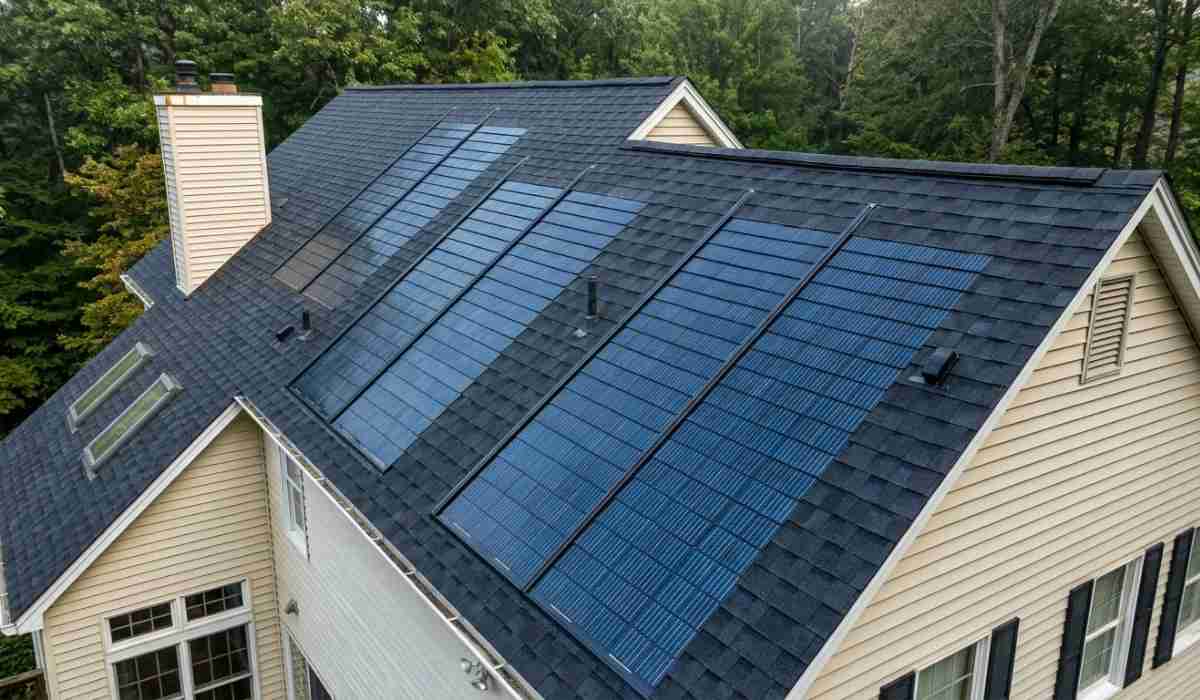
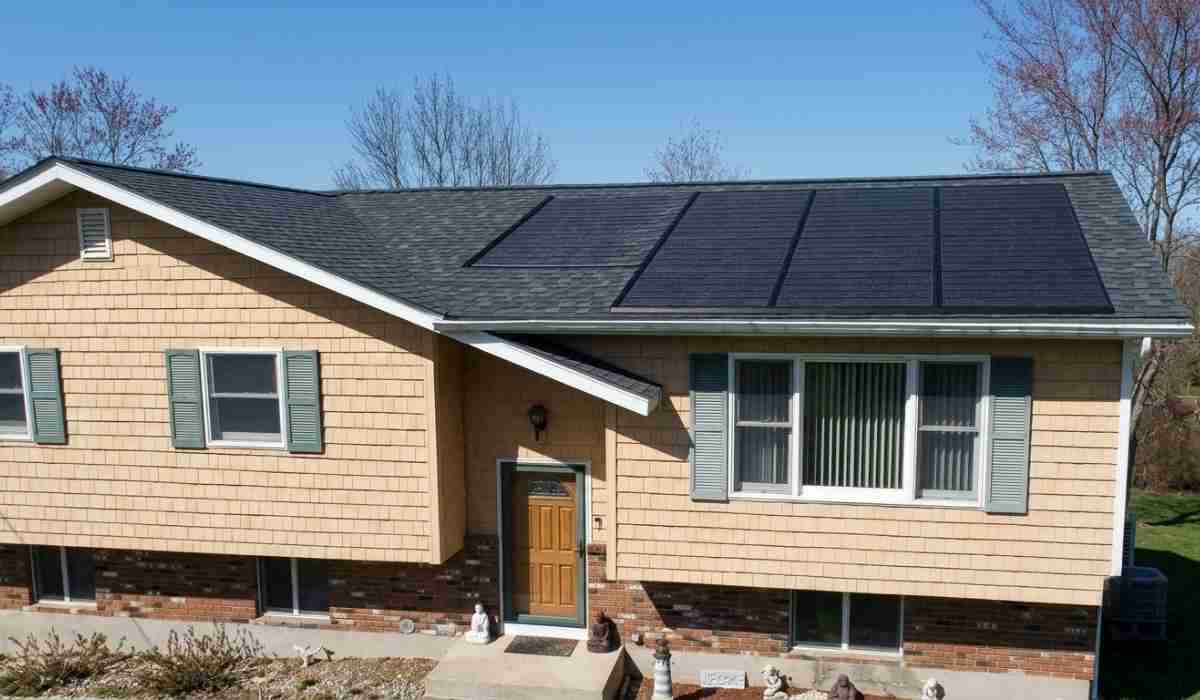
Solar shingles are designed to blend into the roof and create a more seamless appearance. Because they resemble standard roofing materials more closely, they appeal to homeowners who want solar power without changing the visual style of the home too dramatically.
Solar Shingles vs Solar Panels: Pros and Cons
Both solar shingles and solar panels can help homeowners generate renewable energy, but they differ in appearance, cost, and installation. Comparing the pros and cons of each option can help you choose the best fit for your roof and energy goals.
| Solar Shingles | Solar Panels | |
|---|---|---|
| Pros |
|
|
| Cons |
|
|
Solar Shingles
Pros
- Seamless appearance that blends into the roof
- Functions as both a roofing material and an energy generator
- Fewer roof penetrations
- Can be installed during a roof replacement
Cons
- Higher upfront cost
- Typically lower energy output per square foot
- Requires specialized installation
- Repairs can be more complex
Solar Panels
Pros
- Higher energy efficiency
- Lower upfront cost
- Flexible installation on many roof types
- Easier maintenance and replacement
Cons
- More visible on the roof
- Mounted hardware requires roof penetrations
- May require roof replacement first if the roof is aging
Solar Panel Installation vs Solar Shingle Installation
Installation is one of the biggest differences between the two systems.
How Solar Panels Are Installed
Solar panel installation is typically faster. Once permits are approved and materials are ready, most residential systems can be installed within one to three days. This shorter timeline can make the process more convenient for homeowners.
Step 1: Roof Inspection
Installers inspect the roof structure, sun exposure, and shading conditions to confirm the home is a good fit for solar panels. This step also helps identify whether the roof is in good enough condition to support a long-term solar system.
Step 2: Mounting System Installation
A metal racking system is attached to the roof framing to hold the panels securely in place. The mounting system is positioned to support both safety and optimal panel performance.
Step 3: Panel Placement
The solar panels are secured to the racking system and arranged to capture as much sunlight as possible. Their placement depends on roof layout, angle, and available sun exposure.
Step 4: Electrical Connections
Wiring connects the panels to an inverter and the home’s electrical system so the electricity they produce can be used inside the home. This stage is essential for turning solar energy into usable household power.
Step 5: System Testing
Once installation is complete, technicians test the system to make sure it is working properly and producing electricity as expected. For most homes, the full panel installation process takes about one to three days.
How Solar Shingles Are Installed
Solar shingles usually take longer to install because the process includes removing the old roof and rebuilding the surface with integrated solar components. In many cases, installation takes around five to seven days, depending on the size and complexity of the roof.
Step 1: Roof Removal
Existing roofing materials are removed to expose the roof deck before installation begins. This is necessary because solar shingles are installed as part of the roof itself rather than on top of it.
Step 2: Deck Preparation
The roof deck is inspected for damage and prepared to support the new roofing system. Contractors also make sure the surface is ready for proper installation and weather protection.
Step 3: Solar Shingle Placement
Solar shingles are installed directly onto the roof structure, often alongside standard roofing materials, depending on the system design. This creates a roof surface that both protects the home and generates electricity.
Step 4: Electrical Wiring Integration
The shingles are wired together and connected to the home’s inverter and electrical system. This allows the solar roofing system to send usable power into the home.
Step 5: Final System Testing
After installation, the system is inspected and tested before it is activated. Because the project involves rebuilding part or all of the roof surface, installation usually takes longer than a standard solar panel project.
Which Option Is Better for Your Home?
Both systems can provide clean energy for a home, but the right choice depends on your roof condition and long-term plans.
Choose Solar Panels If
- Your roof is relatively new and does not need replacement.
- You want higher electricity production.
- You want the strongest return on investment.
- You prefer a faster installation process.
Panels remain the most common option because they provide efficient energy production without requiring a full roof replacement.
Choose Solar Shingles If
- You are building a new home.
- Your roof already needs replacement.
- You want a clean roof design without visible panels.
- Your neighborhood has strict design or HOA requirements.
In these situations, the integrated design may justify the higher solar roof cost since the roofing and solar system are installed together.
Factors Homeowners Should Consider Before Choosing Solar
Before choosing a solar system, homeowners should consider a few key factors that affect cost, performance, and installation. These details can help determine the best fit for the home and energy goals.
Roof Condition
Before installing solar equipment, homeowners should assess the condition of their roof. If a roof needs replacement soon, installing solar shingles during that project may make more sense.
Energy Production Goals
Some homeowners want to offset a large portion of their electricity use. In those cases, higher efficiency systems may be more effective.
Home Appearance
Aesthetic preferences matter. Some homeowners prefer the visible look of panels, while others prefer a seamless roof design.
Installation Timeline
Solar panel systems can often be installed quickly once permits are approved. Integrated solar roofing projects take longer because they involve structural roofing work.
Long Term Flexibility
Traditional panels allow easier upgrades, repairs, or expansion of the system in the future.
Frequently Asked Questions
Are solar shingles as efficient as solar panels?
No. Solar panels typically produce more electricity because they operate at higher efficiency levels.
Can any roof support solar panels?
Most roofs can support solar systems, but factors such as roof angle, orientation, shading, and structural condition affect performance.
Do solar shingles replace traditional roofing materials?
Yes. Solar shingles function as both a roofing material and solar energy equipment.
How long do solar systems last?
Most solar equipment is designed to last twenty-five to thirty years or longer when properly maintained.
Do homeowners need a new roof before installing solar panels?
Not always. However, if the roof is nearing the end of its lifespan, replacement may be recommended before installing solar equipment.
Ready to Explore Solar Options for Your Roof?
Choosing between solar panels and solar roofing systems depends on your home’s roof condition, energy goals, and design preferences. Solar panels remain the most efficient and widely used option, while integrated systems offer a clean architectural appearance for new construction or full roof replacements.
If you are considering solar compatibility during a roofing project or planning a roof replacement, a professional roofing contractor can help evaluate your roof and discuss the best options for your home. At Lyndsey Roofing, LLC, we work with homeowners in the Poughkeepsie area to assess roofing systems and help prepare homes for long-term energy solutions.
Contact us for your roofing needs!