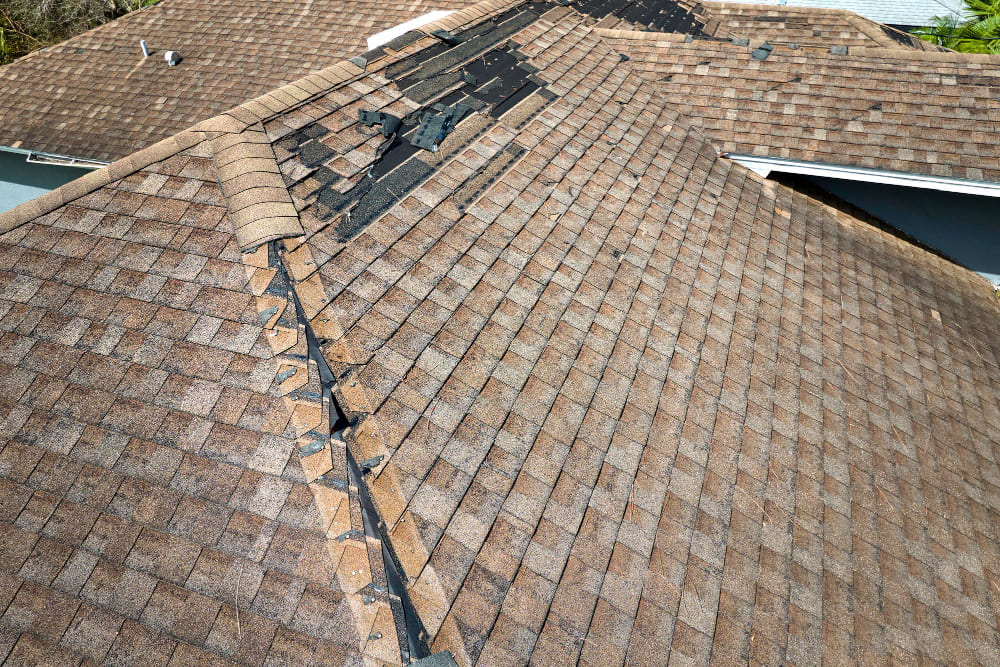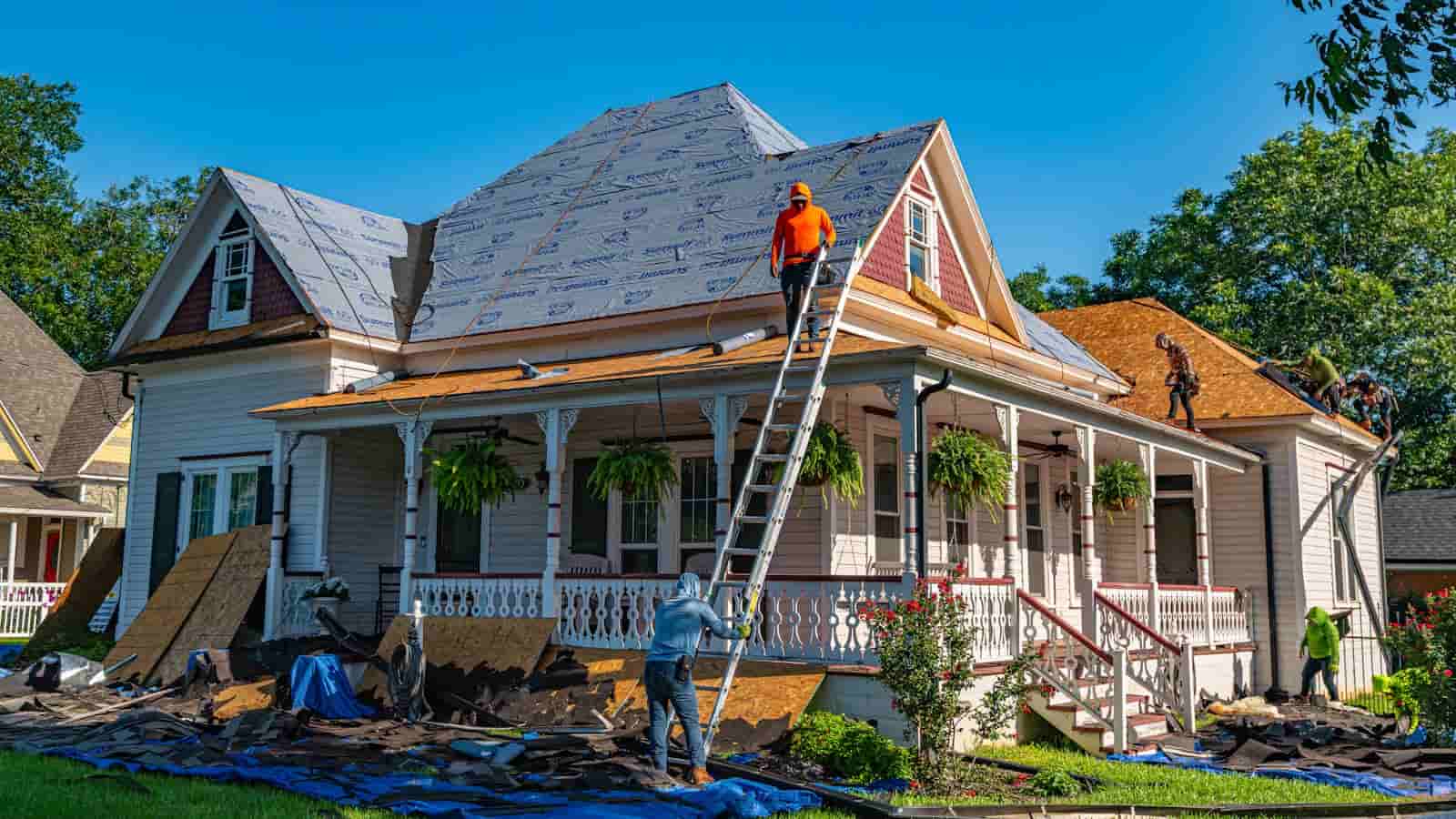
Most people think an aging roof comes down to one simple question: repair it or replace it. In reality, there is another option that often enters the conversation, and that is reroofing.
A full roof replacement removes all old materials and installs a completely new roofing system. Reroofing is a layover that adds a new layer of shingles over the existing roof.
Understanding when each option makes sense can help you avoid costly mistakes and choose the right solution for your property.
WHAT’S IN THIS GUIDE
- What Is Reroofing?
- What Is a Full Roof Replacement?
- Full Roof Replacement vs Reroofing: The Core Differences
- How Roof Type and Building Use Can Affect Your Options
- How To Decide Between Reroofing and Full Roof Replacement
- Is Roof Repair a Capital Improvement?
- What To Look for in a Roofing Contractor
- Frequently Asked Questions (FAQs)
- Schedule a Roof Inspection and Get the Right Solution
QUICK FACTS
- Full roof replacement installs a new system from the deck up.
- Reroofing adds a new layer over the existing roof.
- Widespread damage usually calls for full replacement.
- Reroofing costs less upfront.
- The right choice starts with a professional inspection.
What Is Reroofing?
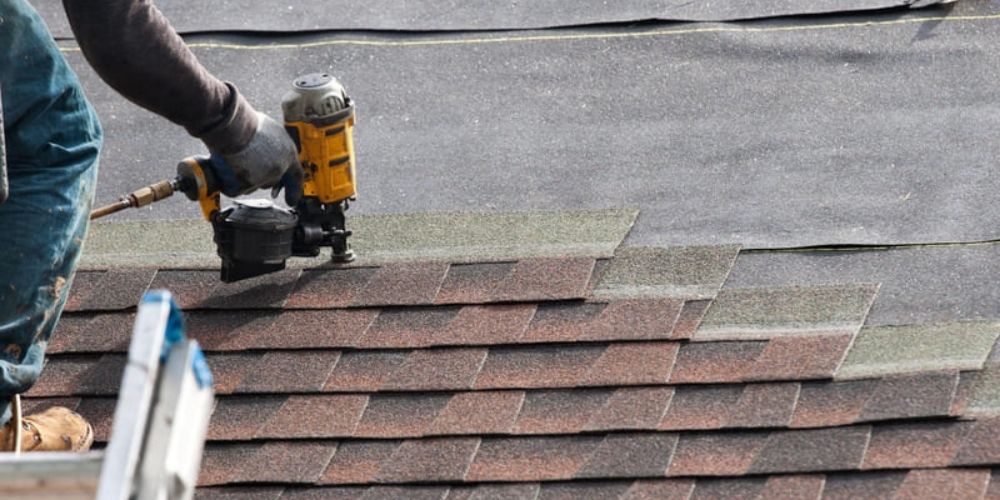
Reroofing, sometimes called a roof recover or layover, means installing a new roof covering over an existing one without removing the old materials first. It is a new outer layer placed on top of the current roof rather than a full tear-off.
When Reroofing Is Typically Allowed
Reroofing is not suitable for every roof. Most building codes limit roofing systems to a maximum of two layers, which means a new roof covering can usually only be installed when there is a single existing layer in place.
Key conditions that usually need to be true:
- The roof has only one existing layer
- The roof deck and supporting structure are still sound
- Damage is mostly cosmetic or localized, not widespread
- There is no major trapped moisture problem beneath the shingles
- The new product can be installed according to the code and manufacturer’s instructions
What Reroofing Does Not Solve
A layover can cover up visible aging, but it does not automatically correct hidden roof-deck deterioration, water intrusion paths, or ventilation weaknesses.
Problems reroofing may leave in place:
- Soft or rotted decking
- Leaks caused by flashing failures
- Moisture trapped below the shingles
- Ventilation issues that shorten roof life
- Structural sagging or attachment weaknesses
What Is a Full Roof Replacement?
A full roof replacement removes the old roofing materials so the deck can be inspected before a new system is installed. This gives the contractor access to the parts of the roof that often determine long-term performance.
What a Full Replacement Usually Includes
A full replacement starts with tearing off the old roof covering, then checking the deck and related components for damage before new materials go on.
Common components of a full roof replacement:
- Removal of existing shingles or other roof coverings
- Inspection of the roof deck
- Replacement of damaged sheathing or wood as needed
- Installation of new underlayment
- Flashing updates around penetrations and transitions
- Installation of a new roof covering
- Ventilation improvements when needed
How Replacement Supports Performance Upgrades
A full replacement may also make it easier to upgrade the roof system for energy performance, especially when new materials are selected with reflectivity and heat gain in mind. For example, cool roofs reflect more sunlight and absorb less solar energy than conventional roofs.
Why owners often choose full replacement:
- It exposes hidden damage instead of covering it
- It gives the roof a cleaner starting point
- It supports better long-term durability
- It creates room for code-compliant upgrades
- It may improve energy performance with modern materials
Full Roof Replacement vs Reroofing: The Core Differences
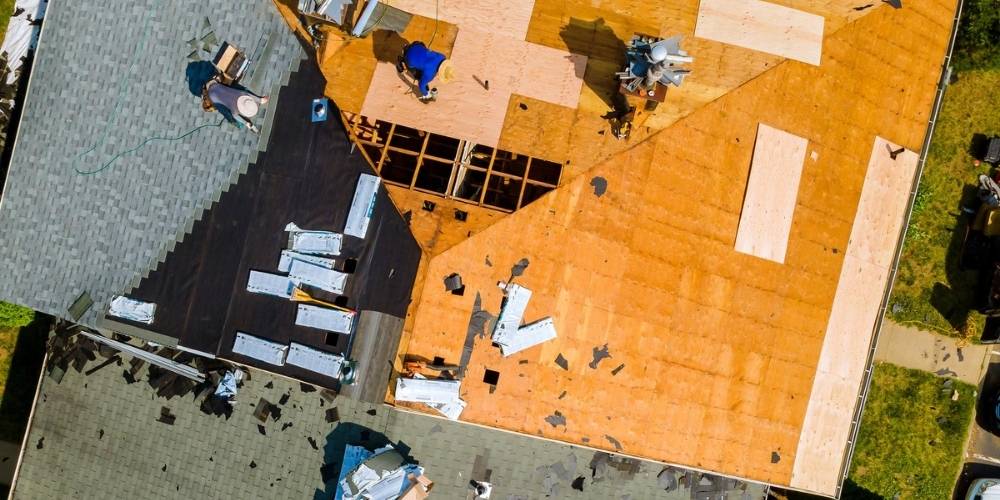
Choosing between reroofing and full roof replacement comes down to how much of the existing roof needs to be addressed. This side-by-side comparison shows the key differences.
|
Category |
Reroofing |
Full Roof Replacement |
|
Scope |
Adds a new layer over the existing roof |
Removes old materials and rebuilds the entire system |
|
Cost |
Lower upfront cost |
Higher upfront investment but stronger long-term value |
|
Inspection Access |
Limited visibility into underlying damage |
Full access to inspect and repair the roof deck |
|
Lifespan |
Extends roof life temporarily |
Provides a longer-lasting, more durable solution |
|
Best Use Case |
Minor wear with no structural issues |
Aging roofs, leaks, storm damage, or multiple roof layers |
How Roof Type and Building Use Can Affect Your Options
The right choice is not based on surface wear alone. Roof design, material, and building use can all affect whether reroofing is practical or whether full replacement makes more sense.
Residential Shingle Roofs Are Usually More Straightforward
In many homes, the decision is easier to evaluate because the roof system is simpler and damage is easier to spot.
- Asphalt shingles are the most common reroofing candidate
- Complex rooflines can hide problem areas
- Valleys and penetrations raise leak risk
Commercial and Low-Slope Roofs Often Need a Closer Look
Commercial roofs usually involve different materials and drainage patterns, so the decision is often less simple.
- Low-slope roofs rely heavily on drainage
- Wet insulation may sit below the surface
- Membrane condition affects recover options
- Commercial roofing contractors often assess system performance first
Building Use Can Shape the Best Choice
The way a building is used can also influence which option makes more sense.
- Retail spaces may need less disruption
- Multifamily buildings may need a lower leak risk
- Long-term owners may prioritize durability
- Short-term owners may focus more on cost
Similar Wear Does Not Always Mean the Same Solution
Two roofs can look similar from the outside and still need different work.
- One may qualify for reroofing
- Another may need full replacement
- Layout, material, and use all matter
How To Decide Between Reroofing and Full Roof Replacement
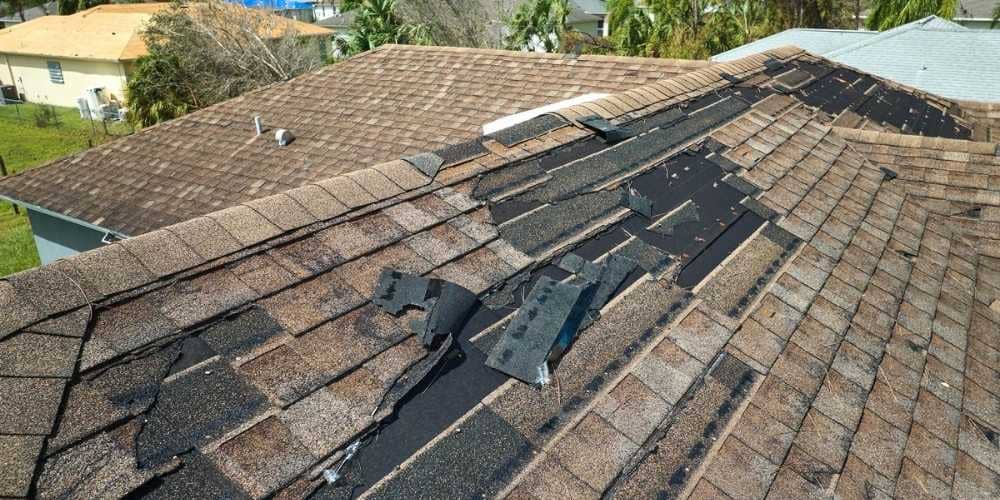
The right choice depends on the roof’s condition, how extensive the damage is, and what kind of result you want from the project. These steps can help you evaluate the right path before moving forward.
Step 1: Look at the Roof’s Age and Repair History
Start with the big picture. If the roof is relatively old and has already needed multiple repairs, a full replacement is often the more practical long-term choice.
- A newer roof with limited wear may still be a candidate for reroofing
- An older roof with repeated patch jobs usually points toward replacement
Frequent leaks are a sign that the issue may go beyond the surface layer.
Step 2: Check Whether the Problem Is Isolated or Widespread
Next, look at how much of the roof is affected. Small, localized wear is different from damage spread across large sections.
- A few worn areas may support a reroofing discussion
- Damage across multiple slopes usually leans toward replacement
- Widespread shingle loss, cracking, or deterioration is a red flag
Step 3: Look for Signs of Roof System Failure
This step is about visible warning signs. When the roof system is showing failure, covering it is usually not the best move.
- Recurring leaks
- Interior water stains
- Sagging sections
- Soft spots
- Mold or moisture-related issues
Step 4: Think About How Long You Need the Solution To Last
The right choice also depends on your goal. Some owners want the lowest upfront cost. Others want the longest service life and fewer future problems.
- Choose reroofing when the roof is still sound, and the goal is a lower-cost refresh
- Choose replacement when you want a longer-lasting solution with fewer unknowns
If you plan to keep the property for years, replacement may offer better value over time
Step 5: Get a Roof Inspection
A professional inspection helps confirm whether the roof only has surface wear or whether the system has deeper issues. That is the best way to avoid choosing a cheaper option that does not actually solve the problem.
For larger properties, experienced commercial roofing contractors can help assess more complex roofing systems.
Is Roof Repair a Capital Improvement?
Not all roof work is treated the same. The key difference is whether the work maintains the property or materially improves it.
What Counts as a Repair
Repairs are meant to keep the roof in normal working condition. They fix specific issues without extending the overall life of the roof in a major way.
- Replacing a few damaged shingles
- Fixing a small leak
- Patching flashing around vents or chimneys
- Minor maintenance after a storm
When Is a New Roof a Capital Improvement?
A new roof is considered a capital improvement when it restores a major structural component of the property. The IRS specifically notes that replacing an entire roof is considered a restoration of a major component and is typically capitalized rather than deducted as a repair.
Roof work becomes a capital improvement when it significantly restores, upgrades, or extends the life of the structure.
- Replacing large sections of the roof
- Rebuilding structural components
- Upgrading materials for better performance
- Extending the roof’s useful life beyond its original condition
What To Look for in a Roofing Contractor
The right contractor should help you choose the right solution, not just sell you a service. Look for these basics before moving forward:
- Experience with both reroofing and full replacement
- A clear inspection process
- Knowledge of local codes and permits
- Honest guidance on whether reroofing is appropriate
- Detailed written estimates
- Proper licensing and insurance
- Familiarity with residential and commercial roofing systems
- Strong local reviews and past project examples
Frequently Asked Questions (FAQs)
Does reroofing affect home insurance or property coverage?
It can. Some insurers may look at the age of the underlying roof, the number of layers, and the overall condition of the system when evaluating coverage, renewals, or claims. It is smart to ask your insurer how a layover could affect your policy before choosing reroofing.
Can reroofing change how a roof looks from the street?
Yes. A new layer can improve curb appeal, but it may not create as clean or uniform a look as a full replacement if the underlying roof has uneven areas. The final appearance depends on the condition of the existing surface.
Do all roofing materials allow reroofing?
No. Reroofing is most often discussed with asphalt shingles, but material type matters. Some roofing systems and product warranties require a full tear-off instead of an overlay.
Will a full roof replacement take longer than reroofing?
Usually yes. A full replacement involves tear-off, deck inspection, and any needed repairs before installation begins. Reroofing is typically faster because it skips the tear-off stage.
Should you get more than one roofing estimate?
Yes. Comparing estimates helps you understand whether contractors agree on the roof’s condition, the recommended scope, and the long-term value of each option. It also makes it easier to spot vague pricing or missing work items.
Schedule a Roof Inspection and Get the Right Solution
Choosing between reroofing and full roof replacement starts with understanding what your roof actually needs.
The best next step is a professional evaluation from a local roofing professional in Poughkeepsie, NY. Lyndsey Roofing, LLC helps property owners determine whether reroofing is a viable option or whether full replacement is the better long-term investment.
Contact us today for an inspection.