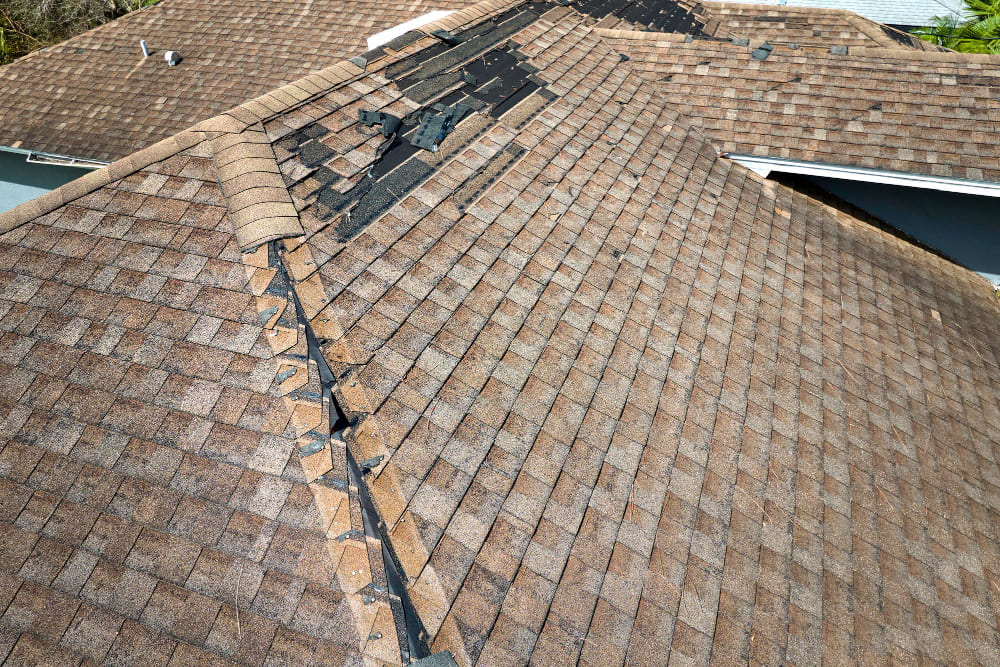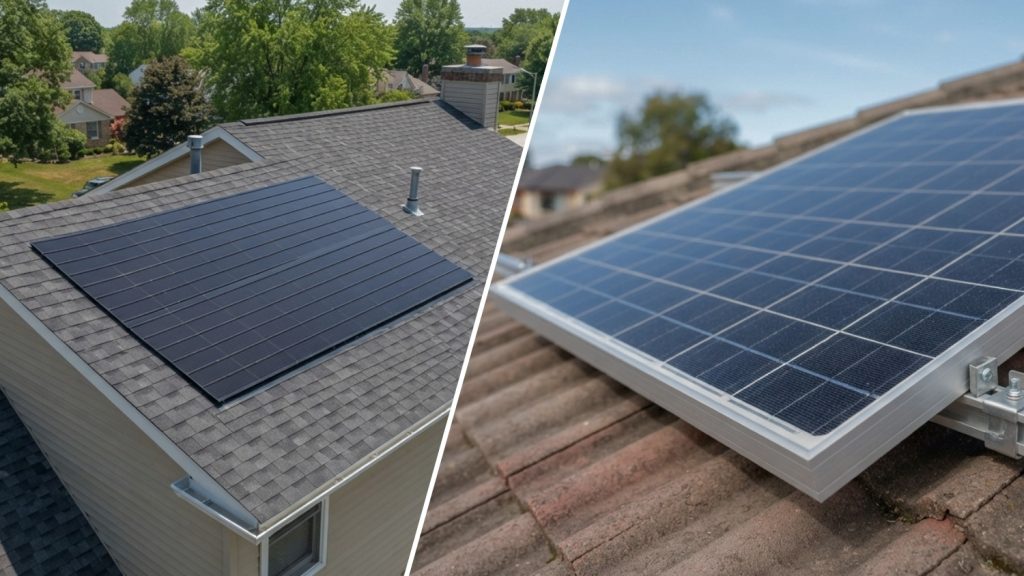
If you're planning a roof replacement and solar energy is on your radar, you have likely run into the same fork in the road: solar shingles or solar panels? Both convert sunlight into electricity. Both can reduce your utility bill. But they are not the same product, they don't suit the same situations, and choosing the wrong one at the wrong time can cost more than expected.
For homeowners considering roof replacement with solar panels in Poughkeepsie, Dutchess County, or the surrounding Hudson Valley, the smartest decision starts with the roof itself.
What’s In This Guide
- What Are Solar Shingles and How Do They Work?
- How Traditional Solar Panels Are Installed on a Roof
- Appearance and Curb Appeal
- Solar Roof Cost: What the Numbers Actually Mean
- Energy Output: Where Panels Still Have the Edge
- Installation Timing and Roof Condition
- How to Decide Which Solar Option Is Right for Your Home
- The Scenarios Where Solar Shingles Are the Stronger Choice
- When Traditional Solar Panels Are the Better Investment
- Frequently Asked Questions
- Ready to Explore Solar Roofing in the Hudson Valley? Start With a Roof Assessment
Quick Facts
- Solar shingles are integrated into the roofing system.
- Traditional panels outperform shingles on energy output per dollar.
- The solar roof cost gap narrows when replacement is already planned.
- The federal Residential Clean Energy Credit applied to qualifying systems.
- Roof condition and installation timing are the most important variables.
What Are Solar Shingles and How Do They Work?
Solar shingles, also known as building-integrated photovoltaics, or BIPV, are roofing materials with photovoltaic cells built into them. Unlike traditional solar panels, they don’t sit on top of your roof. They replace your roofing material entirely, functioning as both the weather barrier and the energy-generating layer in a single product.
BIPV systems are designed to perform the dual function of building envelope components and power generators, making them a fundamentally different category from conventional panel installations.
GAF Energy Timberline Solar™ shingles are designed to integrate with standard asphalt roofing materials and are installed by certified roofing contractors using roofing-based installation methods.
That detail matters. Solar shingles are a roofing product first, and an energy system second. That framing shapes everything about how you should evaluate them.
How Traditional Solar Panels Are Installed on a Roof
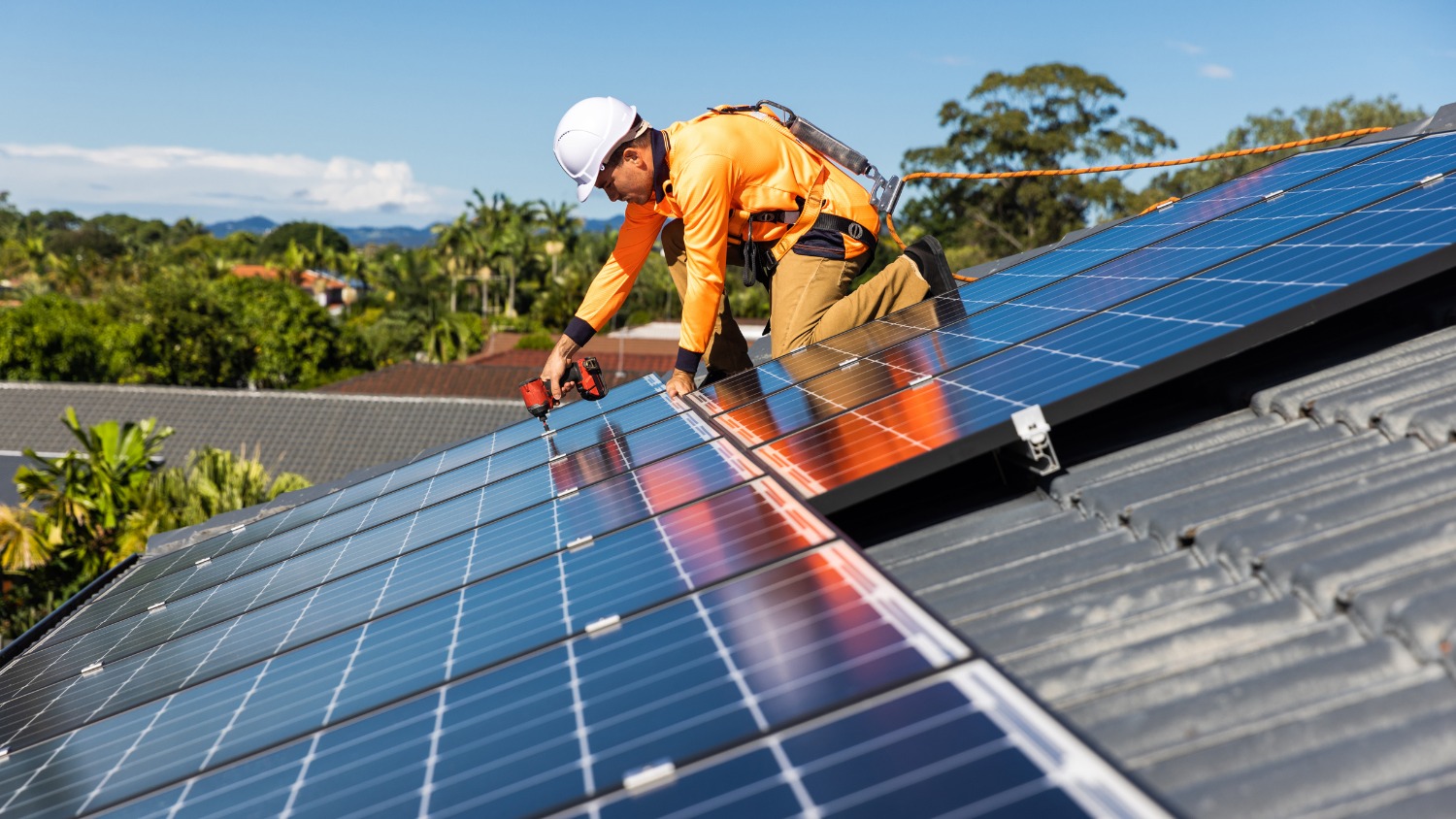
Traditional solar panels are mounted on racking systems installed over an existing roof. They do not replace shingles or roofing material. Instead, they are attached above the roof surface and connected to the home’s electrical system.
Because panels are installed over an existing roof, the condition and remaining lifespan of that roof matter significantly. A roof with less than five to seven years of service life is a poor candidate for a new panel installation. Removing and reinstalling an array during a future re-roofing project adds labor, cost, and scheduling complexity to both scopes of work.
The core distinction to carry into the comparison below: panels work on top of your existing roof. Solar shingles become part of the new roofing system.
|
Category |
Solar Shingles |
Solar Panels |
|
Appearance |
Flush, integrated, low-profile |
Visible rack-mounted arrays |
|
Installation type |
Combined roof + solar project |
Solar-only add-on |
|
Best timing |
During roof replacement |
Existing roof in good condition |
|
Upfront cost |
Higher |
Lower |
|
Energy output per sq. ft. |
Moderate |
Higher |
|
Warranty structure |
Combined roofing + energy warranty |
Separate warranties |
Appearance and Curb Appeal
Solar shingles sit flush with the roofline and are nearly indistinguishable from architectural asphalt shingles at street level. For homeowners in neighborhoods with HOA design guidelines, historically significant streetscapes, or a preference for a cleaner look, shingles offer an aesthetic that rack-mounted panel systems cannot match.
Panels are visible and angular, and depending on roof pitch and orientation, they can interrupt the visual character of the home in ways that some communities or homeowners find objectionable.
Solar Roof Cost: What the Numbers Actually Mean
Solar shingles carry a higher upfront cost than a comparable panel installation when evaluated purely as a solar project. But that comparison is incomplete if a roof replacement is already in your plans.
When a new roof is needed anyway, the cost equation shifts considerably. A solar shingle installation replaces the roofing material entirely. You are not funding a roof replacement and a solar installation as two separate projects. You are funding one integrated system.
The Residential Clean Energy Credit covered 30% of the cost of new, qualified clean energy property installed in your home between 2022 and December 31, 2025. The credit does not apply to any property placed in service after that date. Consult a tax professional to confirm which components of your installation qualify.
MORE ON THIS TOPIC: How Much Do Solar Shingles Cost?
Energy Output: Where Panels Still Have the Edge
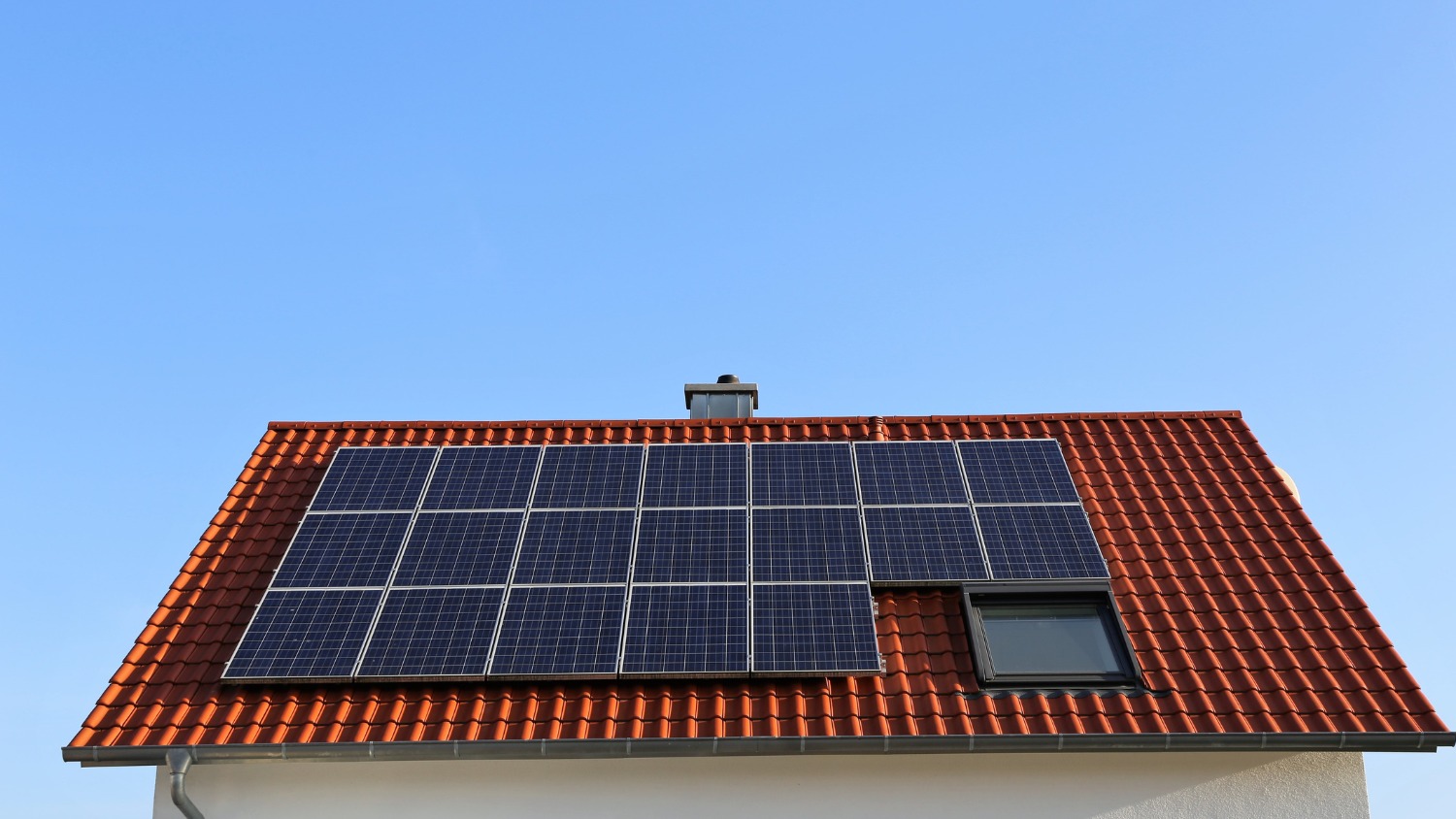
Traditional solar panels currently outperform solar shingles in watts generated per square foot of roof area. Panel efficiency typically ranges from 20% to 22%, while solar shingle efficiency ratings, though improving, generally run lower depending on the manufacturer and product line.
For homeowners whose primary goal is maximizing energy generation, particularly those with limited south-facing roof exposure, panels deliver more output per dollar. Solar shingles partially close that performance gap when paired with home battery storage, which captures surplus daytime generation for use during evening hours.
Installation Timing and Roof Condition
This is the most consequential variable in the entire decision. If your roof is 15 years old or older, showing visible wear, leaking, or already scheduled for replacement, solar shingles deserve serious consideration.
Avoiding a future panel removal and reinstallation during a re-roofing project is a real financial advantage. If your roof has a solid 10-plus years of service life remaining, installing traditional panels is likely the more cost-efficient path. Pulling panels early for a re-roofing project adds unnecessary expense to both scopes of work.
How to Decide Which Solar Option Is Right for Your Home
Working through these five steps will clarify the right direction for most homeowners.
Step 1: Evaluate Your Roof’s Current Age and Condition
A roof approaching the end of its serviceable life changes the cost comparison entirely. This is the single most important variable in the decision, and it is the one most homeowners overlook when they start researching solar.
What to look for before going solar:
- Age: Most asphalt shingle roofs have a serviceable lifespan of 20 to 30 years. If your roof is 15 years or older, a professional assessment is essential before committing to any solar installation.
- Visible wear: Curling or buckling shingles, granule loss in gutters, or visible sagging are signs that replacement may be closer than expected.
- Leak history: A roof with recurring leak issues is a poor foundation for either solar system. Addressing the underlying roofing problem first protects the solar investment above it.
- Decking condition: If the roof decking has moisture damage or soft spots, it will need to be addressed during any re-roofing project, regardless of which solar path you choose.
Step 2: Identify Your Primary Goal
Not every homeowner comes to this decision with the same priority. Being honest about what matters most to you narrows the field quickly.
Match your goal to the right product:
- Maximum energy output per dollar: Traditional panels are the stronger performer here. They generate more watts per square foot and carry a lower cost per watt installed, making them the more efficient choice when energy production is the primary objective.
- Seamless aesthetics or HOA compliance: Solar shingles integrate directly into the roofline with no visible racking hardware. For homeowners in communities with strict design guidelines, or those who simply want a cleaner look, shingles are often the only viable solar option.
- Single-project simplicity: If you are already planning a roof replacement, combining the roofing and solar scope into one project under one contractor eliminates the scheduling complexity and redundant labor costs of treating them as separate jobs.
- New construction: Solar shingles are particularly well-suited to new builds where no existing roofing material needs to be removed, and the installation can be planned from the start.
Step 3: Confirm Roof Orientation and Structural Suitability
A roof’s physical characteristics determine whether either solar system can perform as expected. Neither product delivers results on a roof that is not solar-ready.
Key suitability factors to verify:
- Roof orientation: South-facing roof planes receive the most direct sunlight throughout the day in the Northern Hemisphere. Southeast and southwest orientations are workable but produce less output. North-facing sections are not viable for solar.
- Shading: Even partial shading from trees, chimneys, dormers, or neighboring structures can meaningfully reduce solar output. A contractor should evaluate shading patterns across different times of day and seasons, not just during a single midday site visit.
- Roof pitch: Both systems perform best within a specific pitch range. Very low or very steep roof angles can affect both installation feasibility and annual energy yield.
- Structural integrity: Solar systems add weight to the roof structure. A certified roofing contractor should confirm that the existing framing can support the added load before any system is specified or purchased.
The Scenarios Where Solar Shingles Are the Stronger Choice
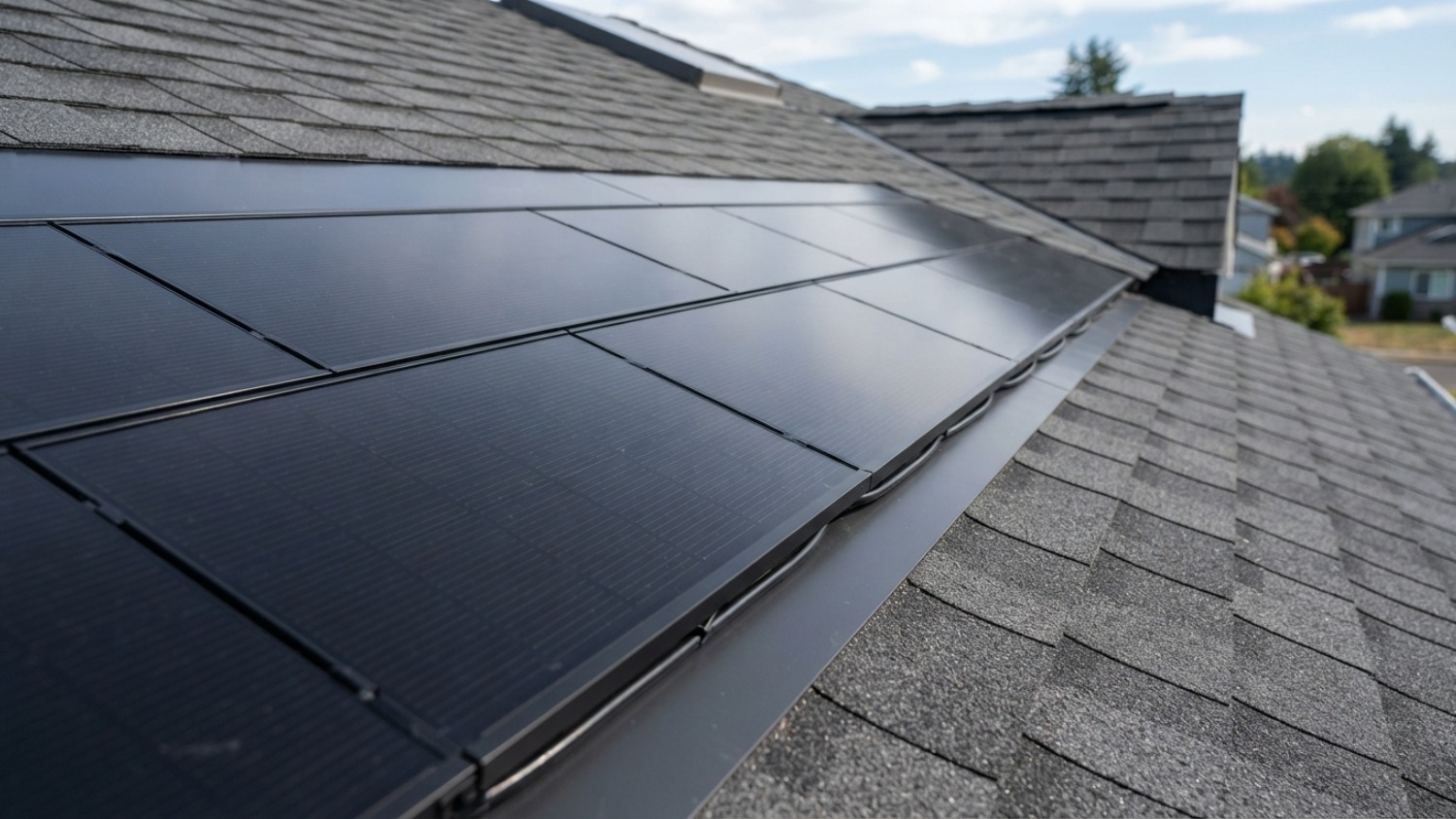
Solar shingles make practical, financial sense in the following situations:
-
- Your roof is at or near the end of its lifespan, and replacement is already planned
- You are building a new construction where no roofing system has been installed yet
- HOA rules or neighborhood design standards restrict visible panel installations
- Aesthetics matter, and you want a seamless, low-profile roofline
- You prefer a single contractor managing both the roofing and energy scope under one project
When Traditional Solar Panels Are the Better Investment
Panels are the more cost-efficient choice when:
-
- Your existing roof has 10 or more years of service life remaining
- Maximizing energy generation per dollar is the top priority
- Budget constraints make the higher upfront cost of solar shingles impractical
- You plan to sell the property within a few years
Frequently Asked Questions
Are solar shingles as durable as regular roofing shingles?
Solar shingles from established manufacturers are engineered as part of a roofing system and may include warranty coverage for both roofing performance and energy output.
Do solar shingles qualify for the federal tax credit?
For systems placed in service after December 31, 2025, no. The federal Residential Clean Energy Credit is no longer available for qualifying residential solar property placed in service after that date. Consult a tax professional if your system was completed before the deadline.
Can solar shingles be installed on any roof?
Not every roof configuration is suitable. South-facing orientation, minimal shading, and structural integrity are all prerequisites. A certified roofing contractor should evaluate the roof before any solar installation is specified or scheduled.
What happens to existing solar panels when I need a new roof?
The entire panel array must be removed before re-roofing begins and reinstalled once the new roof is complete. This adds labor, cost, and project coordination to what would otherwise be a straightforward re-roofing job. It is one of the strongest practical arguments for choosing solar shingles when replacement is already due.
How long do solar shingles last?
Leading products are engineered to match the lifespan of a conventional roofing system, typically 25 to 30 years, while simultaneously warranting energy output performance over that same period.
Ready to Explore Solar Roofing in the Hudson Valley? Start With a Roof Assessment
The right solar roofing decision comes down to one honest question: is your roof ready for panels, or is it ready to be replaced? If the answer is the latter, integrating solar from the start may be a practical long-term option, financially and structurally.
Lyndsey Roofing, LLC is GAF Energy-certified and serves homeowners across Dutchess, Orange, Putnam, and Eastern Ulster Counties. If you’re weighing a roof replacement alongside a solar upgrade, a professional assessment is the right place to start.