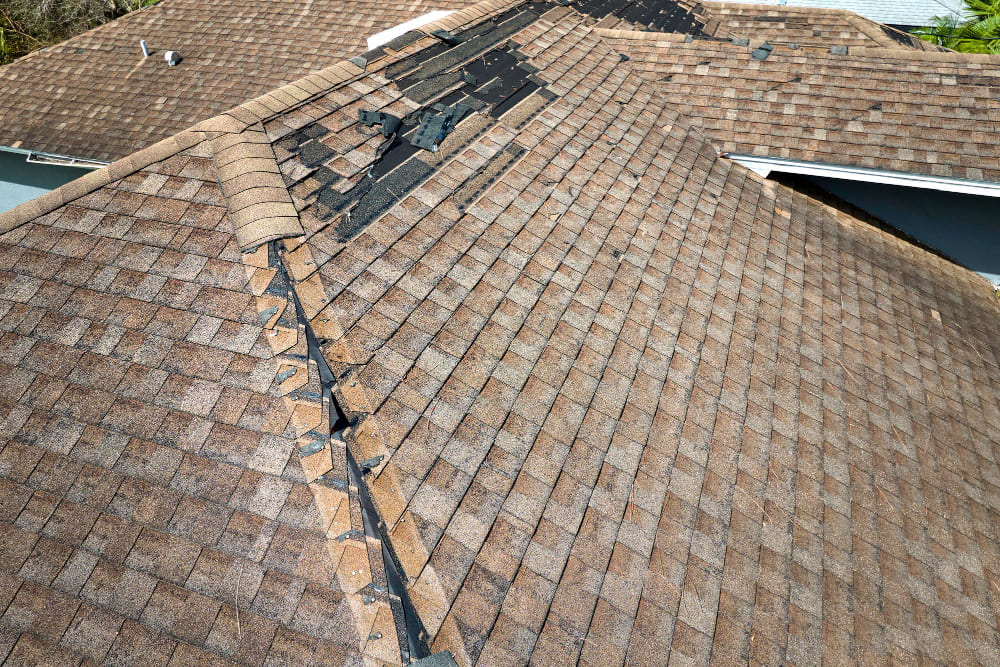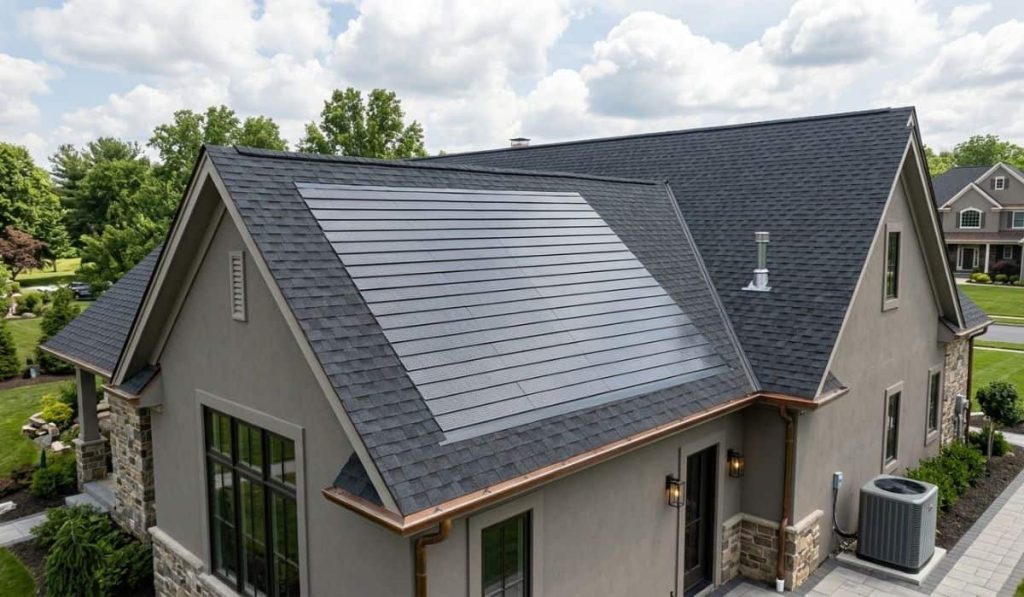
Solar shingles sound simple at first, until you see the price. They promise a cleaner-looking roof and built-in energy production, but they also cost more than many property owners expect.
Solar shingles usually cost between $25,000 and $60,000, or about $15 to $35 per square foot for an average 1,700-square-foot U.S. roof. The final price depends on the shingle brand, your roof layout, and the contractor you hire.
We’ll break down what drives that cost, how solar shingles compare to traditional solar panels, and when they may actually be worth the investment.
What’s In This Guide
Quick Facts
- Solar shingles typically cost $25,000 to $60,000.
- They cost more because they combine roofing and solar in one system.
- They often make the most sense during a roof replacement.
- They look better, but standard panels often produce more for the price.
- Compare them to a new roof plus solar panels, not panels alone.
What Are Solar Shingles?
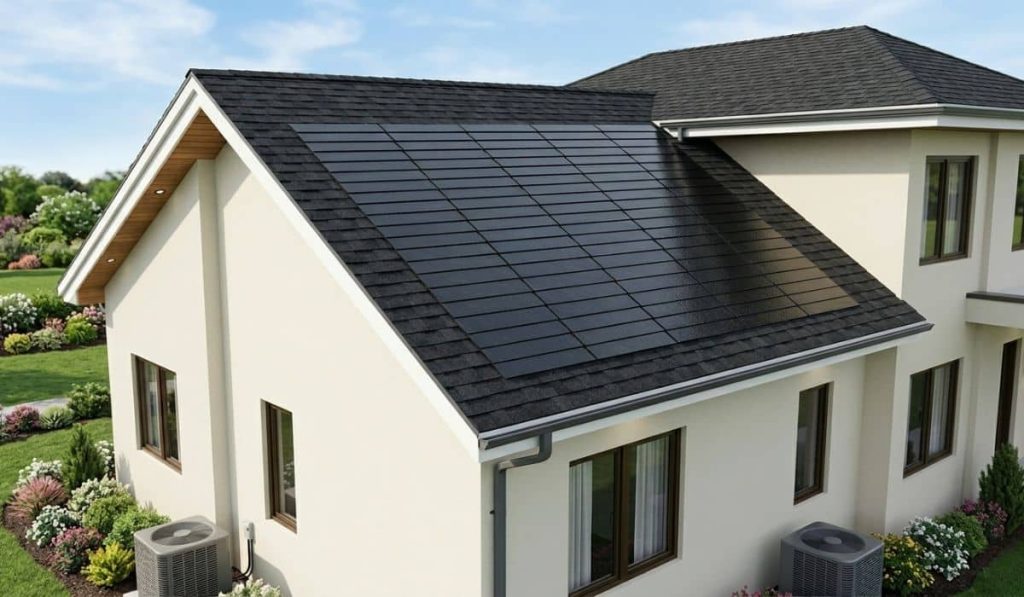
Solar shingles are roofing materials designed to generate electricity while protecting your home from the elements. Unlike traditional solar panels that sit on top of an existing roof, solar roof shingles are built into the roofing system itself.
How Solar Shingles Work
A solar shingle contains photovoltaic cells that capture sunlight and convert it into electricity. That electricity flows through the system and helps power your home.
A typical system may include:
- Active solar shingles that produce electricity
- Inactive matching shingles used to keep the roof design consistent
- An inverter that converts solar energy into usable household electricity
- Wiring and connectors that link the shingles together
- Monitoring equipment to track system performance
Some solar panel shingles systems are designed so only the most sun-exposed sections of the roof generate power, while the rest of the roof uses matching non-active materials.
Solar Shingles vs. Traditional Solar Panels
The easiest way to understand solar roofing panels is to compare them to standard solar panels.
Traditional solar panels:
- Mounted on top of the roof
- Usually cost less
- Often produce more power per square foot
- More visible from the street
Solar shingles:
- Installed as part of the roof surface
- Offer a lower-profile, more integrated look
- Usually cost more upfront
- May produce less electricity per square foot, depending on the product
This is why many people see solar shingles as a design-forward option. They are often chosen as much for appearance as for energy production.
When Property Owners Usually Choose Solar Shingles
Solar shingles tend to make the most sense in specific situations.
Common examples include:
- You already need a new roof
- You want solar without the look of rack-mounted panels
- Your home has strong curb appeal concerns
- You want roofing and solar combined into one project
How Much Do Solar Shingles Cost on Average?
On average, solar shingles cost between $25,000 and $60,000, or about $15 to $35 per square foot for a typical 1,700-square-foot U.S. roof.
Why the Price Range Is So Wide
Not every solar shingles project looks the same. Some homes only need solar coverage on one section of the roof. Others need a much larger system to offset energy use.
The final price is shaped by several moving parts, including:
- Roof size and usable sun-facing area
- Roof pitch, valleys, dormers, and other design details
- Active versus inactive shingle coverage
- Inverter and electrical system components
- Permit, inspection, and utility connection requirements
That is why one solar shingles roof may land near the lower end of the range, while another may cost much more.
What Is Included in the Cost
When reviewing estimates for solar panel shingles or solar roofing panels, it helps to know what you are paying for. The total price for roof solar shingles often includes both roofing and solar components.
A typical quote may cover:
- Removal of the old roof, if needed
- Underlayment and roof prep
- Active solar shingles
- Inactive matching shingles
- Inverter and electrical equipment
- Wiring and connectors
- Labor for roofing and solar installation
- Permitting and inspections
- System testing and activation
How Solar Shingles Compare to Standard Solar Pricing
In most cases, the best solar shingles options cost more upfront than traditional rooftop solar panels. Standard systems are usually more affordable because they are simpler to install and more widely available.
Still, the comparison should be fair.
Instead of comparing solar shingles vs. solar panels, it is often more accurate to compare them to a new roof plus traditional solar panels.
What Property Owners Should Keep in Mind
The biggest takeaway is that solar shingles are usually a premium product chosen for both function and appearance. They can make sense for the right home, especially if the roof is already due for replacement.
Before moving forward, property owners should focus on:
- Total installed cost
- Expected energy production
- Roof replacement timing
- Product warranty
- Contractor experience with solar roof shingles
What’s Included in Solar Shingles Installation Costs?
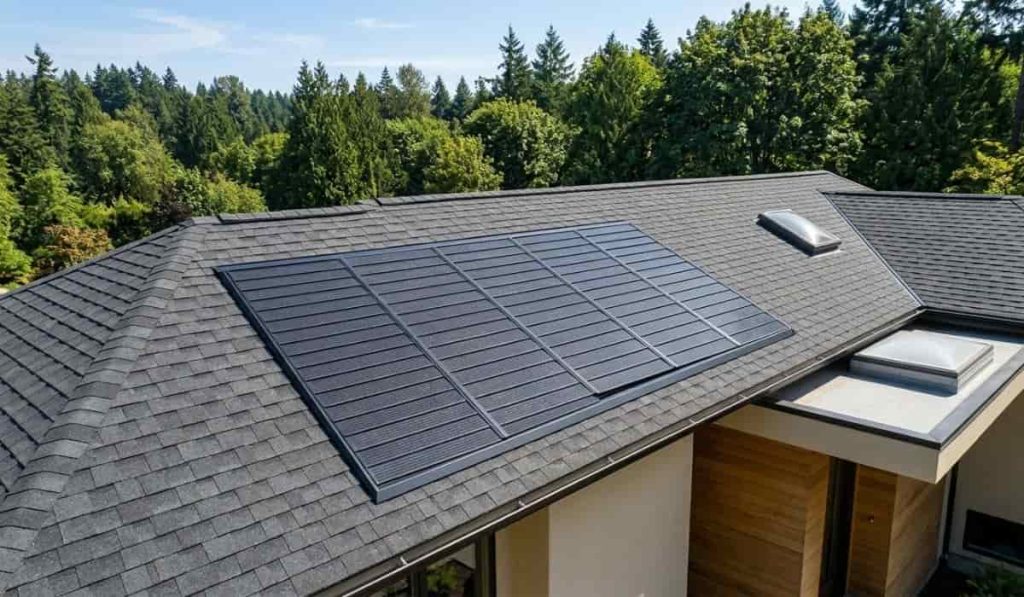
The total solar shingles cost includes more than the shingles themselves. A full quote for solar roof shingles usually covers the roof system, solar equipment, labor, and required project costs.
Roofing Materials
Most projects include the basic materials needed to build or replace the roof, such as:
- Underlayment
- Flashing
- Water barriers
- Ridge caps and trim
- Fasteners and roof prep materials
Active and Inactive Shingles
A solar shingles roof usually includes two types of shingles:
- Active solar shingles that generate electricity
- Inactive matching shingles that complete the roof and keep the look consistent
This matters because not every part of the roof will produce power. Sun-exposed areas usually carry the active units, while other sections use matching non-solar materials.
Solar and Electrical Components
A solar shingle system also includes the parts that make the roof produce usable electricity, such as:
- Inverter or microinverter
- Wiring and connectors
- Junction boxes
- Monitoring system
- Electrical disconnects
Some homes may also need an electrical panel upgrade, which can raise the cost.
Roof Removal and Prep
If the old roof has to come off first, the quote may include:
- Tear-off of existing roofing
- Debris removal
- Roof deck inspection
- Minor deck repairs
Labor and Project Costs
Labor is a major part of solar shingle costs because the project involves both roofing and electrical work. Quotes may also include:
- Installation labor
- Permits
- Inspections
- System testing
- Utility interconnection paperwork
Pros and Cons of Solar Roof Shingles
Solar roof shingles offer a cleaner look and built-in energy production, but they also come with trade-offs in cost and performance.
Pros
- Sleek, low-profile design that blends with the roof
- Combines roofing and energy production in one system
- Ideal for new roof or replacement projects
- May qualify for federal tax credits and incentives
Cons
- Higher upfront solar shingles cost than standard panels
- Lower energy output per square foot in some systems
- Repairs and replacements can be more specialized
- Not always the best value if your roof is still in good condition
Are Solar Shingles Worth the Cost?
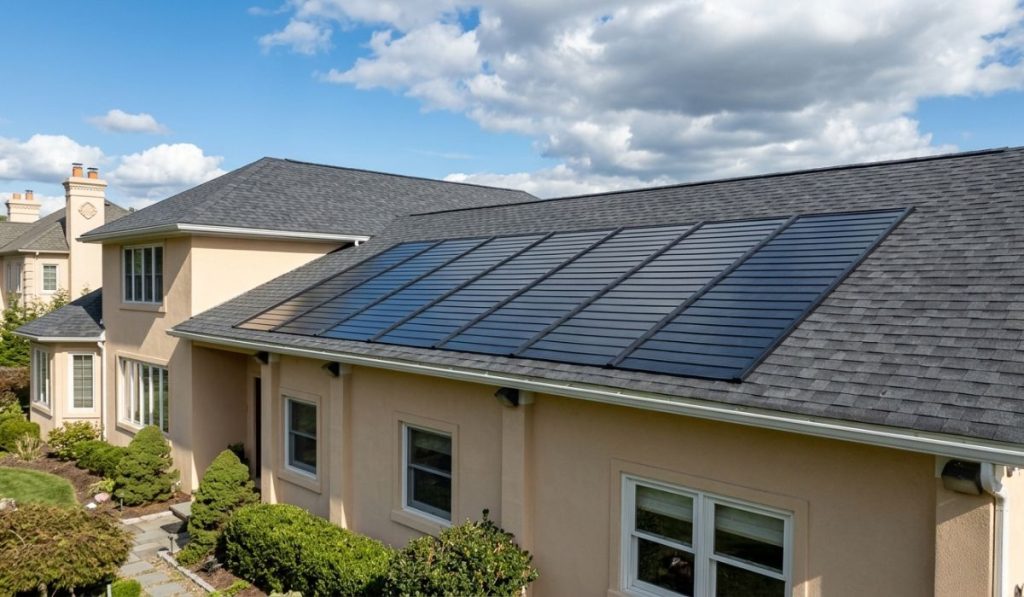
The value of solar shingles comes down to timing, budget, and whether you prioritize aesthetics, energy savings, or both.
When They May Be Worth It
For some property owners, solar shingles can be worth the higher upfront price. The biggest advantage is that they combine roofing material and energy production into one system, which can make the investment easier to justify in the right situation.
A solar shingles roof may make sense if:
- Your roof is already nearing the end of its lifespan
- You want to replace the roof and add solar at the same time
- Curb appeal matters, and you prefer a cleaner look than standard panels
- Your neighborhood or HOA discourages bulky mounted systems
- You are willing to pay more for a more integrated design
When They May Not Be the Best Value
Even though the cost of solar shingles can make sense in some cases, they are not automatically the best financial choice for every home.
They may not be the best value if:
- Your current roof is still in good condition
- Your main goal is the lowest cost per watt
- You want the fastest payback period
- Your roof has too much shade or limited sun exposure
- You have enough space for standard solar panels and do not mind how they look
What Determines Long-Term Value
The factors that most affect long-term value include:
- Roof replacement timing: If you already need a new roof, the cost of combining roofing and solar may be easier to justify.
- Energy production: The amount of electricity your system generates affects how much you may save over time.
- Local utility rates: Homes in areas with higher electricity costs may see better long-term savings.
- Sun exposure: A roof with strong daily sunlight gives solar shingles a better chance of delivering useful output.
- Available incentives: Tax credits and local programs can reduce net cost and improve overall value.
- System design and coverage: Some homes use a mix of active and inactive shingles, so the amount of actual power-producing roof area matters.
- Length of time you plan to stay in the home: The longer you expect to keep the property, the more time you may have to benefit from energy savings.
Frequently Asked Questions (FAQs)
Do solar shingles work during a power outage?
Usually, no. Like most grid-tied solar systems, solar shingles are designed to shut off during an outage for safety reasons. If you want backup power, you typically need a battery storage system and the right inverter setup.
Can solar shingles be installed on any roof type?
Not always. Roof pitch, shape, material, sun exposure, and structural condition all affect whether solar shingles are a good fit. Some roofs are simply better suited for traditional solar panels.
Are solar shingles harder to maintain than regular roofing?
They are generally low-maintenance, but repairs can be more specialized. Since the roof surface also generates electricity, maintenance may require both roofing and solar expertise.
Will solar shingles increase home value?
They can, especially if buyers value energy efficiency and the roof is newer. Still, resale impact depends on the local market, the system’s age, and how much buyers in your area value solar features.
How long does solar shingle installation take?
The timeline varies by roof size, weather, permitting, and system complexity. In general, a solar shingles project can take longer than a standard roofing job because it includes both roofing and electrical installation.
Should You Invest in Solar Shingles for Your Roof?
The best next step is to get a clear, side-by-side evaluation based on your specific property. An experienced contractor can assess your roof, explain your options, and help you understand whether solar roof shingles make sense for your situation.
For trusted roofing expertise in Poughkeepsie, NY, Lyndsey Roofing helps homeowners evaluate solar shingles, roof replacements, and long-term energy solutions with confidence.