Quick Facts
- Roof framing impacts cost, durability, and future flexibility.
- Trusses are efficient and widely used in modern construction.
- Rafters provide customization and better attic usability.
- Local climate plays a key role in structural decisions.
- Professional guidance helps avoid costly mistakes.
What's In This Guide
- What Are Roof Rafters?
- What Are Roof Trusses?
- Roof Rafters vs Trusses: Key Differences
- How to Choose Between Rafters and Trusses
- What Commercial Roofing Companies Near Me Recommend
- Common Mistakes Homeowners Should Avoid
- What to Expect During Roof Framing Installation
- Frequently Asked Questions
- Get Expert Guidance for Your Roofing Project
Most homeowners don’t think about what’s holding up their roof until they have to make a decision about it. Whether you are building a new home or planning a renovation, the choice between roof rafters vs trusses can quickly become a major factor in your budget, timeline, and design.
What seems like a behind-the-scenes detail can influence everything from attic space to long-term durability. Understanding how each option works and where it fits best can help you avoid costly surprises later.
Here are the key insights homeowners should know about roof rafters and trusses and what roofing experts recommend.
What Are Roof Rafters?
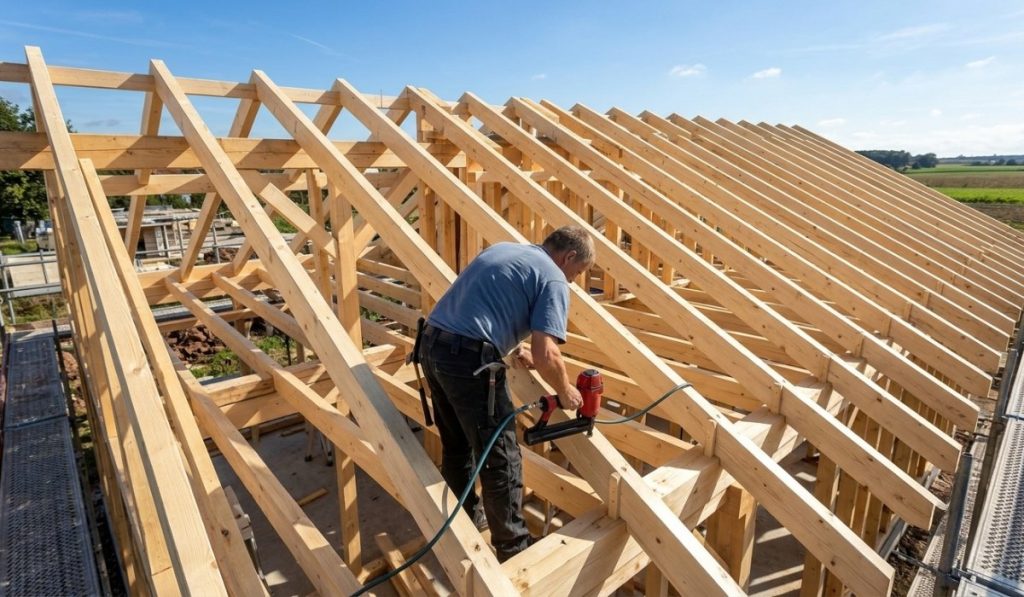
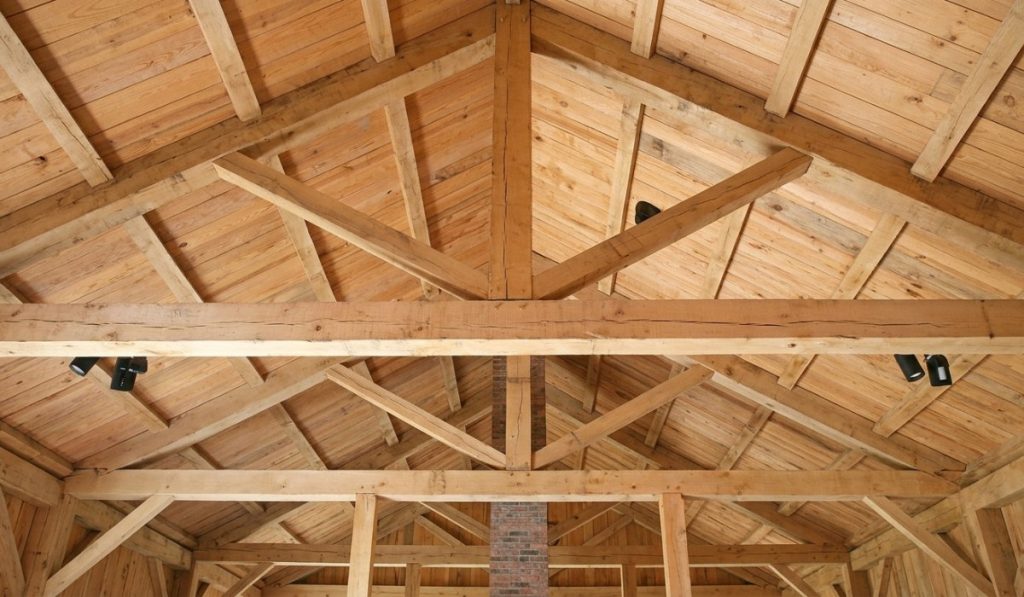
Roof rafters are part of a traditional framing method known as stick framing. Each rafter is a sloped wooden beam that is cut and assembled on-site by skilled carpenters.
How Rafters Work
Rafters run from the ridge board at the peak of the roof down to the exterior walls. They transfer the weight of the roof directly to the walls, creating a simple and effective load path.
Where Rafters Are Commonly Used
- Older and historic homes
- Custom-built houses
- Renovations and additions
- Projects requiring vaulted or cathedral ceilings
Pros
- Flexible design options
- More usable attic or storage space
- Ideal for custom homes and renovations
Cons
- Higher labor costs
- Longer construction time
- Requires experienced craftsmanship
What Are Roof Trusses?
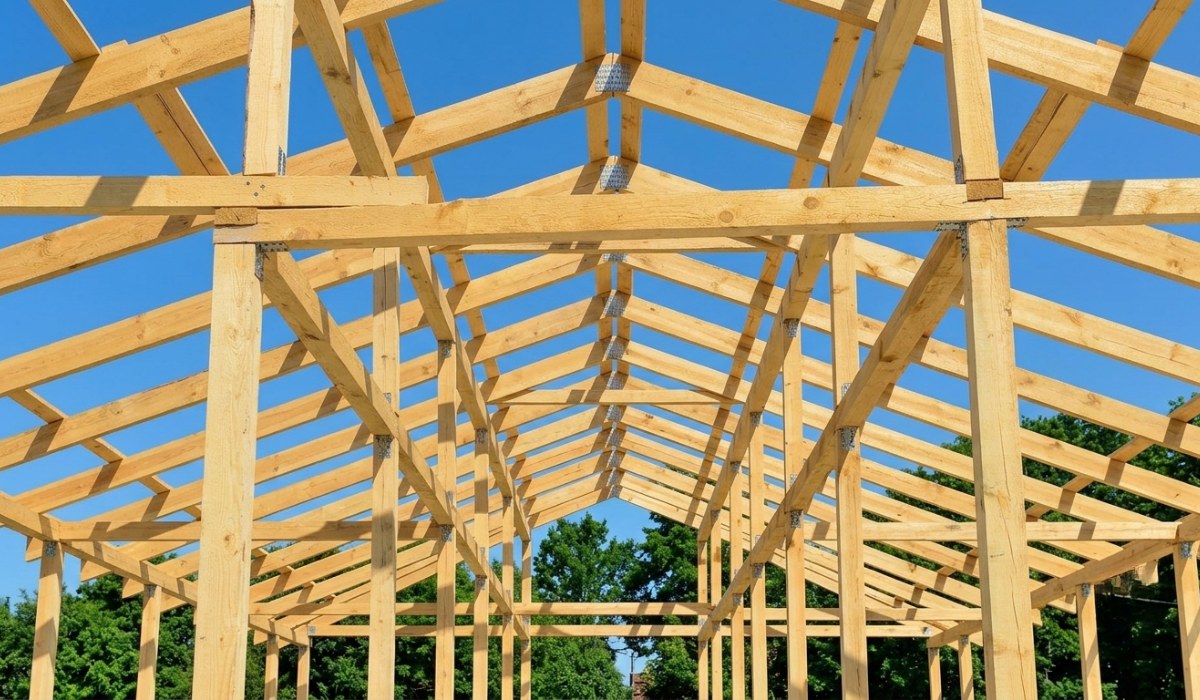
Roof trusses are pre-engineered structural components manufactured in a controlled factory environment. They are delivered to the job site ready for installation.
How Trusses Work
Trusses use a triangular framework that creates a stable structure and prevents shifting under load. This design distributes weight evenly and maintains strength by relying on rigid triangular patterns.
Where Trusses Are Commonly Used
- Modern residential construction
- Subdivisions and large housing developments
- Homes with wide, open floor plans
- Projects with tight construction timelines
Pros
- Lower overall cost
- Faster installation
- Consistent quality from factory production
- Strong load distribution
Cons
- Limited attic space
- Difficult to modify after installation
- Requires delivery and lifting equipment
Roof Rafters vs Trusses: Key Differences
Cost and Efficiency
Trusses are generally more cost-effective. Prefabricated components reduce labor time significantly, which lowers overall construction costs.
Rafters require more labor because each piece must be measured, cut, and installed on-site. This increases both time and expense.
Design Flexibility
Rafters offer greater design freedom. They allow for:
- Vaulted ceilings
- Open attic space
- Custom roof shapes
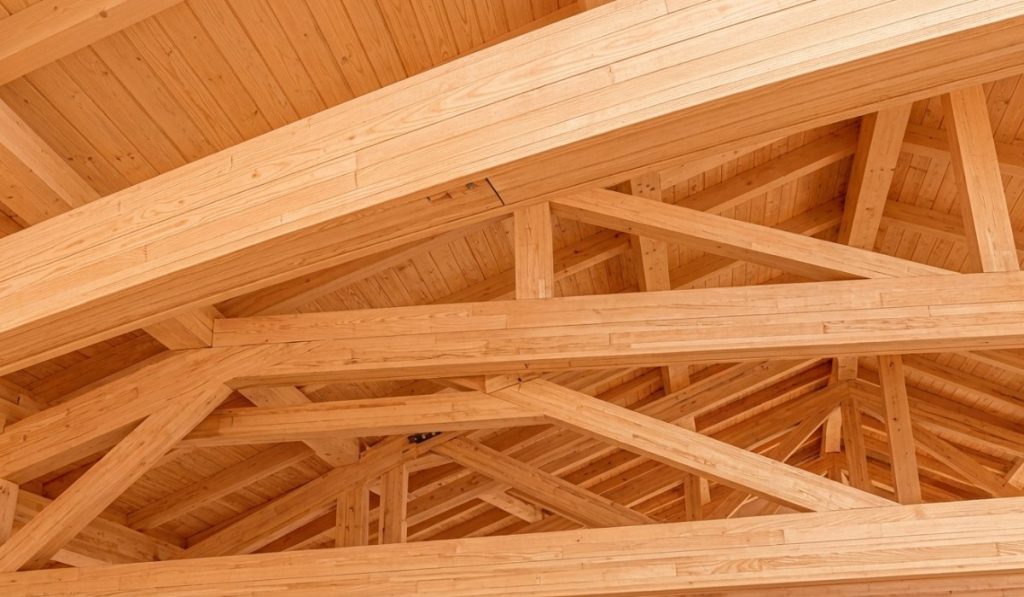
Trusses, while efficient, limit usable attic space due to internal webbing.
Strength and Span
Trusses can span up to 60 feet without additional support. This makes them ideal for larger homes or open layouts.
Rafters typically span around 30 feet and may require additional support structures.
The American Wood Council notes that engineered trusses provide consistent load distribution, which is especially beneficial in areas with heavy snow.
Installation Process
Trusses are installed quickly, often reducing framing time. They are lifted into place using equipment and secured efficiently.
Rafters require skilled carpenters to build the structure piece by piece on-site. Each component must be measured and cut individually, which increases labor time and requires greater precision during installation.
Attic Space and Future Use
Rafters provide a more open attic area because they do not rely on the internal webbing found in truss systems. This makes them a better option for homeowners who may want extra storage, easier access to mechanical systems, or the potential to convert the attic into usable living space later.
Trusses, on the other hand, use a webbed interior design that strengthens the structure but takes up more room within the attic. While this design improves efficiency and support, it can limit storage capacity and make future attic conversions more difficult.
➤ READ NEXT: 6 Best Roofing Options for Historic Homes in Poughkeepsie, NY
How to Choose Between Rafters and Trusses
- Define Your Budget: Determine how much you can allocate to framing. Trusses usually reduce labor costs, while rafters may increase the overall budget.
- Consider Your Design Goals: If you want open ceilings or usable attic space, rafters may be the better option. For standard designs, trusses are more practical.
- Evaluate Your Timeline: Projects with tight deadlines benefit from the speed of truss installation.
- Assess Structural Needs: Larger spans and open layouts favor trusses. Smaller or more complex designs may require rafters.
- Plan for Future Use: If you plan to use your attic for storage or living space, rafters provide more flexibility.
- Consult a Local Commercial Roofing Companies Near Me: Local expertise ensures your choice meets building codes and accounts for regional weather conditions.
Choose Roof Rafters If
You Want More Attic Space
Choose roof rafters if you plan to use your attic for storage or living space. Rafters allow for open areas without internal obstructions.
You Need Design Flexibility
Rafters are ideal for custom layouts, including vaulted or cathedral ceilings. They allow for more architectural creativity compared to trusses.
You Are Working on a Renovation
Rafters are often the better choice when modifying or matching an existing structure. They can be adjusted more easily during remodeling projects.
Choose Trusses If
You Are Building a New Home
Trusses are commonly used in new construction due to their efficiency and consistency. They are manufactured to precise specifications for reliable performance.
You Want to Save on Costs
Trusses reduce labor time, which helps lower overall construction costs. Their prefabricated design makes them a budget-friendly option.
You Need Faster Installation
Trusses can be installed quickly, helping keep projects on schedule. This makes them ideal for builds with tight timelines.
What Commercial Roofing Companies Near Me Recommend
Prioritize Structural Strength for Long-Term Durability
Experts recommend choosing a system that can handle local environmental demands, especially snow loads and moisture exposure. Trusses are often favored because their engineered design distributes weight more evenly across the structure.
Choose Efficiency for Most New Construction Projects
For standard residential builds, experts typically recommend trusses due to faster installation and lower labor costs. This approach helps keep projects on schedule while maintaining consistent structural quality.
Select Rafters for Design Flexibility and Usable Space
When a project requires open attic space or unique architectural features, experts recommend rafters. They allow for customization that trusses cannot easily provide due to their internal structure.
Avoid Modifying Structural Systems After Installation
Professionals strongly advise against altering rafters or trusses once installed without proper engineering. Changes can weaken the structure and create safety risks if not handled correctly.
Common Mistakes Homeowners Should Avoid
Choosing the Cheapest Option Without Long-Term Consideration
Focusing only on upfront cost can lead to problems if the structure does not support future needs like storage or renovations. A lower initial price may result in higher costs later if modifications are required.
Overlooking Attic Space Needs
Some homeowners fail to consider how they will use their attic, which is critical when deciding between rafters and trusses. Trusses can restrict usable space, while rafters allow more flexibility for storage or living areas.
Ignoring Local Weather Conditions Such as Snow Loads
In areas like Poughkeepsie, NY, snow and seasonal moisture place extra stress on roofing systems. Choosing the wrong structure without accounting for these conditions can compromise long-term durability.
Attempting Structural Modifications After Installation
Making changes to roof framing after installation is complex and can weaken the structure if not done correctly. Trusses in particular are difficult to alter without professional engineering.
Hiring Contractors Without Framing Experience
Roof framing requires precision and expertise, and hiring inexperienced contractors increases the risk of costly errors. Homeownersr should also verify that the commercial roofing companies near them have proven experience in structural framing.
What to Expect During Roof Framing Installation
Site Preparation and Material Delivery
The process begins with preparing the structure and delivering materials to the site. Trusses typically arrive pre-built, while rafters require raw materials for on-site construction.
Framing Layout and Measurements
Contractors carefully measure and mark the layout to ensure proper alignment and spacing. Accuracy at this stage is essential for structural integrity and code compliance.
Installation of Rafters or Trusses
Rafters are built piece by piece on-site, while trusses are lifted and secured into position. Trusses allow for faster installation, while rafters require more time and precision.
Securing and Reinforcing the Structure
Once installed, the framing is secured with fasteners and additional bracing where needed. This step ensures the structure can handle loads such as wind and snow.
Inspection and Final Adjustments
After installation, the structure is inspected to confirm it meets building standards. Any necessary adjustments are made before moving on to the next phase of roofing.
Frequently Asked Questions
How long does roof framing typically last?
Rafters and trusses can last several decades with proper installation and maintenance. Lifespan depends on material quality, moisture exposure, and ventilation.
Does roof framing affect energy efficiency?
Yes, framing impacts insulation and airflow in the attic. Proper ventilation and insulation matter more than the framing type itself.
Is one option better for resale value?
Resale value depends more on overall condition and design. Features like attic space or vaulted ceilings can add appeal.
Can roof framing impact future renovations?
Yes, rafters are easier to modify, while trusses often require engineering approval. Planning ahead helps avoid limitations.
Are there differences in maintenance requirements?
Both systems require periodic inspections for moisture, pests, or damage. Maintenance needs depend more on environment than framing type.
Get Expert Guidance for Your Roofing Project
Choosing between rafters and trusses is not just about cost. It is about how your home will perform, how it will look, and how you will use the space for years to come. While trusses are the preferred option for most new builds, rafters remain essential for custom designs and renovations.
For homeowners in Poughkeepsie, working with experienced professionals ensures the right structural choice for your specific property. A trusted local company like Lyndsey Roofing, LLC can help evaluate your home’s needs and guide you toward a roofing system built for durability, efficiency, and long-term value.
Contact our team today to schedule a consultation and get expert recommendations tailored to your home.