Quick Facts
- Solar shingles are most worth considering when your roof already needs replacement.
- Hudson Valley homes can benefit from solar shingles under the right roof and sun conditions.
- Higher upfront costs may be offset by incentives, energy savings, and long-term roof value.
- Roof orientation, shade, and energy usage strongly affect the return on investment.
- A combined roofing and solar assessment is the best way to judge fit.
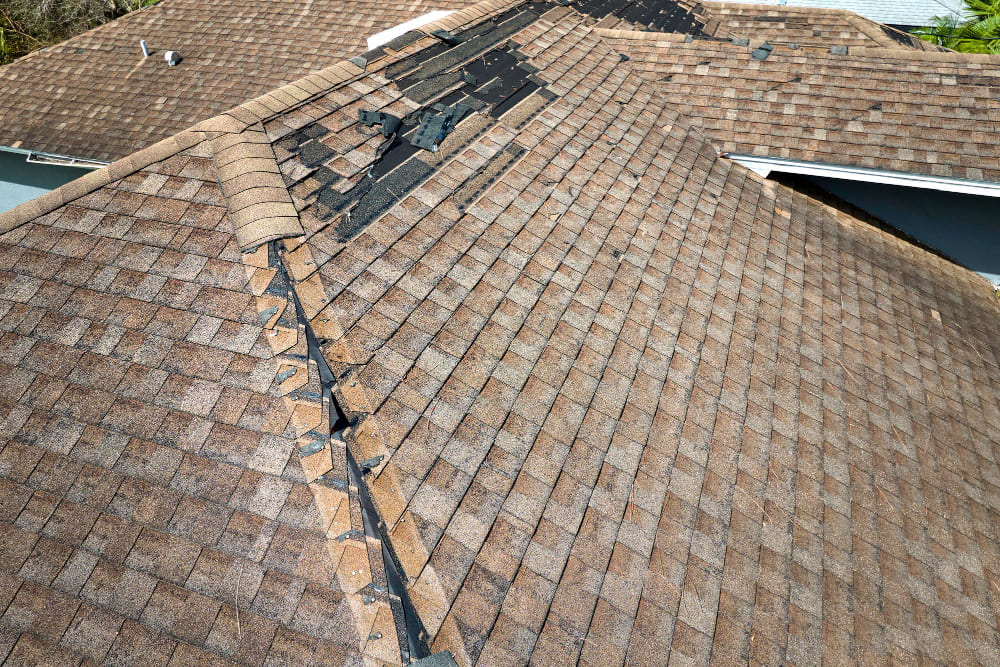
You are already thinking about your roof. Maybe it is aging out, showing granule loss, or you had a rough winter that left you questioning how many good years it has left. Then you came across solar shingles, and now you are wondering whether it makes sense to combine the replacement with something that actually earns money back.
That is exactly the right question to ask, and the answer is more nuanced than most online content lets on. Whether solar shingles are worth it for your home depends on roof timing, orientation, local sun exposure, and how you factor in available incentives.
For Hudson Valley homeowners specifically, there are regional details that change the math in important ways. This guide works through all of it.
What Are Solar Shingles?
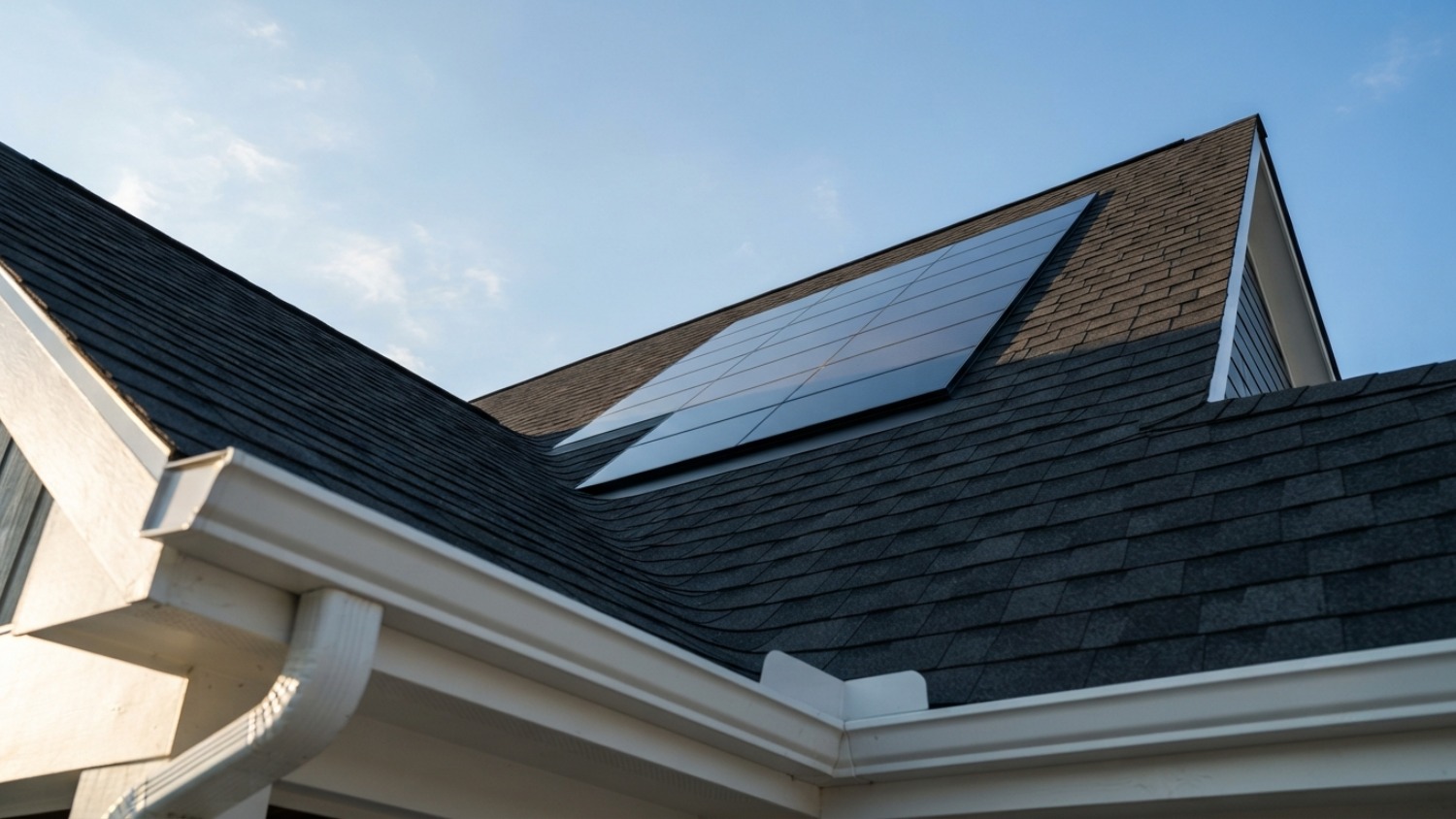
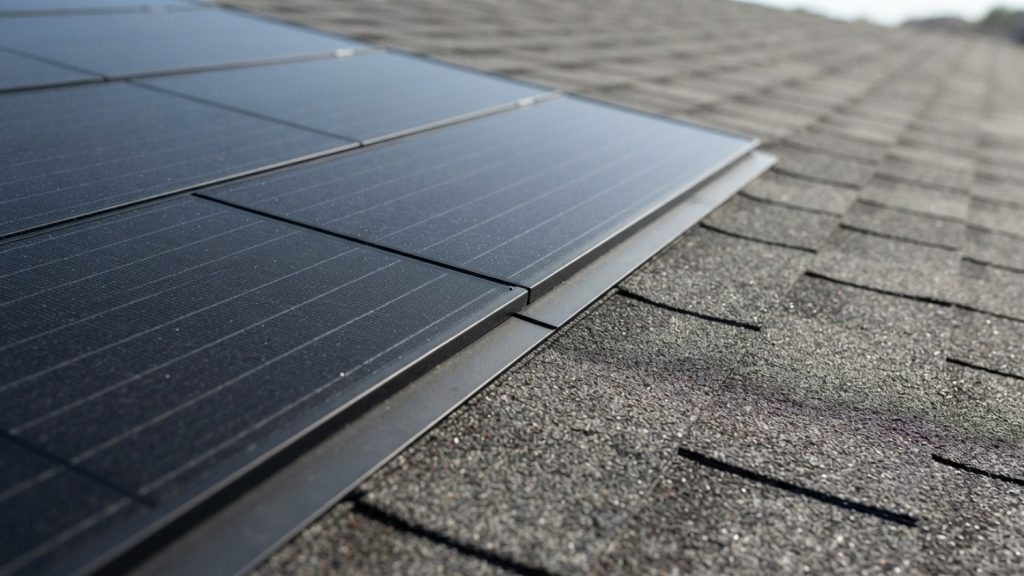
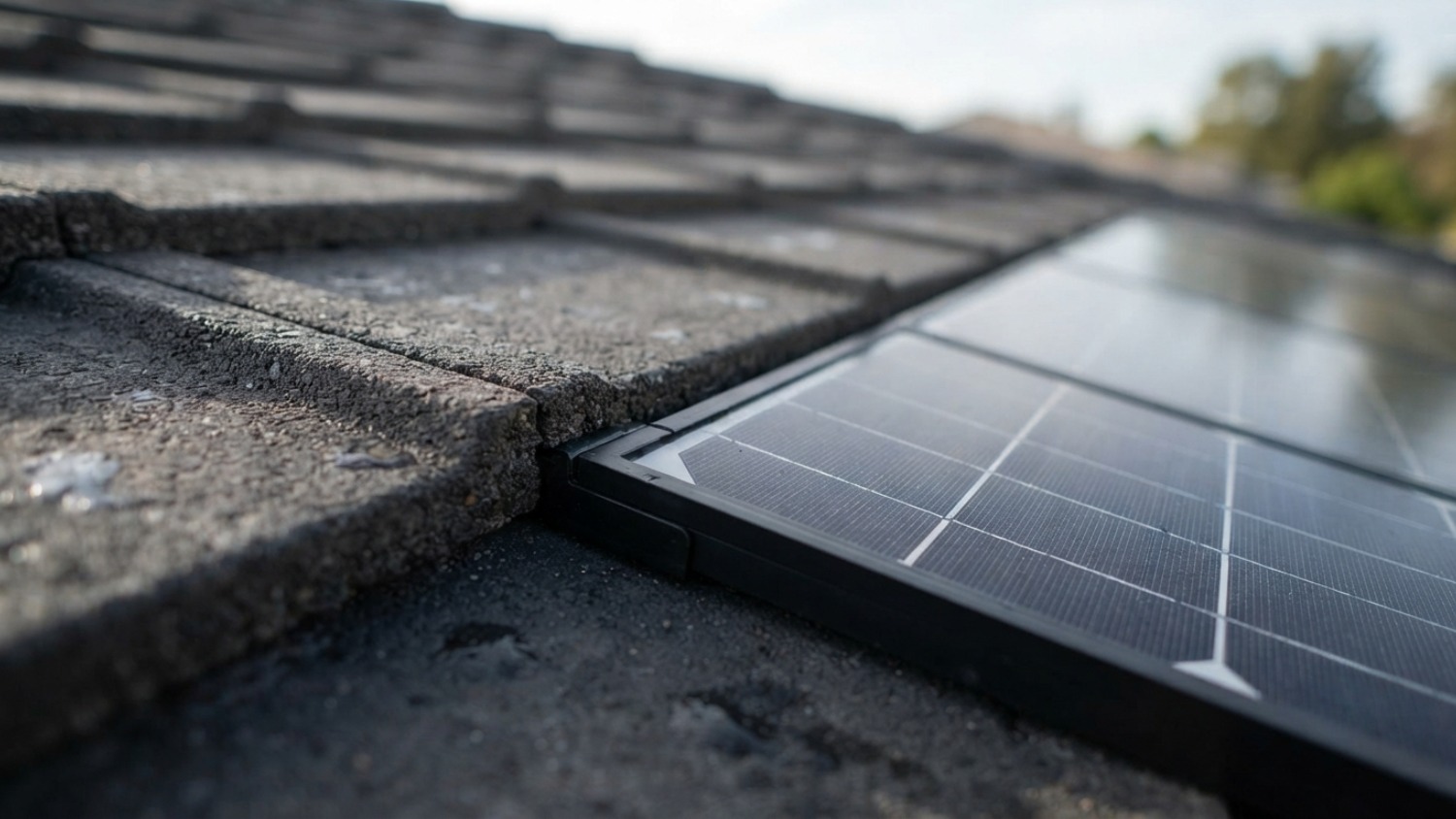
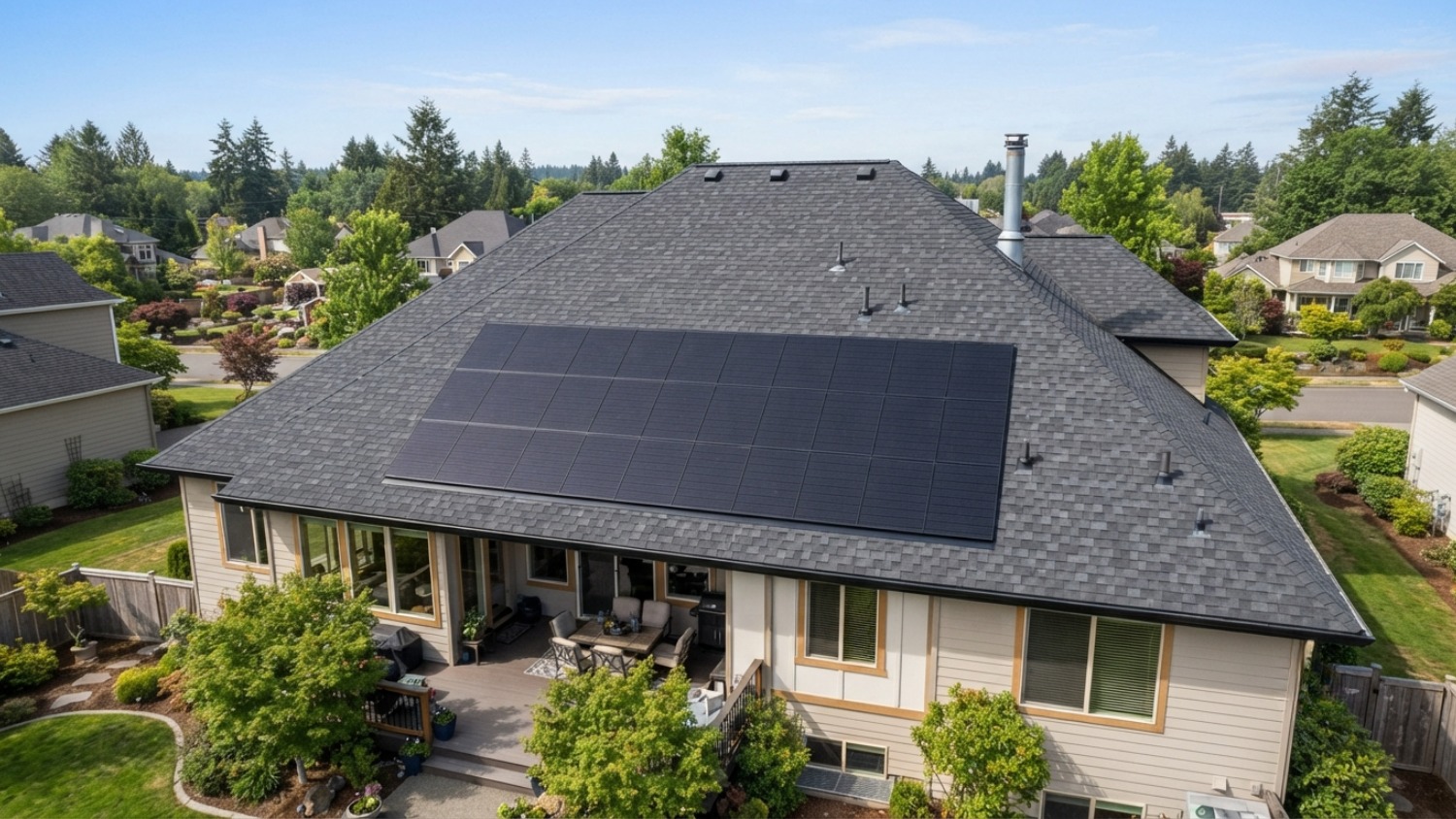
Solar shingles, technically classified as building-integrated photovoltaics (BIPV), are photovoltaic cells embedded directly into roofing shingles. Unlike traditional solar panels, they do not mount on top of an existing roof. They replace it entirely, functioning as both a weatherproofing layer and an energy-generating surface.
How they work:
- Sunlight hits the semiconductor cells inside each shingle
- Electrons are knocked loose, generating direct current (DC) electricity
- An inverter converts that DC electricity into the alternating current (AC) your home uses
What makes them different from standard panels:
- Integrated into the roof surface rather than racked on top of it
- Replace conventional roofing material instead of adding to it
- Combine two systems, roofing and solar, into one installed product
Solar Shingles vs Solar Panels: Understanding the Core Difference
This comparison comes up in almost every conversation about solar shingles, and for good reason. They are not competing products in every situation. They solve different problems depending on where your home and roof currently stand.
|
Factor |
Solar Shingles |
Traditional Solar Panels |
|
Installation method |
Replaces roof material entirely |
Mounted on top of the existing roof |
|
Aesthetics |
Flush, low-profile finish |
Visible rack-mounted panels |
|
Best timing |
During a full roof replacement |
Any time on a sound existing roof |
|
Power output per sq ft |
Lower energy density |
Higher energy density |
|
Upfront cost |
Higher |
Lower |
|
Warranty integration |
Roofing and energy in one system |
Separate roofing and solar warranties |
|
Ideal fit |
Homes needing new roofs; HOA or historic neighborhoods |
Homes with sound roofs and good surface availability |
What Do Solar Shingles Cost in 2026?
Solar shingles are usually priced by the amount of roof surface being covered. At an average of $23 per square foot, even a partial installation can represent a major investment.
A smaller section may cost around $4,200 to $5,000, while full-roof coverage can reach $60,000 or more, depending on size and complexity.
|
Coverage size |
What to expect |
|
200 sq. ft. |
$4,200 to $5,000 |
|
500 sq. ft. |
$10,500 to $12,500 |
|
1,000 sq. ft. |
$21,000 to $25,000 |
|
1,200 sq. ft. |
$25,200 to $30,000 |
|
1,800 sq. ft. |
$37,800 to $45,000 |
|
2,000 sq. ft. |
$42,000 to $50,000 |
|
2,400 sq. ft. |
$50,400 to $60,000 |
|
3,000 sq. ft. |
$63,000 to $75,000 |
Are Solar Shingles Worth It for Hudson Valley Homes?
Yes, for many homeowners, they can be. While the Hudson Valley does not receive the same year-round sun exposure as regions like the Southwest, solar shingles can still provide meaningful energy savings and long-term value under the right conditions.
How to Know If Solar Shingles Are Right for Your Home
Use this as a practical checklist before requesting an installation quote.
-
- Assess your roof’s remaining lifespan. Solar shingles make the strongest financial case when a full roof replacement is already within the next one to three years. Installing them on a roof with significant life remaining adds upfront cost without the offsetting roofing savings.
- Evaluate your roof’s sun exposure. A south-facing roof with minimal shading from trees, chimneys, or adjacent structures will generate the most power. A professional shading analysis from a certified installer can quantify expected output before you commit.
- Calculate your current energy usage. Pull your utility bills from the past 12 months and identify your average monthly consumption. Higher usage means greater savings potential and a faster payback period.
- Confirm your eligibility for incentives. Verify your tax liability is sufficient to benefit from the 30% federal credit, and check current NY-Sun incentive availability through NYSERDA. Both directly affect your net cost.
- Request a combined roof and solar assessment. Because solar shingles replace your roofing material rather than adding to it, the evaluation should address both roofing integrity and energy production potential in one conversation with a contractor certified for both.
What Makes a Solar Shingle Investment Pay Off Over Time?
Solar shingles carry a higher upfront cost than traditional panels, and in Poughkeepsie, where peak sun hours are moderate, understanding what drives long-term value is essential before signing any contract. These are the factors that separate a well-structured solar investment from one that underdelivers.
Replacing a Roof You Already Need
When solar shingles replace an aging roof, the cost of the roofing material itself offsets a significant portion of the solar installation price. Homeowners who factor in what they would have spent on a conventional roof replacement often find the net cost far more reasonable.
Federal and State Incentive Stacking
The federal Investment Tax Credit currently allows homeowners to deduct 30% of their solar installation costs from their federal taxes. New York State adds its own 25% solar tax credit on top of that, capped at $5,000, which meaningfully reduces the total out-of-pocket investment.
Net Metering Through Central Hudson
Poughkeepsie homeowners served by Central Hudson can bank excess energy back to the grid through New York’s net metering program, receiving credits that reduce future utility bills. Over time, those credits compound and accelerate the overall return on investment.
Long System Lifespan
Quality solar shingles are rated to last 25 to 30 years, meaning the energy savings window is substantial once installation costs are recovered. The longer the system performs without major maintenance, the stronger the lifetime financial case becomes.
Rising Utility Rates Working in Your Favor
As electricity rates increase over time, the value of every kilowatt-hour your system generates grows with them. Homeowners who lock in solar production today are effectively hedging against future rate increases from their utility provider.
Home Resale Value in a Solar-Aware Market
Solar installations may help improve home resale appeal by lowering projected energy costs. In the Hudson Valley, that added value can be part of the overall return for the right property.
➤ YOU MIGHT ALSO LIKE: Which Roof Types Add the Most Value?
Frequently Asked Questions
How long do solar shingles last?
Solar shingles are generally built for long-term performance and are designed to last for decades under normal conditions. Their lifespan depends on factors such as installation quality, climate, roof exposure, and ongoing maintenance. Most systems are intended to perform similarly to premium roofing materials while continuing to generate electricity over time.
Do solar shingles work on cloudy days?
Yes. Solar shingles can still produce electricity even when the skies are overcast, although energy output is usually lower compared to bright sunny conditions. Weather, seasonal daylight hours, and roof shading can all influence daily production levels. Homes in colder climates can still benefit from solar energy throughout the year.
Can solar shingles power an entire house?
In some cases, yes, but it depends on the home’s energy usage and the amount of usable roof space available. Larger systems with strong sun exposure can offset a significant portion of electricity costs. Many homeowners use solar shingles to reduce utility bills rather than fully eliminate grid dependence.
Are solar shingles harder to repair than standard roofing?
Solar shingles can require more specialized service because they combine roofing materials with electrical components. Repairs may involve both roofing work and solar system diagnostics, depending on the issue. Working with an experienced or certified installer helps ensure repairs are handled properly and safely.
Do solar shingles increase home value?
Solar shingles may improve a home’s appeal to buyers looking for energy-efficient features and lower utility costs. The impact on resale value can vary depending on the housing market, system condition, and local demand for solar upgrades. Homes with newer roofing systems and transferable warranties may also be viewed more favorably.
Ready to Find Out If Solar Shingles Make Sense for Your Poughkeepsie Roof?
Whether solar shingles are worth it for your home comes down to four things: your roof’s remaining lifespan, how your roof is oriented, your current energy costs, and how aggressively you can take advantage of state and federal incentives.
There is no single right answer for every homeowner, but for homeowners in Poughkeepsie and across the Hudson Valley who are already facing a roof replacement, the case for evaluating solar shingles is stronger than most people assume before they run the actual numbers.
Lyndsey Roofing LLC is GAF Energy certified for solar shingle installation, which means their team can assess both the roofing and energy performance sides of this decision in one visit, rather than requiring you to coordinate two separate contractors. If your roof is on your radar and you want a straight, informed answer on whether solar shingles fit your home, reach out for a free estimate.