Replacing a roof is one of the largest home expenses many homeowners in Poughkeepsie will face. With the cost of living in Poughkeepsie, NY, running 19.3% higher than the national average, paying for a full roof replacement out of pocket is not always the most practical option for every household.
Most roof replacement projects are paid for with cash, contractor-arranged financing, personal loans, or home equity options like HELOCs. In some cases, insurance helps if the damage is tied to storms or other covered events.
Understanding these options early helps you avoid rushed financial decisions and choose a plan that fits your situation.
What’s In This Guide
- Start With These 4 Questions
- Can Insurance Help Pay for a New Roof?
- What Are the Most Common Ways to Pay for Roof Replacement?
- Should You Finance a Roof or Pay Cash?
- What To Ask Before Signing a Roof Financing Agreement
- How a Roofing Contractor Helps You Compare Payment Options
- Frequently Asked Questions (FAQs)
- Find the Right Way To Pay for Your Roof With Expert Help
Quick Facts
- Roof replacement is usually paid for with cash, financing, loans, or equity.
- Insurance may help with storm damage, but not age or wear.
- A roofing contractor can help you compare real costs and timing.
- The right payment option depends on your budget, urgency, and equity.
- Always compare APR, fees, payment terms, and total cost.
Start With These 4 Questions
Before choosing between loans or payment plans, homeowners need a clear picture of their situation. The best way to approach how to pay for a roof is to start with four key questions:
1. Is your roof replacement urgent?
Hudson Valley weather can turn small issues into major problems quickly. If leaks or storm damage are present, waiting may lead to interior damage, mold, and higher repair costs.
2. What caused the damage?
Storm damage may qualify for insurance support, while aging shingles or general wear usually do not. Knowing the cause helps you estimate how much you may need to pay out of pocket.
3. Do you have available savings or equity?
Your financial position determines how you pay for a new roof, whether through cash, financing, or a hybrid approach. Homeowners with equity may also have access to additional borrowing options.
4. How long will you stay in your home?
Long-term homeowners may benefit from spreading costs over time, while short-term owners may prefer minimizing interest. Your timeline can help shape the smartest payment strategy.
Can Insurance Help Pay for a New Roof?
The answer depends on the cause of damage. Insurance typically covers roof replacement when damage is linked to sudden events like wind, storms, or falling debris. It does not cover deterioration from age, lack of maintenance, or gradual wear.
In practical terms, even when insurance applies, it rarely covers the full cost. Homeowners are still responsible for:
- Deductibles, which can range from 1% to 5% of the home’s insured value
- Upgrades required by current building codes
- Any portion of the roof replacement not approved in the claim
For homeowners in Poughkeepsie, where storms and seasonal extremes are common, insurance may play a role, but it is rarely the complete solution.
What Are the Most Common Ways to Pay for Roof Replacement?

For most homeowners, paying for roof replacement comes down to balancing urgency, cash on hand, and the total cost over time. Some roofs need immediate attention after storms or active leaks, while others are replaced after years of wear. That difference can shape the best payment method just as much as the price itself.
Pay Cash or Use Savings
Paying upfront is often the most straightforward option for homeowners who have planned ahead or already set aside money for major home repairs. It works best when the roof replacement is manageable without putting pressure on day-to-day finances.
- No interest charges
- No lender approval needed
- No monthly payment afterward
- Works well for planned replacements
- Best if emergency savings stay intact
- Less ideal if it strains cash flow
Use Homeowners Insurance for Covered Damage
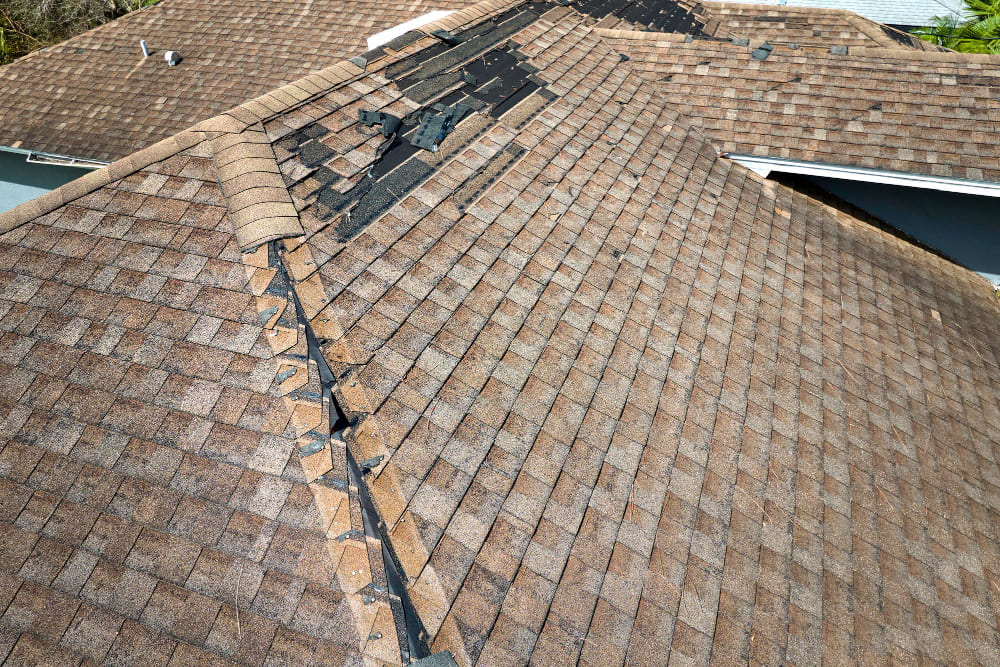
Insurance can help when roof damage is tied to a covered event rather than normal aging. For Poughkeepsie homeowners, that may include wind damage, storm impact, or fallen branches after severe weather.
- May reduce out-of-pocket cost
- Usually applies to sudden damage
- Does not typically cover old age or neglect
- Deductible still applies
- Coverage may be partial, not full
- Often paired with another payment method
Finance Through a Roofing Contractor
A roofing contractor may offer financing plans that let homeowners move forward with needed work without waiting until they have saved the full amount.
- Convenient application process
- Payments spread out over time
- May include promotional offers
- Helpful for urgent replacements
- Often tied to project milestones
- Terms should be reviewed carefully
What To Compare With Contractor Financing
Not every financing offer is structured the same way. When a roofing contractor presents financing options, the details matter just as much as the monthly payment.
- Interest rate or APR
- Length of repayment term
- Monthly payment amount
- Deferred-interest rules
- Required deposit
- Fees or penalties
Use a Personal Loan
A personal loan can be a practical choice for homeowners who need funds quickly and do not want to borrow against their home.
- Fast funding in many cases
- No home equity required
- Often comes with fixed payments
- Good for urgent roof work
- Can cost more than secured loans
- Approval depends on credit profile
Borrow Against Home Equity
For homeowners with available equity, secured borrowing can be one of the more cost-effective ways to handle a large project. This approach is often considered by homeowners who want lower rates than a personal loan may offer.
Home Equity Loan
A home equity loan is usually best for homeowners who know the full project cost upfront and want predictable repayment.
- Lump-sum funding
- Fixed monthly payments
- Easier to budget month to month
- Useful for clearly priced projects
- Uses the home as collateral
HELOC
A Home Equity Line of Credit (HELOC) may be a better fit when costs are still being finalized or when related repairs could expand once the old roof is removed. It gives more flexibility, but that flexibility can come with more variation in payment terms.
- Draw funds as needed
- Useful for variable project costs
- May offer lower initial payments
- Rates may change over time
- Also secured by the home
Should You Finance a Roof or Pay Cash?
One of the most important decisions homeowners face is whether to finance the project or pay upfront. When evaluating options, the right answer depends on your financial position.
Pay cash when:
- You have sufficient savings after the project
- You want to avoid interest entirely
- The expense does not impact your financial stability
Finance when:
- The roof replacement is urgent
- You want to preserve emergency savings
- Insurance only covers part of the cost
In Poughkeepsie, where monthly housing expenses are already high, financing can help spread costs without creating immediate financial strain. The key is balancing monthly affordability with the total long-term cost.
➤ READ: Roof Contractor Near Me — Roof Types That Add the Most Value
What To Ask Before Signing a Roof Financing Agreement
Before committing to any financing plan, homeowners should ask the right questions. This is one of the most overlooked parts of paying for a new roof.
Key questions include:
- What is the total interest rate and APR?
- Is the rate fixed or variable?
- Are there any upfront fees?
- Does the plan include deferred interest?
- What happens after any promotional period ends?
- Are there penalties for early repayment?
- When do payments begin?
- Is the financing agreement separate from the roofing contract?
Clear answers to these questions help avoid unexpected costs and ensure you fully understand your obligations.
How a Roofing Contractor Helps You Compare Payment Options

Figuring out how to pay for a new roof is easier when the financial conversation starts with a clear understanding of the work itself. A qualified roofing contractor helps homeowners in Poughkeepsie compare payment options based on the actual scope and needs of the project.
Provides a Clear Project Scope First
Before you can compare loans, savings, or insurance, you need to know exactly what the roof project includes. A detailed scope makes it easier to know how to pay for roof replacement without underestimating the cost.
- Measures the full roof area
- Identifies damaged decking or flashing
- Notes ventilation or drainage issues
- Separates replacement from repair work
- Outlines materials and labor clearly
Helps You Understand Whether Insurance May Apply
Payment options look very different when part of the cost may be covered by insurance. A roofing contractor can help document roof conditions and point out whether the damage appears storm-related or age-related.
- Reviews visible storm damage
- Documents missing shingles or impact points
- Flags issues linked to age or wear
- Helps support inspection records
- Clarifies what may still be out of pocket
Breaks Down the Real Cost of the Job
Homeowners often focus only on the total price. A contractor can show where the cost comes from, so payment options are easier to compare.
- Material cost
- Tear-off and disposal
- Decking replacement if needed
- Flashing and ventilation updates
- Permit-related items when applicable
Explains How Contractor Financing Fits Into the Timeline
Some homeowners need work done quickly and cannot wait to save the full amount. In those cases, a roofing contractor can explain whether financing, deposits, and staged payments make the project more manageable.
- Explains deposit requirements
- Reviews progress payment timing
- Shows when final payment is due
- Outlines monthly payment options
- Flags promo-period terms to review
Frequently Asked Questions (FAQs)
Does a new roof increase home value in Poughkeepsie?
A new roof can improve curb appeal, buyer confidence, and overall marketability. While it may not return its full cost dollar for dollar, it can make a home easier to sell and reduce buyer concerns during inspection.
Can you finance a roof with bad credit?
Possibly. Some financing programs are more flexible than traditional loans, but terms may be less favorable. Homeowners with lower credit scores should pay close attention to interest rates, fees, and whether a co-borrower is required.
Is it better to replace a roof before it starts leaking?
Yes, in many cases. Replacing an aging roof before active leaks begin can help prevent interior damage, insulation issues, and added repair costs. It also gives homeowners more time to compare how to pay for a new roof without rushing.
Can roof replacement be paid in stages?
Sometimes. Some projects are structured around a deposit, progress payments, and a final payment at completion. This can make paying for a roof more manageable, especially when paired with financing or insurance funds.
What credit score do you need to finance a roof?
There is no single minimum score for every lender or program. Approval standards vary, and stronger credit usually leads to better terms. Homeowners should compare offers based on total cost, not just whether they qualify.
Find the Right Way To Pay for Your Roof With Expert Help
If you need a straightforward assessment and help reviewing your options, Lyndsey Roofing, LLC can guide you through the process. From evaluating your roof in Poughkeepsie, NY, to helping you understand realistic costs and timelines, we provide the clarity you need to move forward with confidence.