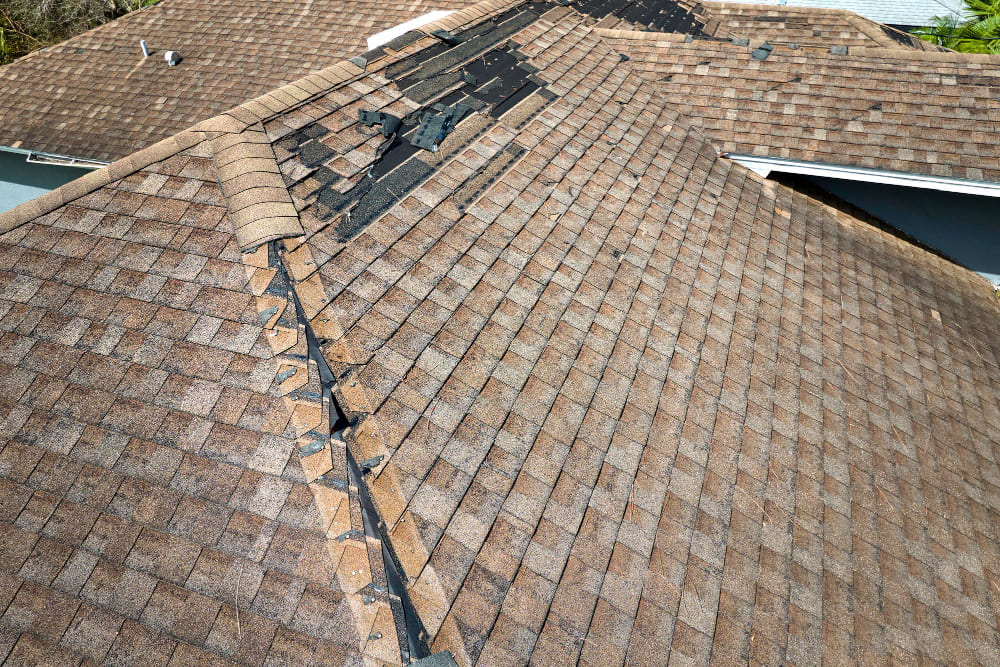
With a new roofing system comes the need for assurance that the roof will perform as expected for years to come. Roofing warranties provide that assurance by offering a safety net against defects, installation errors, or unexpected issues. However, understanding roof warranty details can be challenging due to the variety of warranties available and their specific terms.
Here are the three main types of roofing warranties, with key insights into roofing warranties explained and roofing guarantee coverage.
Key Takeaways✔ Manufacturer’s warranty provides protection for roofing materials against defects and performance issues, covering components like shingles and underlayment. ✔ Workmanship warranty covers installation-related issues, such as leaks or misaligned shingles, and is dependent on the quality and reputation of the contractor. ✔ Extended manufacturer warranty combines material and installation coverage for comprehensive protection, often extending to the roof’s lifetime. |

Why Hiring a Trusted Roofing Contractor is Important
The quality of the contractor’s work directly impacts how well a roof performs and whether a warranty remains valid. A trusted roofing contractor ensures the installation adheres to industry standards. Choosing the right contractor protects both the roof and the warranty.
Key Qualities of a Trusted Roofing Contractor
- Licensing and Certification: Contractors should be licensed to operate in their area and certified by manufacturers to install their products. Certification is often required for extended warranties and ensures that the contractor meets the manufacturer’s quality standards.
- Experience: A contractor with years of experience is more likely to avoid mistakes that could jeopardize warranty validity.
- Positive Reputation: Look for contractors with strong reviews and testimonials from previous clients. A good reputation reflects consistent quality in installations.
- Transparency: Reliable contractors provide clear roof warranty details, ensuring homeowners understand what is covered and what isn’t.
Impact on Warranties
- Manufacturer Warranties: Many roofing material manufacturers require certified contractors to ensure their products are installed correctly. Improper installation is one of the most common causes of roofing failures and can void manufacturer warranties, leaving homeowners without coverage.
- Workmanship Warranties: A contractor’s reputation often correlates with the strength of the workmanship warranty they provide. A trustworthy contractor offers roofing guarantee coverage that instills confidence in their work.
3 Main Types of Roofing Warranties
1. Manufacturer’s Warranty: Coverage for Roofing Materials
A manufacturer’s warranty is one of the most essential aspects of roof protection. As a cornerstone of roofing guarantee coverage, this type of warranty ensures that the materials used on the roof meet high-quality standards and perform as intended.
What It Is
A manufacturer’s warranty is a commitment by the roofing material manufacturer that the products supplied are free from defects and will last for a specified duration under normal conditions. This warranty comes standard with most roofing materials and exclusively focuses on the quality and durability of the materials themselves.
What It Covers
- Material Defects: Covers flaws such as cracking, splitting, or early deterioration caused by manufacturing issues. It also protects against faulty adhesives, weak shingles, or other material deficiencies that could lead to roof failure.
- Weather Resistance: Includes issues like granule loss, which can reduce a roof’s ability to withstand rain, wind, or UV exposure.
- Specified Components: Coverage typically extends to essential parts of the roofing system, including shingles, underlayment, tiles, and ridge caps.
Limitations
While manufacturer warranties are comprehensive in their scope, they have defined boundaries:
- Exclusions: Damage resulting from improper installation, extreme weather events, or neglect is not covered. Situations like structural movement or poor roof ventilation may also void the warranty.
- Timeframe: The warranty period varies widely, often lasting between 10 and 50 years, depending on the product quality and manufacturer.
- Maintenance Requirements: Regular inspections and maintenance are often required to keep the warranty valid. Failure to remove debris, clean gutters, or address small issues promptly may lead to the warranty being voided.
How Homeowners Can Maximize Manufacturer Warranties
- Register the Warranty: Many manufacturers require the warranty to be registered shortly after installation. Missing this step could result in forfeited coverage.
- Retain Documentation: Keep all receipts, warranty details, and proof of purchase in a safe place. These documents will be essential if a claim is needed.
- Understand the Terms: Carefully review roof warranty details to ensure full clarity on what is and isn’t covered. Knowing the exclusions and maintenance obligations helps avoid misunderstandings.
- Partner with Certified Installers: Most manufacturers prefer or require certified contractors to install their materials, ensuring the roofing warranties explained in the documentation remain valid.

2. Workmanship Warranty: Protecting Installation Quality
While manufacturer warranties address the materials, workmanship warranties cover the roof’s installation. Workmanship warranties are a vital component of roofing warranties explained clearly. These warranties are a contractor’s promise to stand behind the quality of their work, ensuring the roof meets industry standards.
What It Is
A workmanship warranty protects homeowners against problems caused by installation errors. This type of warranty ensures the roof has been installed correctly, aligning with best practices and manufacturer requirements.
What It Covers
- Installation Errors: Misaligned shingles, improper fastening, or poorly sealed edges are common issues covered. It helps correct problems that could lead to uneven surfaces, leaks, or inadequate structural integrity.
- Leaks: Covers water intrusion resulting from faulty installation methods, such as gaps in flashing or inadequate sealing.
Limitations
The scope of a workmanship warranty is typically narrower than that of a manufacturer warranty:
- Duration: Coverage usually ranges from 1 to 10 years, depending on the contractor.
- Exclusions: Does not cover issues caused by defective materials, storm damage, or lack of maintenance.
How to Ensure a Strong Workmanship Warranty
- Choose Certified Contractors: Opt for contractors with certifications from leading manufacturers. This ensures compliance with the roofing warranties explained and enhances the warranty’s value.
- Request Written Documentation: A clear and detailed warranty document is critical for understanding the terms of roofing guarantee coverage.
- Schedule Routine Inspections: Regular maintenance and inspections can identify small issues before they escalate, ensuring the warranty remains valid.
3. Extended Manufacturer Warranties: Comprehensive Protection
For those seeking the most robust protection available, extended manufacturer warranties are the ideal choice, as they provide a safety net that extends well beyond standard warranties. With proper installation and adherence to roof warranty details, these warranties offer exceptional value.
What It Is
An extended manufacturer warranty enhances the standard material warranty by including workmanship coverage and longer protection periods. This type of warranty is only available when certified contractors perform the installation, ensuring the highest quality standards.
What It Covers
- Material Defects: Offers full coverage for defective materials, providing homeowners with roofing guarantee coverage for the entire system.
- Workmanship Errors: Protects against installation mistakes, provided the work is done by certified contractors.
- Extended Timeframes: Some warranties last for the roof’s lifetime, offering unparalleled peace of mind.
Limitations
Despite their advantages, extended warranties have specific requirements:
- Certification Requirements: Only certified contractors approved by the manufacturer can perform the installation.
- Additional Costs: Extended warranties typically involve an extra fee, though the benefits often outweigh the cost.
- Exclusions: Non-standard installations or unauthorized modifications to the installed roofing system can void the warranty.
When to Consider an Extended Warranty
- Long-Term Residency: Homeowners planning to stay in their property for decades benefit most from lifetime coverage.
- High-End Roofing Systems: Premium materials deserve premium protection.
- Extreme Weather Areas: For regions prone to severe weather, extended warranties provide added security.

How to Choose the Right Roofing Warranty for Your Needs
Selecting the most suitable roofing warranty involves more than just understanding what’s available; it requires a thoughtful evaluation of specific needs, preferences, and circumstances. A well-chosen warranty can save homeowners significant costs and headaches in the future.
1. Evaluate Your Roofing Material
Roofing materials play a critical role in determining the type of warranty needed. Different materials come with unique lifespans, performance characteristics, and coverage requirements.
In 2020, asphalt made up about 64% of the residential roofing market, solidifying asphalt shingles as the most popular roofing material in North America. This widespread use is due to their affordability, durability, and variety of styles. That said, it’s crucial to ensure the warranty aligns with the specific material used on the roof.
- Longevity and Durability: Asphalt shingles typically have warranties ranging from 20 to 50 years, depending on the grade. Metal, tile, or slate roofs often come with longer warranties, sometimes extending to a lifetime.
- Specific Material Coverage: Some warranties provide detailed protection for issues like granule loss (shingles) or rust resistance (metal roofs).
- Match Warranty to Material Quality: High-end materials often pair well with extended manufacturer warranties for added protection. Budget-friendly options may benefit most from a robust workmanship warranty to ensure proper installation.
2. Assess Contractor Qualifications
The contractor chosen can significantly influence the effectiveness of the roofing warranty. Selecting a skilled and certified professional ensures compliance with warranty requirements and reduces the likelihood of installation-related problems.
- Certification: Many manufacturers mandate that certified contractors handle the installation for warranty activation. Certification ensures that the contractor has received specialized training to install specific roofing materials.
- Reputation and Experience: Opt for contractors with positive reviews, industry recognition, and proven expertise. Contractors with strong workmanship warranties often reflect their confidence in the quality of their work.
- Proof of Credentials: Request to see proof of certifications, licenses, and insurance before signing a contract.
3. Consider Your Location
Where homeowners live plays a significant role in the type of roofing warranty that will best suit their needs. Climate conditions, weather patterns, and regional challenges should all factor into the decision.
- Extreme Weather Areas: Homes in regions prone to heavy rain, snow, or hailstorms should prioritize warranties with comprehensive coverage for material durability and weather resistance. Extended manufacturer warranties are often a wise choice for areas susceptible to hurricanes or tornadoes.
- Temperature Fluctuations: Regions with significant temperature shifts may require warranties that address thermal expansion and contraction issues, especially for metal roofs.
- UV Exposure: In sunny areas, choose materials with warranties covering UV damage and granule loss.
4. Compare Terms and Costs
Understanding the terms of the warranty is essential to avoid surprises down the line. While cost is an important factor, focusing solely on price can lead to inadequate coverage.
- Inclusions and Exclusions: Carefully read the warranty documentation to understand what is covered, such as material defects, installation errors, and weather-related damage. Be mindful of exclusions, such as damage caused by improper maintenance, unauthorized repairs, or natural disasters.
- Length of Coverage: Compare the duration of warranties across different manufacturers and contractors. A longer warranty may indicate higher confidence in the product or service.
- Long-Term Value: Extended warranties may involve a higher initial cost but can save significant expenses over time by covering repairs or replacements. Shorter warranties may be suitable for homeowners planning to sell their property soon.
- Transferability: For homeowners considering resale, a transferable warranty adds value by providing coverage for the new owner.
Common Mistakes to Avoid with Roofing Warranties
Even the best warranties can be invalidated by common homeowner mistakes. By avoiding these mistakes, homeowners ensure their roofing warranties explained in detail remain intact and effective.
- Failing to Register the Warranty: Many manufacturers require warranty registration within a set timeframe. Failure to do so can result in the warranty being voided before ever needing to use it, leaving homeowners unprotected against material defects.
- Hiring Non-Certified Contractors: Using uncertified professionals can void both manufacturer and extended warranties. Certified contractors are trained to install materials according to the manufacturer’s specifications, ensuring compliance with warranty requirements.
- Neglecting Maintenance: Routine maintenance is often a requirement for maintaining warranty validity. Ignoring maintenance schedules, such as annual inspections, may lead to unnoticed damage that could worsen over time and fall outside the scope of coverage.
- Misunderstanding Coverage Terms: Always read the fine print to avoid surprises about exclusions. Clarify any ambiguous language in the warranty documents with the contractor or manufacturer to prevent future disputes.
- Delaying Repairs: Ignoring small issues can lead to significant problems that may not be covered. This is especially crucial for the approximately 75 million properties in the U.S. with roofs nearing the end of their lifespan. Proactive repairs and replacements, combined with appropriate warranties, can prevent costly damages.
Frequently Asked Questions
What is a No Dollar Limit (NDL) roofing warranty?
A No Dollar Limit (NDL) roofing warranty ensures that the manufacturer will cover the entire cost of repairs or replacements, regardless of how expensive they are. Unlike standard warranties, NDL warranties do not have a cap on the financial payout, provided the claim meets all warranty terms. This type of warranty is typically offered for high-end commercial roofing systems but can be a valuable option for homeowners seeking maximum protection.
Can a roofing warranty be transferred to a new homeowner?
Many roofing warranties are transferable, meaning the remaining coverage can be passed on to the new homeowner. Transferability often enhances the home’s resale value since it provides buyers with added peace of mind. However, some warranties require the homeowner to notify the manufacturer or pay a transfer fee within a specific timeframe for the warranty to remain valid.
Do roofing warranties cover labor costs for repairs?
Labor cost coverage depends on the type of roofing warranty. Manufacturer’s warranties typically focus on material defects and do not include labor, leaving homeowners responsible for repair costs. Extended warranties, however, often include labor coverage when certified contractors perform the installation, providing a more comprehensive roofing guarantee coverage.
How does a prorated roofing warranty work?
A prorated roofing warranty provides partial coverage that decreases over time as the roof ages. In the early years, the warranty may cover most repair or replacement costs, but the homeowner becomes responsible for a larger portion as the roof approaches the end of its expected lifespan. It’s essential to understand the proration schedule outlined in the roof warranty details to plan for potential out-of-pocket expenses.
Are there roofing warranties that cover storm damage?
Standard roofing warranties typically exclude coverage for storm damage, as this is considered beyond the scope of material defects or installation errors. Homeowners facing frequent severe weather may need to rely on homeowner’s insurance for storm-related repairs or consider additional warranty options that specifically address weather-related risks. Researching these options ensures a more tailored and effective roofing guarantee coverage.
Take the Next Step to Protect Your Roof with Lyndsey Roofing, LLC!
Don’t leave your roof unprotected—partner with Lyndsey Roofing, LLC, the trusted roofing experts serving Poughkeepsie, NY. Whether you’re looking to understand your roofing warranty, replace an aging roof, or schedule regular maintenance, Lyndsey Roofing, LLC has you covered. With our expertise in roofing installations, we ensure your home stays safe and secure for years to come.
Ready to take the first step? Contact Lyndsey Roofing, LLC today for a consultation and discover why so many homeowners in Poughkeepsie, NY, trust our expertise!