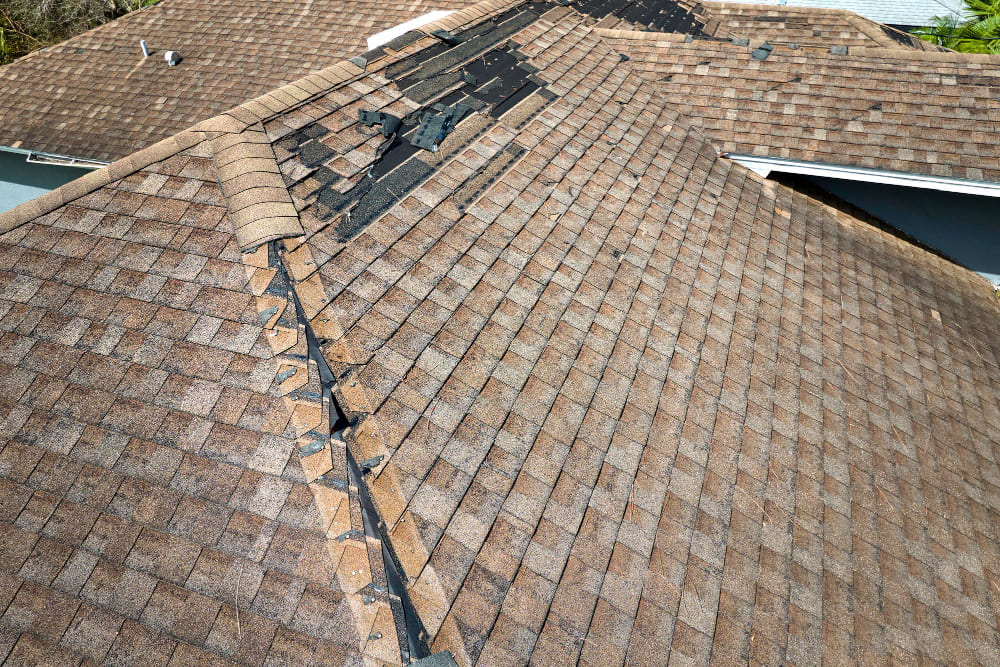
Homeowners in the Hudson Valley don’t just need a solid roof. They need an attic that can handle humid summers and freezing winters. When roof ventilation is off, warm, moist air gets trapped in the attic, which can lead to moisture buildup, mold, and ice dams.
In Poughkeepsie, NY, the problem is often worse because attic temperatures can swing to extremes, damaging insulation, stressing shingles, and driving up energy bills.
We’ll break down what proper roof ventilation really means, why local homes are more vulnerable, and how to spot the warning signs before they turn into expensive roof repairs.
WHAT’S IN THIS GUIDE
QUICK FACTS
 Ventilation helps prevent moisture, mold, and ice dams.
Poughkeepsie attics run extremely hot/cold, hurting insulation and energy costs. Balance intake (soffits) with exhaust (ridge/roof vents). Common problems: blocked soffits, missing baffles, and bath fans venting into the attic. Inspections catch issues early and protect roof life.
What Roof Ventilation Is
Roof ventilation is the controlled movement of outside air through the attic. Its main purpose is to remove excess heat and moisture that naturally build up beneath the roof.
When ventilation works properly, fresh air enters through vents near the lower edge of the roof and exits near the top. This steady airflow helps keep attic temperatures and moisture levels closer to outdoor conditions.
Why Ventilation Matters
Attics collect heat and moisture from everyday household activities such as cooking, showering, and laundry. Without a way for that air to escape, it can condense on the underside of the roof deck or raise attic temperatures to extreme levels.
Proper ventilation helps prevent several common issues:
- Moisture buildup that can lead to mold and wood rot
- Ice dams during winter
- Excess attic heat in summer
- Reduced insulation performance
Poor attic ventilation can contribute to moisture damage and insulation deterioration over time.
What Ventilation Is Not
Roof ventilation is often misunderstood. It does not cool the home directly, and it does not replace insulation.
Instead, ventilation works together with insulation and air sealing. Insulation slows heat transfer from the home to the attic, while air sealing limits warm indoor air from escaping upward. Ventilation then removes the heat and moisture that still enter the attic.
The Basics of a Balanced Ventilation System
Air enters the attic through intake vents near the lower edge of the roof and exits through exhaust vents near the ridge or upper roof surface. This creates a continuous airflow path that removes heat and moisture.
Intake Vents
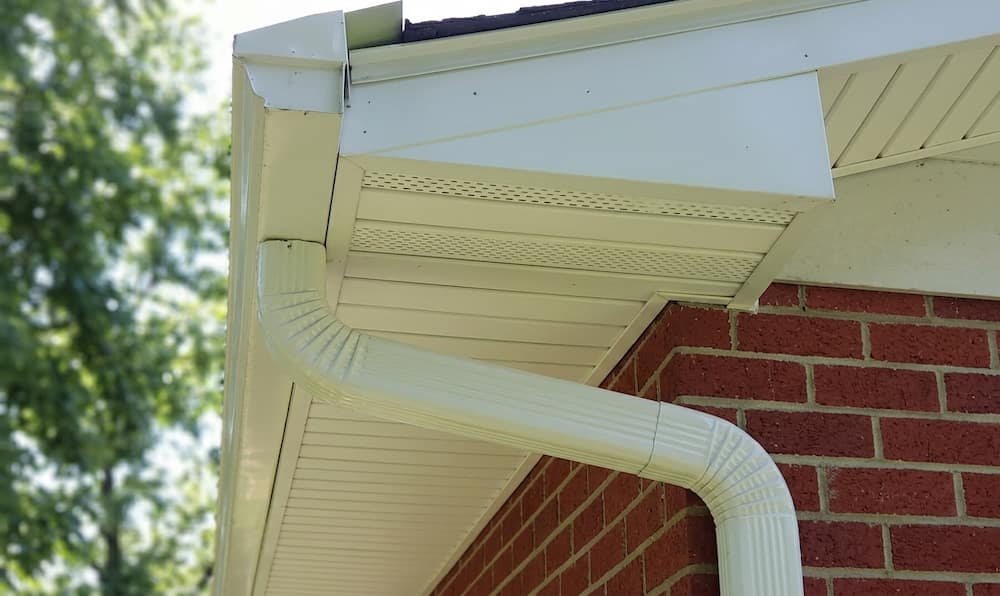
Intake vents are usually installed in soffits beneath the roof overhang. These vents allow cooler outdoor air to enter the attic.
Exhaust Vents
Exhaust vents release warm, moist air from the attic. Common exhaust systems include:
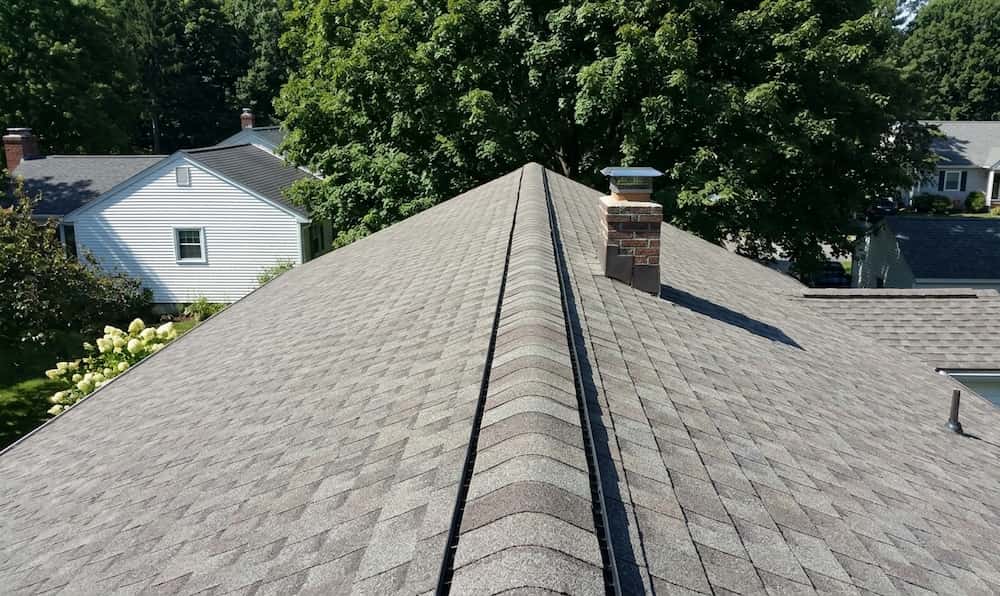
- Ridge vents installed along the roof peak
- Static roof vents, often called box vents
- Gable vents located on the ends of older homes
Why Poughkeepsie-Area Attics Need Special Attention
Big Seasonal Swings
Summer
Humid outdoor air and intense sun load can drive attic temperatures extremely high. If heat cannot escape, the attic becomes a heat trap, making upstairs rooms harder to cool and putting extra strain on insulation performance.
Winter
Warm air from inside the house rises into the attic. When that air hits cold roof surfaces, it can condense into water, soaking wood and insulation over time.
Ice Dam Risks
Ice dams are common in the Hudson Valley because snow sits on roofs while interior heat tries to escape upward. If the attic is warmer than it should be, snow melts higher on the roof and refreezes near the eaves, creating a dam that can force water under shingles.
Attic ventilation, combined with proper insulation and air sealing, helps keep the attic colder and can reduce ice dam potential.
Common Roof Designs Complicate Ventilation
In the Poughkeepsie area, it is common to see:
- Older homes that rely on gable vents, sometimes with limited soffit intake
- Dormers, additions, and multiple rooflines that create separate attic pockets where air gets trapped
- Finished attics and knee walls that interrupt airflow paths unless they are detailed correctly
The more complex the roof geometry, the easier it is for ventilation to become unbalanced, meaning the attic does not get consistent airflow from low intake to high exhaust.
Code and Ventilation Guidelines Homeowners Should Know
Attic ventilation requirements are often described using the concept of Net Free Ventilating Area, or NFA. This measurement reflects the amount of unobstructed airflow that a vent allows.
Building codes commonly use a ratio between attic floor area and total ventilation area.
- The International Residential Code states that the minimum ventilation area should be at least one square foot of ventilation for every 150 square feet of attic floor space.
- In certain cases, the ventilation requirement can be reduced to one square foot of ventilation for every 300 square feet of attic area. This typically applies when ventilation is balanced between intake and exhaust vents.
How To Check Your Attic Ventilation in One Afternoon
Step 1: Identify Your Attic Type
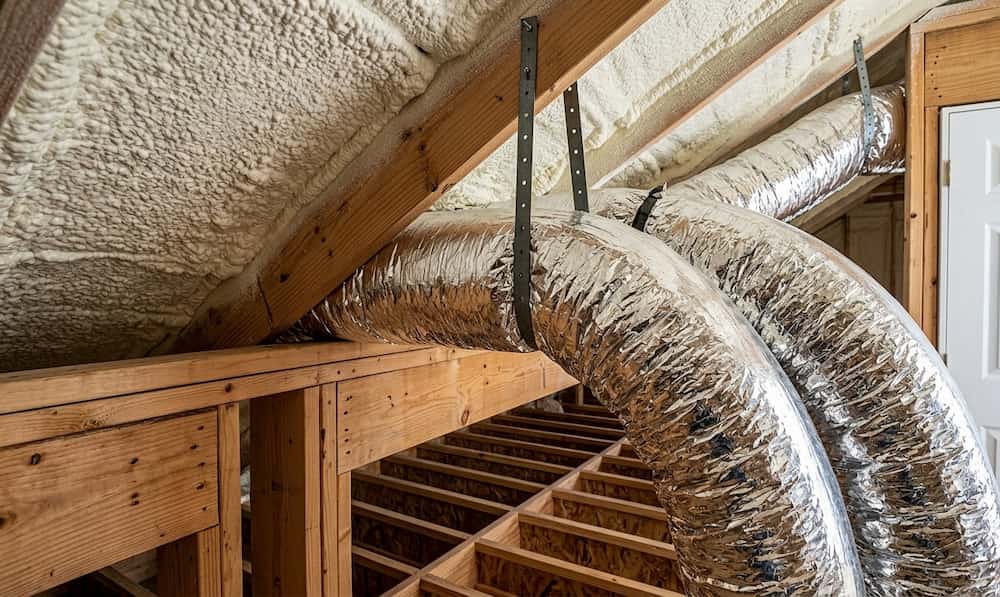
Most homes have vented attics with insulation placed on the attic floor. In some newer homes, insulation may be applied directly to the roof deck in an unvented attic system. These systems require different design approaches.
Step 2: Look for Soffit Intake Vents
Walk around the exterior of the home and locate vents along the soffit panels beneath the roof edge. These vents provide the fresh air needed for proper ventilation.
Inside the attic, check whether insulation is blocking these openings.
Step 3: Check for Baffles or Air Channels
Baffles are installed between rafters to keep insulation from blocking airflow from soffit vents. If insulation fills the entire rafter cavity without baffles, airflow may be restricted.
Step 4: Confirm There Is a High Exhaust Vent
Look for ridge vents along the peak of the roof or roof vents positioned near the top of the roof surface. Without an exhaust vent, warm air cannot escape effectively.
Step 5: Check for Moisture Sources
Two common issues often contribute to attic moisture:
- Bathroom exhaust fans venting into the attic rather than outdoors
- Air leaks around plumbing, wiring, or attic access doors
Sealing air leaks and improving insulation helps reduce moisture problems and ice dam formation.
Step 6: Watch for Warning Signs
Signs that a professional evaluation may be needed include:
- Mold on the roof sheathing
- Wet or compressed insulation
- Rusted nails in the attic ceiling
- Persistent ice dams in winter
Ventilation Strategies That Work Best in Hudson Valley Roofs
Ridge Vent and Soffit Vent Systems
For many homes, the most effective setup is a continuous ridge vent paired with soffit intake vents. This system allows air to enter through the soffits at the roof edge and exit through the ridge at the peak.
This configuration works well because it follows the natural movement of air. Cooler outdoor air enters low on the roof and pushes warmer attic air upward toward the ridge.
Practical benefits of this system include:
- Continuous airflow across the entire roof deck
- Reduced heat buildup during summer
- Lower risk of winter condensation under the roof sheathing
- Improved protection against ice dams when combined with proper insulation and air sealing
Static Roof Vents (Box Vents)
Static roof vents, often called box vents, are individual vents installed near the upper portion of the roof.
These vents can work well when:
- The roof design does not allow for a ridge vent
- The roof has multiple ridges or complex sections
- A portion of the attic needs targeted ventilation
Each vent allows warm air to escape through passive airflow. The key is installing enough vents and ensuring that adequate intake air is entering through soffits or lower roof vents.
Gable Vents in Older Homes
Gable vents allow cross ventilation when the wind blows through the attic space. While they can provide some airflow, they are generally less consistent than ridge-and-soffit systems.
One practical concern is mixing ventilation systems incorrectly. If a ridge vent is added while large gable vents remain open, air may travel between the ridge and gable vents instead of moving from the soffits to the ridge.
Powered Attic Fans
Some homes use powered attic fans to remove hot air. These fans can lower attic temperatures during extremely hot weather, but they must be installed carefully.
If the attic is not properly air sealed from the living space below, a powered fan may pull conditioned air from the home rather than outdoor air. This can increase cooling costs and reduce energy efficiency.
For this reason, powered fans are typically considered only after ensuring that:
- Soffit intake vents are adequate
- Air leaks from the house into the attic are sealed
- Insulation levels are appropriate
What To Look for in a Roofing Contractor
Choosing the right contractor matters, especially when attic ventilation and roof performance are involved. Look for professionals who focus on long-term solutions rather than quick fixes. Here are a few things homeowners should check:
- Proper licensing and insurance
- Manufacturer certifications and training
- Experience with Poughkeepsie, NY, climate conditions
- Clear explanations of ventilation and roofing systems
- Written estimates and warranty details
- Strong local reviews and references
Frequently Asked Questions (FAQs)
Can poor attic ventilation affect my roof warranty?
Yes. Many manufacturers expect ventilation to meet their requirements and basic code standards. If an attic is under-ventilated, it can contribute to heat and moisture issues that may complicate warranty claims related to premature shingle aging.
How hot can an attic get without proper ventilation?
Hot attics can reach 130°F to 150°F on sunny days. That level of heat can reduce insulation performance and make your AC work harder, especially on upper floors.
Are ridge vents better than turbine vents?
Often, yes, because ridge vents provide continuous exhaust along the peak and tend to ventilate more evenly when paired with soffit intake. Turbines rely more on wind, so performance can vary.
Do ventilation upgrades require a full roof replacement?
Not always. Soffit venting, baffles, and clearing blocked intake paths can often be done independently. Ridge vent installation is usually easiest during a roof replacement.
How often should attic ventilation be inspected?
A practical rule is every 1–2 years, and anytime you notice ice dams, musty odors, uneven snow melt, or rising energy bills. Catching problems early helps prevent wood and insulation damage.
Concerned About Attic Moisture or Ice Dams?
For homeowners who want dependable guidance and quality workmanship, Lyndsey Roofing, LLC provides professional roofing services and thorough roof inspections designed for Poughkeepsie, NY, homes.
Our team focuses on doing the job right the first time, helping homeowners make informed decisions about roof ventilation, repairs, and long-term roof performance.