Table of Contents
Key Takeaways
✔ The best temperature for roof replacement is typically between 40°F and 85°F, when roofing materials perform and seal properly.
✔ Installing a roof when it’s too hot or too cold can shorten its lifespan and affect warranties.
✔ Knowing what temperature is too cold to put on a roof helps prevent cracked shingles and delayed sealing.
✔ Extreme heat raises concerns about what temperature is too hot for roofing, increasing the risk of material damage and workmanship issues.
✔ A local, experienced roof contractor plans around roof installation temperature to protect your home and investment.
In new roof installation, timing matters. The temperature on installation day directly affects how well your roof seals, how long it lasts, and whether you avoid early failures. For most materials, especially asphalt shingles, the best temperature for roofing installation is between 40°F and 85°F, when shingles can properly adhere and perform as designed.
What Temperature Is Too Hot for Roofing?

Most roofing materials have an upper temperature limit where performance and installation quality begin to suffer. In general, what temperature is too hot for roofing starts around 90°F and above, especially for asphalt shingles.
When roof installation temperature gets too high, several issues can occur:
Heat-Related Roofing Risks
Over-softened shingles
Asphalt shingles can become too pliable in extreme heat, making them easier to damage during installation and more prone to scuffing.
Improper shingle placement
Soft materials can shift or deform before they’re secured, affecting alignment and long-term performance.
Adhesive overactivation
Excessive heat can cause shingles to seal too quickly, limiting the roofer’s ability to make precise adjustments.
Installer safety concerns
High temperatures increase fatigue and dehydration risk, which can impact workmanship quality.
How Roof Contractors Manage Hot-Weather Installations
An experienced roof contractor plans around high heat by:
- Scheduling early-morning installations
- Limiting foot traffic on hot shingles
- Increasing quality checks during the install
What Temperature Is Too Cold for Roofing?
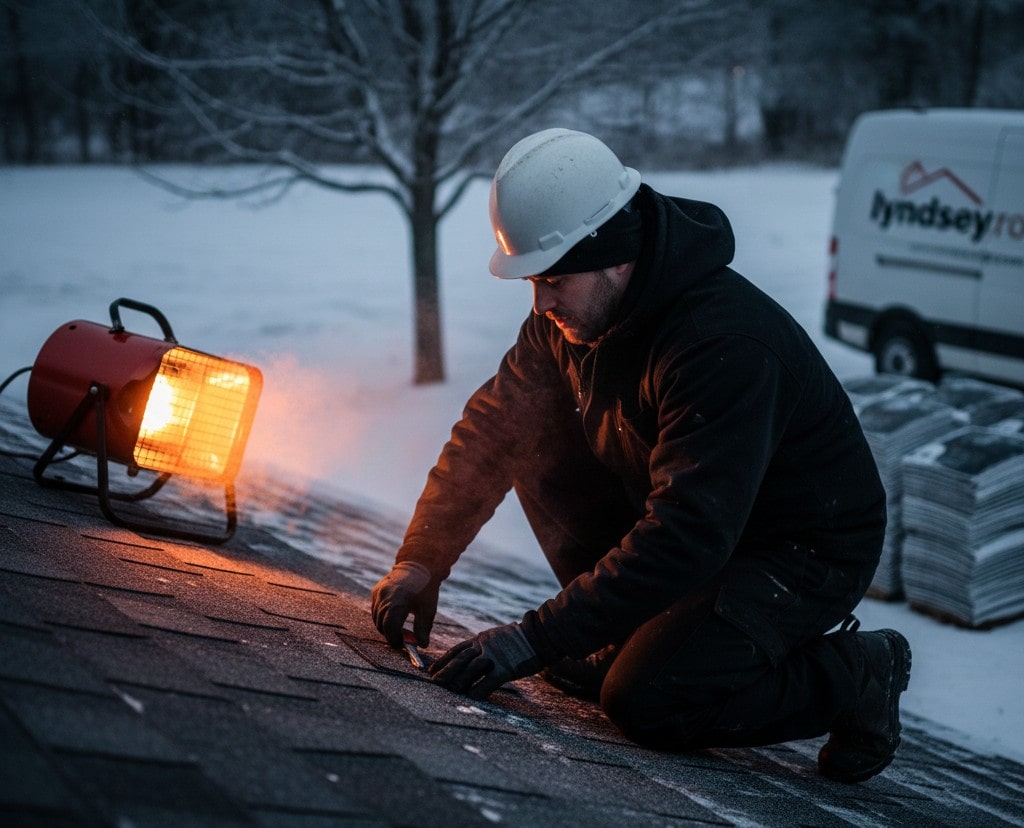
Cold weather creates equally serious challenges. For most asphalt shingles, what temperature is too cold for roofing is generally below 40°F unless special precautions are taken.
At low roof installation temperature, materials become harder to work with and less reliable.
Cold-Weather Roofing Risks
Brittle shingles
Cold temperatures reduce flexibility, increasing the risk of cracking during handling and nailing.
Delayed or failed sealing
Adhesive strips may not activate, leaving shingles vulnerable to wind uplift until warmer weather arrives.
Stiff underlayment and sealants
These materials can tear or fail to bond properly in freezing conditions.
What Temperature Is Too Cold to Put on a Roof?
Homeowners often ask what temperature is too cold to put on a roof, and the answer depends on materials and manufacturer guidelines—but consistently installing below 40°F increases risk without professional adjustments.
A qualified roof contractor may still proceed by:
- Storing materials in heated environments
- Hand-sealing shingles
- Using cold-weather-approved products
What Is the Best Temperature to Install a Roof?
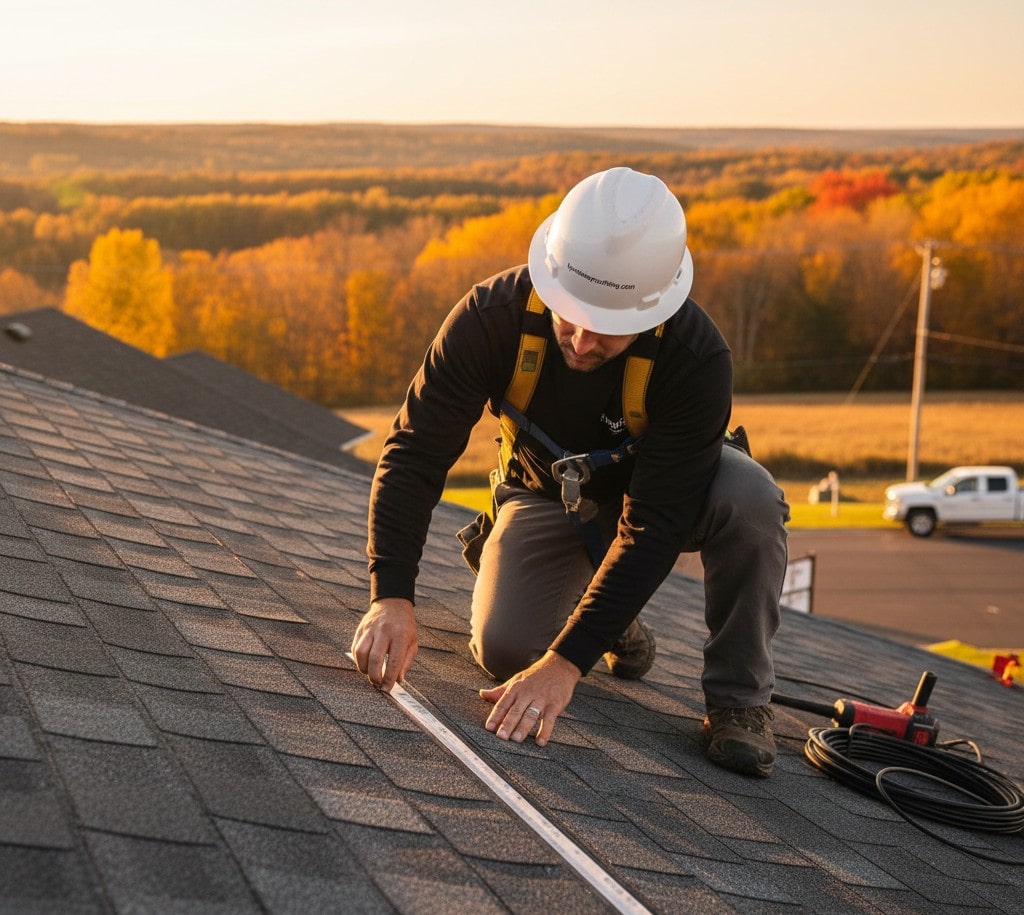
As discussed, the best temperature to install a roof is typically between 40°F and 85°F, especially for asphalt shingle systems. Within this range, roofing materials perform as designed, allowing for proper sealing, flexibility, and long-term durability.
Maintaining the right roof installation temperature helps prevent installation defects that can shorten a roof’s lifespan.
Why This Temperature Range Works Best
Proper shingle adhesion
Asphalt shingles rely on heat-activated sealant strips. Moderate temperatures help shingles seal naturally without becoming brittle or overly soft.
Material flexibility and handling
Shingles, underlayment, and flashing remain pliable, reducing the risk of cracking, tearing, or misalignment during installation.
Consistent installation quality
Crews can work efficiently and accurately without extreme heat or cold impacting workmanship.
How the Best Temperature for Roof Replacement Protects Your Investment
Installing a roof within the best temperature for roof replacement:
- Improves wind resistance and weather protection
- Reduces the risk of premature repairs
- Helps ensure manufacturer warranty compliance
What Is the Best Time to Install a Roof?
The best time to install a roof depends on achieving stable weather conditions and the ideal roof installation temperature. While roofing can be done year-round, moderate seasons typically offer the best balance of performance, efficiency, and long-term results.
For many homeowners, the best temperature for roof replacement aligns with spring and fall, when extreme heat and cold are less likely.
Seasonal Breakdown: When Roofing Works Best
Spring (March–May)
Mild temperatures often fall within the ideal roof installation temperature range. This season supports proper shingle sealing, though rain delays can occur.
Summer (June–August)
Roofing is common but requires careful planning. When temperatures climb, contractors must manage what temperature is too hot for roofing to protect materials and workmanship.
Fall (September–November)
Often considered the best time to install a roof. Cooler, consistent temperatures support efficient installation and optimal sealing—making fall a prime window for the best temperature for roof replacement.
Winter (December–February)
Best suited for repairs or manufacturer-approved installations. Cold weather raises concerns about what temperature is too cold to put on a roof, especially for asphalt shingles.
How a Roof Contractor Determines the Right Timing
An experienced roof contractor looks beyond the calendar by:
- Monitoring daily and long-term forecasts
- Evaluating material-specific temperature requirements
- Scheduling around consistent roof installation temperature, not just season
At What Temperature Do Shingles Seal?
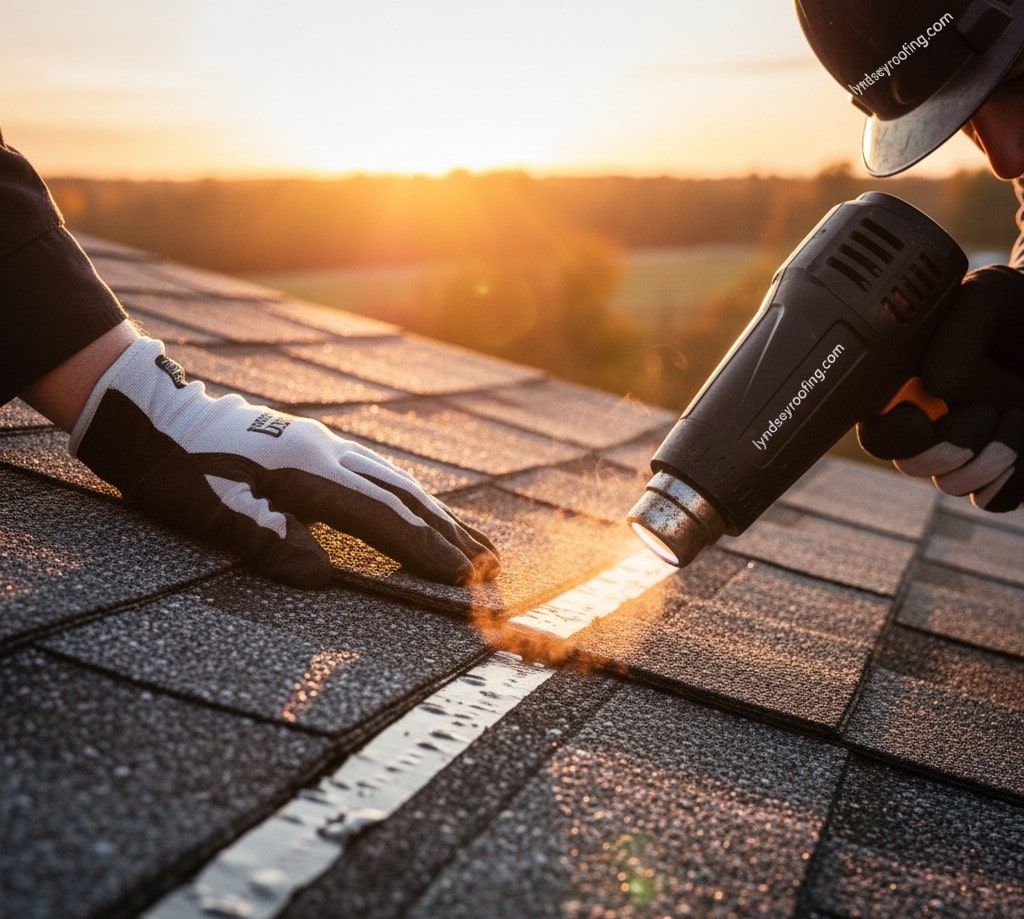
Asphalt shingles are designed to seal using heat-activated adhesive strips. In most cases, shingles begin sealing once outdoor temperatures consistently reach 70°F or higher, combined with direct sunlight.
This is why roof installation temperature plays such a critical role in long-term roof performance.
How Shingle Sealing Works
Heat-activated adhesive strips
Shingles contain a factory-applied sealant that softens with warmth and bonds to the shingle below.
Sun exposure matters
Even if air temperatures are moderate, sunlight helps raise surface temperatures enough to trigger sealing.
Time-based sealing
Shingles don’t always seal immediately. When installed within the best temperature for roof replacement, sealing may occur within days—or weeks in cooler conditions.
Temperature affects flexibility
Around 40°F, asphalt shingles become stiffer and less pliable, which can increase the risk of cracking and prevent adhesive strips from activating until warmer weather arrives.
What Happens If Shingles Don’t Seal Right Away?
Delayed sealing is common when roofing is installed near the lower end of the acceptable roof installation temperature range. However, this does not automatically indicate a problem if installation followed manufacturer guidelines.
A professional roof contractor accounts for this by:
- Monitoring weather patterns post-installation
- Using hand-sealing methods when needed
- Ensuring shingles are protected until sealing occurs
What Roof Sealant Can Be Applied in Cold Weather?
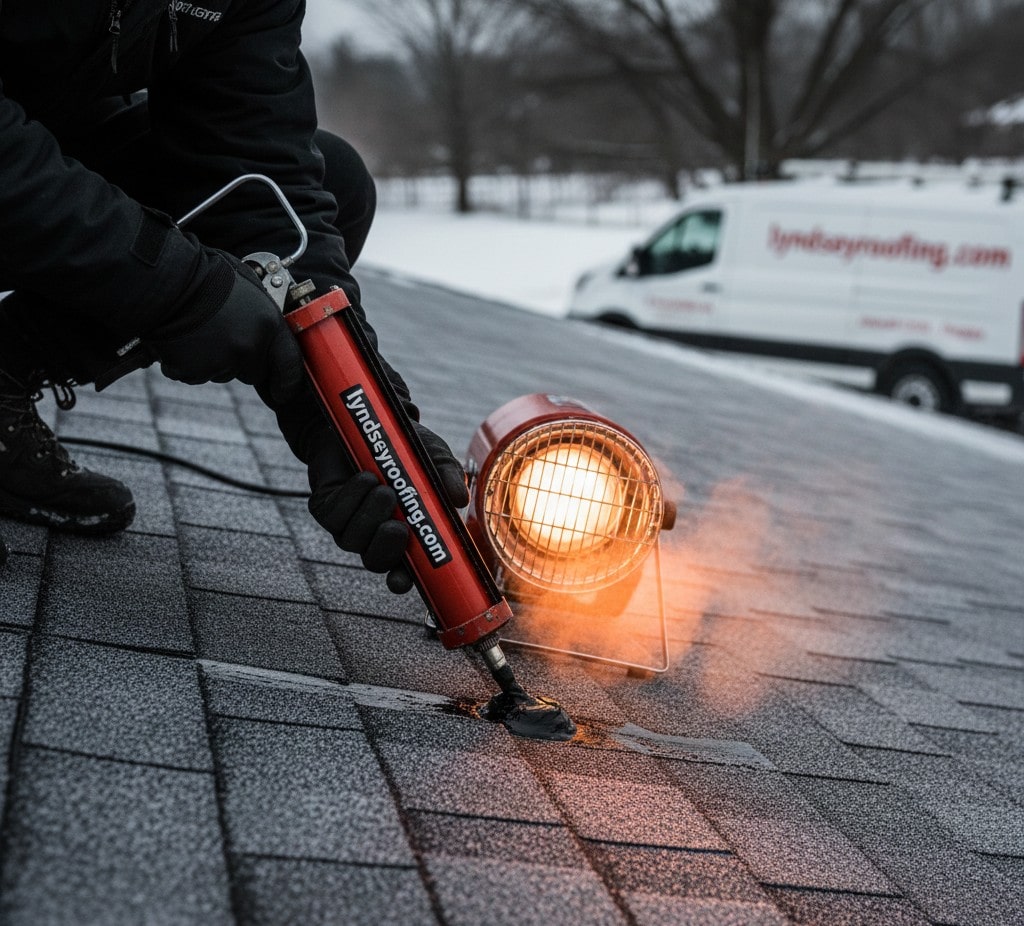
Cold temperatures limit which roofing products can be used effectively. When roof installation temperature drops below the ideal range, only certain sealants are designed to cure and perform properly.
This is especially important when addressing repairs or temporary protection in conditions approaching what temperature is too cold to put on a roof.
Cold-Weather Roof Sealant Options
Polyurethane Sealants
Remain flexible in lower temperatures and adhere well to common roofing materials. Often used for flashing, seams, and penetrations.
Butyl Rubber Sealants
Designed to bond in colder conditions and resist moisture intrusion. Commonly used for temporary or emergency applications.
Cold-Applied Asphalt Sealants
Formulated for lower-temperature use but typically intended as short-term solutions until permanent repairs can be made.
When Cold-Weather Sealants Are Appropriate
Cold-weather sealants are most often used:
- During emergency leak repairs
- When full replacement must be delayed due to roof installation temperature
- As part of manufacturer-approved cold-weather roofing techniques
Why Professional Application Matters
Not all sealants are compatible with every roofing system. A qualified roof contractor evaluates:
- Current and forecasted temperatures
- Material compatibility
- Whether the sealant is a temporary or long-term solution
How to Choose the Right Roofing Company in Poughkeepsie, NY
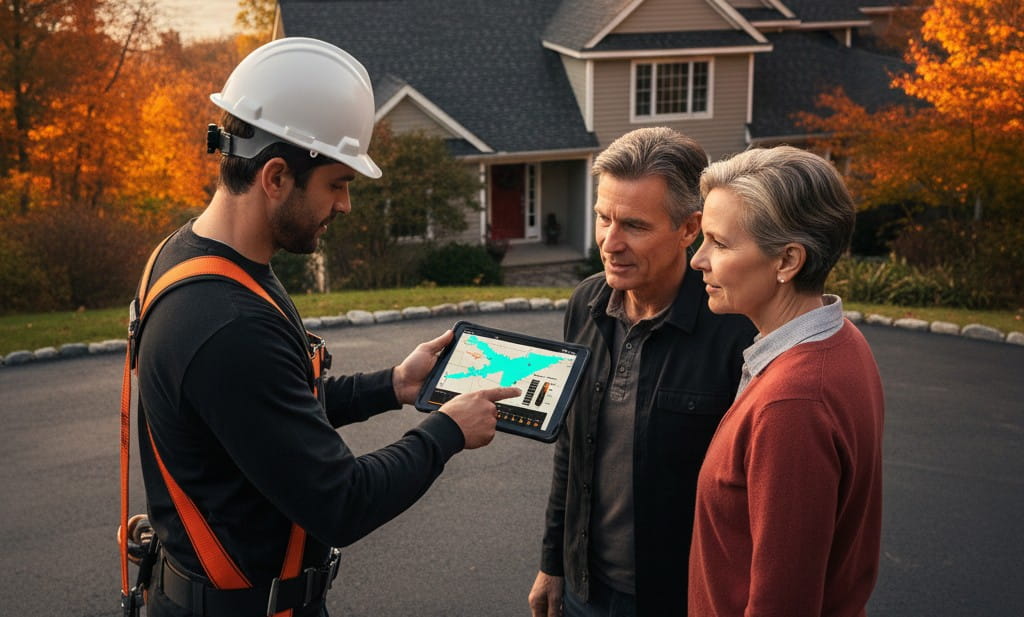
Choosing the right roofing company is just as important as choosing the right materials or timing. A qualified local roof contractor understands regional weather patterns, proper roof installation temperature, and how seasonal conditions affect performance in the Hudson Valley.
Look for Local Experience and Climate Knowledge
Familiarity with Poughkeepsie weather
A local roof contractor understands freeze-thaw cycles, temperature swings, and how they impact the best temperature for roof replacement.
Seasonal installation expertise
Local professionals know how to manage projects when conditions approach what temperature is too cold to put on a roof or what temperature is too hot for roofing.
Proven work in similar homes
Experience with local architecture and roofing systems leads to better installation decisions.
Verify Licensing, Insurance, and Manufacturer Compliance
Proper licensing and insurance coverage
Protects homeowners from liability and ensures professional standards are met.
Manufacturer-approved installation methods
Essential for maintaining warranties, especially when working outside the ideal roof installation temperature range.
Clear documentation and contracts
A trustworthy roof contractor explains scope, materials, and timing upfront.
Evaluate Communication, Transparency, and Planning
Temperature-aware scheduling
The right company plans around weather forecasts to ensure the best temperature for roof replacement whenever possible.
Clear explanations of risks and options
Homeowners should understand when temperature may affect sealing, curing, or installation timelines.
Local references and reviews
Feedback from other Poughkeepsie homeowners adds credibility and trust.
Frequently Asked Questions
Yes. Many manufacturers require roofs to be installed within approved roof installation temperature ranges. Installing outside the best temperature for roof replacement without proper methods may impact warranty coverage.
In many cases, yes. Extreme heat or cold — including conditions that raise concerns about what temperature is too hot for roofing or what temperature is too cold to put on a roof — can affect material performance and installation quality.
Yes, but it requires careful planning. An experienced roof contractor monitors daily temperature fluctuations to ensure the roof installation temperature stays within safe limits throughout the workday.
In cooler conditions, shingles may take longer to seal. Many roof contractors recommend a follow-up inspection after warmer weather to confirm proper adhesion and performance.
Yes. High humidity combined with heat can increase risks when evaluating what temperature is too hot for roofing, affecting both installer safety and material handling.
Talk to a Trusted Roof Contractor Today
If you’ve ever wondered what temperature is too cold to put on a roof, what temperature is too hot for roofing, or when the best temperature for roof replacement really is, the safest next step is talking to a professional.
For homeowners in Poughkeepsie, NY, Lyndsey Roofing, LLC offers experienced, temperature-conscious roofing solutions built for local conditions.
Contact Lyndsey Roofing, LLC today to schedule a consultation!