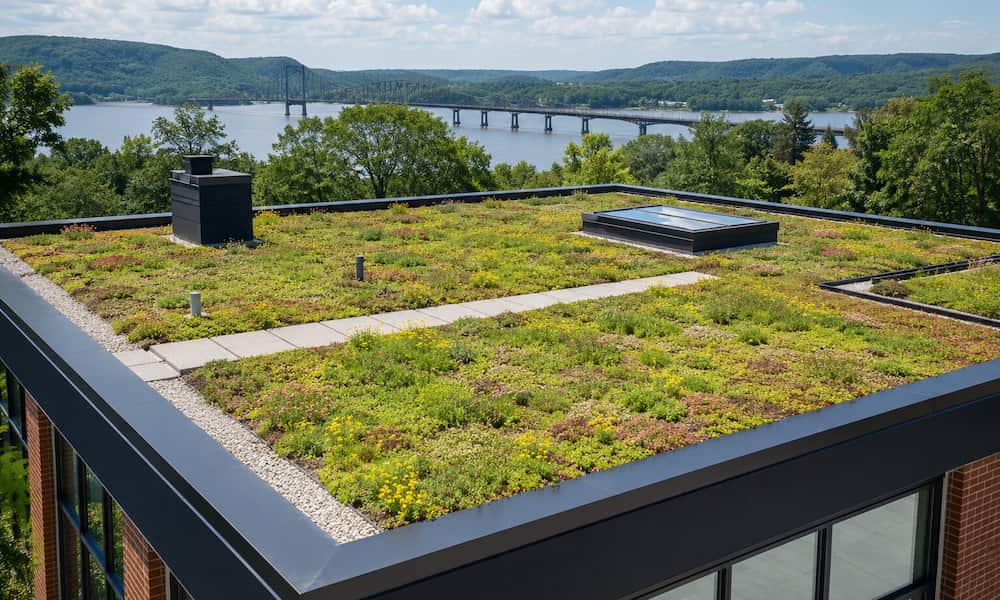
Green roofs are a practical building strategy because they solve multiple real-world problems at once. They can cut roof runoff, help regulate rooftop temperatures, support energy performance, and protect the waterproofing layer from the sun and temperature swings.
If you manage or own a commercial building, the core question is simple: Are green roofs worth considering for your property, and what must be designed correctly to get the benefits without creating risk?
WHAT’S IN THIS GUIDE
QUICK FACTS
 Green roofs can reduce stormwater runoff and slow peak flow. Green roofs can moderate roof temperatures, supporting comfort and durability. Saturated structural load is the first feasibility checkpoint. Drainage and waterproofing quality determine long-term reliability. A simple inspection and maintenance plan protects performance and warranty.
What Is a Green Roof?
A green roof is a vegetative layer grown on a rooftop that provides shade and removes heat from the air through evapotranspiration. It is not the same as a few planters on a roof deck.
A true green roof includes multiple layers that work together to manage water, protect the roof membrane, and keep plants alive.
Most systems include:
- A roof deck and structural support
- Waterproofing membrane (and sometimes a root barrier)
- Protection layer
- Drainage layer and filter fabric
- Engineered growing media
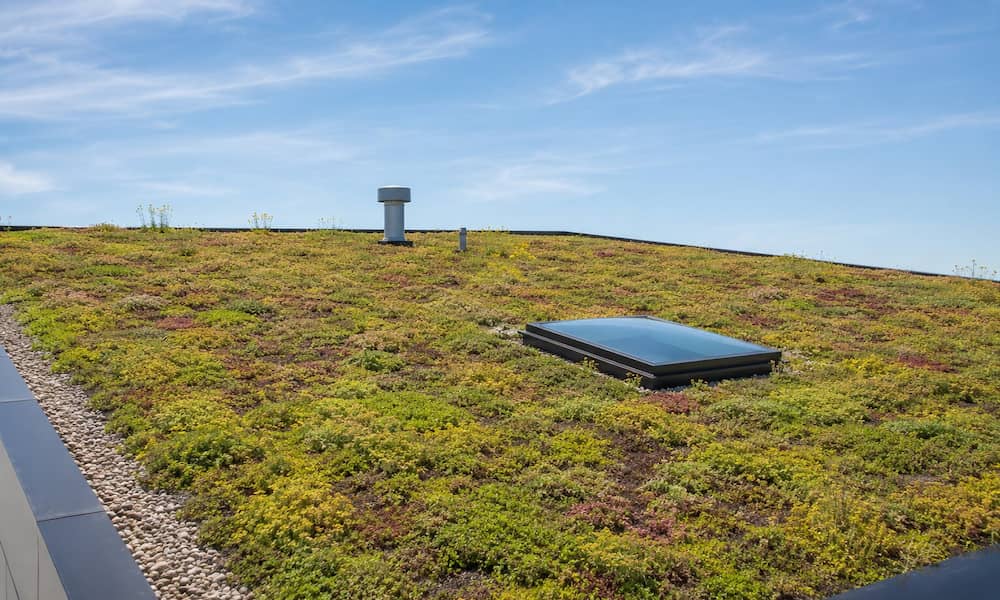
- Vegetation (often sedum on lower-profile systems)
Extensive vs. Intensive: The Two Common Types
Extensive Green Roofs
- Shallower growing media
- Lighter weight (but still significant when saturated)
- Often planted with hardy, drought-tolerant species like sedum
- Typically designed for performance and durability more than rooftop “garden” use
Intensive Green Roofs
- Deeper growing media
- Higher saturated load and usually higher maintenance
- Supports a wider range of plants and more usable amenity space
What a Green Roof Is Not
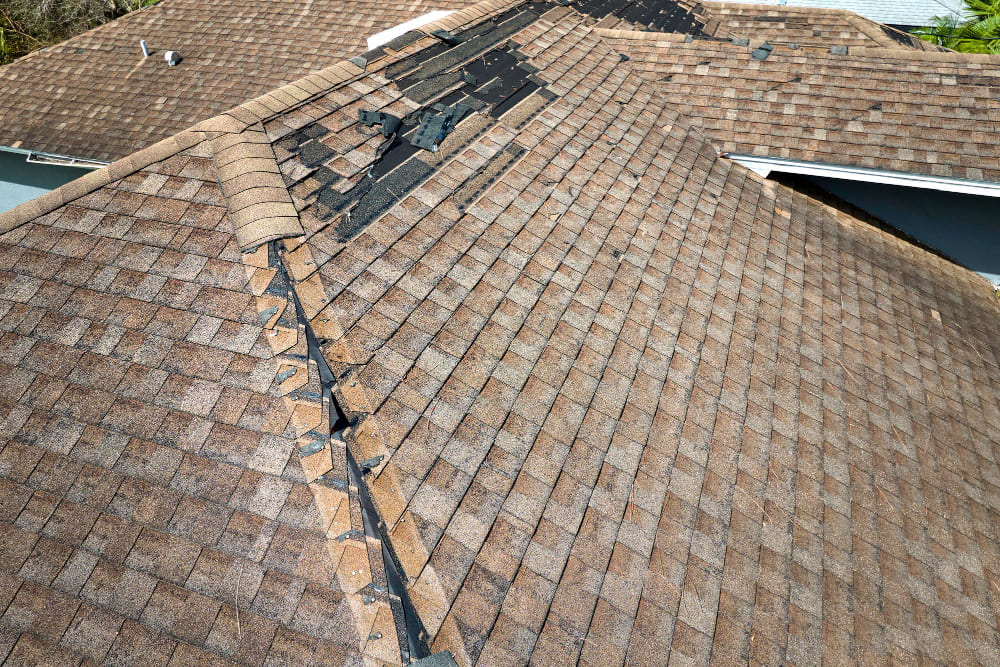
A lot of disappointment (and avoidable repairs) happens when owners assume a green roof is just plants on top or that it will automatically solve roofing problems. Before you commit to a system, it helps to be clear about what a green roof cannot do.
- Not maintenance-free. Plants, drains, edges, and roof details still need scheduled inspections.
- Not automatically compatible with every building. Structural capacity and drainage conditions can be deal-breakers.
- Not a shortcut around good waterproofing. The waterproofing system is still the foundation of roof reliability.
Benefits of Green Roofs for Commercial Buildings
1. Reduced Stormwater Runoff and Better Runoff Timing
Studies indicate green roofs can retain up to 50% of annual rainfall volume through retention and evapotranspiration, while slowing peak runoff during storm events.
Why that matters for commercial properties:
- Less strain on the onsite drainage infrastructure
- Potential support for stormwater compliance strategies
- Reduced the risk of sudden surges into storm sewers during heavy rain events
Note: Retention varies by media depth, plant selection, roof slope, rainfall patterns, and season.
2. Temperature Moderation and Heat Island Reduction
Commercial roofs can get extremely hot in direct sunlight. A green roof helps in two ways: plants shade the surface, and evapotranspiration removes heat from the air.
Green roofs reduce the temperatures of the roof surface and the surrounding air and can help mitigate the urban heat island effect.
Practical impacts you may notice:
- Less thermal stress on roof materials
- Improved rooftop conditions around mechanical equipment
- More stable top-floor comfort in some building configurations
3. Energy Performance Support
Green roofs can support energy performance by reducing heat transfer, particularly in cooling seasons, though results vary by building design, climate, insulation levels, HVAC schedules, and roof coverage.
Green roofs are a promising technology with energy-saving and environmental benefits. They provide shade, cool indoor and outdoor temperatures, and support stormwater management.
4. Extended Roof Lifespan and Lifecycle Value
A major long-term advantage is protection of the waterproofing layer from UV exposure and temperature extremes. The average life expectancy of green roofs is about 40 years versus 17 years for conventional roofs.
For owners, this can translate into:
- Fewer full tear-offs over the building’s life
- Better long-range capital planning
- Reduced disruption to tenants during roof replacement cycles
5. Aesthetic and Functional Value
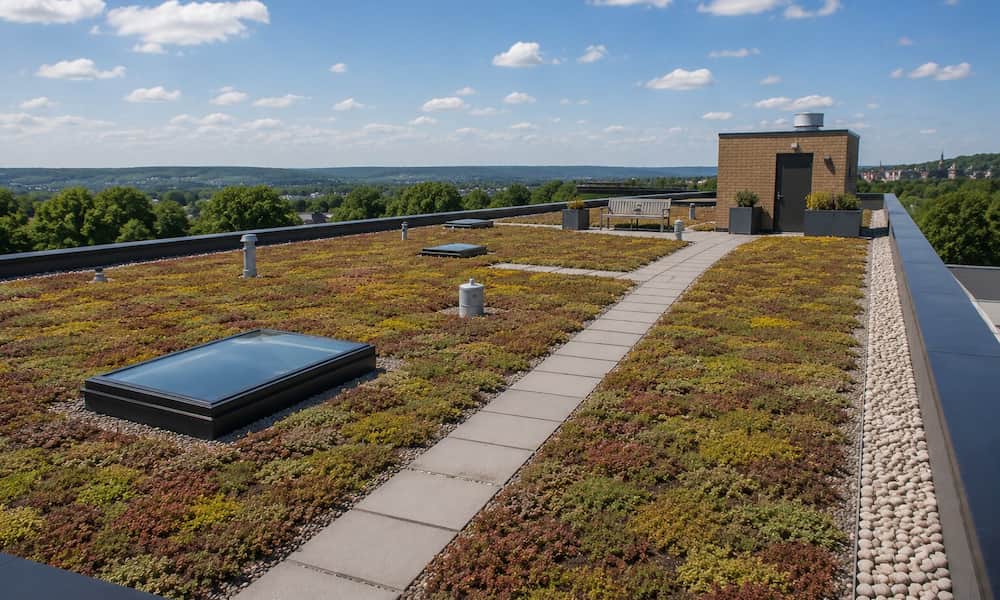
When the design includes safe access, durable walking surfaces, and a plant palette that stays healthy through the seasons, a green roof can become a real asset instead of a decorative layer.
Green roofs can offer:
- Improved rooftop appearance
- Better views from upper floors
- Amenity potential (mostly intensive)
- Defined walk paths and zones
- Stronger tenant experience
- Visible sustainability signal
Design Considerations That Make or Break a Commercial Green Roof
1. Structural Capacity
The single most important design checkpoint is structural capacity under fully saturated conditions. Structures must be able to support the loading of green roof materials under fully saturated conditions.
What to confirm early:
- Dead load of the full green roof assembly (including saturated growing media)
- Live loads (maintenance workers, snow, equipment, pavers, planters if applicable)
- Wind and edge-zone effects that may influence ballast and assembly design
If the building is a retrofit, a structural review often determines whether an extensive system is feasible without major reinforcement.
2. Roof Slope, Drainage, and Ponding Control
Drainage is not a minor detail. A green roof changes how water moves across the roof. Even though the assembly retains water, it must also release excess water safely during heavy storms.
Key drainage design elements:
- Drain locations and drain capacity verification
- Drain inspection boxes so drains can be accessed and cleared without disturbing the system
- Clear overflow pathways to prevent uncontrolled ponding
Stormwater benefits do not eliminate the need for correct roof drainage. In fact, good drainage becomes more important because failures can be harder to detect under the vegetative layer.
3. Waterproofing Strategy and Root Resistance
A green roof should be built on a waterproofing system designed for long service life, since access becomes more complex after installation. Waterproofing is a core component of a green roof system.
Design decisions that reduce risk:
- Membrane selection appropriate for long-term exposure to moisture and protected conditions
- Root resistance and detailing around penetrations
- A quality assurance plan for membrane integrity before the green roof layers go down
Many owners choose additional verification steps before vegetative layers are installed:
- Flood testing where appropriate
- Electronic leak detection methods in some projects
- Documented inspection and signoff at key milestones
4. Vegetation and Growing Media Selection
Plant selection is not primarily an aesthetic choice on most commercial extensive roofs. It is a performance choice.
Sedum and similar hardy, low-growing species are common because they:
- Tolerate drought and wind exposure better than many ornamentals
- Can handle shallow media depths typical of extensive systems
- Establish reliably when the system is designed correctly
Growing media is engineered, not ordinary soil. Media depth influences:
- Water retention and stormwater performance
- Plant options and root stability
- Saturated weight and structural demand
A practical way many commercial projects simplify plant establishment is through pre-planted modules or pre-vegetated mats. Modules can improve uniformity and speed installation, though they still require proper drainage, waterproofing, and maintenance planning.
5. Wind Uplift, Edges, and Transitions
Green roofs are not uniform across the whole surface. Edge zones often face higher wind exposure and greater risk of drying and wind scour. The design must address:
- Perimeter restraint and edge detailing
- Transitions to pavers, mechanical zones, and walk paths
- Protection around roof penetrations and equipment curbs
These areas are also where inspection access and long-term performance issues tend to concentrate. Good detailing here saves money later.
6. Access, Safety, and Maintenance Planning
Owners sometimes approve a green roof and then treat maintenance as optional. That is a common failure point. Green roofs require management attention, inventory oversight, and appropriate maintenance planning across a portfolio.
Minimum planning should include:
- Safe access for maintenance personnel
- Defined walk paths or pavers to prevent damage during inspections
- Scheduled drain checks and seasonal inspections
- A first-year establishment plan for weeding and plant infill as needed
How To Plan a Green Roof
A green roof performs best when it’s planned like a roof system first and a planting project second.
- Define your goal. Clarify whether the priority is stormwater control, energy performance, roof longevity, or usable space.
- Confirm structural capacity. Verify the building can support saturated loads and required live loads.
- Evaluate roof condition. Install over a sound, long-life waterproofing system.
- Select system type. Choose extensive or intensive based on load, use, and maintenance capacity.
- Design drainage carefully. Protect drains and provide clear overflow paths.
- Plan waterproofing verification. Test and document before adding vegetation.
- Create a maintenance plan. Schedule inspections and seasonal upkeep from day one.
Frequently Asked Questions (FAQs)
Can a green roof be installed on an existing commercial roof, or does it require a full replacement?
It can go over an existing roof if the waterproofing membrane is in excellent condition and has substantial service life left. Many owners still pair a green roof with a new membrane because repairs are harder once the system is installed. A roof assessment should confirm membrane condition, detailing, and drainage first.
How long does it take a green roof to establish and look filled-in?
Will a green roof attract pests or cause odors?
Not typically. Problems usually come from standing water, clogged drains, or decomposing debris. Good drainage design and routine inspections are the main preventatives, along with plants that match the site’s sun and wind exposure.
Do green roofs void roof warranties?
Not automatically, but warranty coverage depends on the membrane manufacturer’s requirements. That often includes approved assemblies, qualified installers, correct detailing, and documented maintenance. Coordinating the waterproofing and green roof specs up front helps avoid conflicts.
Can a green roof be installed only on part of the roof?
Yes, partial coverage is common. It can reduce structural impact, keep clear zones around equipment and access paths, and target runoff control where it matters most. The key is designing transitions, drainage, and edge details correctly.
Plan Your Green Roof the Right Way
Before moving forward with design or bids, it’s smart to have your roof assessed by experienced professionals.
If you own or manage property in Poughkeepsie, NY, and want a clear, practical evaluation of your options, Lyndsey Roofing, LLC can help. We’ll determine feasibility, review your existing roof condition, and develop a plan built around durability, code compliance, and long-term protection.