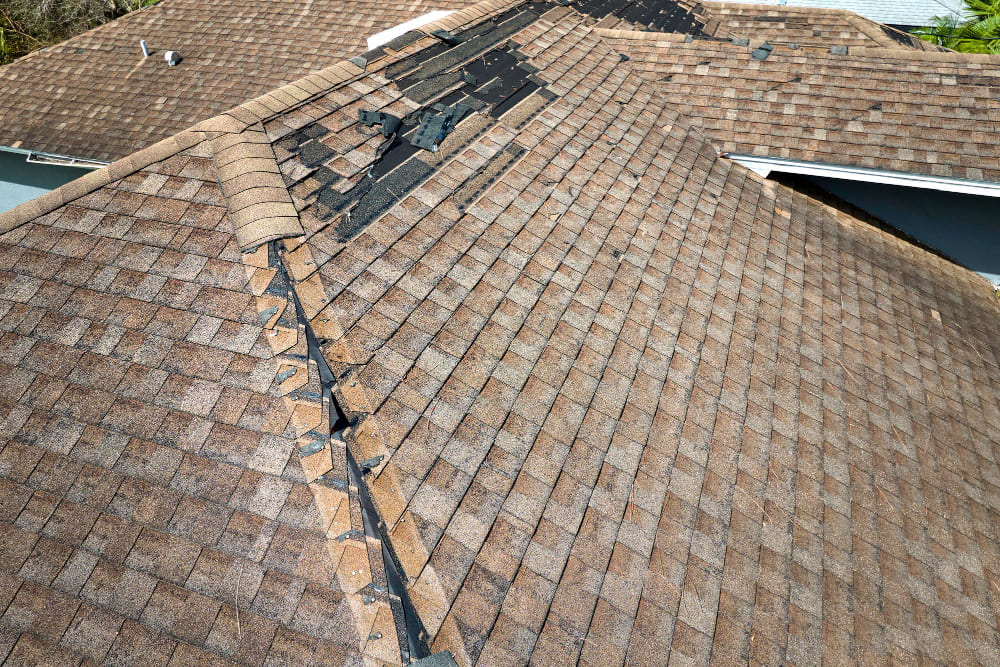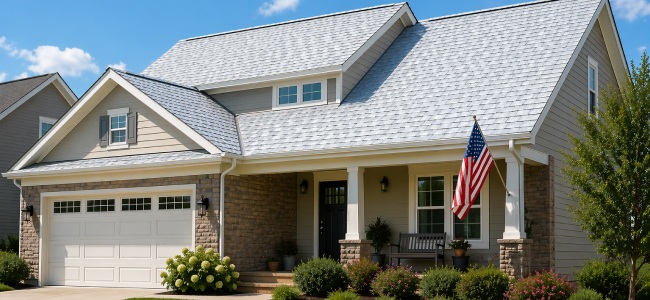
If your summer electric bills keep climbing, your roof may be part of the reason. Roofing is a major driver of how much heat your home or building absorbs, and how hard your air conditioner has to work.
Solar-reflective shingles (often called cool roof shingles) generally save more on energy costs than traditional asphalt shingles. They reflect more sunlight and absorb less heat.
Cool roofing products can also stay about 50 to 60°F cooler than conventional materials under peak summer conditions.
Quick Facts
 Reflective shingles can cut summer heat gain and ease AC use
Attic insulation, air sealing, and ventilation decide whether savings show up.
Full sun exposure usually means better results than heavy shade.
In the Hudson Valley, comfort often improves, but annual savings can be modest.
Your utility bills and attic conditions are the best reality check.
What Are Solar-Reflective Shingles?
Solar-reflective shingles are asphalt shingles engineered to reduce roof heat gain. You might see them labeled as:
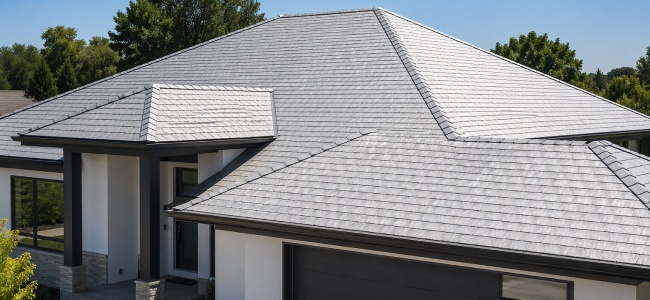
- Cool roof shingles
- Solar reflective shingles
- ENERGY STAR cool roof products (for qualifying products)
How They Work
A roof heats up primarily because it absorbs solar energy. Solar-reflective shingles use more reflective granules and pigments to bounce more sunlight away and to shed heat more effectively. The result is a lower roof surface temperature and less heat moving into the attic and the rooms below.
Metrics That Matter
When comparing cool roof shingles, you will often see:
- Solar reflectance: How much sunlight the surface reflects.
- Thermal emittance: How effectively the roof releases absorbed heat.
A cool roof is typically one that performs well on these properties, which is why the same roof color can sometimes perform very differently depending on the product formulation.
Why Reflective Shingles Get Attention Now
Roofing is increasingly treated as an energy decision, not just a curb-appeal one. Here’s why solar-reflective shingles are showing up more often in guidance from building-science and energy organizations:
- Hotter summers: More high-heat days increase cooling needs, so reducing roof heat gain has a bigger payoff.
- Higher energy costs: Peak-season electricity can be expensive, and lowering AC run time can help control bills.
- Peak demand: Cool roofs can cut cooling load during the hottest hours when demand and rates tend to be highest.
- Better comfort: Lower roof and attic temperatures can make upstairs rooms and finished attics feel less overheated.
- Whole-home mindset: Energy guidance increasingly treats roofing as part of a system with insulation, air sealing, and ventilation.
- Heat resilience: Reflective roofs can help reduce heat island effects and improve comfort during extreme heat events.
What Are Traditional Shingles?
Traditional shingles usually mean standard asphalt shingles, including 3-tab and architectural shingles that are not specifically designed for higher solar reflectance.
How They Behave in the Sun
A conventional roof absorbs sunlight during the day, increasing roof temperature and transferring more heat into the building.
That translates into:
- Warmer attics
- Higher indoor temperatures (especially upstairs)
- Greater air-conditioning demand during hot afternoons
Why They Remain Common
Traditional asphalt shingles are popular because they are:
- Widely available in many styles
- Familiar to installers and homeowners
- Often lower cost upfront
They can still be a strong choice in the Hudson Valley when ventilation, insulation, and color selection are dialed in, but they are not typically the “energy saver” option in summer.
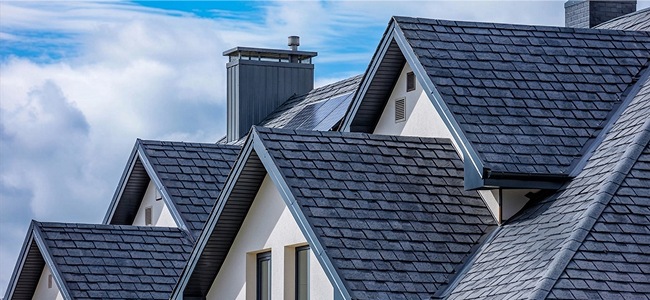
Energy Savings: Side-By-Side Comparison
Solar-reflective shingles typically save more on energy than traditional shingles because they reduce how much solar heat your roof absorbs. The biggest differences show up during hot, sunny periods when air conditioning is running.
Category | Solar-Reflective Shingles (Cool Roof) | Traditional Asphalt Shingles |
Heat | Reflect more sunlight, absorb less heat | Absorb more solar heat |
Roof surface temp | Can stay 50°F+ cooler in peak sun | Runs hotter in direct sun |
Cooling | Can reduce AC demand, sometimes up to ~30% in warm climates | Can increase cooling load during peak heat |
Best payoff | High summer cooling use, lots of sun exposure | Cooling use is low, heavy shade |
Winter effect | May reduce passive solar heat gain slightly | May allow a bit more winter heat gain |
Comfort | Cooler attic and upper floors in summer | Hotter attic and upstairs rooms are more common |
What drives results | Ventilation + insulation + air sealing make gains measurable | Same, but roof absorbs more heat regardless |
Cooling Season Savings
What Changes With Reflective Shingles
- Lower roof heat gain means less heat pushing into the attic.
- Lower attic temps often mean less heat radiating down into upstairs rooms.
- Reduced AC run time is most noticeable on hot afternoons.
Who Typically Feels the Difference Most
- Homes with high summer electric bills
- Properties with large, unshaded roof areas
- Homes with finished attics or warm second floors
- Buildings with older or undersized AC systems that struggle in peak heat
Traditional Shingles in Summer
Traditional shingles tend to absorb and hold more heat, which can:
- Increase attic temperatures
- Raise upstairs room temps
- Add to AC demand during peak hours
Mixed Climate Reality
When Reflective Shingles Typically Deliver Value
- Your building has meaningful cooling demand (especially July and August)
- Upper floors overheat and you rely on AC to compensate
- The roof gets full sun for much of the day
- You are also improving ventilation, insulation, and air sealing, so savings can actually show up on bills
When the Difference May Be Modest
- Your roof is heavily shaded
- You rarely use AC
- Your attic is already cool, well-ventilated, and well-insulated
- Heating dominates your annual energy use, and you have minimal summer discomfort
What Impacts Savings More Than Shingle Type
Attic Insulation
Insulation slows heat transfer from the roof into your living space. If attic insulation levels are below recommended standards for New York, summer heat and winter heat loss will outweigh the difference between shingle types.
Air Sealing
Gaps around attic hatches, recessed lights, duct penetrations, and top plates allow hot attic air to leak into conditioned rooms. Even a reflective roof cannot compensate for uncontrolled air leakage. Proper sealing improves comfort and makes any roofing upgrade more effective.
Ventilation
Balanced intake and exhaust ventilation help remove trapped heat from the attic. Without it, attic temperatures rise, stressing roofing materials and increasing indoor heat gain. Ventilation supports both traditional and reflective shingles, but it is essential if you want measurable cooling benefits.
Roof Exposure and Shade
A roof with full southern or western sun exposure will gain more heat than one shaded by mature trees or nearby structures. The more direct sun your roof receives, the more impact solar-reflective shingles are likely to have.

How To Estimate Energy Savings for Your Home
Step 1: Review Your Utility Bills
Start with real data.
- Pull the last 12 months of electric bills.
- Identify your highest-cost months.
- Compare summer usage to spring and fall.
If July and August bills spike significantly due to air conditioning, a reflective roof has more opportunity to reduce cooling demand. If usage stays relatively flat year-round, savings may be modest.
Step 2: Evaluate Your Cooling Load
Ask yourself:
- Does your AC run constantly during hot afternoons?
- Are upstairs rooms noticeably warmer?
- Do you rely on window units or supplemental cooling?
Homes with high cooling demand generally benefit more from solar-reflective shingles.
Step 3: Assess Attic Insulation
Check whether your attic insulation meets recommended levels for New York’s climate zone.
- Thin or uneven insulation reduces efficiency.
- Visible joists often indicate insufficient coverage.
- Older homes frequently fall below current recommendations.
If insulation is lacking, upgrading it may deliver larger savings than changing shingle type alone.
Step 4: Inspect Air Sealing and Ventilation
Energy performance depends heavily on airflow control.
- Look for drafty attic access panels.
- Check for recessed lights or duct penetrations without sealing.
- Confirm that soffit vents and ridge or roof vents are not blocked.
Proper ventilation allows both reflective and traditional shingles to perform as intended.
Step 5: Consider Roof Exposure and Color
The more direct sun your roof receives, the more measurable the impact of reflective shingles.
- South- and west-facing slopes absorb the most sun.
- Darker shingles absorb more heat.
- Heavy shade from trees reduces roof heat gain.
Step 6: Factor in Roof Type and Building Use
Commercial property owners can sometimes model projected savings more precisely because flat roofs are easier to evaluate.
Steep-slope residential roofs show moderate savings in mixed climates.
Low-slope and commercial buildings often experience greater cooling reductions due to large, exposed roof surfaces.
Step 7: Take a System Approach
Shingle choice should not be isolated from the rest of the roof system. The most accurate estimate considers:
- Insulation level
- Air sealing quality
- Ventilation performance
- HVAC efficiency
- Sun exposure
When these variables are aligned, solar-reflective shingles are more likely to produce noticeable cooling savings. Without them, the energy difference between reflective and traditional shingles may be smaller than expected.
Frequently Asked Questions (FAQs)
Do solar-reflective shingles look different than regular shingles?
Usually, no. Most solar-reflective shingles are made to look like standard architectural shingles in common colors. The key difference is in the granules and pigments designed to reflect more solar energy, so you cannot judge performance by appearance alone.
How do I verify a shingle is truly solar-reflective?
Start with the manufacturer’s spec sheet and look for solar reflectance (and sometimes thermal emittance) values. Then confirm third-party recognition when available, such as being listed as a cool roof product by ENERGY STAR or having a CRRC rating.
Do reflective shingles lose performance as they age?
They can lose some reflectivity over time due to normal weathering, airborne dirt, and biological growth (like algae), especially in humid or shaded conditions. Higher-quality products may resist discoloration better, and good attic ventilation helps reduce moisture-related issues that can contribute to staining.
Will solar-reflective shingles work with solar panels?
Yes. Solar panels can be installed over solar-reflective shingles just like traditional shingles. In fact, panels shade the roof surface beneath them, which can reduce heat gain in those covered areas. What matters most is a sound roof system before installation, since re-roofing later can mean removing and reinstalling panels.
Are reflective shingles worth it if I plan to sell in a few years?
They can be, but it depends on whether buyers will value and understand the upgrade. If you can document the product type, warranty details, and any comfort or utility improvements, reflective shingles may strengthen your “efficient home” story during resale. If your roof is shaded or your cooling costs are low, the resale premium may be less noticeable.
Schedule a Roof Evaluation To Maximize Energy Savings
Solar-reflective shingles generally reduce summer heat gain and cooling demand more than traditional asphalt shingles, especially on sun-exposed roofs.
For homeowners and property managers in Poughkeepsie, NY, Lyndsey Roofing, LLC brings the certifications, regional experience, and technical understanding needed to evaluate energy-efficient roofing the right way.
Schedule a professional roof evaluation with Lyndsey Roofing today.