
Average Lifespan by Roofing Material
Roofing materials vary significantly in roof lifespan, installation complexity, aesthetics, and cost. The average roof lasts between 25 and 50 years, depending on the material. Asphalt shingles typically last 20 to 30 years, while high-end options like slate and clay tiles can exceed 100 years. While some are ideal for quick upgrades, others are long-term investments offering superior performance.
Below is a detailed breakdown of the average roof life by material type to help answer the common questions: how long do roofs last and how long does a roof last?
Asphalt Shingles
Asphalt shingles are the most widely used material in residential roofing, primarily due to their affordability and ease of installation. They are a form of composition roof, combining fiberglass or organic base mats with asphalt and protective granules.
- 3-Tab Shingles (15–20 years): Lightweight and flat, these are the most budget-friendly option. However, they are thinner and more prone to weather damage, often leading homeowners to ask, how long does a roof last under heavy climate stress?
- Architectural Shingles (20–30 years): Thicker and laminated for better wind resistance and visual depth. A popular upgrade over 3-tab for improved roof lifespan and curb appeal.
- Impact-Resistant Shingles (up to 30+ years): Designed to withstand hail and debris impact. Often meet UL 2218 Class 4 standards and come with extended warranties, contributing to how much longer these types last when people ask, how long do roofs last with weather protection.
Metal Roofing
Metal roofs are growing in popularity due to their long life, energy efficiency, and sleek appearance. They work well in a wide range of climates.
- Steel or Aluminum (40–70 years): Galvanized steel is durable and cost-effective, while aluminum resists corrosion and performs well in coastal areas. These are strong choices when considering how long does a roof last in humid or storm-prone regions.
- Copper or Zinc (80–100+ years): Premium options with naturally developing patinas that offer lifelong protection and character. Ideal for those seeking roofing materials with an extended average roof life.
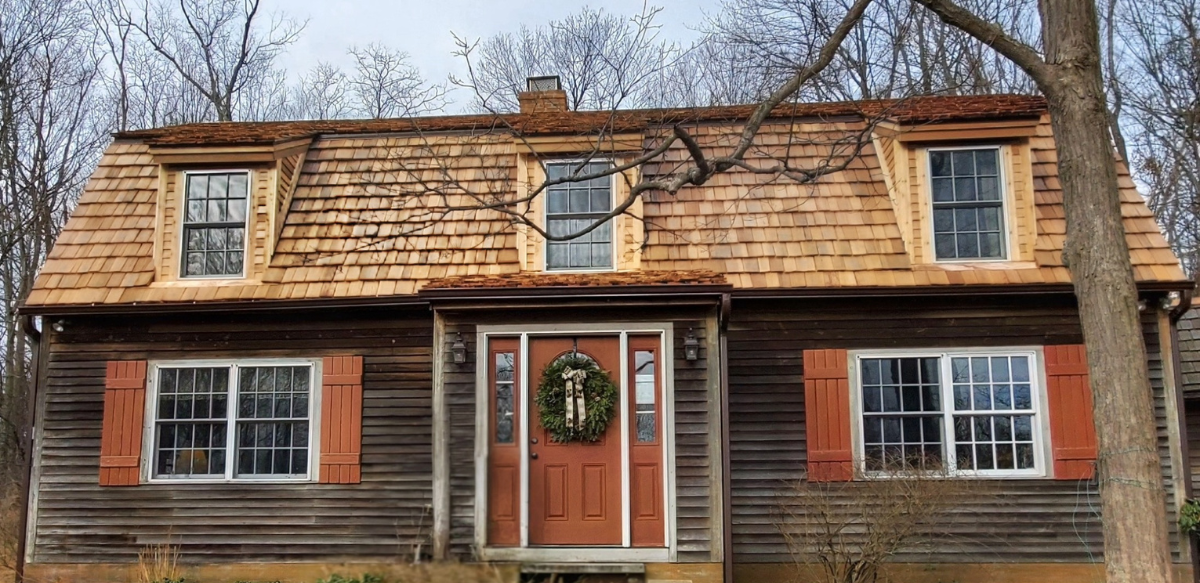
Wood Shakes and Shingles
These natural products bring a rustic look that’s hard to replicate. While they require consistent maintenance, many homeowners choose them for their charm and moderate durability.
- Expected Lifespan: 25–40 years: With proper maintenance, these roofs can be long-lasting, but performance varies based on wood species and regional climate. If someone asks how long do roofs last in wet, wooded areas, wood shakes may require more frequent care.
Clay and Concrete Tiles
Tile roofs are favored for their classic style and extreme durability, often outlasting many other materials when installed properly.
- Clay Tiles (50–100 years): Non-combustible and colorfast, making them ideal for hot climates and those wondering how long does a roof last in sun-exposed environments.
- Concrete Tiles (40–75 years): Slightly less expensive than clay and highly resistant to wind and hail. When properly maintained, their roof lifespan is among the most reliable for long-term value.
Slate Roofs
Slate is a high-end natural stone roofing material known for beauty and extreme longevity.
- Typical Lifespan: 75–200+ years: Slate, a premium roofing material, can last well over 50 years and often exceeds a century with proper maintenance For those asking how long do roofs last, slate remains the gold standard in longevity.
Synthetic Roofing Materials
These modern solutions aim to replicate traditional roofing types (like slate or wood) while improving performance and ease of installation.
Lifespan: 20–50 years: Includes synthetic slate, rubber shingles, and polymer blends. Lifespan depends on manufacturer and quality. A great option for those wondering how long does a roof last when built from eco-friendly, engineered materials.
5 Factors That Influence Roof Lifespan
A roof’s durability isn’t solely determined by the material—it also depends on various external and internal factors. Understanding these can help maximize the average roof life and prevent unexpected deterioration.
Factoring in these conditions allows homeowners to take an active role in maximizing the average roof life regardless of material. Proper care, preparation, and professional involvement all contribute to achieving the full potential of any roofing system.
1. Climate and Weather Conditions
Environmental stressors can significantly shorten how long a roof lasts.
- UV Radiation: Constant sun exposure breaks down asphalt and synthetic materials, making shingles brittle and prone to cracking.
- Heavy Snow & Ice: Accumulated weight strains the structure, and freeze-thaw cycles can cause hidden leaks and shingle damage.
- Hail Impact: Hailstones dent metal, crack tiles, and displace granules from composition roofs, accelerating aging.
- High Winds: Gusts can lift shingles, break seals, and expose the underlayment to moisture, reducing roof lifespan.
- Coastal Moisture & Salt: Salt air corrodes metal and encourages mildew growth, especially in poorly ventilated roofs.

2. Installation Quality
Even the best materials won’t perform well if poorly installed.
- Incorrect Shingle Alignment: Misplaced shingles lead to gaps, allowing wind and rain to penetrate.
- Improper Flashing: Faulty flashing around chimneys, vents, and valleys causes common leak points.
- Inadequate Fastening: Nails driven too high or too shallow can cause premature shingle lifting and displacement.
- Unqualified Labor: Choosing a licensed contractor with manufacturer training ensures proper installation and compliance with warranty standards—essential for a full roof lifespan.
3. Ventilation and Insulation
Balanced airflow and thermal control play a quiet but powerful role in longevity.
- Prevents Moisture Accumulation: Proper ventilation lets moist air escape from the attic, reducing rot, mold, and material breakdown.
- Reduces Ice Dams: A well-insulated roof keeps surface temperatures consistent, preventing snowmelt from refreezing at the eaves.
- Lowers Heat Stress: In hot climates, ventilation helps avoid heat buildup that can degrade shingle adhesives and warp decking.
4. Roof Slope and Drainage
The angle and design of a roof directly influence water movement and retention.
- Steep Slopes Promote Runoff: Water drains quickly, minimizing standing water and reducing leak risk.
- Flat or Low-Pitch Roofs: Require excellent waterproof membranes and regular monitoring, as pooling accelerates wear and tear.
- Gutter System Efficiency: Functional gutters and downspouts prevent overflow that can damage the roof edge and fascia boards, ultimately extending the average roof life.
5. Maintenance and Upkeep
Proactive care is one of the most controllable factors in extending how long a roof lasts.
- Seasonal Inspections: Catching cracked flashing, missing shingles, or vent damage early can prevent serious issues later.
- Debris Removal: Leaves and branches trap moisture and block drainage, especially on composition roofs and flat designs.
- Prompt Repairs: Sealing a small leak or replacing a few shingles can prevent full-roof water damage or underlayment failure.
Gutter Cleaning: Ensures water exits the roof system properly, helping preserve its intended roof lifespan.
7 Common Signs Your Roof Is Nearing the End of Its Lifespan
Detecting the early warning signs of a deteriorating roof can help prevent major repairs or structural damage. These indicators apply to all roofing systems and are especially important for aging homes or roofs nearing the end of their average roof life.
When any of these signs appear—especially in combination—it’s wise to schedule a professional inspection. Recognizing them early allows for strategic repairs and helps preserve the remaining roof lifespan without risking structural or interior damage.
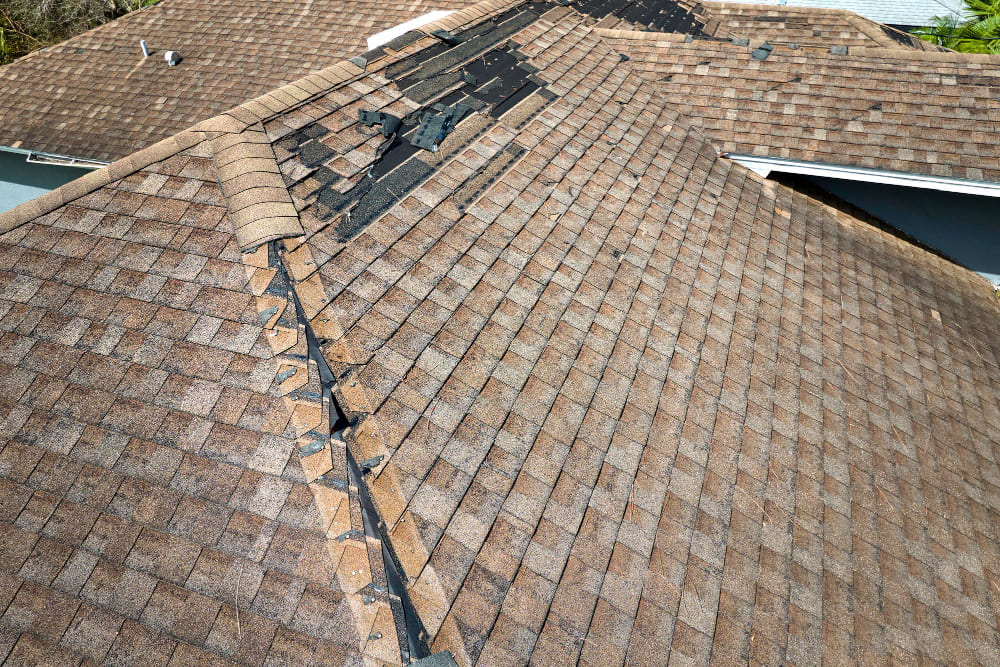
1. Curling, Cracked, or Missing Shingles
- Curling edges: Often caused by heat exposure or improper installation; they allow water to slip beneath the shingle surface.
- Cracks: Common in asphalt and composition roofs as materials dry out with age.
- Missing shingles: Indicate compromised sections and leave the underlayment exposed to the elements.
2. Interior Water Stains or Leaks
- Ceiling discoloration or streaks: May appear as brown or yellow stains and usually suggest a slow leak.
- Attic moisture or mold: Points to ventilation problems or roof penetrations allowing water ingress.
- Flashing failure: Damaged or deteriorated flashing around chimneys or vents can lead to persistent leaks, reducing roof lifespan.
3. Granule Loss from Shingles
- Gutter buildup: Finding black or gray granules in gutters means the protective coating is wearing off.
- Bald shingles: Loss of granules leads to UV exposure, making shingles brittle and prone to cracking.
- Accelerated aging: Without granules, the surface temperature increases, reducing how long a roof lasts.
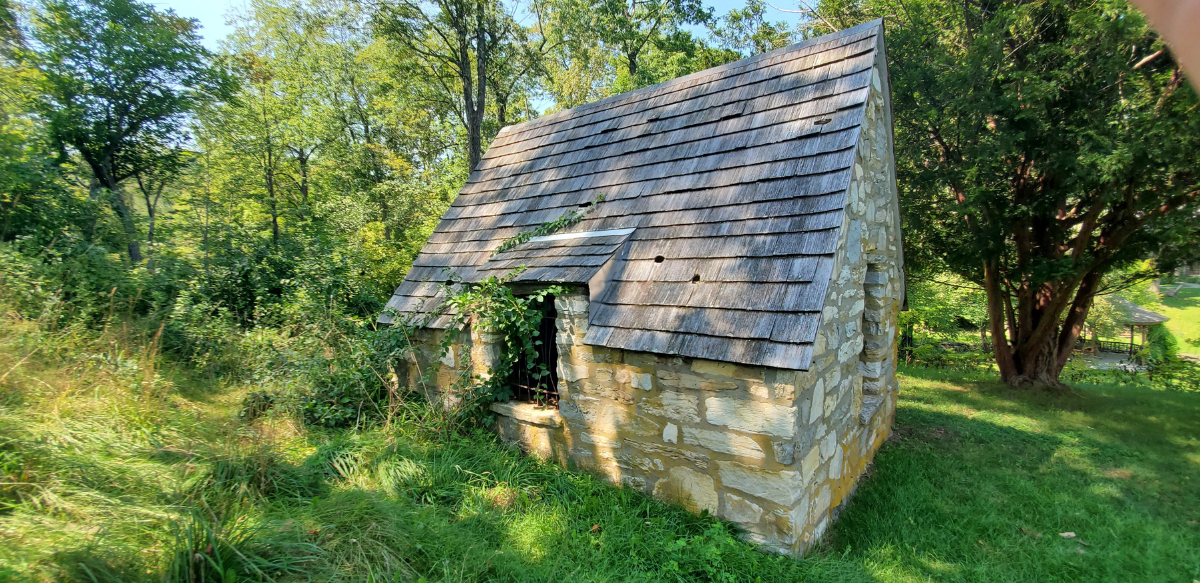
4. Mold, Moss, or Algae Growth
- Green patches or streaks: Often found on shaded areas of the roof, especially in humid climates.
- Trapped moisture: Moss retains water, which can seep into shingle layers and degrade the decking beneath.
- Algae: While not immediately harmful, it indicates excess moisture and may stain the roof, affecting resale value.
5. Sagging or Uneven Roof Deck
- Visible dips in the roofline: Typically caused by long-term water infiltration or rot in the decking.
- Soft spots underfoot (for walkable roofs): Suggest underlying damage that compromises structural integrity.
- Common in wood decks: Especially when the roof has poor drainage or frequent ice damming.
6. Spike in Energy Bills
- Insulation breakdown: A poorly functioning roof lets out heat in winter and allows solar gain in summer.
- Unbalanced attic temperatures: May lead to overuse of HVAC systems, signaling a ventilation or material failure.
- Hidden damage: Rising energy costs are often the first sign that the average roof life is nearing its end, even before visible damage appears.
7. Other Less Obvious Signs to Monitor
- Nail pops: Raised nails on the roof surface can indicate movement or aging of the decking.
- Loose flashing or roof cement: Deteriorating sealant around protrusions and edges points to the need for closer inspection.
- Animal or pest intrusion: Holes or gaps in the roof structure can allow wildlife to enter, often indicating existing damage.
4 Key Considerations for Setting Regular Roof Inspections
Regular inspections are one of the most effective ways to preserve the roof lifespan and avoid costly damage. Timely evaluations allow homeowners to catch small issues before they develop into major structural problems. Below are essential inspection practices to help predict how long roofs last:
1. Inspection Frequency
Regular roof inspections are essential for catching early signs of damage and preserving your roof’s lifespan.
- Twice-Yearly Routine Checks: Schedule inspections in spring and fall to assess damage after winter stress and prepare for storm seasons.
- Post-Storm Evaluations: Inspections should always follow severe weather—such as hailstorms, heavy snowfall, or strong winds—which can dislodge shingles and expose underlayment.
- Before Selling or Buying a Home: A roof assessment provides leverage in negotiations and ensures no hidden repairs are overlooked during real estate transactions.
2. Areas of Visual Inspection
Homeowners can perform a safe visual inspection from the ground level without climbing on the roof.
- Shingle Uniformity: Look for areas with missing, cracked, curling, or discolored shingles, especially on a composition roof.
- Visible Sagging or Uneven Roofline: A drooping ridge or wavy surface may suggest water damage beneath the decking.
- Debris Accumulation: Leaves, branches, or dirt in valleys or gutters can trap moisture and speed up deterioration.
- Mold, Moss, or Algae Presence: Dark streaks or green patches indicate excess moisture and poor drainage—conditions that shorten the average roof life.
- Check Flashings and Edges (via binoculars): Flashing around chimneys, skylights, and vents should lie flat and show no gaps or rust.
3. Use of Drone or Professional Service
For a more thorough analysis, consider hiring roofing professionals or drone services.
- Drone Inspections: Provide high-resolution imagery of hard-to-reach areas without needing to walk on the roof, reducing safety risks.
- Certified Roofers: Can safely inspect critical areas like underlayment, flashing seams, vent boots, and hidden penetrations that affect how long a roof lasts.
- Moisture Detection Tools: Professionals may use infrared cameras to detect trapped moisture beneath the roofing surface—an early sign of hidden leaks.
4. Attic Checks
The attic often reveals problems that aren’t visible from outside.
- Light Penetration: Sunlight visible through the roof boards indicates open gaps or holes in the roofing system.
- Stains or Water Trails: Look for dark patches, streaks, or drip marks on the underside of the roof decking.
- Musty Smells or Mold Growth: Indicate poor ventilation or ongoing leaks that compromise insulation and reduce roof lifespan.
- Wet Insulation: A clear signal of moisture intrusion, which may originate from damaged flashing or vent failures.

How to Prolong Your Roof’s Lifespan
Extending how long a roof lasts requires a combination of care, monitoring, and timely action. Regardless of material, these strategies help homeowners in Poughkeepsie, NY, avoid costly replacements:
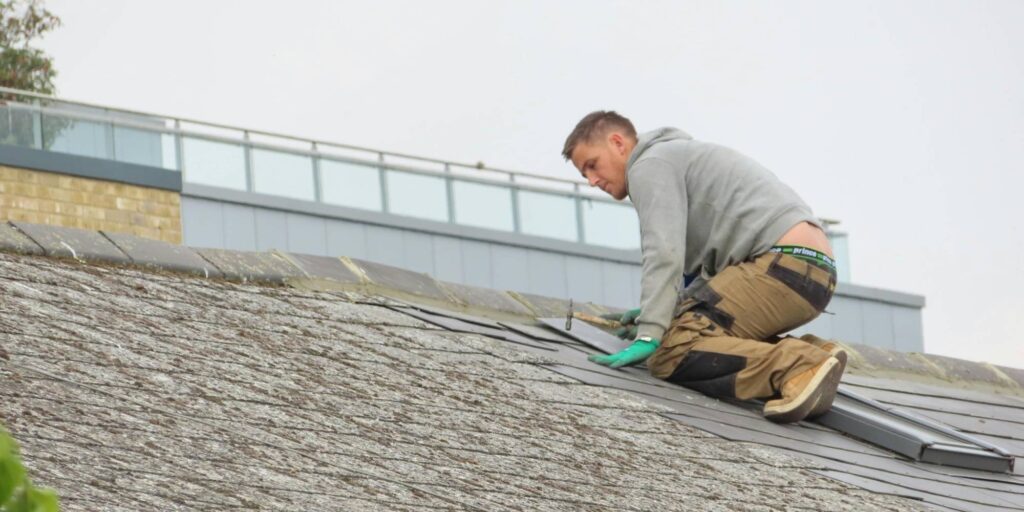
Keep Gutters Clear
Clogged gutters allow water to back up under shingles. Cleaning them twice a year helps protect the edge of the roof and maintains proper drainage.
Trim Overhanging Branches
Branches can scrape roofing materials, while falling limbs cause direct damage. Trees also increase shade, leading to moss growth on a composition roof.
Remove Moss and Algae
Use a soft brush and cleaning solution to eliminate moss. Avoid pressure washing, which can dislodge shingles or granules. Zinc or copper strips can help prevent regrowth.
Replace Damaged Shingles Promptly
Even minor damage can escalate if not addressed. Patch or replace missing or curled shingles to maintain waterproofing and preserve the roof lifespan.
Apply Protective Coatings
Some roofs, like flat or metal ones, benefit from coatings that add UV protection and waterproofing. Reapplication every few years extends the average roof life.
Schedule Regular Professional Inspections
Early detection of flashing wear, soft spots, or loose fasteners allows for targeted repairs. This keeps the composition roof or other material in service longer.

Ready to Extend Your Roof’s Lifespan? Trust Lyndsey Roofing, LLC!
If you’re a homeowner in Poughkeepsie, NY, looking to maximize your roof’s lifespan, Lyndsey Roofing, LLC is your trusted local expert. With over 38 years of experience, Lyndsey Roofing, LLC specializes in roof repairs, replacements, and maintenance. As a GAF Master Elite® and President’s Club 2-Star certified contractor, we offer top-tier workmanship and industry-leading warranties.
Lyndsey Roofing, LLC provides a range of services, including asphalt shingles, metal roofing, slate, and solar shingle installations. Our commitment to quality and customer satisfaction ensures your roofing project is handled professionally. Whether you need a minor repair or a complete roof replacement, our expert team is ready to assist.
Contact us today!