Table of Contents
When it comes to home improvements, few projects feel as daunting to homeowners as a roof replacement. It’s a major investment, it protects the entire structure of your home, and perhaps most importantly, it raises one pressing question: How long does it take to replace a roof?
For families and homeowners in Poughkeepsie, NY, this question can feel especially important. No one wants to deal with construction dragging on for weeks, and the Hudson Valley’s seasonal weather—rainy springs, hot summers, and snowy winters—can make planning even more stressful. The good news? While every project is different, most residential roof replacements in the area can be completed in just a few days when handled by a skilled, local roofing team.
KEY TAKEAWAYS
✔ Most roof replacements take just a few days, not weeks.
✔ Roof size, material, complexity, weather, crew, and permits all affect the timeline.
✔ Roof lifespans vary: asphalt lasts 20–25 years, metal 40–70, and slate/tile 75–100+.
✔ Leaks, damaged shingles, sagging, high energy bills, or mold signal it’s time to replace.
✔ Homeowners can speed things up by prepping the property, choosing materials early, and hiring a skilled local contractor.
How Long Does Roof Replacement Take?
Most homeowners are relieved to learn that a roof replacement doesn’t typically drag on for weeks. In fact, for many houses, the process can be completed in just a couple of days.
- Small residential homes: 1–2 days
- Medium homes: 2–3 days
- Large or complex roofs: 4–5 days, sometimes up to a week
- Small residential homes: 1–2 days
Keep in mind that these are averages. A simple ranch-style home with asphalt shingles may be completed quickly, while a large colonial with multiple gables, skylights, and chimneys may take longer.
It’s also worth noting that there’s a difference between a repair and a replacement. A minor repair—such as replacing a section of shingles—can often be completed in a few hours. But a full roof replacement involves removal, inspection, installation, and cleanup, all of which add time.
7 Key Factors That Affect Roof Replacement Time
While averages are helpful, the truth is that many variables influence how long your roof replacement will take.
1. Roof Size
The larger the roof, the longer the job. A 1,500-square-foot roof requires significantly fewer materials and labor hours than a 3,000-square-foot one. Roof size also affects logistics like debris removal and cleanup.
Professional contractors like Lyndsey Roofing assess square footage during the initial inspection and can provide a more accurate time estimate tailored to your home.
2. Roofing Material
The type of roofing material you choose has one of the biggest impacts on the timeline:
- Asphalt shingles – The most common and fastest to install; typically completed within 1–3 days.
- Metal roofing – More durable but requires precision, which can extend installation time.
- Slate or tile – Elegant and long-lasting, but extremely labor-intensive; installation can take a week or longer.
- Asphalt shingles – The most common and fastest to install; typically completed within 1–3 days.
Additionally, some materials require specialized underlayment or additional framing support, which adds to the schedule.
3. Roof Complexity
Not all roofs are created equal. A simple gable roof is straightforward, but once you add steep pitches, multiple valleys, dormers, skylights, and chimneys, things get more complex. Each added element requires careful flashing and sealing, which extends the timeline. For example, a roof with multiple skylights may need extra installation time to ensure waterproofing.
4. Weather Conditions
Weather is one factor even the best roofing team can’t control. Roofing is most commonly done in spring and fall, when conditions are dry and temperatures are moderate. A professional roofer will monitor the forecast and plan accordingly, but weather delays are always possible.
- Rain and snow can delay work because shingles can’t be installed properly when wet.
- Extreme heat or cold makes installation unsafe for crews and can affect how materials adhere.
- High winds may force a pause for safety.
- Rain and snow can delay work because shingles can’t be installed properly when wet.
5. Preparation & Removal
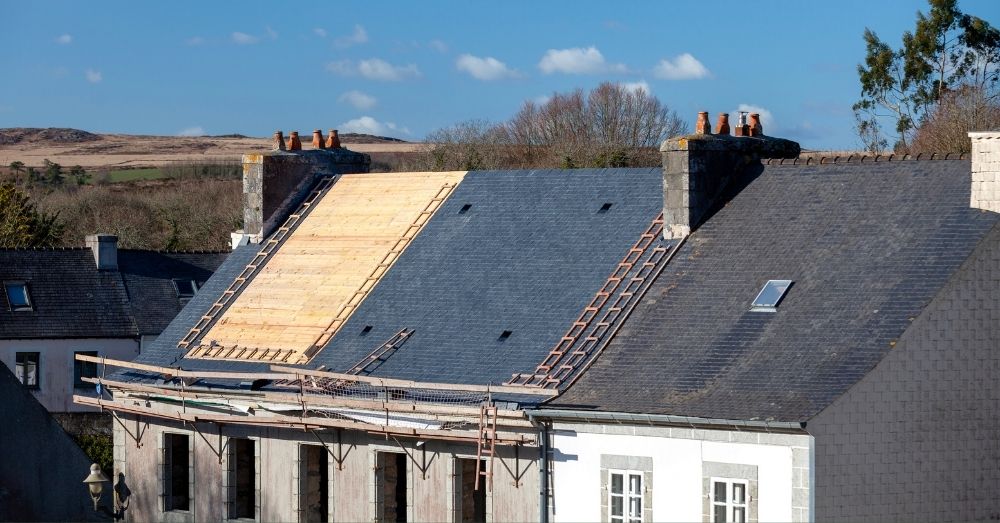
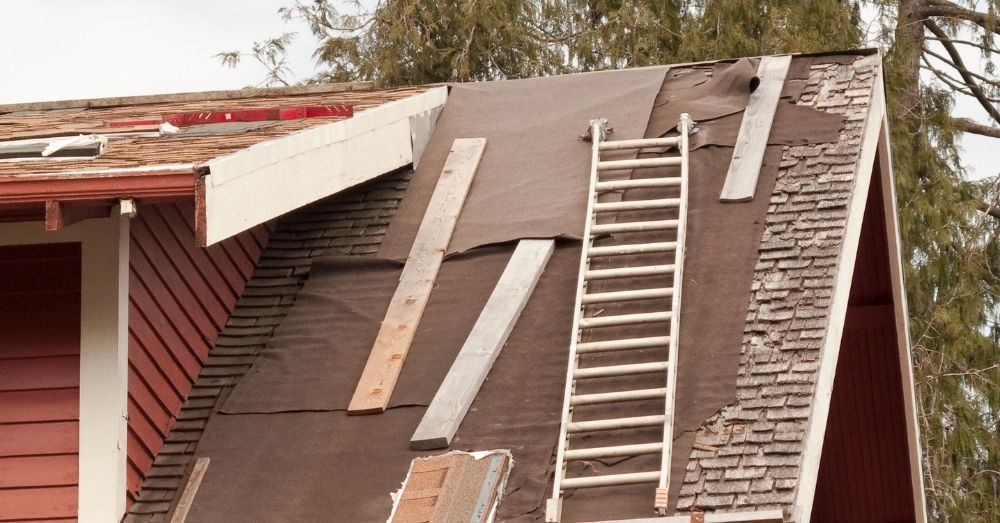
Before new shingles can go on, the old roof typically has to come off. This “tear-off” process involves removing shingles, underlayment, and sometimes even damaged decking.
- Overlay installations (adding shingles on top of existing ones) are faster but not always recommended.
- Full tear-offs take more time upfront but ensure long-term durability.
- Overlay installations (adding shingles on top of existing ones) are faster but not always recommended.
Proper staging—like placing dumpsters for debris and organizing materials—also affects how smoothly the project runs. Experienced teams like Lyndsey Roofing streamline this process to minimize downtime.
6. Crew Size & Experience
A large, experienced crew can replace a roof much faster than a small or inexperienced team. Roofing is one area where skill and coordination really matter. Hiring a certified contractor ensures the right number of workers are on-site and that the team knows how to work efficiently without cutting corners.
7. Permits & Inspections
Most towns require permits for roof replacement. In some cases, inspections may be needed before, during, or after installation. Delays can occur if permits aren’t filed correctly or inspections aren’t scheduled in advance. The benefit of working with a local contractor is that they know the specific requirements and can handle the paperwork for you.
How Often Should You Replace Your Roof?
Knowing how long it takes to replace a roof is one thing—but how often to replace roof materials is another important question homeowners should ask. The answer depends on several factors, including the type of roofing material, climate, and the quality of maintenance over the years.
Factors That Influence Roof Replacement Frequency
1. Material Lifespan
- Asphalt shingles: Typically last 15–30 years.
- Metal roofs: Can last 40–70 years with proper care.
- Clay or slate tiles: Often last over 50 years, sometimes even a century.
- Asphalt shingles: Typically last 15–30 years.
2. Climate Conditions
Roofs exposed to extreme heat, heavy snow, storms, or humidity often wear out faster. Regular inspections are especially important if you live in an area with severe weather.
3. Maintenance & Repairs
Regular roof inspections, cleaning gutters, and fixing minor leaks early can extend the life of your roof. Without this upkeep, you may need replacement much sooner.
4. Visible Signs of Wear
✔ Curling, cracked, or missing shingles
✔ Leaks or water stains inside the home
✔ Moss or mold growth
✔ Sagging areas on the roof
So, How Often to Replace Roof Materials?
On average, most homeowners should expect to replace their roof every 20–30 years, depending on the material and local conditions. That said, it’s always best to schedule routine inspections every few years to catch early signs of damage. Doing so can save you money in the long run and help you plan for a replacement before serious issues arise.
6 Signs Your Roof Needs Replacement
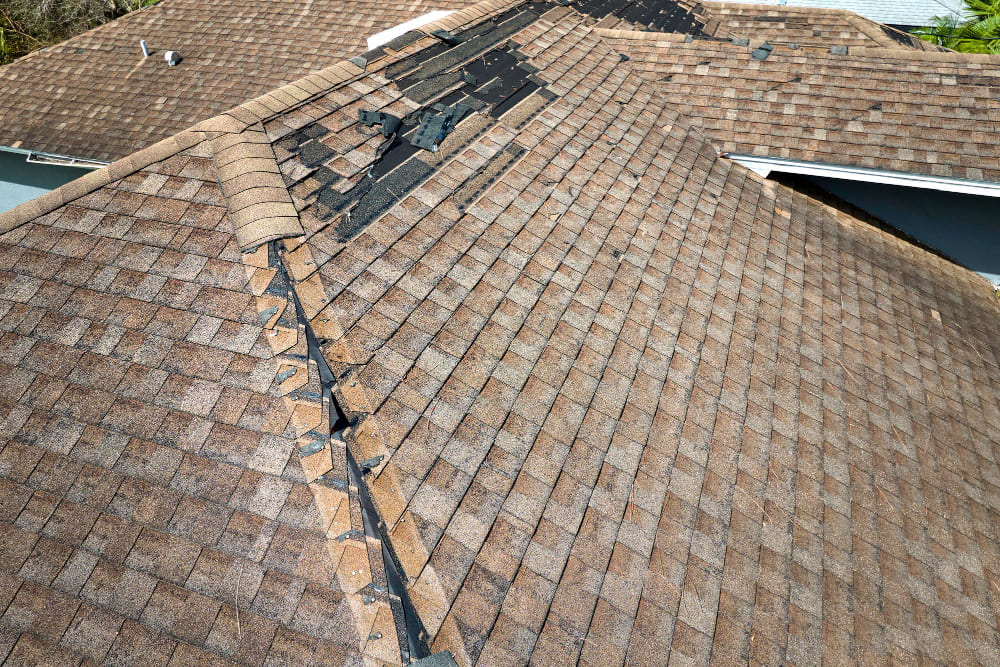
Even the best roofs don’t last forever. While age is a major factor, there are clear warning signs that can help homeowners determine when it’s time for a replacement. Ignoring these signals can lead to not just property damage but also potential health concerns for your family.
1. Leaks or Water Stains Inside Your Home
One of the most obvious signs is water making its way inside. You might notice stains on your ceilings or walls, damp insulation in your attic, or active drips during rain. Beyond damaging drywall and wood, chronic leaks can encourage mold and mildew growth, which the CDC notes may cause respiratory irritation, asthma flare-ups, and allergy symptoms in sensitive individuals. Left unchecked, this creates an unsafe indoor environment.
2. Missing, Cracked, or Curling Shingles
Shingles that are missing, cracked, or curling no longer protect your home effectively. Gaps in the roofing system allow water infiltration and can lead to rot in the decking underneath. In the Hudson Valley’s variable weather—hot summers, snowy winters, and spring rainstorms—these damaged areas can worsen quickly.
3. Excessive Granule Loss in Gutters
If you find lots of shingle granules collecting in your gutters, it means your roof is deteriorating. These granules protect shingles from UV damage, and without them, your roof becomes more vulnerable to leaks. Accelerated shingle wear can shorten the lifespan of your roof dramatically, especially under direct sun exposure.
4. Sagging Rooflines
A sagging roofline often indicates serious structural problems, such as compromised decking or damaged rafters. This is more than just a cosmetic concern—it’s a potential safety hazard. In severe cases, sagging sections can collapse, leading to expensive repairs and endangering the occupants of the home.
5. Rising Energy Bills Due to Poor Insulation
If your roof is failing, it may not insulate your home properly. Poor ventilation and compromised roofing allow heat to escape in winter and enter in summer, forcing your HVAC system to work harder. Over time, this can significantly raise energy bills. The U.S. Department of Energy highlights that effective insulation and a well-sealed roof can lower heating and cooling costs by up to 15%.
6. Health Impacts of Delaying Replacement
Delaying roof replacement doesn’t just risk property damage—it can directly affect your family’s health. Leaks and moisture intrusion often lead to mold spores circulating in your indoor air, which are linked to increased risks of asthma, coughing, and even chronic bronchitis in some cases. Poor insulation and ventilation caused by a failing roof can also worsen indoor humidity, leading to dust mites and allergens that affect children and older adults more severely.
What Homeowners Can Do to Speed Up the Process
While some factors (like weather) are out of your control, there are steps you can take to ensure your roof replacement runs smoothly:
- Prepare your property – Clear your driveway for material deliveries and dumpsters. Move cars, patio furniture, and lawn items out of the way.
- Protect landscaping – Cover delicate plants or shrubs near the house.
- Choose materials in advance – Delays often happen when homeowners are still deciding on color or style.
- Work with an experienced local contractor – Teams familiar with permitting and weather patterns keep things moving.
- Prepare your property – Clear your driveway for material deliveries and dumpsters. Move cars, patio furniture, and lawn items out of the way.
What to Expect During Roof Replacement
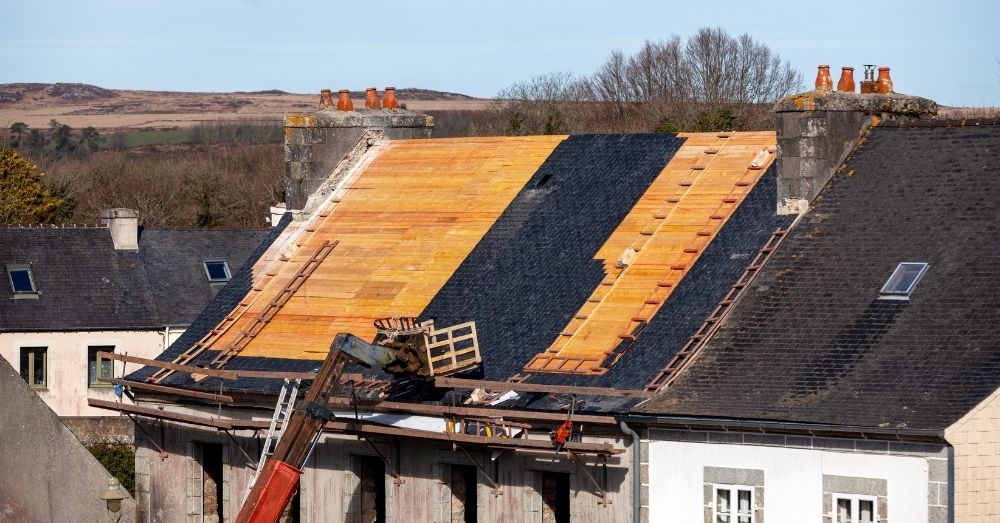
Many homeowners feel more comfortable once they know what to expect during a roof replacement. While the exact timeline may vary depending on the size and complexity of your roof, most projects follow a predictable schedule. Knowing this in advance helps you plan for noise, access, and daily routines.
Day 1: Delivery, Staging, and Tear-Off
- What happens: Roofing materials (shingles, underlayment, flashing, etc.) arrive. Crews stage equipment and dumpsters, then begin the tear-off of the existing roof.
- Why it matters: Removing the old roof is noisy but crucial for structural inspection and ensuring the new roof’s integrity.
- What happens: Roofing materials (shingles, underlayment, flashing, etc.) arrive. Crews stage equipment and dumpsters, then begin the tear-off of the existing roof.
Day 2: Underlayment, Flashing, and Starter Shingles
- What happens: After inspecting the decking for damage, crews install the underlayment for moisture protection, followed by flashing around penetrations like chimneys and vents, and then starter shingles along edges.
- Importance: Proper flashing is critical to prevent leaks at vulnerable roof intersections. The Department of Energy emphasizes that poor flashing is among the primary causes of roof leaks, which can lead to structural damage and mold issues over time.
- What happens: After inspecting the decking for damage, crews install the underlayment for moisture protection, followed by flashing around penetrations like chimneys and vents, and then starter shingles along edges.
Day 3: Shingle Installation & Detailed Work
- What happens: The bulk of shingle installation occurs, with crews working systematically across the roof. Special attention is given to complex features—dormers, valleys, skylights.
- Productivity note: A well-coordinated crew can install on average around 10–12 squares (1,000–1,200 sq ft) per day. This performance aligns with broader studies on labor productivity in construction.
- What happens: The bulk of shingle installation occurs, with crews working systematically across the roof. Special attention is given to complex features—dormers, valleys, skylights.
Day 4–5 (If Needed): Finishing Touches, Ventilation, & Ridge Caps
- What happens: Crews complete ridge cap installation, add roof vents to improve attic airflow, and handle any specialty material work.
- Why it matters: Proper ventilation reduces heat buildup and moisture, which can degrade roofing components over time.
- What happens: Crews complete ridge cap installation, add roof vents to improve attic airflow, and handle any specialty material work.
Final Step: Cleanup and Walkthrough
According to DOE data, improved energy efficiency—such as through sealing and ventilation—can reduce heating and cooling costs by 5–30% annually. While not roofing-specific, this emphasizes the value of quality installation and thorough cleanup in enhancing overall home performance.
- Cleanup: After installation, teams use magnetic sweepers to collect loose nails and debris, ensuring the area is safe and tidy.
- Inspection: A final walkthrough is conducted to review workmanship, ensure manufacturer standards are met, and confirm compliance with building codes.
- Cleanup: After installation, teams use magnetic sweepers to collect loose nails and debris, ensuring the area is safe and tidy.
Stage | Activities | Key Data Insight |
Day 1 | Delivery, staging, full tear-off | Full tear-off can extend roof lifespan by 20–30%. |
Day 2 | Underlayment, flashing, starter shingles | Flashing failures are a leading cause of leaks. DOE emphasizes moisture control. |
Day 3 | Shingle installation | Crews may install ~10–12 squares/day; energy-efficient practices improve efficiency. |
Days 4–5 (if needed) | Ridge caps, vents, and final installation | Unvented or leaky attics can raise energy use by 10%. |
Final Step | Cleanup, magnetic sweep, inspection | Proper sealing can cut energy use by 5–30% annually. |
Homeowner Tip:
Roof replacement can be noisy and disruptive, so plan ahead. Keep pets and children indoors, and if possible, avoid scheduling important work-from-home meetings during the process.

Choosing the Right Roofing Contractor in Poughkeepsie, NY
Perhaps the most important factor in how long your roof replacement takes is the contractor you hire. A reliable roofing company will not only provide an accurate estimate but also manage the project from permits to cleanup.
What to Look For in a Contractor
- Licensed and insured
- Experience with your preferred roofing material
- Clear communication about timelines and costs
- Local knowledge of building codes and weather challenges
- Solid warranty on materials and labor
- Licensed and insured
Lyndsey Roofing checks all these boxes. As a GAF-certified roofing contractor, we’ve built a reputation for quality workmanship, reliable timelines, and customer satisfaction.
Frequently Asked Questions
1. How long does a roof replacement take to replace a roof on an average home?
Most homes in the Hudson Valley take 1–3 days for a roof replacement. Larger or more complex roofs with chimneys, skylights, or multiple valleys may take up to a week. Weather and materials also affect the timeline.
2. What factors can delay a roof replacement?
Delays often come from bad weather, permit issues, material shortages, or hidden damage like rotted decking. Working with an experienced local contractor helps reduce these risks.
3. How often should a roof be replaced?
Asphalt shingles last about 20–25 years, metal roofs 40–70 years, and slate or tile 75–100 years. Weather, ventilation, and installation quality may shorten this lifespan, so watch for leaks, curling shingles, or granule loss as early warning signs.
4. Can a roof be replaced in winter in Poughkeepsie, NY?
Yes, but winter replacements are more challenging due to cold temperatures, snow, and ice, which can slow down installation. Most roofing is best scheduled in spring, summer, or fall for safer, faster results.
5. How do I prepare my home for roof replacement?
Clear your driveway for material delivery, move cars and outdoor furniture, and cover landscaping near your home. Letting neighbors know in advance also helps minimize disruptions during the project.
Replace Your Roof Before Problems Grow Bigger
So, how long does it take to replace a roof? The answer depends on your home, your materials, and your contractor—but for most Poughkeepsie, NY, homeowners, the job takes just a few days.
By understanding the factors that influence the timeline—like roof size, complexity, and weather—you’ll be better prepared when it’s time to replace yours. And by hiring a professional, local roofing company, you can rest assured the process will be smooth, efficient, and minimally disruptive.
Don’t wait until leaks or damage force your hand. Proactive roof replacement not only protects your home but also gives you peace of mind. For homeowners in Poughkeepsie, NY, Lyndsey Roofing offers expert service and dependable results.