What's in This Guide
- What Happened to the Federal Solar Tax Credit in 2026?
- Which New York Solar Incentives Can You Still Claim in 2026?
- How Do Solar Shingles Qualify for These Incentives?
- What Shapes Your Net Cost After Incentives?
- How to Claim the New York Solar Tax Credit
- Frequently Asked Questions
- Plan Your Solar Roof With Confidence
Homeowners weighing a new roof with solar often ask whether the federal solar tax credit for 2026 is still available. For homeowner-owned systems, it is not. The residential clean energy credit ended for expenditures made after December 31, 2025, so a system completed this year does not qualify.
New York homeowners still have meaningful options, however. The state offers an income tax credit, NYSERDA administers programs with specific eligibility requirements, and utility net metering remains available.
This guide outlines what has changed, which incentives apply to Hudson Valley homes from Poughkeepsie to New Paltz, and how solar shingles fit into the picture.
Quick Facts
- The federal credit ended for expenditures made after December 31, 2025.
- Systems finished in 2026 do not qualify, because the installation completion date decides eligibility.
- New York’s state credit covers 25% of qualified costs, up to $5,000.
- NYSERDA’s standard residential rebates are limited for Central Hudson customers.
- Solar shingle buyers should confirm which costs qualify before filing.
What Happened to the Federal Solar Tax Credit in 2026?
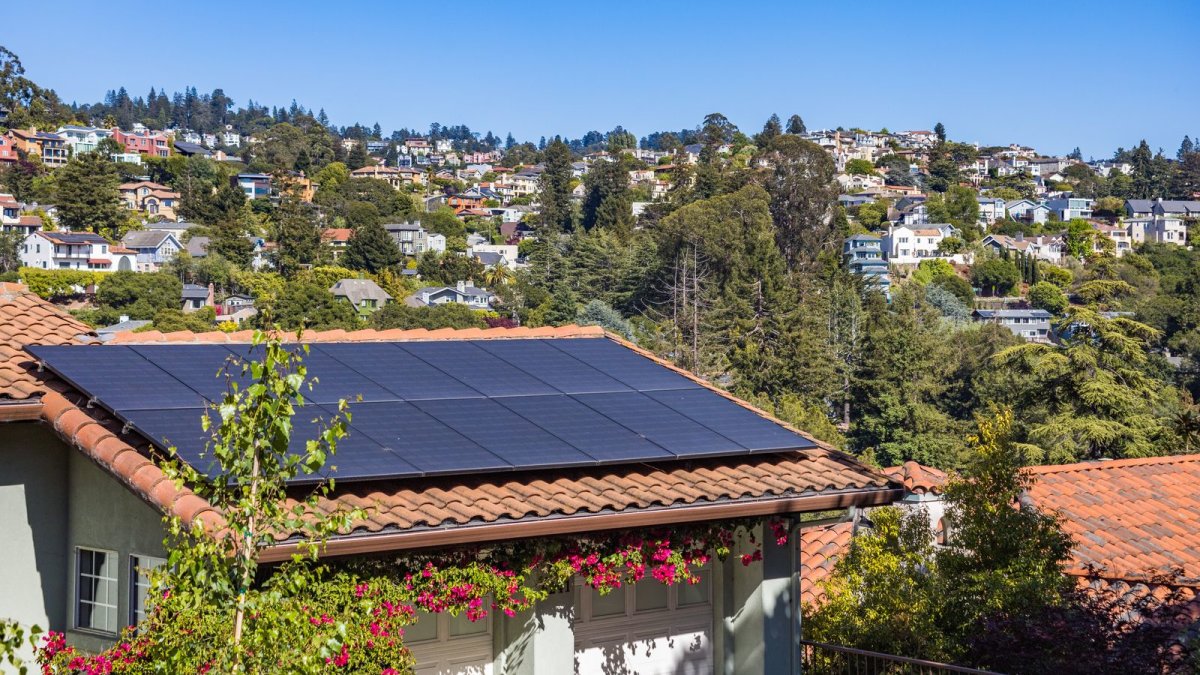
The residential clean energy credit (section 25D) once covered 30% of qualifying solar costs. The One Big Beautiful Bill Act, signed July 4, 2025, ended it early, so the credit is not allowed for expenditures made after 2025.
The Installation Date Decides Eligibility
Paying a deposit or signing a contract in 2025 does not save a later installation. Completed installation counts as the expenditure date, so a system finished after December 31, 2025 does not qualify, even if you paid earlier. For a roof with solar, the date the solar installation is completed is the one that matters.
A Different Federal Route Exists for Leased Systems
When a company owns the system and you sign a lease or power purchase agreement, the owner may claim a separate business credit (section 48E), and some providers pass part of that value to customers through lower payments. That credit has its own cutoffs, and solar facilities that begin construction after July 4, 2026 must be placed in service by December 31, 2027.
If construction began after July 4, 2026, the provider’s construction start date determines whether the credit applies at all. Ask any provider to confirm in writing how the credit affects your terms and whether a lease or purchase agreement is even offered for a roof-integrated product.
Which New York Solar Incentives Can You Still Claim in 2026?
Most of what remains is set in Albany, at NYSERDA, or at your utility rather than in Washington. This table shows where each program stands as of late October 2026.
|
Incentive |
2026 status |
What to confirm |
|
Federal residential credit (section 25D) |
Ended for expenditures after Dec. 31, 2025 |
Installation completion date |
|
NYS solar equipment credit |
25% of qualified costs, up to $5,000 |
Principal residence, Form IT-255 |
|
NY-Sun (NYSERDA) |
Standard residential rebate limited in Central Hudson territory; affordable solar incentive for qualifying households |
Current block status for your utility |
|
Utility net metering |
Available after application and interconnection approval |
Utility sign-off before activation |
|
Property tax exemption (RPTL 487) |
15-year exemption on added value, unless your locality opted out |
Local assessor |
|
State sales tax |
Qualifying residential solar equipment and installation exempt from state tax |
Local exemptions vary |
The New York State Solar Tax Credit
New York’s credit equals 25% of qualified solar equipment expenditures, capped at $5,000. The system must produce residential electricity, heating, cooling, or hot water at your principal residence in New York.
NYSERDA Solar Incentives for Central Hudson Customers
NY-Sun built its residential rebate around megawatt blocks that step down as they fill. Block 13 was the final standard residential block for Central Hudson and Orange & Rockland customers, and the newest block excludes Central Hudson territory.
A standard-income homeowner in Dutchess, Putnam, Eastern Ulster, or Orange County should not assume a per-watt rebate is available. Block status updates as applications arrive, so confirm it before signing a contract.
Two pathways remain worth asking about. An Affordable Solar Residential Incentive of $0.80 per watt is available in the Upstate region for low- to moderate-income households. Residential energy storage incentives and Green Jobs-Green NY financing have also been listed as available.
Utility Net Metering and Interconnection
Net metering credits the excess electricity your system sends to the grid, and eligibility follows state law and the utility approves interconnection. Build that wait into the project schedule, and check your utility bill to confirm which utility serves your address.
How Do Solar Shingles Qualify for These Incentives?

By Generating Household Electricity at a Principal Residence
The state credit looks at function. Equipment that produces household electricity from sunlight at your principal residence in New York fits the Tax Department’s test, and solar shingles are designed to do exactly that.
By Replacing the Roof Covering Instead of Mounting Above It
Roof-integrated solar shingles for Hudson Valley homes and roofs act as the weatherproofing layer and the generator at once. That dual role is what makes them a building-integrated solar product rather than a rack-mounted add-on. Homes with older slate are a different case, and slate roof repair for older Hudson Valley homes may come up first.
By Separating the Generating Component From the Roofing Cost
The generating component clearly fits the credit’s purpose. How the roofing portion of a combined system is treated is a separate question, so ask a tax professional to confirm which costs count before you file.
By Confirming the Placed-in-Service Date
The state credit follows when equipment is placed in service, and a solar roof does not generate power until the utility approves interconnection. A roof finished in late fall can cross a tax-year line while that approval is pending, so confirm which year applies to your project.
By Starting With a Roof That Is Due for Replacement
Solar shingles replace the roof covering, so they make the most sense when the existing roof is already near the end of its service life. A certified roofer should check the deck, ventilation, and flashing first, including choosing between a ridge vent and a box vent, since a compromised deck under a long-term system defeats the purpose.
What Shapes Your Net Cost After Incentives?
Net cost is not one number. It depends on the project and on how much of each incentive you can actually use, and flexible financing options for your roofing and solar project can spread the upfront portion. Reliable estimates only come after a site visit, and these factors drive them:
- Valleys, dormers, and chimneys change how much roof surface can carry solar shingles, and worn flashing around a chimney calls for chimney flashing repair before the new roof goes on.
- Roof orientation and tree cover affect output and system size.
- Inverter, wiring, and utility interconnection requirements add electrical scope to the project.
- Tear-off findings can reveal deck repairs that add to the work.
- The state credit is nonrefundable, so its usable value depends on how much state income tax you owe.
- NYSERDA block status and eligibility can change over time, so confirm them before you sign.
Get a Solar Assessment
How to Claim the New York Solar Tax Credit
This guide is general information, not tax advice. Confirm your situation with a qualified tax professional before filing.
- Confirm the system serves your principal residence in New York State.
- Keep the contract, final invoice, permit records, and utility interconnection approval together.
- Note the date the equipment was placed in service, since it decides the tax year.
- Complete Form IT-255 using the Form IT-255 instructions from the New York Tax Department.
- Submit it with your state income tax return, and carry any unused credit forward for up to five years.
Frequently Asked Questions
How do solar shingles perform in Hudson Valley winters?
Solar shingles still produce electricity in cold weather, and cooler temperatures can help cell efficiency. Output dips on short, cloudy, or snow-covered days, so winter production is usually lower than summer. A site assessment can estimate yearly output based on your roof’s orientation and shading.
How long does a solar shingle installation take?
Most projects take longer than a standard roof replacement because roofing and electrical work happen together. Roof size, weather, and permit timing all affect the schedule. Utility interconnection approval usually comes after installation, so plan for a gap before the system is switched on.
Do solar shingles come with a warranty?
Roof-integrated solar products typically include a manufacturer warranty, and the installer may offer a separate workmanship warranty. Terms differ by product and certification. Ask for each warranty in writing before you sign, and confirm who handles a claim if something fails, including what to check when a solar shingle stops working.
Do I need a permit to install solar shingles?
Yes, in most cases. A solar roof usually involves building and electrical permits, and requirements vary by town and city across Dutchess, Orange, Putnam, and Eastern Ulster Counties. Your contractor should handle the filings and tell you which approvals apply to your address.
Will solar shingles increase my home’s value?
They can make a home more attractive to buyers, especially when the roof is new and the system lowers electric bills. The effect varies with the local market, system size, and whether the system is owned or leased. A local real estate professional can speak to how buyers in your area respond. Some buyers still prefer traditional roofing, so it helps to know cedar shake roof cost and lifespan in Hudson Valley when comparing options.
Plan Your Solar Roof With Confidence
Solar incentives in New York now depend more on the state, your utility, and your installation date than on Washington. Lyndsey Roofing, LLC is a locally owned roofing and exterior contractor, founded in 2015 by Bill Reilly, serving Dutchess, Orange, Putnam, and Eastern Ulster Counties.
Our team can inspect your roof, explain whether GAF Energy solar shingles for Hudson Valley homes and roofs suit it, and outline which incentives to confirm before you commit.
Request a free estimate to find out whether solar shingles fit your roof.
Related Posts