6 Solar Roofing Solutions Ideal for Small Homes
How Solar Panel Companies Ensure Safety During Installation
7 Popular Vinyl Siding Myths Debunked!
8 Benefits of Working with Local Solar Energy Companies
7 Hidden Roofing Issues Only the Best Roofing Contractor Can Spot
Why Solar Shingles Are the Next Big Thing: 7 Insights from Trusted Solar Companies Near Me
7 Essential Questions to Ask Your Contractor Before a Roof Replacement
A roof replacement is one of the most significant investments you’ll make as a homeowner. A well-installed roof not only protects your home but can also boost your property’s value and energy efficiency. However, ensuring that your roof replacement project goes smoothly starts with asking the right questions to your contractor. By understanding the process, materials, and contractor’s experience, you can make informed decisions and avoid costly mistakes.
Here are the seven essential questions that will guide you through the most critical aspects of this project.
Table of Contents
Key Takeaways
Roof Replacement Needs You Need to Know
7 Questions to Ask Your Contractor Before a Roof Replacement
1. What Are My Roofing Options, and Which Will Best Protect My Home?
2. What Maintenance is Required After the Roof Replacement?
3. How Can I Be Sure of the Roof’s Performance Over Time?
4. Which Roofing Materials Are Structurally Suitable for My Home?
5. Is the roofing material brand reliable?
6. How Can I Choose a Roof That Complements My Home’s Style?
7. What Are My Options for Sustainable and Eco-Friendly Roofing?
Why Choosing the Right Roofing Contractor is Crucial
Frequently Asked Questions
Transform Your Home with a New Roof – Contact Lyndsey Roofing, LLC in Poughkeepsie, NY, Today!
Key Takeaways✔ Assess your roof’s age and identify specific issues like leaks or missing shingles before starting the roof replacement process. ✔ Establish a clear budget to help choose the right materials and avoid overspending. ✔ Understand the pros and cons of different roofing materials like asphalt shingles, metal, tile, and slate to select what’s best for your home. ✔ Different materials have varying upkeep needs, so know what will be required after installation to prolong your roof’s lifespan. ✔ Inquire about the roof’s wind resistance, fire resistance, energy efficiency, and durability to ensure long-term protection. ✔ Verify that your home’s structure can support the chosen roofing material, considering load-bearing capacity and roof pitch. ✔ Consider eco-friendly roofing choices such as recycled materials, cool roofs, or solar panels to reduce environmental impact. ✔ Select an experienced, licensed contractor with positive reviews, clear communication, and solid safety practices for a successful roof replacement. |
Roof Replacement Needs You Need to Know
It is important to understand your roof’s condition and what your roof replacement should accomplish. Whether it’s improving energy efficiency, increasing your home’s value, or ensuring long-lasting protection from the elements, having a clear understanding of your needs will make the following discussions much more productive.
- Assess your roof’s age: Roofs typically last between 20-30 years, depending on the material. If your roof is nearing the end of its lifespan, it’s time to consider a roof replacement. In North America, 94% of roofing projects are roof replacements, primarily due to the need to maintain buildings that are 25 to 50 years old.
- Identify specific issues: Look for signs like missing shingles, leaks, water stains on the ceiling, or mold growth. These problems could indicate the need for a full roof replacement.
- Know your budget: Setting a realistic budget before contacting a contractor will help you choose the right materials and avoid unnecessary expenses.
7 Questions to Ask Your Contractor Before a Roof Replacement
When planning a roof replacement, asking your contractor the right questions is essential to ensure a successful project that meets your needs and budget. Here are the seven crucial questions to guide your conversation.
1. What Are My Roofing Options, and Which Will Best Protect My Home?
The first question to ask your contractor is about the available materials for your roof replacement. Each roofing material offers different levels of protection, longevity, and aesthetic appeal. It’s vital to choose one that not only matches your budget but also provides the protection your home needs. Asking your contractor which materials are best suited for your specific needs and environment will ensure your roof replacement provides long-lasting protection. Factors like the local climate, energy efficiency, and aesthetic preferences should all play a role in your final decision.
Here are some common roofing materials to consider:
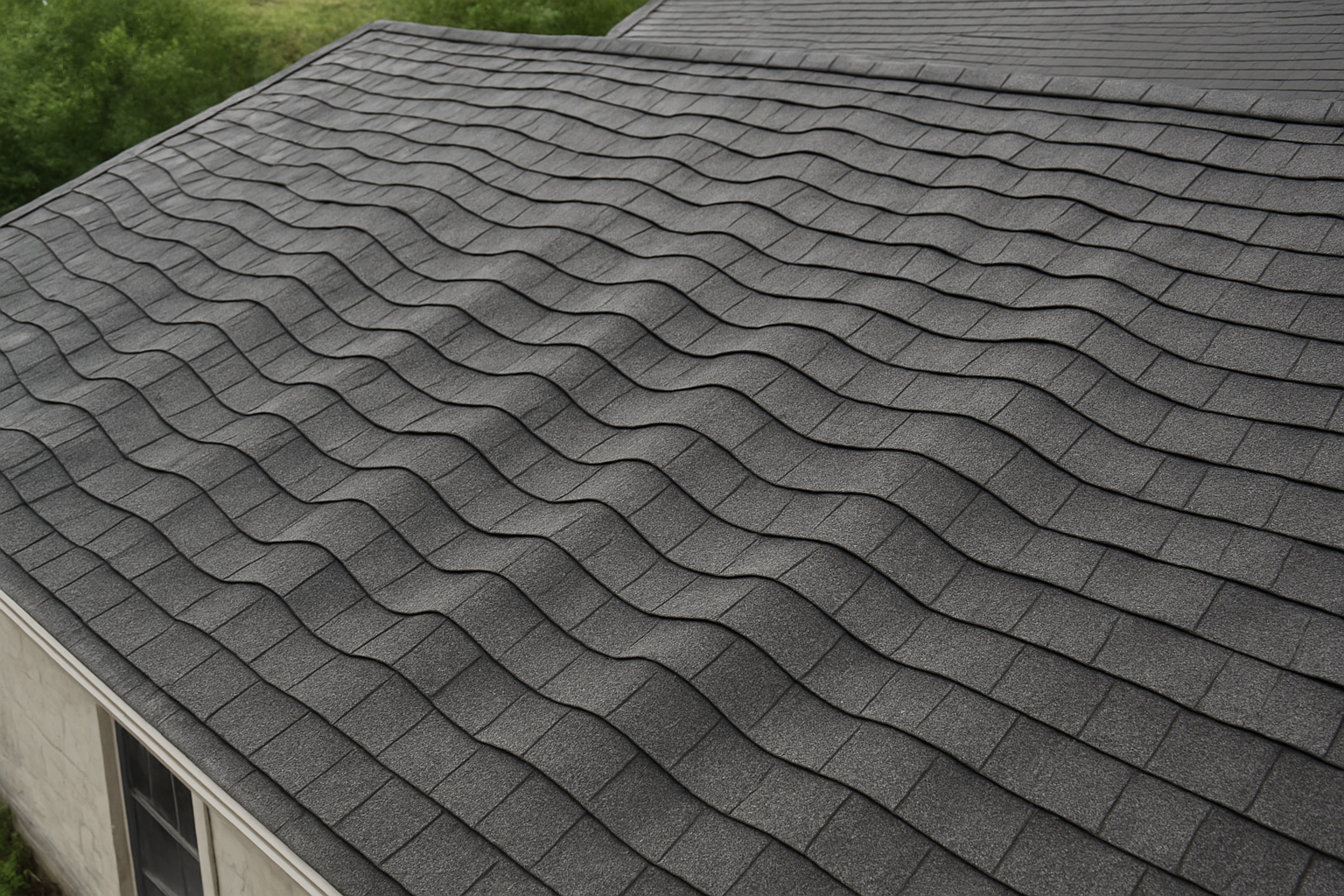
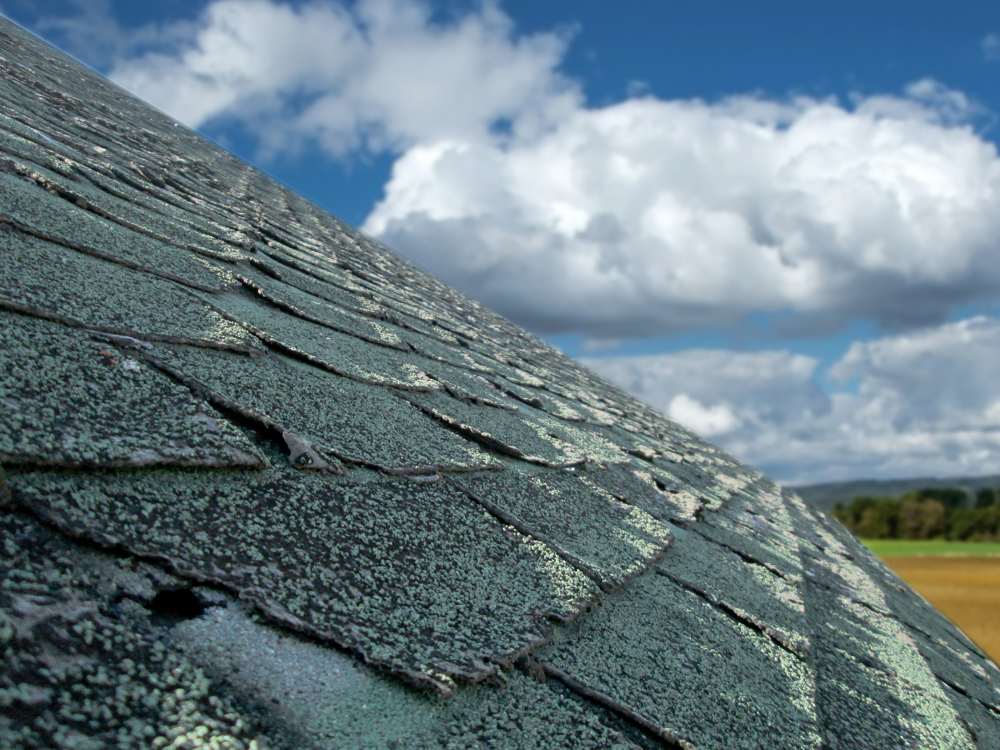
- Asphalt shingles: The most popular and budget-friendly option, asphalt shingles are easy to install and come in various styles and colors. They provide decent protection but may not last as long as other options, typically 20-30 years.
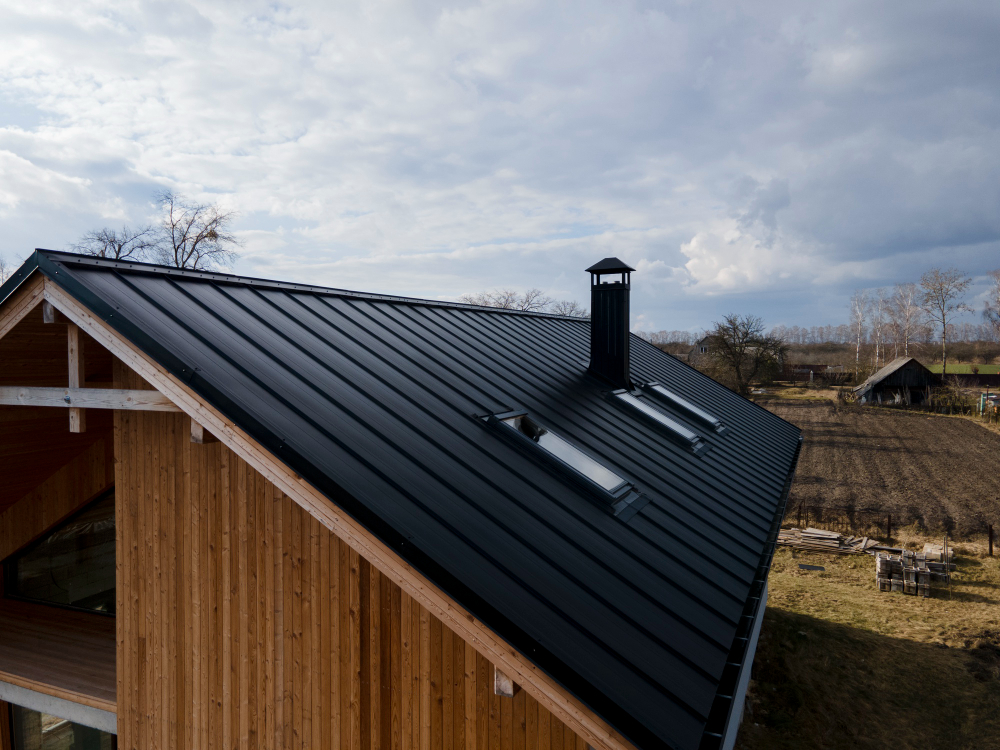
- Metal roofing: Durable and resistant to extreme weather conditions, metal roofing can last 40-70 years. It’s also fire-resistant, making it an ideal choice for areas prone to wildfires. Metal roofs are more expensive but offer excellent longevity.
- Tile roofing: Known for its Mediterranean aesthetic, tile roofing is highly durable and can last over 50 years. However, tiles are heavy and may require additional structural support.
- Wood shakes or shingles: These provide a natural, rustic look but require regular maintenance to prevent decay, especially in wet climates.
- Slate roofing: This is one of the most long-lasting roofing materials, with a lifespan of 100+ years, but it is also expensive and heavy, requiring structural reinforcement.
The materials and design of your roof significantly impact costs, with labor comprising up to 60% of the total cost. Contractors typically charge $40 to $60 per hour for installation or provide a flat-rate estimate.
Additional considerations:
- What is the material’s wind resistance rating?
- How well does the material handle temperature extremes?
- Can the material be customized to match the style of your home?
2. What Maintenance is Required After the Roof Replacement?
A roof replacement isn’t just about installing a new roof; it’s about ensuring that your investment lasts as long as possible. Different roofing materials require different levels of maintenance, so it’s important to understand how much upkeep is involved. Having a clear understanding of the maintenance requirements for each roofing material will help you choose a roofing system that matches your lifestyle and maintenance capabilities. Regular maintenance not only extends the life of your roof but also keeps your home protected from damage.
- Asphalt shingles: Minimal maintenance is required, but regular inspections are important after severe weather. Shingles may need to be replaced individually over time.
- Metal roofs: While generally low maintenance, metal roofs should be inspected for rust, dents, and secure fastenings. Cleaning may be required to prevent debris accumulation.
- Tile roofing: Tiles can crack under heavy impact, so occasional inspections are needed to replace damaged tiles. Regular cleaning is also essential to avoid moss growth.
- Wood shakes or shingles: These require more frequent upkeep, including treatments for water resistance and protection against insects.
- Slate roofing: Slate is highly durable but can be heavy on maintenance if a tile becomes cracked or broken. Inspections should be carried out to ensure structural integrity.
3. How Can I Be Sure of the Roof’s Performance Over Time?
The performance of your roof is essential for keeping your home safe from the elements. Your roof replacement contractor should be able to provide information on how the chosen materials will perform over time. Ask your contractor to explain key performance factors such as:
- Wind resistance: If you live in an area prone to high winds or hurricanes, it’s critical to choose roofing materials with a high wind resistance rating. Metal roofs and high-quality shingles often provide superior wind resistance.
- Fire resistance: Some roofing materials are more fire-resistant than others. Metal, tile, and slate roofing provide excellent fire resistance, which may be important if you live in a wildfire-prone area.
- Energy efficiency: Certain roofing materials can help reduce your home’s energy consumption by reflecting sunlight and insulating the home. Metal and asphalt shingles with reflective coatings, for example, can improve energy efficiency.
- Durability and lifespan: Ask your contractor about the expected lifespan of the roofing material you choose. Asphalt shingles may last 20-30 years, while metal, slate, and tile can last much longer.
Your contractor should also explain how proper installation and ventilation will contribute to your roof’s performance. Poor installation can lead to leaks and structural issues that diminish the roof’s overall longevity and effectiveness. Ask these performance-related questions:
- Can you provide performance metrics or warranties for this roofing material?
- How does the material perform in extreme weather conditions?
- What kind of ventilation system will be installed to ensure the roof performs optimally?
4. Which Roofing Materials Are Structurally Suitable for My Home?
Not all roofing materials are suitable for every home, particularly if your house wasn’t designed to support heavy materials. Before committing to a roof replacement, your contractor must assess the structure of your home to determine which materials are appropriate.
- Load-bearing capacity: Heavy materials like slate and tile require additional structural support, which may increase the cost of your roof replacement. Your contractor should inspect your home’s structure to ensure it can handle the weight of the chosen material.
- Roof pitch: The slope of your roof also affects which materials can be used. For example, steep-pitched roofs may be ideal for shingles or slate, while low-pitched roofs might benefit from metal or rubber roofing.
- Foundation strength: The foundation of your home plays a role in how much weight your roof can bear. If you’re considering a heavier material, your contractor should assess the foundation to ensure it can support the added load.
5. Is the roofing material brand reliable?
The quality of your roof replacement isn’t just about the contractor’s skills; it’s also about the materials being used. Roofing materials should come from a reputable manufacturer with a strong track record of producing durable and reliable products. When speaking with your contractor, ask about:
- Manufacturer reputation: Is the material from a trusted manufacturer known for producing high-quality roofing products? Researching manufacturers’ histories can help you avoid subpar materials.
- Product warranties: A good warranty is a crucial aspect of any roof replacement. Be sure to ask about the warranty provided by the manufacturer, including how long it lasts and what it covers (materials, workmanship, etc.).
- Certifications and awards: Leading manufacturers often have certifications from industry bodies that verify the quality of their products. Ask your contractor if the materials they use have any industry recognition or certifications.
6. How Can I Choose a Roof That Complements My Home’s Style?
Your roof is one of the most visible aspects of your home, so aesthetics matter. When undergoing a roof replacement, you want to select a roofing material that enhances the look of your home while offering the protection you need. To ensure your new roof matches your home’s style, ask your contractor about:
- Material options: Some materials naturally lend themselves to specific architectural styles. For instance, tile roofing works well with Mediterranean-style homes, while asphalt shingles are versatile enough for most home styles.
- Color choices: The color of your roof plays a big role in curb appeal. Lighter colors reflect more sunlight, helping with energy efficiency, while darker colors absorb more heat. Choose a color that complements your home’s exterior paint, landscaping, and surrounding environment.
- Architectural harmony: Does the roof style match the overall look of the neighborhood? You don’t want your roof to clash with nearby homes, as this could affect your home’s resale value.
7. What Are My Options for Sustainable and Eco-Friendly Roofing?
As more homeowners become environmentally conscious, sustainable roofing options have gained popularity. If sustainability is important to you, ask your contractor about eco-friendly options for your roof replacement:
- Recycled materials: Many roofing products are now made from recycled materials, which reduces waste and conserves natural resources. Metal roofs and certain types of asphalt shingles are commonly made from recycled content.
- Cool roofs: These roofs are designed to reflect more sunlight and absorb less heat, keeping your home cooler and reducing energy consumption. They are particularly useful in hot climates.
- Solar roofing: For homeowners looking to reduce their carbon footprint, integrating solar panels or solar shingles during a roof replacement can be a great option. Solar roofing allows you to generate renewable energy and potentially lower your energy bills.
Why Choosing the Right Roofing Contractor is Crucial
While selecting the right materials for your roof replacement is important, choosing the right contractor is equally critical. The quality of your roof replacement depends heavily on the expertise and reliability of the contractor you hire. To ensure you select the best contractor for the job, consider the following factors:
- Experience and credentials: How many years of experience does the contractor have? Are they licensed and insured? Do they have a portfolio of past projects that demonstrate their expertise?
- Reviews and references: Ask for reviews from past clients and any industry awards or certifications. A good contractor should be able to provide references or showcase positive customer feedback.
- Clear communication: Transparency is key when it comes to pricing, timelines, and expectations. Ensure your contractor is clear about costs, including any potential additional expenses that may arise during the roof replacement process.
- Detailed contract: Before starting the project, ensure you have a detailed contract that outlines the scope of work, payment schedule, and any warranties offered. This protects you and ensures both parties are aligned on the project’s expectations.
- Timeline and Project Management: Ask your contractor about the estimated timeline for completing the roof replacement and how they plan to manage the project. A good contractor should provide a clear schedule, including start and finish dates, and keep you informed of any potential delays. Proper project management ensures that the job is done efficiently and with minimal disruption to your daily life.
- Safety Practices and Protocols: Inquire about the contractor’s safety measures and protocols. Roofing can be hazardous, and it’s essential to work with a contractor who follows strict safety guidelines, uses proper equipment, and complies with local regulations. Ensuring that safety is a priority helps prevent accidents and ensures a smooth roof replacement process.
Post that you may also like:
Why Solar Shingles Are the Next Big Thing: 7 Insights from Trusted Solar Companies Near Me
Frequently Asked Questions
How long does a roof replacement typically take?
A roof replacement generally takes between 1 to 3 days, depending on the size of the roof and the complexity of the project. Larger roofs or homes with multiple stories may take longer, while smaller, single-story homes might be completed more quickly. Weather conditions can also impact the timeline, potentially causing delays.
What should I expect during a roof replacement?
During a roof replacement, expect significant noise from workers, tools, and equipment, as well as vibrations inside your home. Your yard or driveway may be used to store roofing materials and equipment, so it’s best to clear the area beforehand. Some parts of your property may be temporarily inaccessible during the installation.
Is roof replacement covered by homeowners insurance?
Roof replacement may be covered by homeowners insurance if the damage is caused by unexpected events like storms, fires, or hail. However, normal wear and tear or neglect is typically not covered. It’s essential to review your policy or speak with your insurance provider to understand your coverage.
How often should a roof be replaced?
Roofs generally need to be replaced every 20-30 years, depending on the material used and the environmental conditions they face. For example, asphalt shingles last about 20 years, while metal or slate can last significantly longer. Regular maintenance can extend the lifespan of your roof, delaying the need for a replacement.
Can I live in my home during a roof replacement?
Yes, you can usually stay in your home during a roof replacement, though there may be disruptions, such as noise and dust. Some areas of your home or yard may be off-limits for safety reasons, but you can continue living in most parts. Make sure to communicate with your contractor about any concerns or specific needs during the project.
Transform Your Home with a New Roof – Contact Lyndsey Roofing, LLC in Poughkeepsie, NY, Today!
Looking for a reliable team to handle your roof replacement? Trust the experts at Lyndsey Roofing, LLC in Poughkeepsie, NY, where quality and customer satisfaction are our top priorities. Our skilled professionals will guide you through every step, ensuring a seamless process and a roof built to last. We offer personalized solutions to fit your home’s unique needs and budget, so you can feel confident in your decision. Don’t wait—upgrade your home with a trusted roof replacement from Lyndsey Roofing, LLC in Poughkeepsie, NY, and enjoy peace of mind for years to come!
7 Signs You’re Ready to Partner with a Solar Company for a Solar Energy Upgrade
As energy costs rise and environmental concerns grow, many homeowners and businesses in Poughkeepsie, NY, are exploring renewable energy options, with solar power at the forefront. In fact, solar power in the U.S. expanded rapidly, reaching over 135,700 megawatts by late 2022—enough to power 24 million homes.
If you’re wondering whether it’s the right time for a solar upgrade, here are seven key signs that show you’re ready to take the next step toward energy independence.
Table of Contents
Key Takeaways
1. Your Energy Bills Keep Rising
2. You Want to Reduce Your Environmental Impact
3. Your Home or Business Gets Plenty of Sunlight
4. You’re Looking for a Long-Term Investment
5. You Qualify for Solar Incentives and Rebates
6. Your Roof or Property is Ready for Solar Panel Installation
7. You Want Energy Independence and Stability
5 Essential Factors to Consider When Installing Solar for the First Time
How to Choose the Right Solar Company for Your Needs
Frequently Asked Questions (FAQs)
Partner with Lyndsey Roofing, LLC, Your Trusted Solar Company
Key Takeaways
✔ Rising energy bills are a strong indicator that switching to solar energy can help you save in the long run. ✔ Solar power reduces your carbon footprint, making it an environmentally friendly choice for energy. ✔ Homes and businesses in sunny areas are prime candidates for effective solar panel installations. ✔ Solar energy is a long-term investment that increases property value and provides significant financial returns. ✔ Government incentives and rebates can lower the initial cost of installing solar panels, making them more affordable. ✔ Your roof or property must be in good condition and properly situated to maximize solar energy output. ✔ Solar energy offers energy independence and protection from fluctuating utility prices. ✔ Choosing the right solar company is crucial to ensure a smooth installation and optimal long-term performance. |
1. Your Energy Bills Keep Rising
When you notice your energy bills increasing month after month, it’s a sign that your current energy source may not be cost-effective. Traditional electricity prices fluctuate, often leading to unpredictable expenses. Solar energy provides a more stable and affordable solution for those seeking long-term savings.
How Solar Energy Reduces Costs
- Lower Monthly Bills: Solar panels generate electricity from sunlight, reducing the amount of power you need from the grid. This decreases your monthly electricity bills and gives you more control over energy costs. Partnering with a solar company ensures you optimize your system for maximum savings.
- Protection Against Price Hikes: Utility rates can rise unexpectedly, but with solar power, you produce your own energy, insulating you from these increases. By investing in solar now, you lock in lower energy costs for the future.
- Potential to Earn Credits: In many areas, you can earn credits through net metering when your solar panels produce excess energy. These credits offset future electricity costs, allowing you to save even more. A solar company will guide you through the available programs to maximize your benefits.
2. You Want to Reduce Your Environmental Impact
The U.S. was among the first countries to adopt solar energy for power generation. Traditional energy sources, like coal and gas, contribute significantly to pollution and global warming. If you’re motivated to lessen your carbon footprint, solar energy is a clear step in the right direction.
How Solar Energy Helps the Environment
- Lower Greenhouse Gas Emissions: Solar energy systems don’t produce harmful emissions. This means that by switching to solar, you’re directly reducing your impact on the environment. A solar company will help you design a system that meets your energy needs while cutting emissions.
- Decreased Dependence on Fossil Fuels: Fossil fuels are non-renewable and cause environmental damage during extraction and use. Solar energy reduces the need for these resources, promoting a cleaner, more sustainable future.
- Conservation of Natural Resources: Solar power harnesses the energy of the sun, which is abundant and renewable. Unlike fossil fuels, solar energy doesn’t deplete limited natural resources. Working with a solar company ensures that you’re making the most of this sustainable resource.
3. Your Home or Business Gets Plenty of Sunlight
If your property gets ample sunlight throughout the day, it’s an ideal candidate for solar panel installation. Solar panels need exposure to direct sunlight to function efficiently, so a well-lit location ensures maximum energy production. Assessing your site’s sunlight exposure is the first step in planning your solar energy upgrade.
Why Sunlight Matters for Solar Efficiency
- Optimal Energy Production: The more sunlight your solar panels receive, the more electricity they can generate. A sunny location allows you to harness more energy, reducing your dependence on grid power.
- Better Return on Investment: With more sunlight, your solar panels generate more energy, which speeds up the return on your investment. Homes and businesses in sunny areas often see faster payback periods on their solar systems.
- Increased Energy Independence: Properties with high sunlight exposure can rely more on their solar panels and less on the grid, increasing energy independence. This leads to long-term savings and protection from rising energy costs.
4. You’re Looking for a Long-Term Investment
Solar energy isn’t just an upgrade—it’s an investment that pays off over time. The upfront cost may seem high, but the long-term benefits of lower energy bills and increased property value make it worthwhile. Solar power offers financial rewards that grow over the years, making it a sound investment for the future.
Why Solar is a Smart Investment
- Lower Lifetime Energy Costs: Solar panels last for decades, offering consistent energy savings over their lifetime. Once installed, maintenance costs are minimal, and the energy they generate offsets electricity costs.
- Increased Property Value: Homes and businesses with solar panels are often valued higher by buyers due to the energy savings they offer. Solar panels make properties more attractive on the market, providing a strong selling point.
- Tax Incentives and Rebates: Many governments offer financial incentives for solar installations, significantly reducing upfront costs. These incentives make solar energy more affordable and improve the return on your investment. A solar company will help you take advantage of available rebates and tax credits.
5. You Qualify for Solar Incentives and Rebates
Government incentives and rebates can make solar energy much more affordable. If you qualify for these programs, you can lower the initial cost of your solar installation and increase your overall savings. Taking advantage of these financial benefits can make the switch to solar easier and more rewarding.
How Incentives and Rebates Benefit You
- Reduced Upfront Costs: Incentives like tax credits can cover a significant portion of your solar installation costs, making the initial investment more manageable. A solar company can help you navigate the application process for these incentives and make it more accessible to the public.
- Faster Return on Investment: With the help of rebates and tax credits, you’ll see a quicker return on your solar investment. Lower upfront costs combined with long-term energy savings speed up the payback period.
- More Affordable Financing Options: Some incentives also include financing programs that offer low-interest loans for solar installations. These options allow you to spread the cost over time, making solar more affordable. A solar company can help you explore these options and choose the best one for your budget.
6. Your Roof or Property is Ready for Solar Panel Installation
Not all roofs or properties are immediately suitable for solar panel installation. Your roof’s condition, angle, and material all play a role in determining whether it’s ready for solar. Similarly, open land or other structures can be evaluated for solar suitability.
Why Property Readiness is Key for Solar
- Roof Condition Matters: A roof in good condition can support solar panels for decades without needing major repairs. Before installing solar, it’s important to ensure your roof is strong and durable.
- Proper Angles and Positioning: Solar panels work best when installed at the right angle and facing the right direction for maximum sun exposure. A professional solar company will assess your roof’s angle and positioning to determine the optimal setup.
- Land or Ground Installations: If your roof isn’t ideal for solar panels, ground-mounted systems may be an option. Open land or large properties can benefit from solar installations on the ground. A solar company will help you decide the best installation method based on your property’s layout.
7. You Want Energy Independence and Stability
If you’re tired of being dependent on the grid and fluctuating electricity prices, solar energy offers a path to energy independence. With the right solar system, you can produce your own electricity, reduce your reliance on traditional energy suppliers, and stabilize your energy costs.
How Solar Energy Increases Independence
- Increase Energy Efficiency of Your Property: Installing solar panels not only helps generate electricity but can also encourage the adoption of other energy-efficient practices. For example, pairing solar panels with energy-efficient appliances and lighting can reduce overall energy consumption, maximizing the benefits of your solar investment.
- Battery Storage for Off-Grid Use: Pairing your solar system with battery storage allows you to store excess energy for use during cloudy days or at night. This enhances your energy independence and provides backup power during outages.
- Enhance Sustainability and Community Impact: Solar power not only reduces your carbon footprint but also encourages others to consider renewable energy options. Partnering with a solar company shows your commitment to a cleaner, greener future and can inspire your neighbors or local businesses to follow suit.
5 Essential Factors to Consider When Installing Solar for the First Time
When you’re installing solar for the first time, there are several important factors to consider to ensure you’re making a sound decision. Below are six critical factors to keep in mind before you make the switch to solar energy.
1. Solar Panel Types and Efficiency
There are different types of solar panels on the market, each with varying levels of efficiency and cost. Monocrystalline panels are the most efficient but come at a higher price, while polycrystalline panels are more affordable but slightly less efficient. Understanding the pros and cons of each type will help you choose the best option for your home or business.
2. Local Climate and Weather Patterns
While solar panels can generate power even on cloudy days, the amount of energy produced varies by climate. If your area experiences long periods of cloud cover or snow, you may need to factor that into your system design. Consulting with a solar company about your region’s weather will ensure your system is optimized for year-round performance.
3. Utility Policies and Grid Connection
Not all utilities have the same policies when it comes to connecting your solar system to the grid. Some offer net metering, allowing you to sell excess energy back to the grid, while others do not. It’s important to research your local utility policies and understand how they will affect your savings and energy use.
4. Permits and Regulations
Installing solar panels requires certain permits and must adhere to local building codes. These regulations can vary by location, so you’ll need to make sure you meet all the legal requirements before moving forward. A professional solar company will handle the permit process for you, but it’s still important to be aware of what’s required.
5. Energy Storage Options
While most first-time solar buyers focus on the panels themselves, energy storage is an increasingly important aspect of a solar system. Battery storage allows you to store excess energy for use during nighttime or cloudy days, reducing your reliance on the grid. Considering whether you want a battery as part of your system can help you achieve greater energy independence.
6. Future Expansion Capabilities
You may want to start small with your solar system and expand it later as your energy needs grow or as technology advances. When choosing a solar system, it’s important to select equipment that can easily accommodate future upgrades. A solar company can help design a scalable system that meets your current needs while allowing for future growth.
How to Choose the Right Solar Company for Your Needs
Selecting the right solar company is essential to ensure a smooth and successful transition to solar energy. With so many options available, it’s important to consider key factors that will help you find the best fit for your needs.
1. Check Experience and Expertise
Look for a solar company with a proven track record in the industry. A company with years of experience will have the knowledge to handle various installations and potential challenges. Be sure to ask about their experience with both residential and commercial projects.
2. Research Customer Reviews and Testimonials
Customer feedback offers valuable insight into a solar company’s performance. Positive reviews and testimonials can give you confidence in their service and support. Pay attention to any recurring issues in negative reviews and how the company handled them.
3. Evaluate Warranty and Maintenance Services
A good solar company should offer warranties on both equipment and installation. This ensures that you’re covered in case of any issues with the panels or workmanship. Also, ask about their maintenance services to keep your system running efficiently.
4. Compare Pricing and Financing Options
Solar installation is a significant investment, so it’s important to compare pricing between companies. Look for a solar company that offers transparent pricing and flexible financing options. Some companies even provide assistance with solar incentives and rebates to reduce your upfront costs.
5. Ask About Customization and Design
Every property is different, and your solar system should be designed to meet your specific energy needs. Choose a solar company that offers customized solutions tailored to your home or business. They should conduct a thorough site evaluation and provide a detailed plan.
6. Ensure Proper Licensing and Certifications
Always verify that the solar company you choose is properly licensed and certified. This guarantees they meet industry standards and follow best practices. Ask for proof of licensing and check if they hold certifications from reputable organizations like NABCEP (North American Board of Certified Energy Practitioners).
Post that you may also like: 7 Signs It’s Time to Replace Your Vinyl Siding
Frequently Asked Questions (FAQs)
How long does it take to install a solar energy system?
The installation timeline for a solar energy system typically ranges from one to three days, depending on the size and complexity of the project. However, the overall process, including permits and inspections, can take a few weeks to a few months. Working with an experienced solar company can help streamline the process and ensure all necessary paperwork is handled efficiently.
Can solar panels work during cloudy or rainy days?
Yes, solar panels can still generate electricity during cloudy or rainy days, though their efficiency will be reduced compared to sunny days. Even in indirect sunlight, panels can capture some energy, but output may drop by 10-25%. A solar company can advise you on how to optimize your system for your specific climate conditions.
What happens to solar panels during a power outage?
Most standard grid-tied solar systems will not function during a power outage unless they are equipped with battery storage. This is a safety feature to prevent solar energy from being sent back into the grid while utility workers are repairing lines. If you want to have power during an outage, consider installing a solar battery backup system. A solar company can help you explore battery storage options to ensure continuous power in emergencies.
How do I maintain and clean my solar panels?
Solar panels are generally low-maintenance, but occasional cleaning can help maintain their efficiency. Dust, dirt, and debris can accumulate on the surface, especially in dry or windy climates. Cleaning your panels with water or a soft brush every few months should be sufficient, but some homeowners opt for professional cleaning services.
Will installing solar panels damage my roof?
When installed correctly by a professional solar company, solar panels should not damage your roof. In fact, solar panels can protect the roof sections they cover from the elements, such as rain, wind, and UV rays. Before installation, the company will inspect your roof to ensure it’s in good condition and capable of supporting the panels. If necessary, they may recommend repairs or reinforcements before proceeding with the installation to avoid future issues.
Partner with Lyndsey Roofing, LLC, Your Trusted Solar Company!
Ready to make the switch to solar energy? Lyndsey Roofing, LLC in Poughkeepsie, NY, offers expert solar installations that help you save on energy costs while reducing your environmental footprint. With a team of experienced professionals, we ensure a smooth, efficient installation process tailored to your specific needs.
Contact us today to take the first step toward clean, renewable energy with a reliable solar company you can trust.