
How to Reinforce a Roof for a Hurricane
Even if your roof isn’t brand new, there are effective ways to strengthen it before storm season hits. Reinforcing a hurricane proof roof focuses on improving wind resistance, sealing weak points, and ensuring every component works as one solid system.
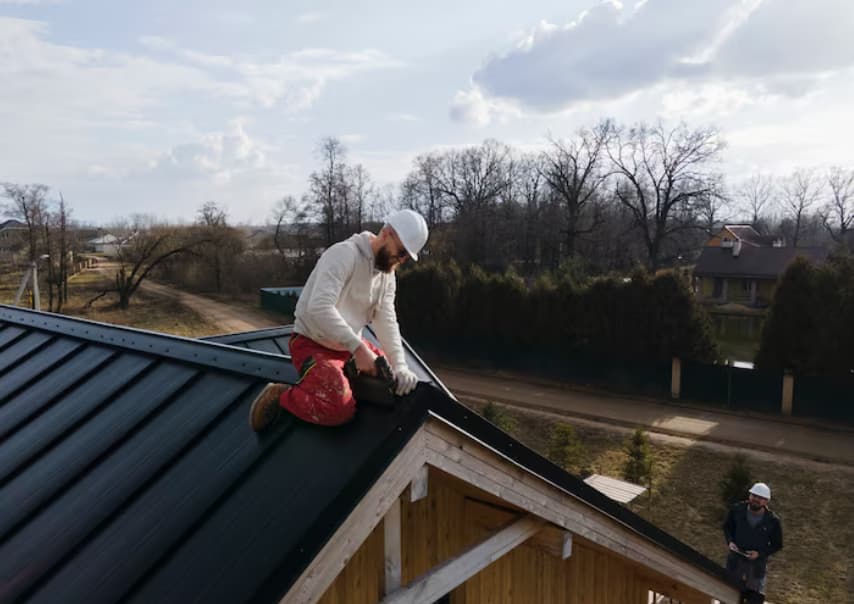
Here’s how a roof repair contractor can help reinforce your roof for a hurricane:
Install Hurricane Straps and Clips: Secure the roof structure to the walls using metal connectors. These prevent wind uplift and keep the roof attached to the home during high-speed gusts.
1. Seal the Roof Deck: Apply a secondary water barrier (like a self-adhering membrane) beneath shingles or panels. This prevents leaks if wind-driven rain penetrates the outer layer.
2. Upgrade to Wind-Rated Shingles or Panels: Replace older shingles with materials rated for 130 mph+ winds. Class F or impact-resistant options significantly enhance a hurricane roof’s durability.
3. Reinforce Flashing and Edges: Secure all flashing around chimneys, vents, and valleys. Tighten or replace edge metal to prevent peeling and water intrusion.
4. Inspect and Strengthen Fasteners: Use ring-shank nails or corrosion-resistant screws instead of staples to anchor materials more securely.
5. Improve Attic Ventilation and Insulation: Proper airflow reduces internal pressure during a storm, lowering the risk of uplift.
Do Roofers Install Hurricane Straps?
Yes — licensed roofers commonly install or retrofit hurricane straps as part of stormproofing, reroofing, or new roof construction. These metal connectors play a crucial role in transforming a standard roof into a hurricane proof roof.
Here’s how hurricane straps help strengthen your home’s defense:
- Create a Continuous Load Path: The straps connect the roof trusses or rafters directly to the wall framing, ensuring that wind forces are transferred safely down to the foundation.
- Prevent Roof Uplift: During extreme wind events, hurricane straps hold the roof securely in place, reducing the chance of sections being torn off.
- Work with Any Roof Type: They can be installed on both hip and gable roofs, whether during new construction or as a retrofit to an existing structure.
What to Do If a Hurricane Rips Your Roof Off
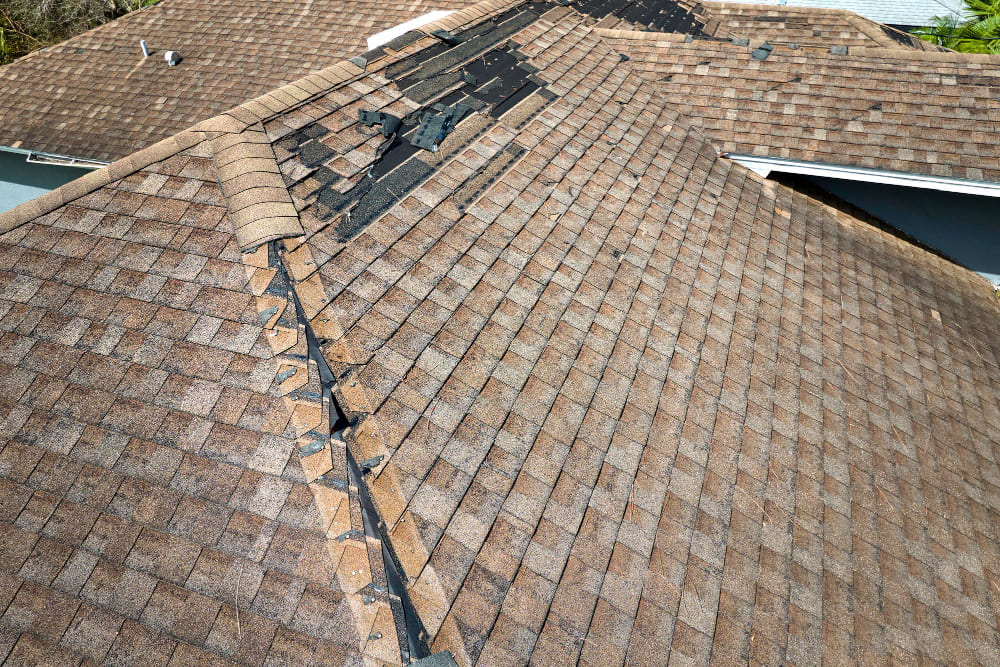
Losing part or all of your roof after a storm can be overwhelming, but quick, organized action can minimize damage and speed up recovery. Whether you have a traditional roof or a hurricane proof roof, follow these steps immediately after severe storm damage:
1. Prioritize Safety First: Evacuate the area if there are exposed electrical wires, falling debris, or structural instability. Avoid entering your home until it’s safe to do so.
2. Prevent Further Damage: If possible, use tarps or temporary coverings to block rain and debris from entering. Professional crews can handle emergency tarping safely and effectively.
3. Document Everything: Take clear photos and videos of the damage from multiple angles, both inside and outside. This documentation is vital for insurance claims and repair estimates.
4. Contact Your Insurance Provider: Report the incident as soon as possible. Provide your documentation and any receipts for emergency repairs or temporary lodging.
5. Call a Licensed Roof Repair Contractor: A qualified contractor can assess the full extent of the damage, secure the structure, and begin repairs on your hurricane roof. Acting quickly helps prevent water intrusion, mold growth, and long-term structural weakening.
6. Schedule a Post-Storm Inspection: Even if your roof wasn’t completely torn off, high winds can cause hidden damage. An inspection ensures your home remains safe and your roof is ready for future storms.
Will Insurance Cover Roof Damage from a Hurricane?
Most homeowner insurance policies cover wind and storm damage, though deductibles or exclusions for hurricanes may apply depending on the policy. In fact, from 2018 to 2022, nearly 49% of all home insurance property damage claims in the U.S. were caused by strong winds and hail, highlighting just how common roof-related losses are during severe weather.
Coverage depends on your policy type, roof age, and proof of maintenance. Keep documentation of your roof inspections and upgrades—especially if you’ve installed a hurricane proof roof—as insurers often reward proactive protection measures with lower premiums.
Frequently Asked Questions (FAQs)
How often should I inspect my hurricane proof roof?
It’s best to schedule a professional roof inspection at least once a year and before hurricane season. Regular inspections help detect loose shingles, damaged flashing, or weak fasteners early—key steps in maintaining a strong hurricane proof roof.
Can a metal roof really withstand hurricane-force winds?
Yes. A properly installed metal hurricane roof can withstand winds exceeding 140 mph thanks to interlocking panels and secure fastening systems. It’s one of the most reliable materials for hurricane-prone areas.
What’s the average lifespan of a hurricane proof roof?
Depending on the material, a hurricane proof roof can last 30–70 years. Metal and tile roofs typically offer the longest lifespans, while high-quality architectural shingles and synthetic materials also perform well under extreme weather.
Are there signs my roof isn’t ready for a hurricane?
Yes—look for loose shingles, sagging areas, leaks, or cracked flashing. These are warning signs that your home may need reinforcement or repairs from a certified roof repair contractor before the next storm hits.
Do hurricane roof upgrades increase home value?
Absolutely. Investing in a hurricane roof can boost resale value, lower insurance premiums, and attract buyers seeking durable, storm-resistant homes. It’s a smart long-term upgrade for both safety and return on investment.

Schedule a Hurricane Roof Inspection Today
Your roof is your home’s first line of defense against unpredictable weather—and preparation is everything.
At Lyndsey Roofing, LLC, our team brings years of experience in roof repair, replacement, and stormproofing for homeowners across the Hudson Valley. We use high-quality materials, proven installation methods, and attention to detail to build roofs that stand up to wind, rain, and time.
Don’t wait until a hurricane warning to find out your roof isn’t ready. Schedule your hurricane roof inspection in Poughkeepsie, NY, today.