Quick Facts
- Roofing systems are chosen based on building needs, climate, and budget.
- TPO, EPDM, metal, PVC, modified bitumen, and SPF each have unique strengths.
- Contractors evaluate durability, drainage, energy use, and maintenance.
- The best option depends on building use and environment.
- The right roof reduces costs and improves performance.
What’s In This Guide
- What Contractors Consider Before Choosing a Commercial Roofing System
- Types of Commercial Roofing Systems Contractors Recommend
- How to Choose the Right Commercial Roofing System
- Commercial Roofing Systems Comparison
- Common Mistakes When Choosing a Commercial Roofing System
- Frequently Asked Questions
- Get Expert Help Choosing the Right Commercial Roof
Commercial roofing systems are not chosen based on appearance alone. Contractors evaluate performance, durability, and long-term cost efficiency before recommending any material.
The most commonly recommended types of commercial roofing systems today include TPO, EPDM, metal, PVC, modified bitumen, and spray polyurethane foam. Each system serves a specific purpose depending on building use, climate, and budget. For property owners in regions like Poughkeepsie, NY, where winters are cold and summers can be humid, selecting the right system is critical.
Here’s how contractors evaluate roofing systems and how each option compares so you can make a well-informed decision.
What Contractors Consider Before Choosing a Commercial Roofing System
Building Use and Roof Traffic
The function of the building plays a major role. A warehouse with minimal foot traffic has different needs than a retail building with frequent HVAC maintenance. Roofs that experience regular foot traffic require materials that resist punctures and wear.
Roof Slope and Drainage
Most commercial roofs are low-slope or flat, which makes drainage a priority. Poor drainage can lead to ponding water, which accelerates deterioration. Certain systems, such as PVC and TPO, handle standing water better than others.
Climate Conditions in Poughkeepsie, NY
The Northeast climate includes freeze-thaw cycles, snow loads, and seasonal humidity. Materials must withstand temperature fluctuations without cracking or shrinking. Systems like EPDM commercial roofing perform well in colder climates due to their flexibility.
Expected Lifespan and Maintenance
Some property owners prioritize long-term durability, while others focus on lower upfront costs. Metal roofs can last decades with minimal maintenance, while single-ply membranes may require periodic inspections.
Budget and Installation Complexity
Cost is not just about materials. Labor, installation difficulty, and future maintenance all contribute to the total cost of ownership. A lower-cost system may end up costing more over time if it requires frequent repairs.
Understanding these factors helps explain why certain materials are consistently recommended by professionals.
Types of Commercial Roofing Systems Contractors Recommend
TPO Roofing (Thermoplastic Polyolefin)
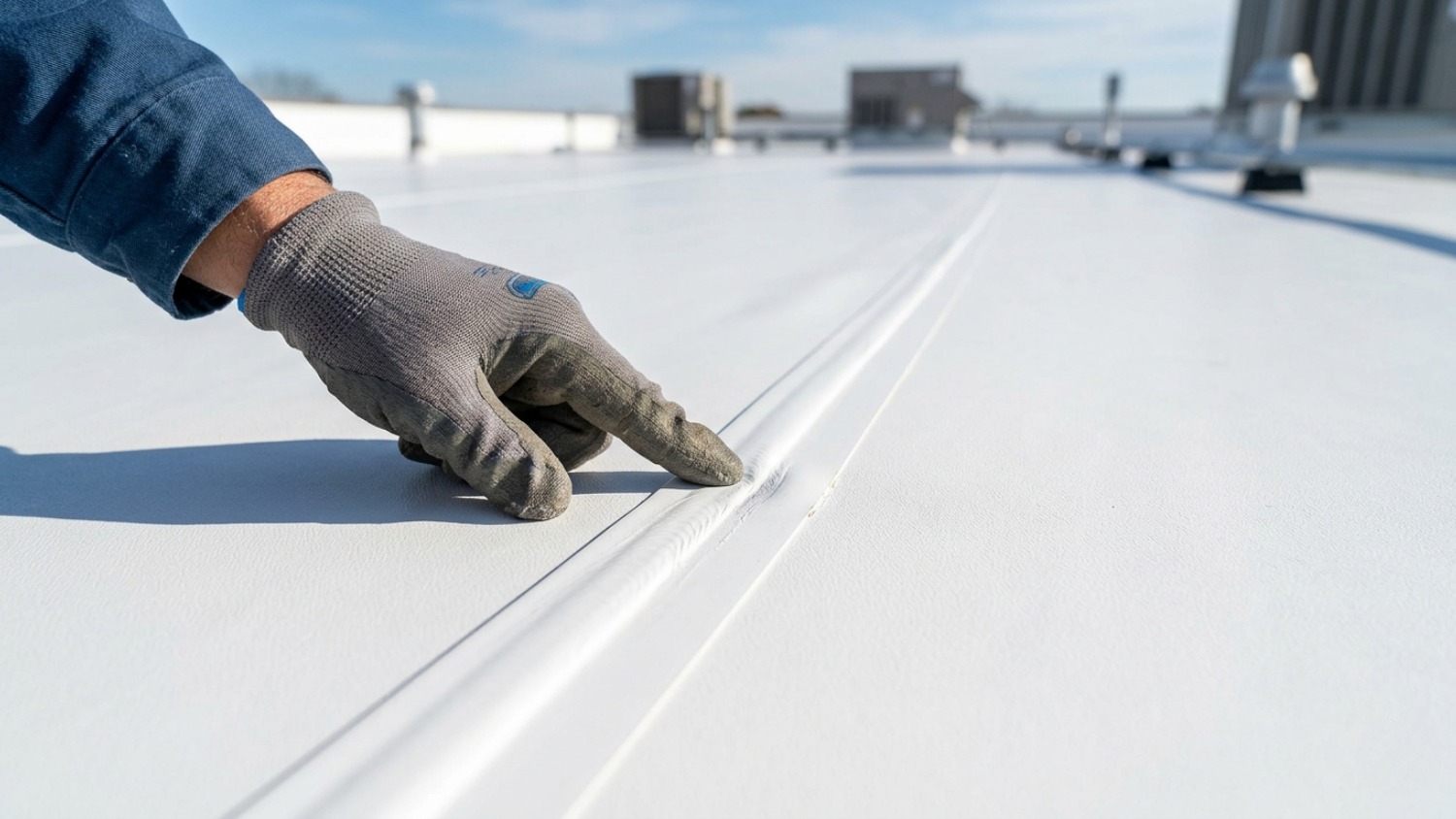
TPO is one of the most widely used types of commercial roofing systems today. It is a single-ply membrane known for its reflective white surface, which helps reduce heat absorption.
Key benefits:
- Energy-efficient due to high reflectivity
- Resistant to UV radiation and chemical exposure
- Lightweight and cost-effective
Best applications:
- Buildings aiming to reduce cooling costs
- Large commercial properties with flat roofs
Considerations:
- Quality varies by manufacturer
- Installation must be done correctly to avoid seam issues
Contractors often recommend TPO when balancing affordability and energy efficiency.
Commercial EPDM Roofing
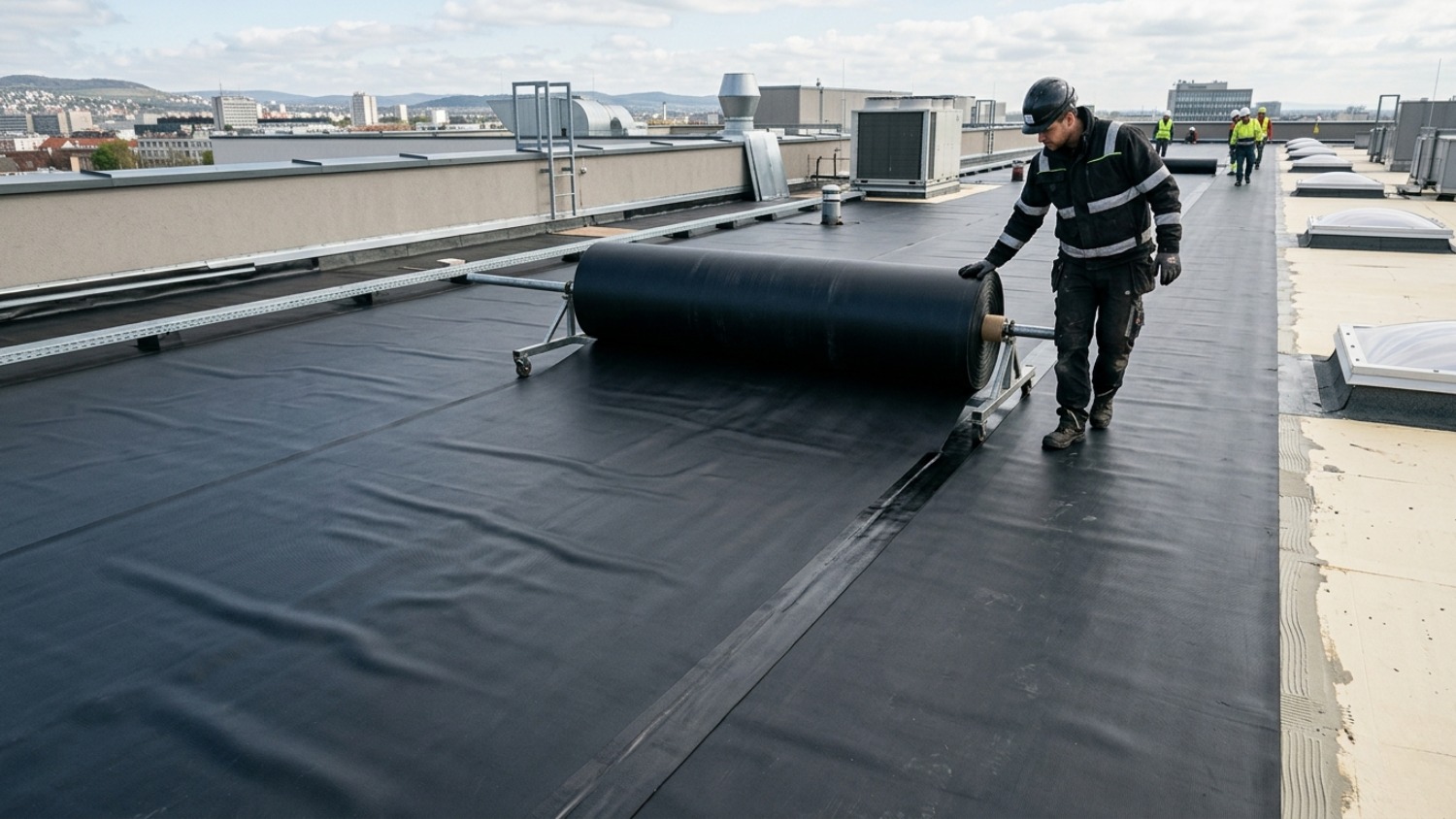
EPDM commercial roofing, often referred to as a commercial rubber roof, is a synthetic rubber membrane known for durability and flexibility.
Key benefits:
- Excellent resistance to extreme temperatures
- Long lifespan, often exceeding 25 years
- Low maintenance requirements
Best applications:
- Buildings in colder climates
- Structures requiring a durable, flexible system
Considerations:
- Black surface absorbs heat, which may increase cooling costs
- Vulnerable to punctures without proper protection
Commercial EPDM roofing is frequently chosen for its reliability and ability to handle harsh weather conditions.
Metal Roofing Systems
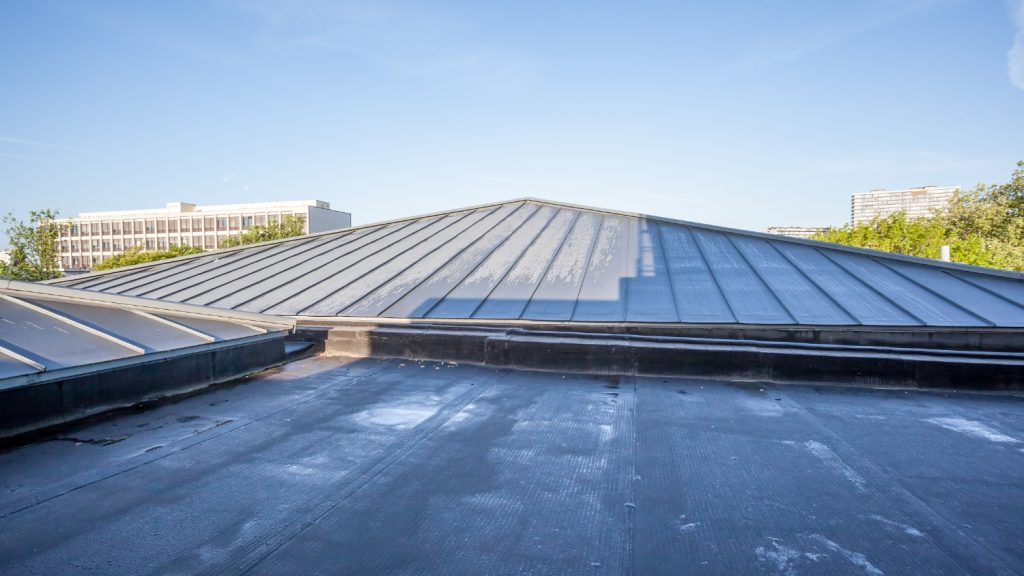
Metal roofing is one of the most durable commercial roofing materials available. It is commonly used in industrial and large-scale commercial settings.
Key benefits:
- Lifespan of 40 to 70 years or more
- Fire-resistant and structurally strong
- Minimal maintenance over time
Best applications:
- Warehouses and industrial buildings
- Facilities requiring long-term durability
Considerations:
- Higher upfront investment
- Requires proper insulation to control noise and temperature
Metal roofing is ideal for property owners focused on longevity and structural performance.
MORE ON THIS: Metal Roofing in Poughkeepsie, NY: Is It Worth the Investment for Local Homes?
PVC Roofing (Polyvinyl Chloride)
PVC roofing is another single-ply membrane that offers enhanced durability and resistance to chemicals.
Key benefits:
- Strong seams that reduce the risk of leaks
- Resistant to grease, chemicals, and fire
- High puncture resistance
Best applications:
- Restaurants or facilities with chemical exposure
- Buildings requiring strong waterproofing
Considerations:
- More expensive than TPO
- Requires skilled installation
PVC is often selected when durability and chemical resistance are critical.
Modified Bitumen Roofing
Modified bitumen is an asphalt-based system that uses multiple layers to create a strong, waterproof barrier.
Key benefits:
- Excellent water resistance
- Durable under heavy use
- Proven performance over decades
Best applications:
- Flat roofs with high exposure to the weather
- Buildings needing reinforced protection
Considerations:
- Heavier than other systems
- Installation can be labor-intensive
Contractors recommend modified bitumen for its reliability and multi-layer protection.
Spray Polyurethane Foam (SPF) Roofing
SPF is a liquid-applied roofing system that expands into a solid foam, creating a seamless barrier.
Key benefits:
- High insulation value
- Seamless and waterproof
- Can be applied over existing roofs
Best applications:
- Retrofit projects
- Buildings needing improved insulation
Considerations:
- Requires experienced installers
- Sensitive to weather during installation
SPF is often used when energy efficiency and seamless coverage are priorities.
How to Choose the Right Commercial Roofing System
Selecting the right system involves a step-by-step evaluation process.
Step 1: Assess Your Building’s Needs
Start by identifying how the building is used and how much stress the roof will need to handle over time. Roofs with frequent foot traffic, HVAC units, or heavy equipment often need more durable commercial roofing materials.
Step 2: Evaluate Climate Conditions
Weather plays a major role in how commercial roofing systems perform year after year. In colder climates, flexible options like EPDM commercial roofing are often preferred because they hold up well against temperature changes.
Step 3: Determine Your Budget
Do not focus only on the installation price when comparing roofing options. It is also important to consider repair costs, maintenance needs, and how long the system is expected to last.
Step 4: Consider Energy Efficiency
Some materials can help lower building energy costs by reducing heat absorption or improving insulation. TPO is known for its reflective surface, while SPF adds insulation and creates a sealed layer of protection.
Step 5: Review Lifespan and Maintenance
Each roofing system has different maintenance demands and expected service life. Choosing between lower upkeep and lower upfront cost can help narrow down the best fit for your property.
Step 6: Consult Commercial Roofing Contractors
A professional inspection helps confirm which system works best for the building’s layout, drainage, and structural needs. Experienced commercial roofing contractors can also identify whether a commercial rubber roof or another system makes more sense for long-term performance.
Commercial Roofing Systems Comparison
|
Roofing System |
Main Advantage |
Best Fit For |
|
TPO |
Energy-efficient and cost-effective |
Buildings focused on lowering cooling costs and controlling upfront expenses |
|
EPDM |
Durable and ideal for cold climates |
Properties that need flexible, weather-resistant performance in colder regions |
|
Metal |
Long lifespan and low maintenance |
Warehouses, industrial buildings, and owners prioritizing long-term value |
|
PVC |
Strong and resistant to chemicals |
Restaurants, manufacturing facilities, and buildings exposed to grease or chemicals |
|
Modified Bitumen |
Excellent waterproofing |
Flat roofs that need dependable multi-layer protection against leaks |
|
SPF |
Seamless insulation and coverage |
Retrofit projects and buildings seeking added insulation and waterproofing |
Common Mistakes When Choosing a Commercial Roofing System
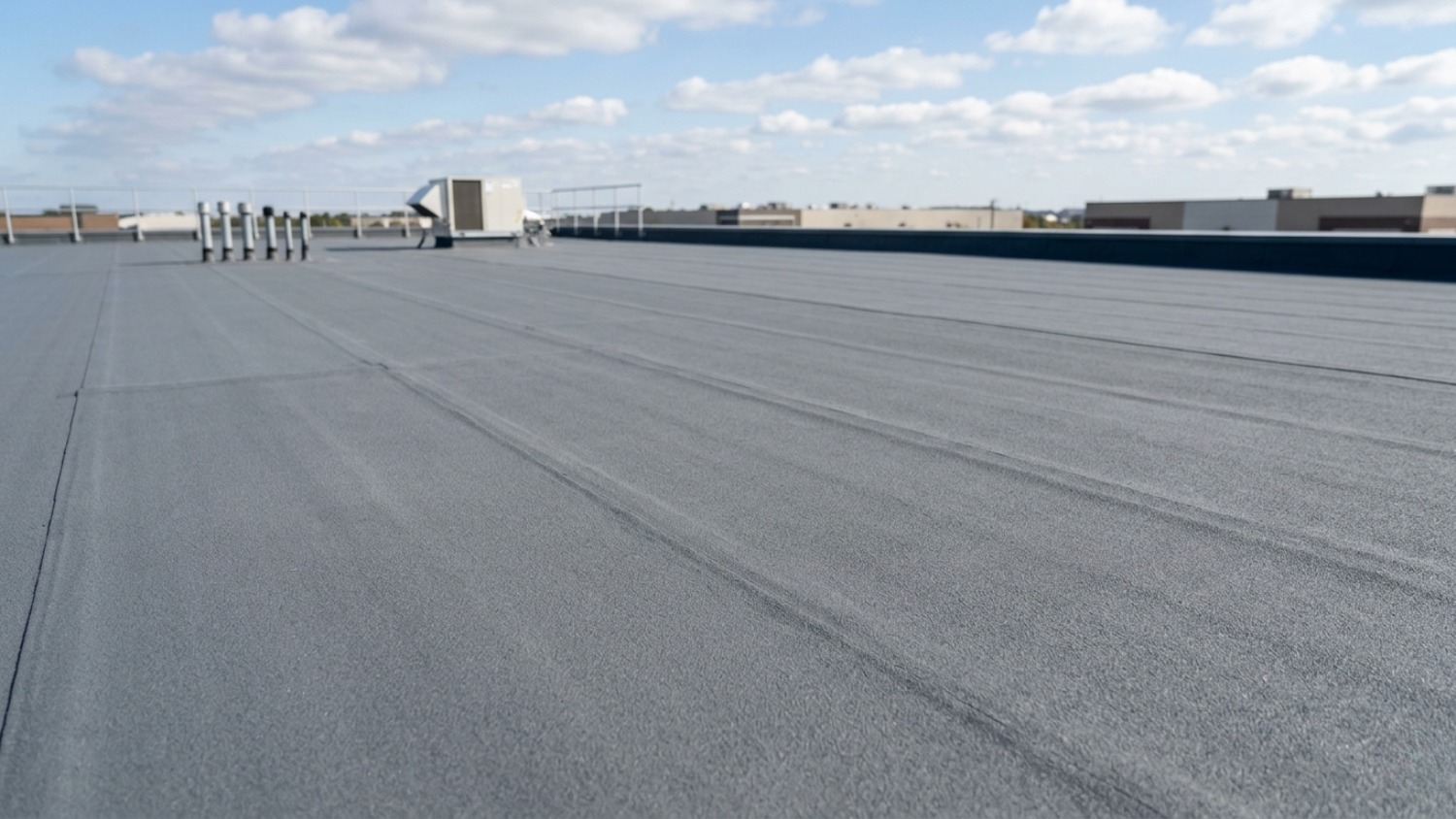
Choosing the Lowest Upfront Cost Without Considering Lifespan
A lower-priced system may seem practical at first, but it can cost more over time if it needs frequent repairs or earlier replacement. When comparing commercial roofing systems, it is important to weigh long-term value, not just the initial price tag.
Ignoring Climate Compatibility
Not every roofing system performs the same in every environment, especially in areas with snow, moisture, and temperature swings. For example, EPDM commercial roofing is often chosen for colder climates because this commercial rubber roof system stays flexible and durable in harsh weather.
Overlooking Maintenance Requirements
Some roofing systems need more routine inspections and upkeep than others to maintain performance. Property owners who do not plan for maintenance can end up with leaks, membrane damage, or reduced lifespan.
Selecting Materials Unsuited for Building Use
The right material depends heavily on how the building functions and how the roof is used. A roof with frequent foot traffic, rooftop equipment, or exposure to chemicals may need a very different system than a low-traffic office building.
Hiring Inexperienced Contractors
Even high-quality materials can fail when installed incorrectly or paired with the wrong structure. Skilled commercial roofing contractors help ensure the system matches the building’s needs and that installation meets performance standards.
Frequently Asked Questions
What is the most common commercial roofing system?
TPO and EPDM are among the most widely used commercial roofing systems because they offer a strong balance of cost, durability, and overall performance. Many commercial roofing contractors recommend them for flat and low-slope buildings due to their versatility.
Which commercial roof lasts the longest?
Metal roofing systems typically last the longest, often performing well for 40 to 70 years or more with proper maintenance. They are often chosen for buildings where long-term durability and low maintenance matter most.
What is the best roofing system for flat roofs?
TPO, EPDM, and modified bitumen are some of the most common choices for flat or low-slope roofs. The best option depends on factors like drainage, climate, traffic, and long-term maintenance goals.
How much does a commercial roof cost?
Commercial roof costs vary based on the material, roof size, labor, and installation complexity. Looking at long-term maintenance and expected lifespan is just as important as comparing the upfront price.
Can a commercial roof be installed over an existing one?
In some cases, yes, systems like SPF and certain membrane roofs can be installed over an existing roof. This depends on the condition of the current roof, local code requirements, and the building’s structural support.
Get Expert Help Choosing the Right Commercial Roof
Choosing among the many types of commercial roofing systems requires more than comparing materials. It involves understanding how each option performs under real-world conditions, including climate, building use, and long-term maintenance needs. A well-informed decision can improve energy efficiency, reduce repair costs, and extend the life of your building.
Working with experienced professionals ensures that your roofing system is matched to your specific requirements. For property owners in Poughkeepsie, NY, Lyndsey Roofing, LLC provides knowledgeable guidance and professional installation based on proven industry practices.
Contact Lyndsey Roofing, LLC for professional guidance on selecting the right commercial roofing system based on your building’s structure, budget, and long-term performance goals.