Table of Contents

Key Takeaways
✔ Proper planning, quality materials, and code compliance are essential to ensure a new roof can withstand hurricane conditions.
✔ Avoiding common installation mistakes helps prevent leaks, structural damage, and costly repairs during severe weather.
✔ Regular maintenance, inspections, and reinforcement keep the roof strong and ready for hurricane season.
✔ A new roof can handle hurricanes effectively only when built with durable materials and installed by experienced professionals.
✔ Timely inspections and professional help from a qualified contractor ensure long-term roof strength and storm readiness.
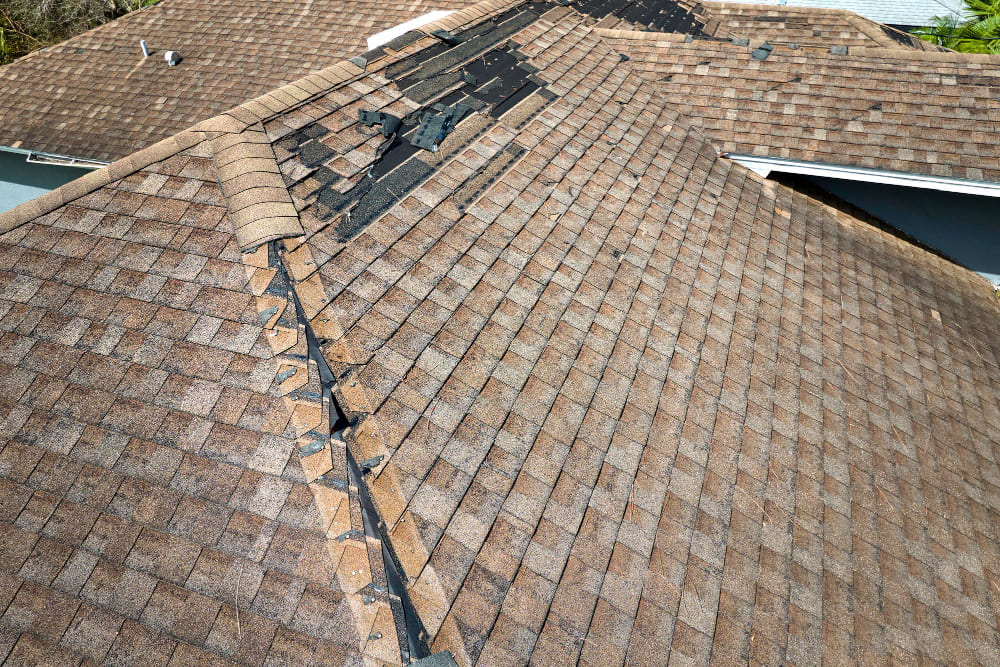
When hurricanes hit, the roof takes the hardest hit from wind and rain. A strong hurricane proof roof protects the home, but even small mistakes during installation can lead to leaks, loose shingles, or major damage. Using quality materials helps, but how the roof is installed matters just as much.
Knowing what can go wrong is the best way to prevent costly repairs later and keep the home safe when storms arrive.
Here are the top seven mistakes to avoid when installing a hurricane-proof roof and how to make sure it’s built to last.
What Factors Should Be Evaluated Before Installing a New Roof?
Before starting a roofing project, there are important details to think through. Proper planning ensures the new hurricane roof can handle harsh weather for years to come.
✔ Assess Local Building Codes and Wind Zone Requirements
Homes in hurricane-prone areas must meet specific building codes designed to withstand strong winds. Local codes often outline how the roof should be anchored and what materials are acceptable.
In high-velocity hurricane zones, the rules are even stricter. Working with a professional roof repair contractor ensures the installation meets these standards.
✔ Evaluate the Roof’s Structural Integrity
Before adding new materials, it’s important to confirm that the structure beneath is solid. Rafters, trusses, and wall connections all need to be strong enough to support a reinforced roof.
A professional inspection can identify weak areas that could cause problems later. Without this step, even the best roof for hurricane resistance may fail under pressure.
✔ Choose the Right Roofing Material for Hurricanes
The type of material used affects how well the roof holds up against high winds and heavy rain. Metal roofs, concrete tiles, and premium shingles are common options. Each offers unique benefits, but they must all be rated for high wind resistance.
Choosing materials tested for severe weather makes a huge difference in performance. Homeowners who select the best roof for hurricane conditions can greatly reduce the risk of storm damage.
7 Common Mistakes to Avoid When Installing a Hurricane Proof Roof
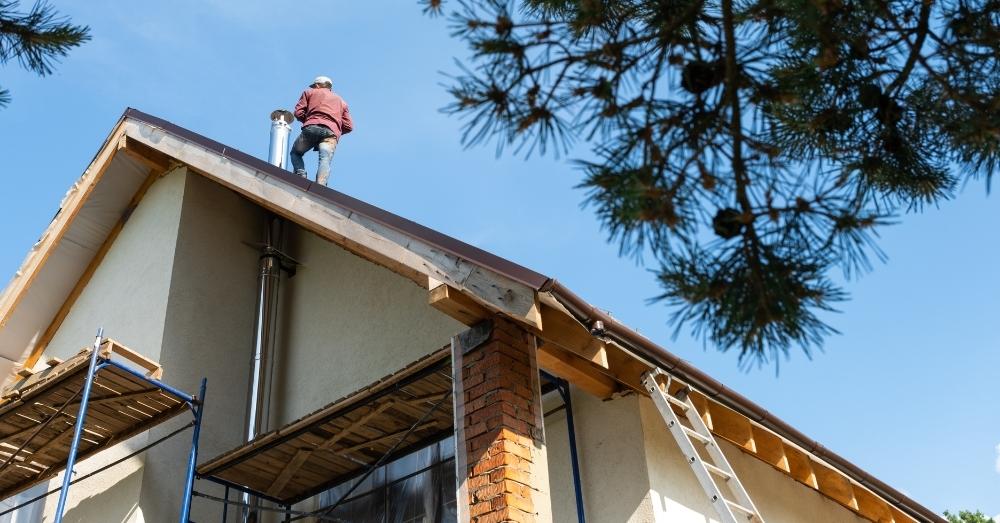
Even high-quality materials can’t protect a home if they’re installed incorrectly. Avoiding these seven mistakes helps ensure a durable and reliable hurricane proof roof that stands up to nature’s worst.
1. Improper Structural Connections
A roof’s strength depends on how well it’s connected to the rest of the home. Using the wrong fasteners or skipping essential hardware weakens the structure. Every roof should have hurricane straps or clips that tie it securely to the walls and foundation.
Corrosion-resistant fasteners are also a must to prevent rust over time. When everything is properly connected, the roof acts as one strong system against uplift from high winds.
2. Incorrect Installation of Roof Components
Flashing and vents may seem minor, but they’re key to keeping the roof watertight. Flashing around skylights, vents, and chimneys must be sealed properly to prevent leaks, and ridge vents should be hurricane-rated and securely attached.
In hurricane zones, IBHS Fortified Home recommends avoiding gable end vents in new homes and using certified ridge or off-ridge vents instead. For existing homes, gable vents should be sealed or fitted with removable shutters and permanent anchors for quick storm preparation. A qualified roof repair contractor ensures every detail is installed to handle wind, rain, and pressure changes.
3. Poor Shingle or Fastener Attachment
When nails or fasteners aren’t installed properly, shingles can easily blow off in a storm. Nails that are driven too deep or not deep enough fail to hold shingles securely. The wrong nail size or pattern can also cause problems.
Each manufacturer provides clear installation instructions that should be followed closely. A well-fastened hurricane roof will keep shingles in place even when the wind gets intense.
4. Neglecting the Roof Deck and Underlayment
The deck and underlayment are the foundation of the entire roofing system. If the deck is old or damaged, it needs to be repaired before new materials are added. A solid deck helps keep nails secure and prevents shifting during storms.
The underlayment acts as a backup barrier against water leaks. Reusing an old or torn underlayment is a common mistake that leads to damage over time. Installing a durable, waterproof layer is essential for creating a lasting hurricane proof roof.
5. Inadequate Ventilation
Good ventilation keeps the attic cool and dry, which helps prevent warping and rot. Without proper airflow, heat and moisture build up under the roof, weakening materials. Balanced intake and exhaust vents improve energy efficiency and extend the roof’s lifespan.
In hurricane-prone areas, ventilation must be designed to prevent rain from blowing inside. Strong, weather-rated vents are key to maintaining the best roof for hurricane durability.
6. Using Mismatched or Low-Quality Materials
A roof system works best when all materials are consistent in strength and quality. Mixing parts from different brands or reusing old flashing creates weak points that can fail in high winds. Every component, from shingles to nails, should be hurricane-rated.
Homeowners should avoid cutting corners on materials since one weak link can compromise the whole system. A well-built hurricane roof uses high-quality products throughout to ensure every section holds up under pressure.
7. Ignoring Manufacturer Guidelines and Local Codes
Roofing products come with specific instructions for a reason. Ignoring those directions or skipping required steps can lead to early failure and void warranties. Local building codes are equally important because they ensure homes are built to handle the local climate.
Contractors who specialize in hurricane-resistant roofing understand these rules and follow them carefully. A trustworthy roof repair contractor will always install according to both manufacturer and code requirements, helping homeowners avoid costly mistakes.
How Can a Roof Be Properly Prepared for a Hurricane?
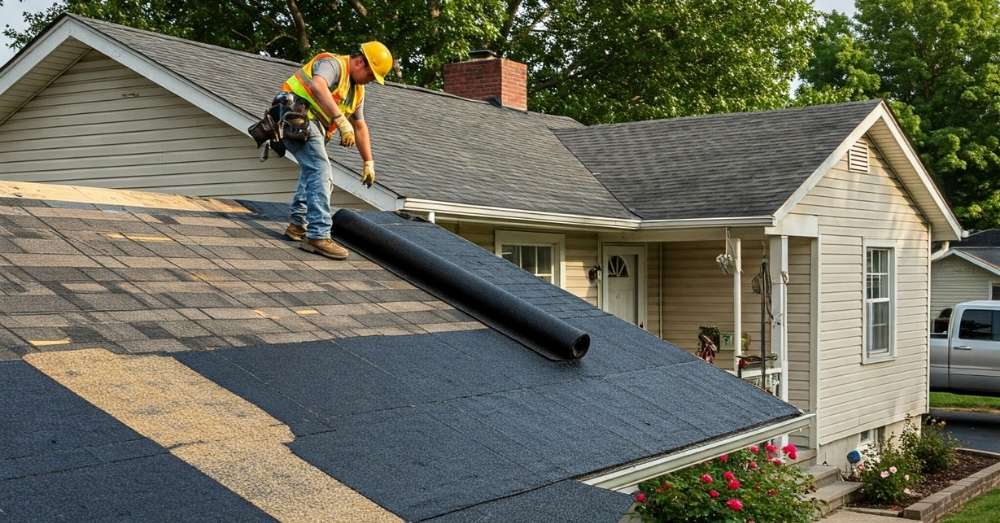
Even a strong roof needs maintenance to stay ready for hurricane season. Taking time to prepare each year helps prevent major damage when storms roll in.
Reinforce Roof Connections and Fasteners
Checking connections and tightening hardware before hurricane season makes a big difference.
- Replace rusted or loose fasteners as soon as possible to maintain strength.
- Make sure hurricane straps, clips, and nails are tight and secure.
- Strengthen the connection between the roof and the home’s frame to resist strong wind uplift.
- A properly maintained hurricane proof roof stays secure even when wind speeds rise.
- Replace rusted or loose fasteners as soon as possible to maintain strength.
Inspect for Loose Shingles, Tiles, or Flashing
Small issues can quickly turn into big repairs during a storm.
- Check for lifted or cracked shingles and replace them immediately.
- Inspect flashing around vents, chimneys, and skylights for gaps or corrosion.
- Have a trusted roof repair contractor perform regular inspections to catch early damage.
- Keep edges, vents, and joints sealed tightly to help the hurricane roof perform at its best when weather turns rough.
- Check for lifted or cracked shingles and replace them immediately.
Clear Gutters and Trim Nearby Trees
Simple maintenance tasks go a long way in preventing storm damage.
- Clean gutters and downspouts to make sure rainwater drains properly.
- Remove leaves, twigs, and debris that can cause water buildup and leaks.
- Trim overhanging branches that could snap and damage the roof during high winds.
- Keeping the area clear reduces the risk of punctures or clog-related leaks during a hurricane.
- Clean gutters and downspouts to make sure rainwater drains properly.
Is a Newly Installed Roof Capable of Withstanding a Hurricane?
A new roof doesn’t automatically guarantee hurricane protection. Its strength depends on how it was built and the materials used.
It Depends on the Installation Quality and Materials Used
Even a recently installed roof can fail if shortcuts were taken. True protection comes from using wind-rated materials and following precise installation methods. The best roof for hurricane conditions is designed as a complete system where each part works together. A properly built roof can handle extreme gusts, driving rain, and flying debris with minimal damage.
Regular Inspections Are Essential
New roofs still require regular care. Over time, fasteners can loosen and materials may shift slightly. Having a professional roof repair contractor inspect the roof at least once a year helps catch these issues early. Routine maintenance keeps the roof performing like new and ensures it continues meeting the standards of a hurricane proof roof built for coastal living.
When to Call a Roof Repair Contractor
The best time to schedule a roofing inspection isn’t after a storm; it’s before one. Having a professional check for weak spots or signs of wear keeps minor issues from turning into major repairs.
Look for a roof repair contractor with experience in hurricane-resistant roofing and knowledge of local building codes. They’ll know which materials and methods work best in your area’s weather conditions.
A skilled contractor can recommend the best roof for hurricane protection, ensure it’s installed the right way, and maintain it for long-term strength. With expert care, a home can have a durable hurricane roof that provides safety, comfort, and confidence through every storm season.
Frequently Asked Questions
Installation time depends on the home’s size, roofing materials, and weather conditions. On average, it can take anywhere from a few days to a week. Preparation and inspections may add extra time, but they ensure the roof is built correctly to withstand hurricanes.
It’s best to have the roof inspected at least once a year, ideally before hurricane season begins. Additional inspections should follow any major storm. Regular checks help identify early signs of damage that could worsen during future weather events.
Yes, many existing roofs can be strengthened without full replacement. Adding hurricane straps, reinforcing decking, and upgrading underlayment are effective improvements. A professional inspection helps determine what upgrades are needed.
Loose shingles, rusted fasteners, and cracked flashing are clear warning signs. Sagging areas or leaks also indicate weak spots that need attention. Fixing these issues early improves safety before storms arrive.
It’s a good idea to replace old or damaged gutters during installation. Strong, well-aligned gutters help manage heavy rainfall and reduce water pooling near the foundation. New gutters also improve the roof’s ability to handle storm runoff efficiently.
Keep Homes in Poughkeepsie, NY, Ready for Hurricane Season with Expert Roofing Care!
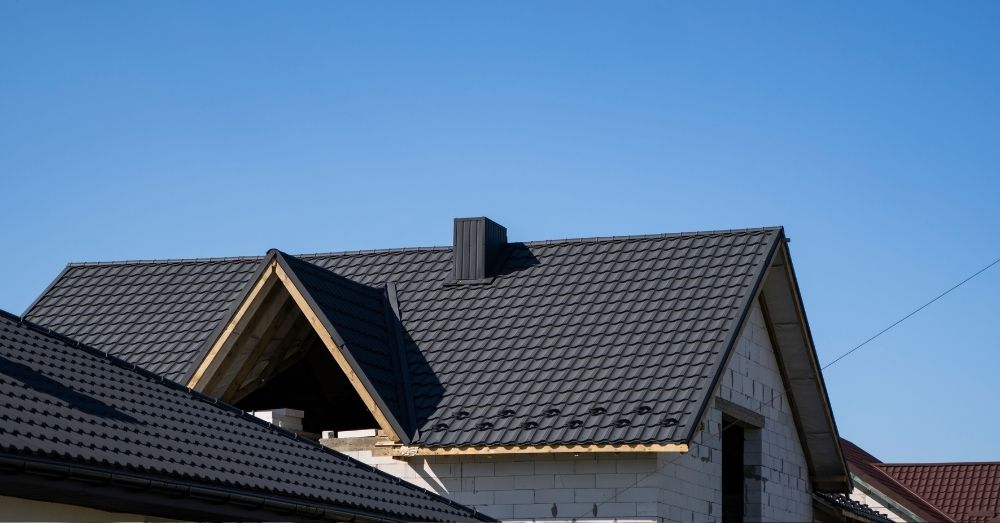
Homes in Poughkeepsie, NY, face strong winds and heavy rain during hurricane season, making dependable roofing a must. With skilled service from Lyndsey Roofing, LLC, every roof can stay strong, secure, and well-prepared for changing weather. Our team ensures quality workmanship, reliable materials, and attention to every detail that keeps homes protected year after year in Poughkeepsie, NY.
Call Lyndsey Roofing, LLC today to schedule a professional roof inspection and keep the home ready for whatever the next storm brings!