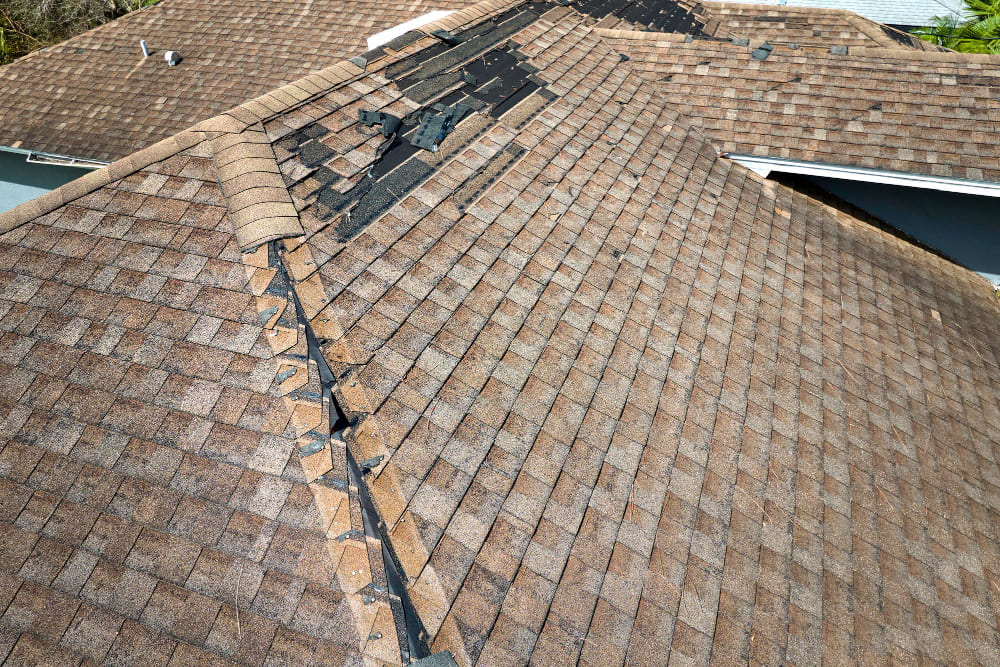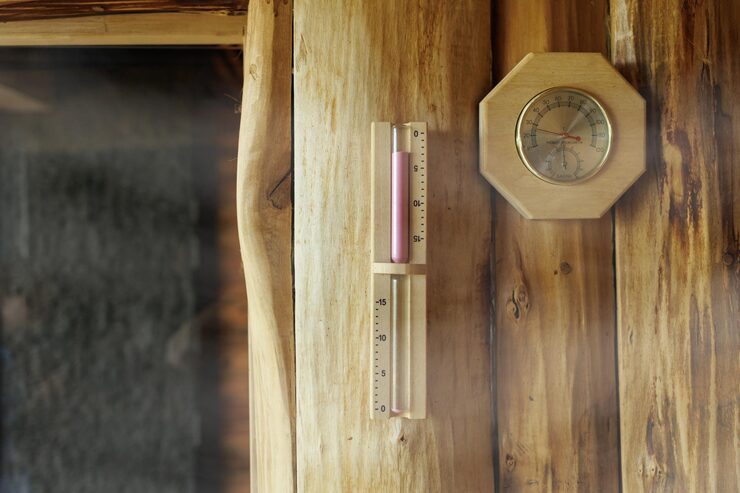
6 Signs of Poor Attic Ventilation
1. Higher Energy Bills Without a Clear Reason
A sudden spike in energy bills often signals a hidden issue in the home’s ventilation system. When attic ventilation is not working properly, it forces heating and cooling systems to work harder to maintain indoor temperatures. This not only drives up monthly energy costs but also wears down HVAC equipment faster.
How Poor Ventilation Affects Heating and Cooling Efficiency
- Trapped Heat in Summer: Without adequate airflow, heat collects in the attic and radiates downward, making indoor spaces hotter. Air conditioners must run longer to cool the home, which is a common sign of poor attic ventilation.
- Cold Drafts in Winter: Improper attic ventilation can cause cold air to circulate where it shouldn’t, creating chilly spots and forcing the furnace to cycle on more frequently. This hidden imbalance contributes to high winter energy bills and discomfort.
- Inconsistent Indoor Temperatures: Poor airflow disrupts the temperature balance throughout the home. Homeowners may notice some rooms are always warmer or colder than others—another telltale symptom of attic ventilation problems.
2. Condensation or Moisture in the Attic
Moisture buildup inside the attic is never a good sign. When warm, humid air gets trapped due to poor airflow, it condenses on cold surfaces—especially during seasonal shifts. Over time, this hidden moisture can lead to mold, wood rot, and insulation breakdown.
Risk of Condensation or Moisture
- Water Stains on Rafters or Sheathing: Brown or dark stains on wooden beams are often the first visual clue. These spots mean condensation has settled into the structure, a result of attic ventilation problems restricting proper airflow.
- Warped or Delaminated Roof Decking: Moisture can cause plywood or OSB roof decking to swell or peel apart. Improper attic ventilation can cause this damage to progress silently until roofing repairs become unavoidable.
- Structural Weakening of Rafters: Prolonged exposure to moisture can weaken the structural integrity of rafters, causing them to rot over time. This can result in costly repairs and potential roof collapse if left unaddressed.
3. Ice Dams Forming Along the Roof Edge
Ice dams are more than just a winter nuisance—they’re a warning sign that attic airflow isn’t balanced. These icy ridges form when snow on the roof melts unevenly and refreezes at the edges, often due to excessive heat escaping from the attic.
How Uneven Roof Temperatures Create Ice Dams
- Warm Spots from Escaping Heat: Heat rising from living spaces into a poorly insulated attic melts snow directly above. Without good ventilation to disperse it, this trapped heat contributes to inconsistent roof temperatures.
- Cold Eaves That Refreeze Melted Snow: The outer edges of the roof remain colder, causing melted snow to refreeze before it can drain. This freezing cycle creates blockages and leaks, signaling signs of poor attic ventilation.
- Water Backups Under Shingles: Ice dams push melted water beneath shingles, leading to hidden leaks and stained ceilings. These types of attic ventilation problems can cause costly repairs if not addressed early
4. Musty or Unpleasant Odors Indoors
Strange smells drifting down from the attic often point to a buildup of moisture, mildew, or trapped pollutants. Over time, these odors seep through insulation, ducts, and attic openings, affecting indoor air quality.
What Attic Odors Suggest
- Mold Growing in Hidden Corners: Poor airflow creates pockets of trapped moisture, especially around vents or under insulation. These damp zones promote mold growth, which produces a distinct musty odor that spreads into living areas.
- Rodents or Pests Seeking Shelter: A stale or sour smell can also come from droppings, nesting materials, or deceased pests. Improper attic ventilation can cause warm, humid conditions that attract insects or rodents looking for shelter.
- Degraded Insulation Material: Older or damp insulation can emit a chemical or dusty smell as it breaks down. These signs of poor attic ventilation often go unnoticed until they become a comfort or health concern.
5. Visible Mold or Discoloration on Surfaces
Seeing mold on beams, insulation, or roof decking is a strong indicator that something is wrong with attic airflow. Mold doesn’t grow without moisture—and that moisture is usually the result of poor air circulation.
Signs of Visible Mold Points
- Clustering in Corners or Around Vents: Mold often appears in attic corners or near soffit vents where airflow should be strongest. If these areas stay damp, it’s often due to attic ventilation problems allowing condensation to form unchecked.
- Discoloration on Insulation Batts: White, green, or black spots on fiberglass insulation suggest long-term moisture exposure. A poorly insulated attic is especially vulnerable, as damp insulation traps both water and spores.
- Peeling Paint or Surface Bubbles: Moisture inside the attic can rise into the ceiling drywall below, causing bubbling paint or flaking textures. These interior effects often trace back to improper attic ventilation that traps humidity at the top of the home.
6. Rust or Corrosion on Metal Components
Rust is not limited to exterior surfaces—it can develop inside the attic on nails, fasteners, and metal brackets. Corrosion happens when moisture lingers, often due to poor attic airflow that allows condensation to settle.
Rusty nail heads visible through the roof sheathing are a subtle yet clear sign. This kind of spotting often reveals signs of poor attic ventilation, allowing moisture to collect at fastener points.
What Rust and Corrosion Means
- Localized Condensation: Ductwork and flashing in the attic should remain clean and dry. When these parts begin to rust, it suggests improper attic ventilation can cause localized condensation even in isolated spots.
- Weakened Structural Brackets: Rusted metal hangers or braces may lose their strength over time. If left unnoticed, attic ventilation problems that lead to corrosion could jeopardize the integrity of the roof framing system.
- Moisture Accumulation in the Attic: Rust on metal vent covers, especially at seams or joints, can be an early sign of moisture accumulation in the attic. This corrosion weakens the ventilation system, reducing airflow and allowing more moisture to settle, which can lead to further damage if not addressed.
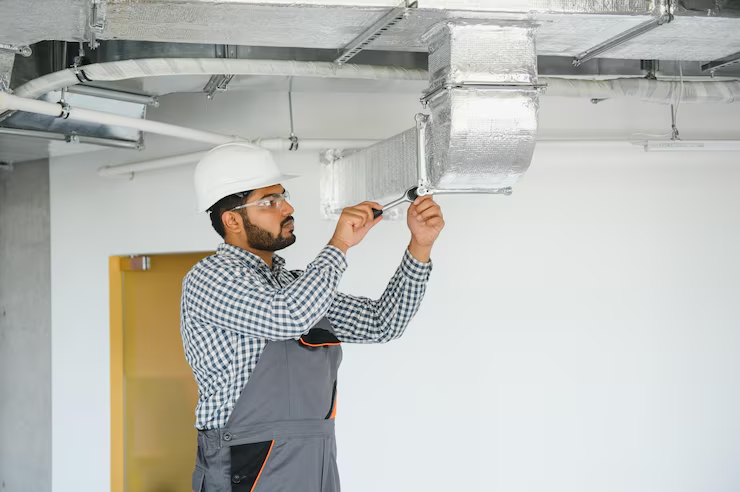
How to Check Attic Ventilation Without Tearing Anything Apart
Homeowners don’t always need to rip into walls or ceilings to figure out if their attic ventilation is doing its job. A few visual checks and simple tests can uncover problems before they turn into major repairs. One of the first signs of trouble often starts with insulation—specifically when it’s installed in a way that blocks airflow at the eaves.
Here are six practical ways to spot trouble—without grabbing a crowbar:
1. Look for Frost, Dampness, or Water Stains on Rafters
In colder months, frost on the inside of the roof sheathing is a red flag. When frost melts, it often leaves behind water stains, dark blotches, or swollen wood—all signs of poor attic ventilation. If these issues appear repeatedly, it’s time to bring in a contractor who understands moisture behavior in attics.
2. Check Soffit and Ridge Vents for Blockages
Walk around the house and peek under the eaves to make sure soffit vents are open and unobstructed. Indoors, check if ridge vents at the roof peak are clear of insulation or dust buildup. When these vents are blocked, improper attic ventilation can cause air to stagnate, trapping heat and moisture inside.
3. Use the Hand Test on Ceiling Surfaces
Place a hand on the ceiling on different floors, especially in rooms directly under the attic. If ceilings feel noticeably warm in summer or cold in winter, it could indicate poor airflow above. This simple test often reveals attic ventilation problems that quietly drive up energy bills.
4. Watch for Rust on Exposed Nail Heads or Fasteners
Take a flashlight and inspect visible nails and metal components inside the attic. Rust or discoloration suggests moisture buildup from warm air rising and settling without escape—one of the clearest signs of poor attic ventilation. A roofing or ventilation expert can confirm whether the system needs adjusting or replacing.
5. Listen for Dripping or Airflow in Quiet Hours
On a cold night or early morning, turn off appliances and listen from the attic access point. The sound of dripping water, unusual hissing, or a complete lack of air movement can signal that airflow is restricted. These early cues often appear before any visual signs and should be evaluated by a qualified professional.
6. Check for Uneven Insulation or Dust Trails Near Vents
Insulation should lie flat and even across the attic floor. Gaps, low spots, or insulation pushed up against vent openings point to a poorly insulated attic and blocked ventilation paths. If insulation appears discolored or has dust streaks, it’s best to consult an attic specialist to prevent long-term airflow issues.
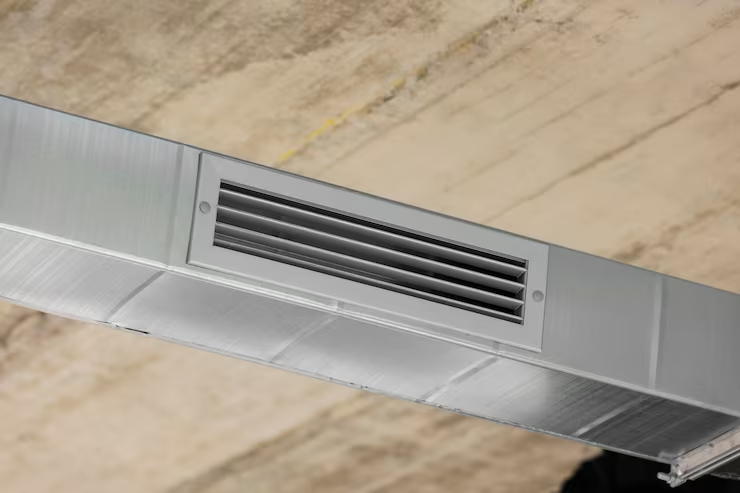
How to Choose the Right Type of Vent for Better Airflow
The roofing industry continues to grow, with the U.S. market reaching $75.8 billion in 2024—driven in part by rising demand for energy-efficient and long-lasting roofing solutions. However, not all attic vents serve the same purpose—and choosing the wrong kind can do more harm than good. The best attic ventilation systems balance intake and exhaust based on the home’s design, roof slope, and climate.
Here’s a breakdown of six common vent types and how each one supports better airflow.
1. Soffit Vents for Fresh Air Intake
Soffit vents are installed under the eaves and bring fresh air into the attic from outside. Without proper intake from soffit vents, even the best exhaust system can’t function efficiently—leading to signs of poor attic ventilation. A ventilation contractor can help ensure these vents are evenly spaced and not blocked by insulation.
2. Ridge Vents for Steady Exhaust
Ridge vents run along the peak of the roof and allow warm, moist air to escape evenly across the attic. These low-profile vents blend with shingles and create a continuous exhaust point when paired with soffit vents. When installed properly, they help prevent attic ventilation problems like heat buildup and moisture retention.
3. Gable Vents for Cross-Breeze Circulation
Mounted on the triangular wall at the roof’s end, gable vents promote side-to-side airflow. While they don’t work as efficiently as a ridge-and-soffit combo, they can assist in homes with limited roofline space. For older homes showing signs of poor attic ventilation, adding gable vents may offer partial relief—but should be reviewed by a ventilation expert first.
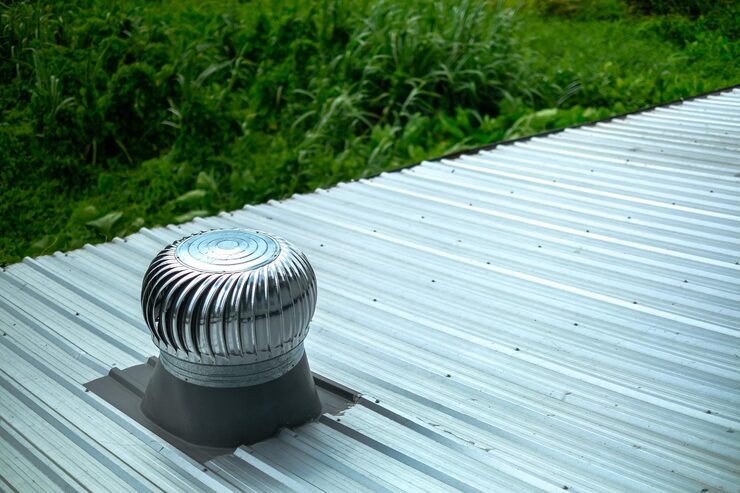
4. Roof Vents (Box or Turtle Vents) for Passive Exhaust
Box or turtle vents are small, box-shaped units installed on the roof to release heat and humidity. They’re often used when ridge vents aren’t feasible, but their coverage is more limited and may require multiple units. Improper attic ventilation can cause these vents to underperform, especially if not balanced with intake sources.
5. Power Attic Vents for Mechanical Ventilation
These electrically powered fans pull hot air out of the attic using a thermostat or humidistat. While effective in high-heat areas, they can backfire if not correctly installed—sometimes drawing conditioned air from living spaces instead of pulling fresh air from soffits. Professionals are essential when using power vents to avoid airflow imbalance or energy waste.
6. Solar Attic Fans for Eco-Friendly Ventilation
Solar fans operate similarly to powered vents but use energy from the sun. They’re useful for reducing attic temperatures without increasing utility bills and are often favored in sunny climates. However, they still require careful placement and should be evaluated alongside the existing system to avoid overlapping or conflicting ventilation patterns.
Breathe Easy with Expert Attic Ventilation from Lyndsey Roofing, LLC
At Lyndsey Roofing, LLC, we’ve helped countless homeowners in Poughkeepsie, NY, protect their homes with proper attic ventilation solutions that work. Whether it’s fixing blocked vents, correcting airflow imbalances, or updating an older, poorly insulated attic, our team brings experience and precision to every project. Poor ventilation leads to mold, rising energy costs, and hidden roof damage—but we catch the issues before they snowball.
Count on Lyndsey Roofing, LLC for clean air, lower bills, and a longer-lasting roof—call today to schedule an honest, no-pressure inspection!