What’s In This Guide
- Do Attic Fans Work?
- Why Balanced Attic Insulation and Roof Ventilation Matter
- Common Reasons a Roof Ventilation Fan Fails to Solve Airflow Problems
- How to Evaluate Attic Ventilation Before Installing a Fan: Step-by-Step
- Cost and Access Factors for Attic Ventilation Repairs
- When to Call a Professional for Attic Ventilation and Insulation Issues
- Frequently Asked Questions
- Ready to Fix Attic Airflow Problems in Poughkeepsie, NY?
A homeowner installs a roof ventilation fan expecting a cooler attic and lower summer bills, but the space remains stifling. If a fan runs without solving the underlying airflow problem, the issue may stem from a systemic imbalance rather than a lack of power.
Quick Facts
- Blocked or undersized soffit vents are a common reason a roof ventilation fan fails to improve attic airflow, even when the fan itself works correctly.
- IRC Section R806.2 generally sets a 1:150 net free ventilation area ratio for vented attic spaces, with a 1:300 ratio permitted when the section’s specified exception conditions are met.
- Fans can pull the wrong air. When soffit intake is blocked and the attic is not well air-sealed, an attic fan can draw conditioned air from the living space instead of pulling sufficient outside air through the attic vents.
- Balanced intake and exhaust matter more than fan power. A roughly equal split between low soffit vents and high exhaust vents drives effective airflow, not the size of the fan motor.
- Recurring ice dams, high summer cooling bills, or attic mold after a fan is installed can indicate a broader ventilation, insulation, air-sealing, or roofing issue that warrants further inspection.
Do Attic Fans Work?
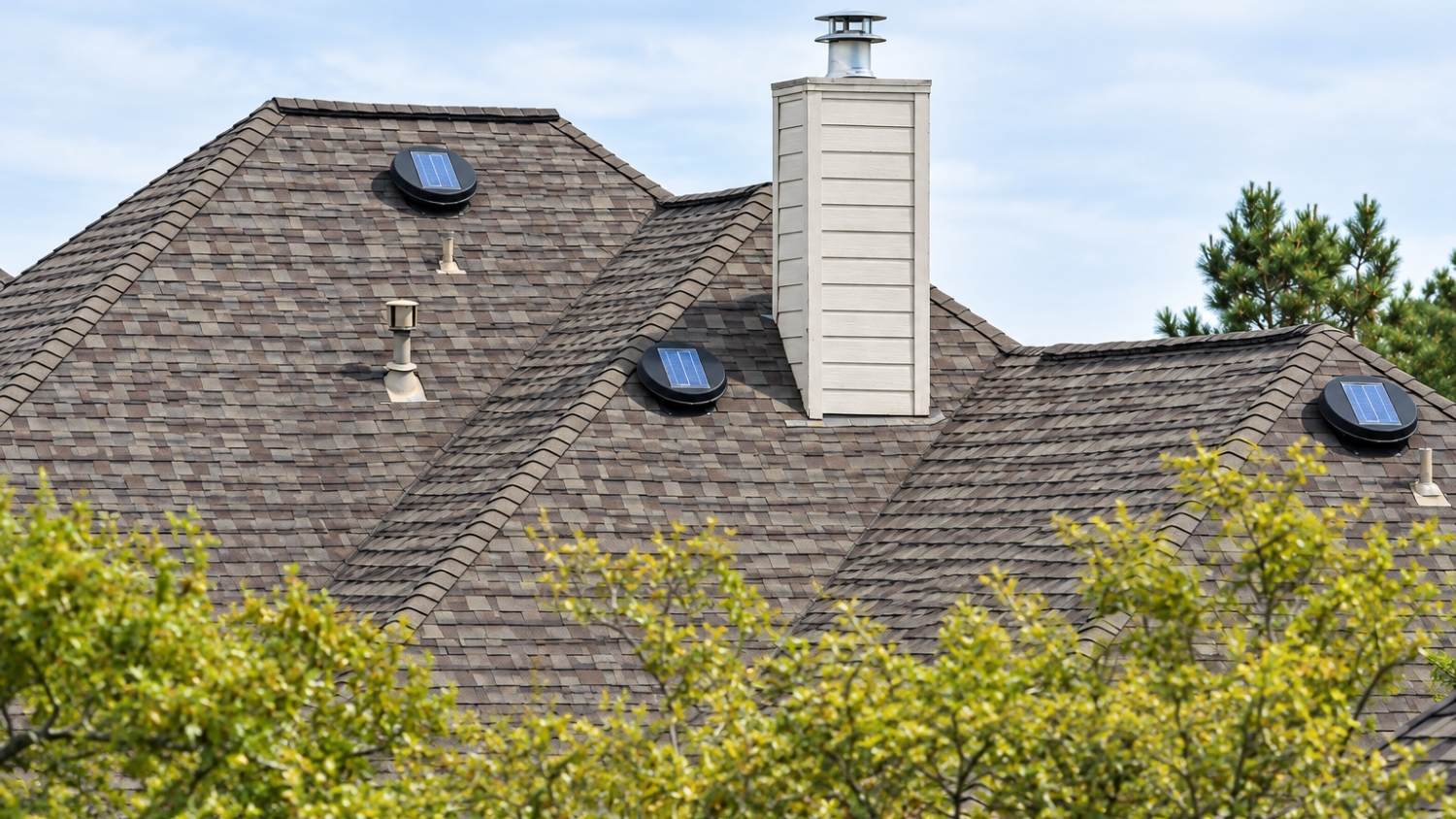
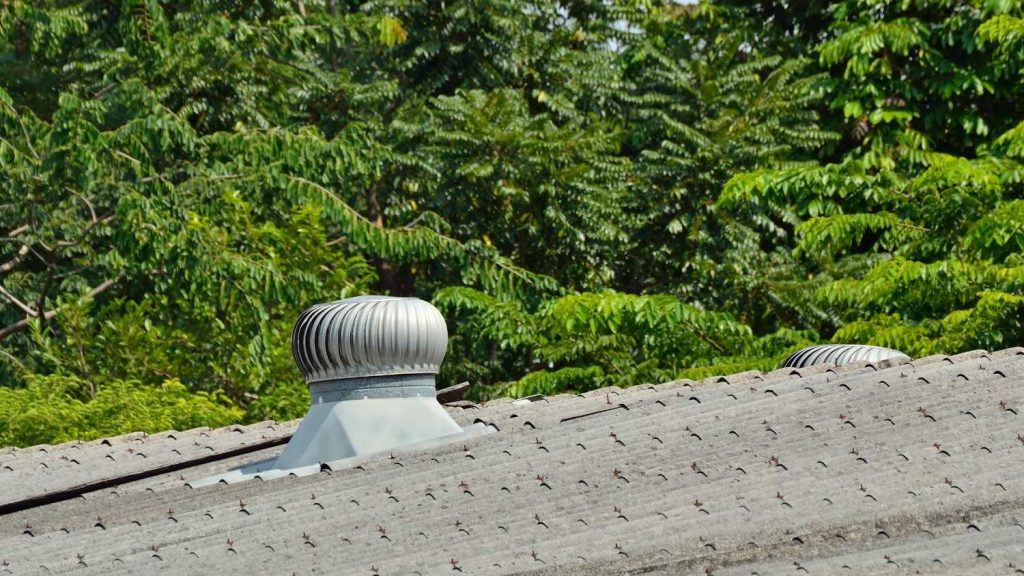
Roof ventilation fans can help move air through an attic, but they cannot fix airflow problems caused by blocked intake vents, insufficient soffit ventilation, insulation obstructions, or air leakage from the living space. ENERGY STAR warns that when soffit vents are blocked and the attic is not well sealed from the rest of the house, an attic fan can draw conditioned air from the living space into the attic instead of pulling sufficient outside air through the vents.
A fan only performs as well as the system feeding it. Without enough intake air entering low on the roofline, a fan pulls air from the nearest available source, which is sometimes the conditioned space below rather than the outdoors.
In those cases, the underlying problem may lie elsewhere in the ventilation, insulation, or air-sealing system.
Why Balanced Attic Insulation and Roof Ventilation Matter
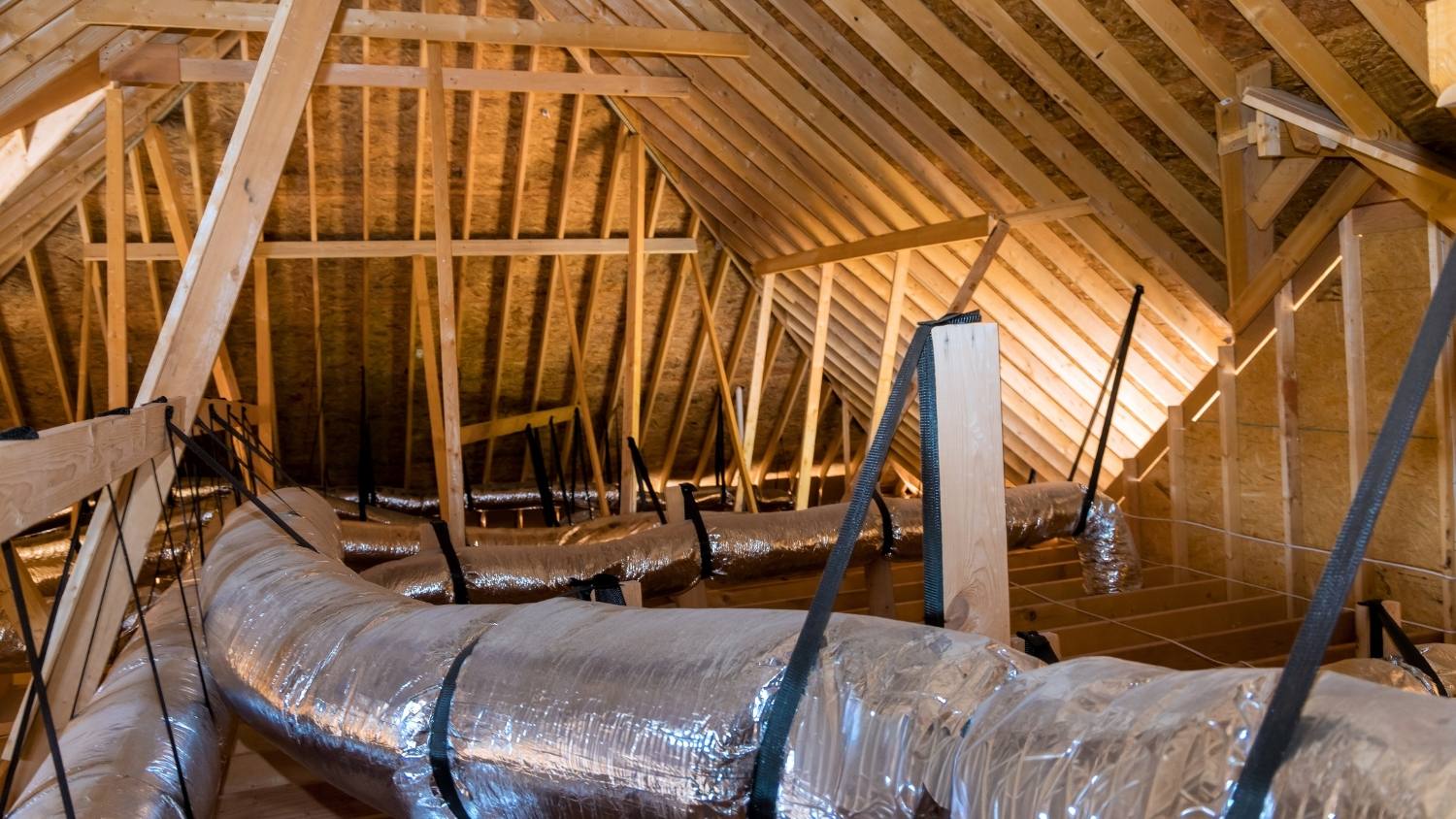
Attic insulation, air sealing, and roof ventilation function as an interdependent system. Insulation slows heat transfer between the living space and attic, air sealing limits the movement of conditioned and moisture-laden air into the attic, and ventilation helps remove excess heat and moisture.
When this balance is disrupted, the system can become less effective. For example, powered attic fans can create negative pressure, pulling conditioned air through unsealed gaps in the attic floor rather than drawing sufficient outside air through attic vents.
Three consequences follow when this system is out of balance for an extended period:
- Shortened shingle life. Excess heat and trapped moisture beneath the roof deck can accelerate the aging of asphalt shingles and underlayment.
- Ice dam formation. Uneven attic temperatures melt snow unevenly across the roof, and that meltwater refreezes at the colder eaves.
- Moisture and mold risk. Warm, moist air from the living space that collects in the attic can condense on the underside of the roof deck and framing.
READ MORE: Failing Attic Ventilation: Warning Signs to Watch
Common Reasons a Roof Ventilation Fan Fails to Solve Airflow Problems
Blocked or Insufficient Soffit Vents
Soffit vents supply the intake air a fan needs to move through the attic. When those vents are painted over, covered by siding work, or clogged with debris, the fan has little fresh air to pull from. This is a common reason a roof ventilation fan fails to improve attic airflow, even when the fan motor itself is functioning correctly.
When a fan runs with blocked intake vents and the attic is not well air-sealed, it can draw conditioned air through gaps between the living space and attic.
Insufficient Intake Ventilation Relative to Exhaust
IRC Section R806.2 generally sets a 1:150 net free ventilation area ratio for vented attic spaces, with a 1:300 ratio permitted when the section’s specified exception conditions are met. Achieving proper intake and exhaust balance is more critical for effective airflow than simply increasing fan power.
An exhaust fan paired with undersized intake creates negative pressure in the attic, which is the same condition responsible for pulling conditioned air upward from the home.
Insulation Blocking Airflow at the Eaves
Loose-fill or batt insulation that has shifted or been installed too close to the eaves can obstruct the path between soffit vents and the attic space. This obstruction can be easy to miss because the vents may appear clear from the exterior while the internal airflow path is blocked.
Properly installed baffles help maintain a clear air channel at the eaves where insulation could otherwise obstruct intake airflow.
Air Leakage From the Living Space Into the Attic
Gaps around recessed lighting, attic hatches, and plumbing stacks allow warm, moist air to leak into the attic. Because an attic fan pulls air from the path of least resistance, it often draws this leaked household air rather than outside air if the attic floor is not air-sealed.
Powered attic fans can increase energy costs and contribute to moisture issues or mold growth because the negative pressure they create can draw conditioned air from the living space into the attic through gaps in the ceiling.
Unbalanced or Mismatched Ventilation System
Mixing exhaust types, such as ridge vents with gable or power vents, can cause vents to pull air from one another instead of the soffits. This short-circuits the airflow path and reduces overall efficiency.
How to Evaluate Attic Ventilation Before Installing a Fan: Step-by-Step
Step 1: Inspect Soffit Vents From Outside and Inside the Attic
Check soffit vents from the ground for debris or paint. From inside the attic, confirm that daylight or an unobstructed airflow path is visible at each vent opening along the eaves.
Step 2: Check for Insulation Blocking the Eaves
Look at the eave area where the roof deck meets the exterior walls. Insulation that has shifted or was installed without baffles can seal off the intake path even when the vents themselves are clear.
Step 3: Measure Existing Net Free Ventilation Area
Calculate the attic floor area to determine the required net free ventilating area. Compare this requirement with the combined net free ventilating area of the existing vents to determine whether the system meets the applicable ventilation ratio.
Step 4: Look for Air Leaks Between Living Space and Attic
Inspect hatches, fixtures, and penetrations for air leaks. Ensure bathroom exhaust ducts are properly sealed and vented directly to the outdoors, not into the attic space.
Step 5: Confirm Intake and Exhaust Balance Before Adding a Fan
Only proceed with a fan installation once intake, insulation, and sealing are adequate. Ensure the fan capacity does not exceed the available intake air supply.
Cost and Access Factors for Attic Ventilation Repairs
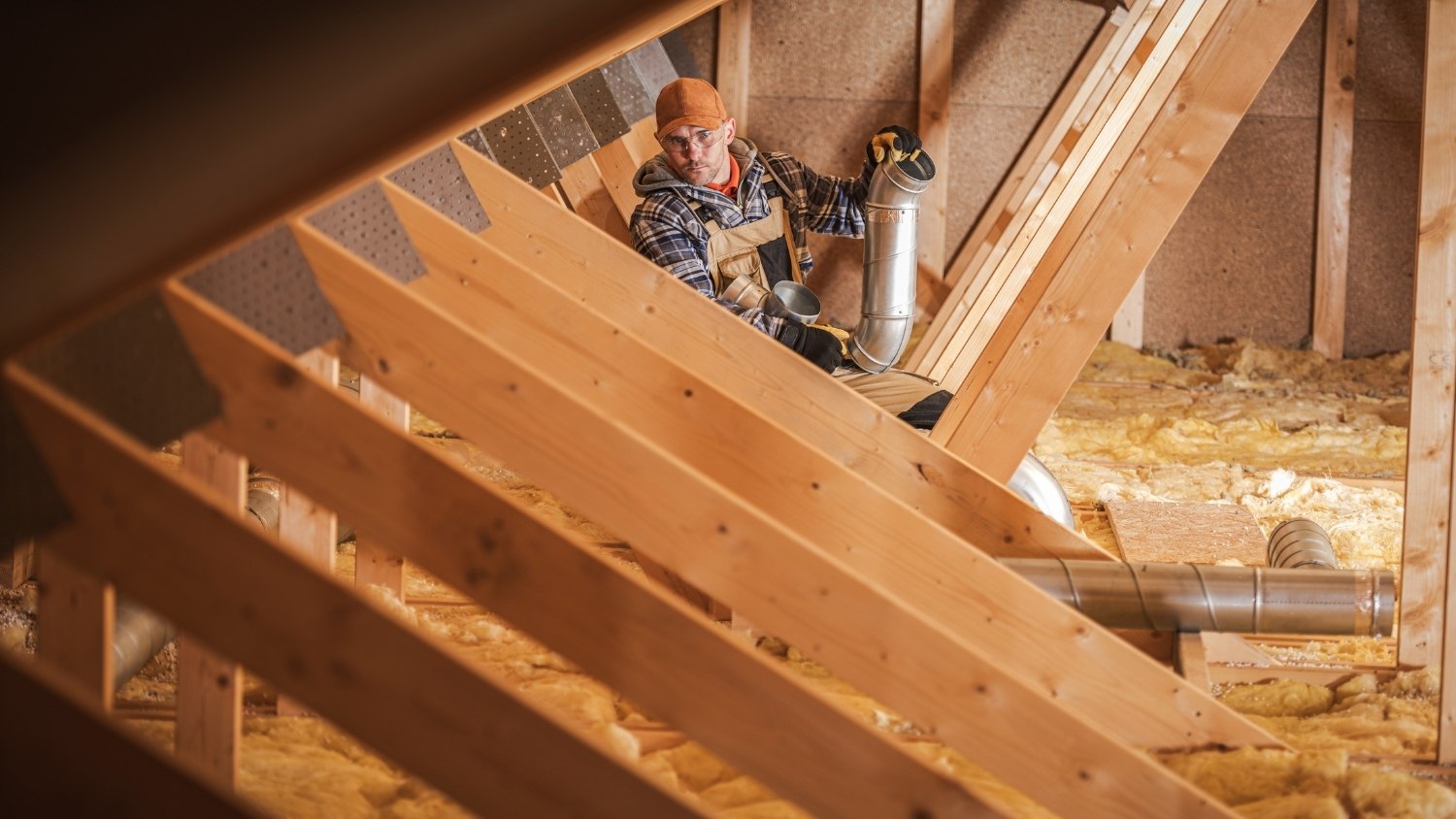
Repair costs for attic systems vary based on roof pitch, accessibility, and the total scope of ventilation, insulation, and air-sealing work required.
Factors that typically affect an attic ventilation and insulation estimate include:
- Roof pitch and accessibility, affecting labor and safety requirements.
- Vent replacement, including soffit, ridge, gable, or power vents.
- Baffle installation to clear intake paths at the eaves.
- Air sealing and insulation, including hatches and lighting penetrations.
- Existing damage, such as moisture, mold, or pest issues.
Because these variables differ from home to home, a direct on-site evaluation gives the most accurate picture of scope and cost for a specific attic system.
When to Call a Professional for Attic Ventilation and Insulation Issues
Schedule a professional evaluation if airflow problems persist despite an existing fan. Persistent ice dams, high cooling bills, or signs of mold can indicate a broader ventilation, insulation, air-sealing, or roofing issue that warrants further inspection.
Contact a qualified roofing contractor when:
- Ice dams continue to form along the eaves after previous ventilation work
- Summer cooling bills remain high despite an installed attic fan
- Visible mold, staining, or a musty odor appears in the attic
- Insulation looks compressed, damp, or unevenly distributed
- Soffit vents cannot be safely inspected from ground level or a stable ladder
Roof-level inspections and attic inspections involving difficult access, fall hazards, confined spaces, or other unsafe conditions should be performed by a qualified professional using proper safety precautions.
Frequently Asked Questions
Do attic fans work?
Attic fans can move air out of an attic, but they only work as well as the intake ventilation feeding them. Without enough soffit intake and proper air sealing between the attic and living space, a fan can draw conditioned household air instead of cooler outside air.
Why is my attic still hot after installing a ventilation fan?
A hot attic after fan installation can point to blocked soffit vents, insufficient intake area, or insulation blocking airflow at the eaves. The fan may be exhausting air while too little outside air enters to replace it effectively.
What is the difference between intake and exhaust ventilation?
Intake ventilation, typically through soffit vents, allows cooler outside air to enter the attic at the lower roofline. Exhaust ventilation, such as ridge vents or power fans, releases warm attic air near the roof’s peak. Both sides need to be balanced for the system to function properly.
Can too much attic insulation block roof ventilation?
Yes. Insulation that shifts, settles, or is installed without baffles near the eaves can cover the soffit vent openings from inside the attic, cutting off intake airflow even though the vents look clear from outside the home.
How do I know if my soffit vents are blocked?
Signs include visible paint or debris covering the vent openings, no airflow felt near the eaves inside the attic, and persistent heat or moisture problems despite existing ventilation. A professional inspection can confirm net free ventilation area and identify blockages that are not visible from the ground.
Ready to Fix Attic Airflow Problems in Poughkeepsie, NY?
Lyndsey Roofing, LLC evaluates intake, insulation, sealing, and exhaust as a single system. We recommend comprehensive fixes rather than treating fans as standalone solutions.
If your ventilation fan hasn’t solved your attic issues, it’s time for a professional evaluation of the entire system.