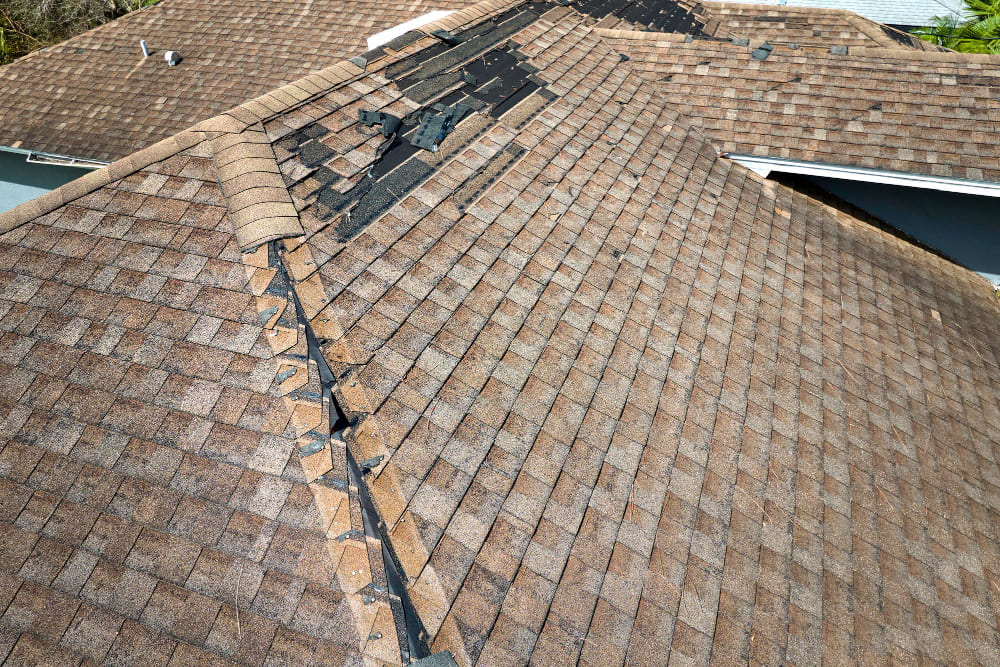
6 Things to Know If It Rains During a New Roof Installation
What Happens If It Rains While Getting A New Roof
1. Work May Pause, But That’s Not Always a Bad Thing
Roofers don’t take the weather lightly—especially rain. A sudden shower during a new roof installation often means a temporary pause in work, but that decision is made for good reason. Halting the project can protect the home and help ensure the finished roof lasts for years.
Why Roofers Decide to Pause During Rain
- Safety First for Crews: Wet surfaces increase the risk of slips, trips, and falls—especially on steep-pitched roofs. Pausing during rain keeps roofers safe and prevents rushed work that could lead to bigger problems.
- Material Integrity Matters: Many roofing materials, like underlayment and shingles, are designed for dry application. If exposed to moisture before being sealed, they can warp, peel, or fail to stick properly—especially during a new roofing project.
- Long-Term Results Over Quick Turnaround: Most professional roofers won’t risk finishing a job just to stay on schedule if the weather threatens the outcome. When clients wonder what happens if it rains while getting a new roof, the answer often involves a delay to ensure long-term durability.
2. A Good Roofer Comes Prepared
Experienced roofing contractors don’t just watch the weather—they plan around it. Rain is never ideal, but when it happens, professionals have safeguards in place to protect the home and the materials.
How Roofers Prepare for Sudden Rain
- Tarping the Exposed Areas: Roofers keep heavy-duty tarps on hand to cover open sections of the roof quickly. If rain starts mid-project, they’ll secure tarps over the exposed decking and underlayment to prevent water from seeping in during a new roof installation.
- Staging Materials for Quick Covering: Shingles and other supplies are stored strategically for fast access and covering. For instance, stacks of new shingles might be kept under a canopy or covered with plastic sheeting so they stay dry and ready to install.
- Dry-In Techniques as a Backup: Roofers often complete sections of the roof in layers, sealing one area before moving to the next. This approach ensures that if weather interrupts the job, only a small portion remains vulnerable—a smart practice when tackling any new roofing project.
3. Rain Can Damage an Unfinished Roof—But It’s Usually Contained
The biggest concern during rain is water damage to a roof that hasn’t been fully sealed. While this risk is real, skilled roofers know how to minimize or eliminate the impact.
Why Water Damage Isn’t Always a Dealbreaker
- Plywood Decking Can Be Dried: If only a light rain occurs and the wood decking gets damp, roofers can pause work and give it time to dry before resuming. Letting materials dry completely helps avoid mold or rot under the finished layers.
- Underlayment Adds a Temporary Barrier: Most modern roofing systems include a waterproof underlayment that acts as a shield even before shingles are applied. This material plays a big role when people ask, Can you replace a roof in the rain — It often makes partial progress possible.
- Sections Can Be Replaced If Needed: If water seeps into an area that can’t be salvaged, roofers will remove and replace those parts before continuing. This adds time and cost, but it ensures the final new roof installation is solid and leak-free.
4. Not All Roofing Materials Handle Rain the Same
Different materials respond differently to moisture, and experienced contractors adjust their approach based on the products used. Knowing the material matters when scheduling or working through a rain delay.
How Roofing Materials Affect Rain Response
- Asphalt Shingles Need Dry Surfaces: These are the most common roofing materials, and they require a dry surface to seal correctly. If asphalt shingles are installed while wet, they may fail to bond, which could lead to leaks later on—a key concern when thinking about what happens if it rains while getting a new roof.
- Metal Roofing Resists Moisture Better: While installers still avoid rain, metal panels are less likely to absorb moisture or warp when exposed. This allows roofers to sometimes resume installation sooner once the rain stops, depending on safety and roof slope.
- Wood Shakes Are Highly Sensitive to Moisture: Cedar or wood shake roofs must stay dry during installation to avoid swelling or curling. A rainy day can completely stall new roofing projects that use natural materials like these.
5. Insurance and Warranties Still Apply—If the Work Is Done Right
Rain doesn’t automatically void coverage, but the way a roofer handles the situation matters. Most reputable contractors carry insurance and offer warranties that protect the homeowner—even if the weather turns during the job.
How Protection Plans Work During Rain Delays
- Contractor Liability Insurance Covers Job Interruptions: If property damage occurs due to improper covering or negligence during rain, the contractor’s insurance should handle it. This is especially important to ask about before starting a new roof installation.
- Manufacturer Warranties Depend on Proper Installation: Roofing products come with installation guidelines that include weather conditions. If a roofer ignores these and installs materials in unsafe conditions, it can void the warranty, so clients should ask, do roofers work in the rain responsibly?
- Written Rain Policies Add Peace of Mind: Some roofing companies include weather clauses in contracts outlining how rain delays are handled and what happens next. This adds transparency and protects the homeowner’s investment in their new roofing.
6. Communication With the Roofer Makes a Big Difference
Do roofers work in the rain? Well, rain delays can be frustrating, but clear, honest updates from the contractor make it easier to navigate. A roofer who keeps the client informed builds trust and sets realistic expectations.
Why Talking Through Rain Plans Is Essential
- Homeowners Know What to Expect: Good roofers explain what steps they’ll take if rain hits—before the job even begins. When people ask, can you replace a roof in the rain, the answer often depends on whether the team has communicated a solid plan.
- Project Timelines Adjust Smoothly: A few hours of rain can shift a full schedule, especially if the job spans several days. Open dialogue helps everyone stay flexible and prevents frustration during new roof installation projects.
- Trust Is Built Through Transparency: When roofers take the time to explain why they’re pausing, covering, or delaying, it builds confidence in their professionalism. Questions like what happens if it rains while getting a new roof are easier to answer when contractors are proactive and upfront.

How to Prepare for a Roof Replacement During the Rainy Season
The Roofing Contractors industry in the U.S. is expected to reach a market size of $76.4 billion in 2025, highlighting the scale and demand for reliable roofing services. The rainy season doesn’t have to stall a roof replacement—but it does require extra planning. Homeowners who prepare early and work with experienced professionals can avoid delays, protect their property, and ensure the new roofing project stays on track. These six tips make it easier to navigate wet weather with confidence and peace of mind:
1. Schedule Flexibly With a Weather Buffer
Plan the roofing project with extra days built into the timeline to allow for potential delays. Even if the forecast looks clear, unexpected showers can halt work, so padding the schedule avoids frustration. Professional roofers often factor in local climate trends when mapping out new roof installation timelines.
2. Choose a Contractor With a Rain Contingency Plan
Not all roofers handle rain the same way—some simply pause, while others have detailed protocols. Ask the contractor what steps they take if the weather interrupts the job, including how they protect the roof and how long they’ll wait before resuming. This matters when considering what happens if it rains while getting a new roof, and separates professionals from less-prepared crews.
3. Clear the Yard and Secure Outdoor Items
Before installation day, move patio furniture, grills, and other belongings away from the work zone. This makes it easier for the roofing crew to install protective tarps or redirect water runoff if rain starts unexpectedly. A clutter-free yard also reduces the risk of damage from shifting ladders or flying debris during a storm.
4. Cover or Move Attic Storage
If items are stored in the attic, consider moving them or covering them with plastic sheets in case of leaks. Even well-prepared crews may not catch every raindrop, especially if rain falls mid-project. Protecting stored belongings is a smart step whenever new roofing is underway in unpredictable weather.
5. Ask About Waterproof Underlayment Options
Some underlayments offer better protection than others, especially during intermittent rain. Upgrading to a synthetic or water-resistant barrier adds an extra layer of defense if rain falls before shingles go on. Contractors with experience in new roof installation during wet seasons will recommend materials that reduce the risk of water damage.
6. Stay in Contact Throughout the Project
Maintaining communication with the roofer ensures real-time updates if the forecast shifts. Professional contractors will keep clients informed about start times, delays, and safety decisions made due to rain. Staying connected minimizes surprises and helps everyone understand you can replace a roof in the rain—or whether it’s smarter to wait.
How to Avoid Long-Term Issues from a Rain Delay During Roofing
In 2022, residential roofing generated $10.36 billion in revenue—proof that homeowners are investing heavily in roof upgrades and replacements. With so much at stake, a rain delay doesn’t have to spell trouble, but it can lead to long-term problems if not handled properly. These six steps can help protect the investment and ensure the new roofing job holds up for years to come:
1. Insist on a Full Moisture Inspection Before Resuming
Once the rain stops, the contractor should inspect the exposed areas for any signs of trapped moisture. This includes checking decking, underlayment, and insulation for dampness or water intrusion. Professional roofers take this step seriously because starting new roof installation on wet materials can lead to mold, warping, or premature failure.
2. Replace Any Water-Damaged Materials Immediately
If any part of the decking, underlayment, or insulation shows signs of water damage, it needs to be removed and replaced before continuing. Some roofers might try to save time by drying and covering affected areas, but that shortcut rarely lasts. A trusted professional will always prioritize long-term durability over speed—especially after unexpected rain.
3. Use High-Quality Synthetic Underlayment
Traditional felt paper underlayment can tear or absorb water, especially during extended rain delays. Upgrading to a synthetic version helps keep the roof dry and provides added protection while the project is paused. Many contractors use this approach on new roofing jobs scheduled during unpredictable weather windows.
4. Document the Rain Event and Response Plan
It’s a smart move to keep written records of when the rain occurred and how the crew responded. If warranty issues come up later, having documentation of the delay, tarp coverage, and any material replacements can support a claim. This matters for anyone wondering what happens if it rains while getting a new roof and who might need to prove diligence.
5. Ensure the Roof Is Properly Re-Inspected After Drying
After a weather delay, a second inspection is just as critical as the first. This includes checking flashing, sealants, and any areas worked on before the rain started to ensure everything is still sound. Reputable roofers know a dry surface doesn’t always mean a damage-free surface, and they take the time to confirm it.
6. Don’t Rush the Job Just to Meet a Deadline
It’s tempting to push through and finish fast, especially if the roofing project has already been delayed. But rushing can lead to improper sealing, uneven shingle placement, or overlooked moisture problems. A contractor who values quality will explain why waiting is sometimes the better choice—even if clients ask, can you replace a roof in the rain or finish it by a certain date.

Stay Covered—Schedule Roof Replacement With Lyndsey Roofing, LLC
At Lyndsey Roofing, LLC, we don’t let unpredictable weather stand in the way of quality. Our experienced team in Poughkeepsie, NY, handles roof replacements with precision, using the best materials and rain-ready strategies to protect what matters most. Whether it’s sunny or stormy, we’re prepared to get the job done right the first time—safely, efficiently, and with lasting results.
Let’s get your new roof started—reach out today for a free estimate and a plan that works around the forecast, not against it.