Table of Contents
Key Takeaways
What is a Roof Design and Why are They Important for Your Home?
What are the Different Types of Roof Design?
How to Choose the Best Roof Design for Your Home
DIY Roofing vs. Professional Roofing
How to Hire the Right Roof Contractor for Your Roofing Needs
Frequently Asked Questions
Choose Lyndsey Roofing, LLC for Reliable Roofing Installations
Key Takeaways
|
Choosing the right roof for your home is a significant decision that impacts not only the aesthetics of your property but also its functionality, durability, and even your home’s energy efficiency. A professional roof contractor can guide you through the process, ensuring you select a design and material that suits your needs, budget, and the local climate. Delve into various aspects of roofing, from design options to hiring the right contractor, providing you with all the information you need for a successful roofing project.
What is a Roof Design and Why are They Important for Your Home?
Roof design encompasses the shape, style, and structural elements that make up the roof of a building, defining the overall look and feel of a home. A well-designed roof enhances the visual appeal of your home by adding character and style, complementing the architectural style to create a cohesive and attractive exterior.
Beyond aesthetics, roof design significantly influences functionality and durability, providing adequate drainage, withstanding weather conditions, and ensuring longevity with minimal maintenance. Climate considerations are essential, as a steeply pitched roof is ideal for heavy snowfall areas, while a flat roof suits arid regions. Additionally, the roof design should harmonize with the overall architecture of the home, considering proportions, the style of windows and doors, and other elements to ensure a balanced and pleasing appearance.
What are the Different Types of Roof Design?
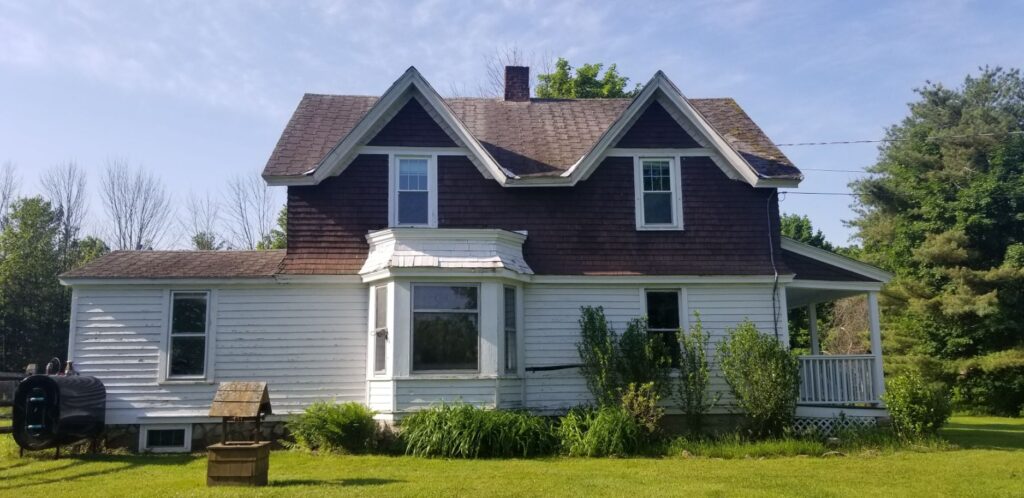
Choosing the right roof design for your home involves understanding the various options available and their unique characteristics. According to a roof contractor, each roof design has its advantages and is suited to specific architectural styles and environmental conditions.
Gable Roof
A gable roof is one of the most common roof designs, characterized by two sloping sides that meet at a ridge, creating a triangular shape. It is simple, cost-effective, and excellent for shedding water and snow. According to a roof contractor, gable roofs are popular in areas with high rainfall or snowfall because of their effective drainage capabilities. They also offer more attic space and ventilation options.
Hip Roof
A hip roof has slopes on all four sides, which are of equal length and meet at the top to form a ridge. This design is more stable than a gable roof and is better suited for high-wind and hurricane-prone areas. Hip roofs provide excellent durability and are less susceptible to wind damage, making them a preferred choice for homes in storm-prone regions.
Mansard Roof
A mansard roof features two slopes on each side, with the lower slope being steeper than the upper one. This design offers additional living space and is often seen in French-style architecture. Mansard roofs allow for the creation of a full upper floor of living space or an attic, adding to the home’s overall square footage and providing flexibility in interior design.
Flat Roof
Flat roofs are horizontal or nearly horizontal. They are easy to construct and provide additional outdoor living space, such as a rooftop garden or patio. However, they require more maintenance to prevent water pooling. Flat roofs are common in modern and contemporary architecture and can be used to create eco-friendly green roofs or solar panel installations.
Gambrel Roof
A gambrel roof, similar to a mansard, has two different slopes on each side. The lower slope is steeper, providing more living space, typically seen in barns and Dutch Colonial homes. Gambrel roofs offer a distinctive appearance and ample space for an attic or loft, making them a practical choice for homes needing extra storage or living areas.
Butterfly Roof
A butterfly roof has two slopes that meet in the middle, resembling a butterfly’s wings. It is modern and allows for larger windows and more natural light but requires effective drainage systems. Butterfly roofs are often used in eco-friendly designs to collect rainwater and integrate with sustainable living features.
Green Roof
A green roof is partially or completely covered with vegetation. It offers benefits such as improved insulation, reduced rainwater runoff, and environmental advantages. Green roofs contribute to energy efficiency by reducing energy use by 0.7%, enhancing air quality, and providing natural habitats for wildlife, making them a sustainable choice for environmentally conscious homeowners.
Dome Roof
Dome roofs are circular and have an arch shape, offering excellent wind resistance and unique aesthetics, often used in luxurious and landmark buildings. Dome roofs provide a striking visual impact and structural integrity, capable of withstanding harsh weather conditions while adding a sense of grandeur to the architecture.
Sawtooth Roof
Sawtooth roofs feature a series of ridges with dual pitches on each side, with the steeper slopes typically including glazing to maximize natural light. This design creates a distinctive jagged effect, especially effective when used in a series of three ridges. Commonly found in industrial and manufacturing buildings, the extensive glazing serves as a primary light source. While the popularity of sawtooth roofs declined with the advent of artificial lighting, there has been a recent resurgence due to increased interest in sustainable building practices and natural lighting, making them an efficient and attractive solution for modern architectural projects.
How to Choose the Best Roof Design for Your Home
Selecting the ideal roof design for your home involves careful consideration of various factors that can impact the functionality, aesthetics, and overall value of your property. Understanding these factors will help you make an informed decision that ensures long-term satisfaction and optimal performance.
Assess Your Home’s Architectural Style
The roof design should complement your home’s architectural style, enhancing its overall aesthetic appeal and functionality. The choice of roof design can significantly influence the character and charm of your property, making it essential to consider how the design integrates with the existing structure.
Traditional Styles
For instance, a gable roof with its simple, triangular shape suits traditional styles like Colonial or Victorian homes. The clean lines and symmetrical form of a gable roof echo the classic elegance of these architectural styles, offering a timeless look. Additionally, gable roofs are effective at shedding water and snow, providing both aesthetic and practical benefits for homes in various climates.
Modern and Contemporary Designs
Conversely, a flat roof might be better for contemporary designs, providing a sleek, modern look. Flat roofs offer a minimalist aesthetic that aligns well with the clean, horizontal lines typical of modern architecture. They also create opportunities for additional living spaces, such as rooftop gardens or terraces, enhancing the functionality of the home.
Mediterranean and Southwestern Styles
Tile roofs, often seen in Mediterranean, Spanish, and Southwestern-style homes, contribute to the distinctive, regional character of these designs. The use of clay or concrete tiles adds texture and color, complementing the stucco exteriors and arched windows commonly found in these architectural styles. This type of roofing not only enhances visual appeal but also provides excellent insulation, which is beneficial in warmer climates.
Rural and Rustic Homes
Wood shakes and shingles are ideal for rural and rustic homes, such as cabins or cottages, where a natural, rugged appearance is desired. These roofing materials blend seamlessly with natural surroundings, adding warmth and authenticity to the home’s design. While they require more maintenance, their aesthetic contribution to the home’s charm is significant.
High-End and Historic Properties
Slate roofs are often associated with high-end and historic properties, providing a sense of grandeur and longevity. The natural beauty of slate, along with its durability, makes it a preferred choice for preserving the integrity of historic homes or adding a touch of elegance to luxurious residences.
Combining Elements
In some cases, combining elements from different roof designs can create a unique and personalized look. For example, a combination roof that integrates gable and hip elements can add architectural interest and complexity to the design. This approach allows homeowners to enjoy the benefits of multiple roof styles, enhancing both the visual appeal and the functionality of the home.
Consider the Climate
Select a roof design that can withstand the local climate to ensure durability and performance. In snowy regions, opt for steep pitches that prevent snow buildup and potential damage from the weight. In windy areas, a hip roof, with its slopes on all sides, offers better resistance against strong gusts, reducing the risk of blow-offs and damage. Understanding your local weather patterns and selecting an appropriate roof design can enhance the lifespan of your roof.
Evaluate Your Budget
Different roof designs come with varying costs, impacting both initial investment and long-term expenses. Evaluate your budget to determine what you can afford upfront and consider long-term maintenance costs. Gable roofs are generally more affordable due to their straightforward construction, while green roofs, which incorporate vegetation, might require a higher initial investment but offer savings on energy bills and potential environmental benefits. Balancing cost with benefits ensures you get the best value for your money.
Know the Importance of Energy Efficiency
Choose a roof design that enhances energy efficiency to reduce utility costs and environmental impact. Cool roofs, designed to reflect more sunlight and absorb less heat, can significantly lower cooling costs in hot climates, improving indoor comfort. Additionally, integrating solar panels into your roof design can provide renewable energy, further reducing your dependence on traditional power sources and cutting down on electricity bills.
Ensure Compliance with Local Building Codes and Regulations
Ensure your chosen roof design complies with local building codes and regulations to avoid legal issues and potential fines. Some areas have restrictions on certain designs or materials due to environmental concerns or aesthetic guidelines. Consulting with a professional roof contractor can help you navigate these regulations and choose a roof design that meets all legal requirements while still achieving your desired look and functionality.
DIY Roofing vs. Professional Roofing
Deciding between DIY roofing and hiring a professional roof contractor is a crucial decision that impacts the quality, safety, and longevity of your roofing project. While DIY might seem like a cost-effective approach, understanding the risks and benefits can help you make an informed choice.
Risks of DIY Roofing
DIY roofing can be risky due to the potential for injuries, improper installation, and lack of warranty. Without proper training and experience, homeowners might overlook critical installation steps, leading to leaks and structural damage. Furthermore, the absence of a warranty means any mistakes or damages must be fixed out of pocket, often resulting in higher long-term costs.
Benefits of Hiring a Professional Roof Contractor
Hiring a professional ensures proper installation, safety, and compliance with building codes. Professional roof contractors have the expertise to install various roofing systems correctly, minimizing the risk of future problems. Additionally, they provide warranties and guarantees, offering peace of mind that any issues will be addressed at no extra cost.
Cost Comparisons
While DIY roofing might seem cheaper initially, hiring a professional roof contractor offers better long-term value by reducing the need for frequent repairs. Professionals can source materials at lower prices and have the necessary tools, which can make the overall project more cost-effective. Moreover, their workmanship ensures that the roof’s lifespan is maximized, preventing costly future repairs.
Safety Considerations
A professional roof contractor is trained to work safely at heights and handle hazardous materials, reducing the risk of accidents and injuries. They follow stringent safety protocols and use specialized equipment, ensuring that the job is completed without incidents. This not only protects the workers but also safeguards the homeowner from potential liabilities related to workplace injuries.
How to Hire the Right Roof Contractor for Your Roofing Needs

Hiring the right roof contractor is crucial for ensuring a successful roofing project. A professional contractor will not only provide quality workmanship but also ensure the project is completed on time and within budget. Here’s a comprehensive guide to help you find the best roof contractor for your needs.
Do Research and Read Recommendations
Start by researching local roof contractors and asking for recommendations from friends, family, and neighbors who have had similar work done. Personal referrals are often the most reliable, as they come from trusted sources. Additionally, online reviews can provide valuable insights into the experiences of other customers, helping you gauge the contractor’s reputation and quality of work.
Check Credentials and Licenses
Ensure the roof contractor you choose is properly licensed and insured to perform roofing work in your area. Verify their credentials with local licensing authorities and check for any complaints or disciplinary actions against them. This step is vital for ensuring the contractor meets the necessary professional standards and regulations.
Read Reviews and Testimonials
Read reviews and testimonials from previous clients to understand the roof contractor’s reliability, workmanship, and customer service. Look for patterns in the feedback, such as recurring issues or consistent praise, which can help you make an informed decision. High ratings and positive reviews are strong indicators of a reputable contractor.
Get Multiple Quotes
Obtain quotes from at least three roof contractors to compare prices and services. Each quote should include a detailed breakdown of costs, including materials, labor, and any additional fees. This allows you to evaluate the value each roof contractor offers and avoid any unexpected expenses.
Ask the Right Questions
Ask potential roof contractors about their experience with your specific type of roofing project, their proposed timelines for completion, and the warranty options they offer. Inquire about any specific concerns you have, such as handling unique architectural features or dealing with potential weather-related delays. Clear communication upfront helps set the right expectations and ensures you select a roof contractor who can meet your needs.
Ensure Proper Insurance Coverage
Verify that the roof contractor has adequate insurance coverage, including liability and worker’s compensation. This protects you from potential liabilities in case of accidents or damage during the project. Proper insurance coverage is a sign of a professional and responsible roof contractor who prioritizes safety and accountability.
Frequently Asked Questions
How does a roof design impact energy efficiency?
The design of a roof can significantly affect a home’s energy efficiency by influencing insulation and ventilation. For instance, a well-insulated roof with proper ventilation can reduce heating and cooling costs. Designs that incorporate reflective materials or green roofs can further enhance energy efficiency by reducing heat absorption and promoting natural cooling.
How do modern flat roofs handle drainage?
Modern flat roofs are designed with a slight pitch to facilitate drainage, preventing water accumulation. They often use materials like heated asphalt, fiberglass, or polyester membranes to ensure waterproofing and durability. Proper drainage systems are crucial to maintain the roof’s integrity and avoid leaks.
What are the maintenance requirements for different roof designs?
Maintenance requirements vary with different roof designs. Flat roofs, for example, require regular inspections to prevent water pooling and leaks. Gable roofs need routine checks for shingle damage, while green roofs demand periodic vegetation care. Each design has unique needs, so understanding these can help maintain the roof’s longevity.
What are the red flags to watch out for when selecting a roof contractor?
Red flags include lack of a physical address, no proof of insurance, high-pressure sales tactics, and vague estimates. Be wary of contractors who refuse to provide detailed written estimates or those who push you to sign contracts quickly without thorough inspection or consideration.
Choose Lyndsey Roofing, LLC for Reliable Roofing Installations
When it comes to reliable and professional roofing installations in Poughkeepsie, NY, Lyndsey Roofing, LLC truly stands out. Our team of expert roof contractors is dedicated to delivering top-notch services, from the initial consultation to the final inspection. With years of experience and a reputation for excellence, we ensure that every roofing project in Poughkeepsie, NY is completed with the highest standards of quality and craftsmanship. Trust us with your roofing needs and enjoy peace of mind knowing your home in Poughkeepsie, NY, is in the most capable hands.
Choose Lyndsey Roofing, LLC, and let us roof your world with reliability and expertise.