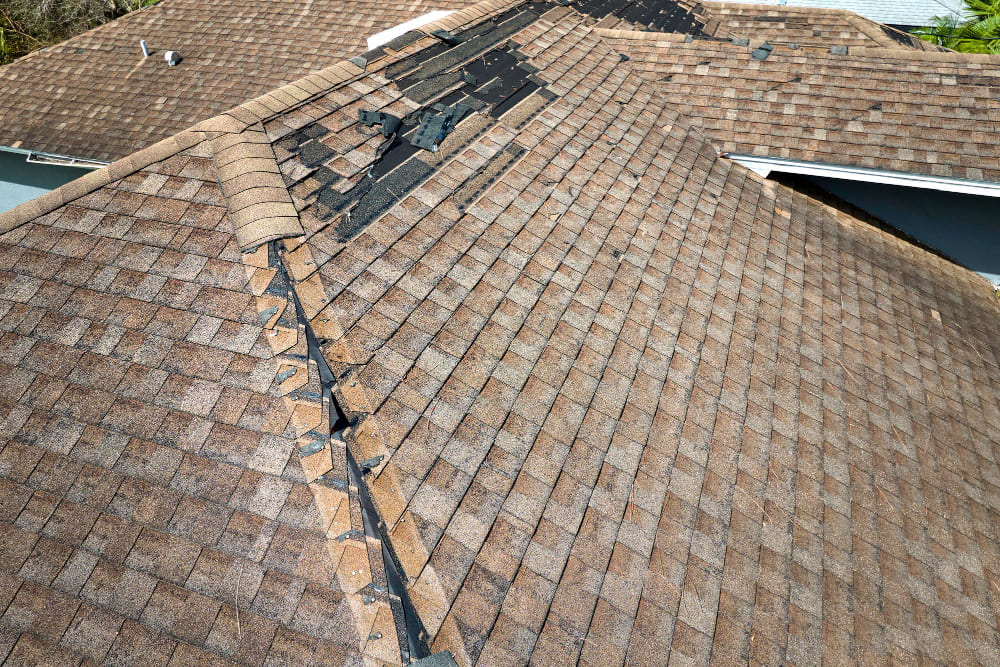
Maintaining your metal roof is crucial to ensuring the safety and longevity of your home. Identifying early signs of damage can save you from costly repairs and potential hazards. Here, we’ll explore eight key indicators that you need a metal roof replacement in Poughkeepsie, NY. These signs include old age, worn paint, corrosion and rust, leaks, punctures and tears, storm damage, sagging roofs, and curling or missing shingles. Understanding these signs will help you know when it might be time for a roof replacement.
Table of Contents
Key Takeaways
- Old Age
- Worn Paint
- Corrosion and Rust
- Leaks
- Punctures and Tears
- Storm Damage
- Sagging Roof
- Curling or Missing Shingles
Why Professional Roof Assessment is Important
Frequently Asked Questions
Transform Your Roof with Lyndsey Roofing, LLC – Poughkeepsie’s Trusted Experts!
Key Takeaways✔ Metal roofs last 40-70 years, and signs of aging like fading color, frequent repairs, visible wear, and structural issues indicate the need for timely replacement to prevent extensive damage and costly repairs. ✔ Paint protects and enhances your roof, but worn paint leads to rust, structural weakening, and increased leaks, necessitating regular inspections and maintenance. ✔ Corrosion and rust, common in high humidity or salt-exposed areas, manifest as red/orange patches, flaking metal, and weak spots, often requiring roof replacement. ✔ Leaks, indicated by water stains, dripping during rain, and mold growth, signal roof damage, and extensive leaks often necessitate a full roof replacement. ✔ Punctures and tears caused by debris, foot traffic, or severe weather necessitate inspections for visible holes, loose fasteners, and water stains in the attic, with significant damage requiring replacement. ✔ Storm damage from hail, wind, and debris requires inspection for dented panels, loose fasteners, and water infiltration, with severe damage necessitating roof replacement. ✔ A sagging roof, indicated by visible dips, uneven panels, and interior ceiling sagging, signals serious structural issues requiring immediate replacement to prevent collapse and further damage. ✔ Curling or missing shingles, caused by wear, poor installation, or severe weather, lead to mold, compromised insulation, and structural damage, often necessitating replacement. |
1. Roof’s Old Age
Metal roofs are known for their durability and long lifespan. Typically, a well-maintained metal roof can last anywhere from 40 to 70 years, depending on the material and environmental conditions. The longevity of metal roofs is one of their most appealing features, as they require less frequent replacements compared to other roofing materials such as asphalt shingles or wooden shakes.
Signs of Roof Aging
As your roof approaches the end of its lifespan, you’ll notice certain indicators that suggest it’s time for a roof replacement. These signs include:
- Fading color or finish: Over time, the protective coating on metal roofs can deteriorate, leading to a faded appearance. This not only affects the aesthetics of your home but also signals that the underlying metal may be vulnerable to damage.
- Increased frequency of repairs: If you find yourself constantly fixing small issues like leaks or loose panels, roof replacement might be more cost-effective.
- Visible wear and tear: Look for signs of physical damage such as dents, scratches, or warping. These are clear indicators that your roof is aging and losing its effectiveness.
- Compromised structural integrity: An old roof may start to sag or show signs of structural weakness, which can pose serious safety risks.
Replacement Timing
Timely roof replacement is crucial to avoid extensive damage to your home. If your metal roof is nearing its expected lifespan, it’s wise to schedule a professional inspection. This will help you determine if a roof replacement is necessary before more serious issues arise.
Proactively replacing an old roof can save you money in the long run by preventing water damage, mold growth, and other structural problems. The average cost for a roof replacement in the United States ranges from $6,700 to over $80,000, so planning ahead can help you manage this significant investment.
2. Worn Paint
The paint on your metal roof serves both aesthetic and protective purposes. It enhances the visual appeal of your home and shields the underlying metal from the elements. Over time, however, paint can wear down, leading to a variety of problems.
Impact on Roof Integrity
Worn or chipped paint exposes the metal beneath to moisture and UV rays, accelerating the deterioration process. This can lead to:
- Rust and corrosion: Without the protective layer of paint, the metal is more susceptible to rust. Rust not only looks unsightly but also weakens the structural integrity of your roof.
- Weakened structural integrity: Prolonged exposure to the elements can cause the metal to become brittle and prone to cracking.
- Increased risk of leaks: Gaps in the paint can allow water to penetrate the roof, leading to leaks and water damage inside your home.
Maintenance Tips
While repainting can temporarily address aesthetic issues, it may not be sufficient for long-term protection. If you notice extensive paint wear, consider a roof replacement to ensure your home remains protected and visually appealing.
Regularly inspecting your roof and addressing minor paint issues promptly can extend the life of your roof, but eventually, a full roof replacement may be necessary to maintain its integrity.
3. Corrosion and Rust
Corrosion and rust are common issues with metal roofs, particularly in areas with high humidity or salt exposure. These problems occur when the protective coating wears off, exposing the metal to moisture. Corrosion and rust can develop over time due to environmental factors, chemical exposure, or physical damage to the protective coating.
Effects on Roof Structure
Corrosion and rust can severely compromise your roof’s structural integrity. Signs to look for include:
- Red or orange patches on the roof surface: These are clear indicators of rust forming on the metal.
- Flaking or peeling metal: As rust progresses, it can cause the metal to flake or peel away, further weakening the roof.
- Weak spots that can lead to leaks: Corroded areas are more likely to develop holes or cracks, allowing water to penetrate the roof.
Solutions
When corrosion and rust are widespread, a roof replacement is often the most cost-effective solution. Replacing the damaged sections ensures your roof remains durable and capable of protecting your home.
Regular maintenance, such as cleaning and applying rust-resistant coatings, can help prevent corrosion, but if the damage is extensive, a full roof replacement may be necessary to restore its integrity.
4. Leaks
Leaks are a clear sign that your roof needs attention. Common areas where leaks occur include seams, fasteners, and areas where the roof meets other structures like chimneys or skylights. Signs of leaks include:
- Water stains on ceilings or walls: Discoloration or damp spots on your ceiling or walls can indicate water is penetrating the roof.
- Dripping water during rain: Active leaks may cause water to drip from the ceiling or run down walls during rainstorms.
- Mold or mildew growth: Persistent moisture can lead to mold and mildew, which can pose health risks to your household.
Consequences of Water Damage
Leaks can lead to significant water damage, affecting your home’s structural integrity and indoor air quality. Prolonged exposure to moisture can cause:
- Wood rot: Water can weaken wooden structures, leading to rot and compromising the integrity of your home’s framework.
- Mold growth: Mold thrives in damp environments, and its spores can spread throughout your home, causing health issues.
- Electrical issues: Water infiltration can damage electrical systems, posing a fire hazard.
Repair vs. Replacement
While minor leaks can often be repaired, extensive or recurring leaks may indicate the need for a roof replacement. A professional inspection can help determine the best course of action to protect your home. In some cases, repairing leaks may provide a temporary fix, but a full roof replacement ensures long-term protection and prevents future issues.
5. Punctures and Tears
Punctures and tears in metal roofs can be caused by various factors, including:
- Falling debris (e.g., tree branches): Impact from branches or other objects can create holes or tears in the roof.
- Foot traffic during maintenance: Walking on the roof can cause damage, especially if proper care isn’t taken.
- Severe weather events: Hail, strong winds, and heavy storms can create punctures and tears in the metal.
Inspection Tips
Regularly inspecting your roof for punctures and tears can help you address minor issues before they escalate. Look for:
- Visible holes or tears in the metal panels: These can allow water to penetrate the roof, leading to leaks and water damage.
- Loose or missing fasteners: Fasteners that are not securely in place can cause the metal panels to shift and create gaps.
- Water stains inside the attic: Inspecting the attic for signs of water infiltration can help identify punctures and tears.
Action Steps
Minor punctures and tears can often be repaired, but significant damage may necessitate a roof replacement. Prompt action ensures your roof remains watertight and structurally sound. Addressing punctures and tears quickly can prevent further damage and prolong the life of your roof.
6. Storm Damage
Severe weather can wreak havoc on metal roofs. Common types of storm damage include:
- Hail dents: Hailstones can create dents in the metal panels, compromising their structural integrity.
- Wind uplift: Strong winds can lift and displace metal panels, creating gaps and exposing the underlying structure to the elements.
- Impact from flying debris: Debris carried by the wind can strike the roof, causing punctures, tears, and other damage.
Assessment and Repairs
After a major storm, it’s essential to inspect your roof for damage. Look for:
- Dented or bent panels: Physical damage to the metal panels can weaken the roof and create entry points for water.
- Loose or missing fasteners: Strong winds can dislodge fasteners, causing panels to shift or come loose.
- Leaks or water infiltration: Water stains, damp spots, or active leaks indicate that the roof has been compromised.
Replacement Necessity
In some cases, storm damage can be extensive enough to require a roof replacement. A professional roofer can assess the damage and recommend the best course of action to restore your roof’s integrity. While minor repairs may be sufficient for less severe damage, a full roof replacement ensures that your home remains protected from future storms and other weather events.
7. Sagging Roof
A sagging roof is a serious issue that requires immediate attention. Signs of a sagging roof include:
- Visible dips or curves in the roofline: These are clear indicators that the roof structure is weakening.
- Uneven or buckled panels: Metal panels that appear uneven or buckled can signal underlying structural problems.
- Interior ceiling sagging: If the ceiling inside your home is sagging, it may indicate that the roof is no longer providing adequate support.
Causes and Consequences
Sagging can result from various factors, including structural damage, water infiltration, and excessive weight from snow or debris. A sagging roof compromises your home’s safety and can lead to:
- Roof collapse: A severely sagging roof is at risk of collapsing, posing significant danger to your household.
- Extensive interior damage: Water infiltration and structural failure can cause widespread damage inside your home.
- Increased risk of leaks: A sagging roof creates gaps and weak points where water can enter.
Replacement Urgency
Addressing a sagging roof promptly is crucial to prevent further damage. In many cases, a roof replacement is necessary to restore structural integrity and ensure your home’s safety. Ignoring a sagging roof can lead to catastrophic failure, so it’s essential to take action as soon as you notice signs of sagging.
8. Curling or Missing Shingles
Curling or missing shingles are clear indicators of roof damage. These issues can be caused by:
- Age-related wear and tear: Over time, shingles can become brittle and start to curl or break away.
- Poor installation: Improperly installed shingles may not adhere correctly, leading to curling or detachment.
- Severe weather: Strong winds and storms can lift and displace shingles, leaving gaps in the roof.
Impact on Roof Health
Curling or missing shingles expose the underlying roof to the elements, increasing the risk of leaks and water damage. This can lead to:
- Mold and mildew growth: Moisture that penetrates the roof can create an environment for mold and mildew to thrive.
- Compromised insulation: Gaps in the roof can allow air and moisture to enter, reducing the effectiveness of your home’s insulation.
- Structural damage: Prolonged exposure to water can weaken the roof’s structure, leading to more severe issues.
Repair vs. Replacement
While minor shingle issues can often be repaired, extensive or widespread damage may require a roof replacement. Ensuring all shingles are intact and properly installed is essential for maintaining your roof’s effectiveness. Replacing a roof with significant shingle damage ensures long-term protection and prevents future issues.
Why Professional Roof Assessment is Crucial
When it comes to determining whether you need a roof replacement, a professional assessment is invaluable. Roofing professionals like Lyndsey Roofing, LLC, have the expertise to identify subtle signs of damage that may not be visible to the untrained eye. They can provide a comprehensive evaluation of your roof’s condition and recommend the best course of action.
How to Choose the Right Roofing Contractor
Selecting a reliable and experienced roofing contractor is crucial for a successful roof replacement. Here are some tips for choosing the right professional:
- Check credentials: Ensure the contractor is licensed, insured, and certified to perform roofing work in your area.
- Read reviews: Look for testimonials and reviews from previous clients to gauge the contractor’s reputation and quality of work.
- Request references: Ask the contractor for references and follow up with past clients to inquire about their experiences.
- Get multiple quotes: Obtain quotes from several contractors to compare prices and services, but beware of unusually low bids that may indicate subpar work.
- Ask about warranties: Inquire about warranties for both materials and labor to ensure you’re covered in case of future issues.
What Are the Benefits of Professional Roof Replacement?
Hiring a professional for your roof replacement offers several advantages:
- Expertise and experience: Professionals have the skills and knowledge to perform the job correctly, ensuring a high-quality installation.
- Safety: Roofing work can be dangerous, and professionals have the necessary equipment and training to perform the job safely.
- Time efficiency: Professionals can complete the job more quickly than an inexperienced homeowner, minimizing disruption to your daily life.
- Warranty protection: Professional contractors often provide warranties on their work, giving you peace of mind and protection against future problems.
The Roof Replacement Process
Understanding the roof replacement process can help you prepare for the project and know what to expect. Here are the typical steps involved:
1. Initial consultation: The contractor will visit your home to assess the roof’s condition, discuss your needs, and provide a detailed estimate.
2. Material selection: You’ll choose the type of metal roofing material, color, and finish that best suits your home and preferences.
3. Scheduling: The contractor will schedule the replacement at a convenient time, taking weather conditions and your availability into account.
4. Removal of old roof: The existing roof will be removed, and any damaged or rotted decking will be repaired or replaced.
5. Installation of new roof: The new metal roofing material will be installed, along with any necessary underlayment, flashing, and fasteners.
6. Final inspection: The contractor will perform a thorough inspection to ensure the roof is installed correctly and meets all quality standards.
7. Cleanup: The work area will be cleaned up, and all debris will be removed from your property.
Tips to Maintain Your New Roof
After your roof replacement, regular maintenance is essential to ensure its longevity and performance. Here are some tips for maintaining your new metal roof:
- Regular inspections: Schedule annual inspections with a professional to catch any potential issues early.
- Clean gutters: Keep gutters clean and free of debris to prevent water buildup and damage to the roof.
- Remove debris: Regularly remove leaves, branches, and other debris from the roof to prevent damage and maintain proper drainage.
- Check for damage: After severe weather, inspect your roof for any signs of damage and address any issues promptly.
Frequently Asked Questions
What causes a metal roof to fail?
A metal roof can fail due to aging, rust, corrosion, poor installation, severe weather, and lack of maintenance. Regular inspections and prompt repairs can help prevent these issues.
What is the disadvantage of a metal roof?
The main disadvantages of a metal roof are its higher upfront cost and potential for noise during heavy rain or hail. However, proper insulation can mitigate the noise issue.
Does a metal roof decrease home value?
No, a metal roof typically does not decrease home value; in fact, it can often increase it due to its durability and energy efficiency. A well-maintained metal roof can attract potential buyers.
What are the biggest concerns to a metal roof?
The biggest concerns for a metal roof include corrosion, leaks, punctures, and damage from severe weather. Regular maintenance can help address these concerns and extend the roof’s lifespan.
How to make a metal roof look new?
To make a metal roof look new, clean it regularly, apply a fresh coat of paint, and perform routine maintenance to address any minor issues promptly. Regular inspections can also help maintain its appearance and functionality.

Transform Your Roof with Lyndsey Roofing, LLC – Poughkeepsie’s Trusted Experts!
If you’ve noticed any of these signs and think you might need a metal roof replacement, don’t wait! Contact the experts at Lyndsey Roofing, LLC to ensure your home is protected and looks great. Serving the residents of Poughkeepsie, NY, Lyndsey Roofing, LLC offers professional and reliable roofing services tailored to meet your needs.
Call us today for a free consultation and let our team help you with all your roofing needs. Your home deserves the best, and we are here to provide it!