What’s In This Guide
- What Causes Ice Dams on Poughkeepsie Roofs?
- Why Ice Dams Put Hudson Valley Homes at Risk
- Warning Signs Your Attic Insulation Isn’t Doing Its Job
- How to Insulate and Air Seal an Attic to Prevent Ice Dams
- What Affects the Cost of Attic Insulation and Ice Dam Prevention Work
- When to Call a Professional for Ice Dam Prevention
- Frequently Asked Questions
- Ready to Winterize Your Attic and Prevent Ice Dams This Season?
Thick icicles, ice ridges, or ceiling stains can be early signs of an ice dam or heat-loss problem in Poughkeepsie homes. These symptoms may point to heat escaping into the attic and warming the roof deck unevenly. Learning effective roof winterization methods, including how to insulate an attic to help prevent ice dams, starts by looking above the ceiling rather than just adding more insulation. In a typical vented attic, reducing the risk of snowmelt and refreezing requires a system of air sealing, proper insulation, and balanced ventilation.
Quick Facts
- Ice dams can form with as little as 2 inches of snow when an attic is poorly air sealed or inadequately insulated and outdoor temperatures remain below freezing.
- For existing wood-framed homes in Climate Zone 5, ENERGY STAR recommends R-60 for an uninsulated attic or R-49 when 3 to 4 inches of insulation are already present.
- Common attic air leak points include recessed lighting, plumbing stacks, and attic hatches that allow warm air to enter the attic.
- DOE Building America guidance recommends at least a 2-inch air gap between the top of the insulation and the underside of the roof deck in a vented attic to help maintain airflow from the eaves toward the roof exhaust.
- Icicles, ceiling stains, and uneven roof snowmelt are visible warning signs that an attic’s air sealing, insulation, or ventilation may need professional evaluation before winter progresses further.
What Causes Ice Dams on Poughkeepsie Roofs?
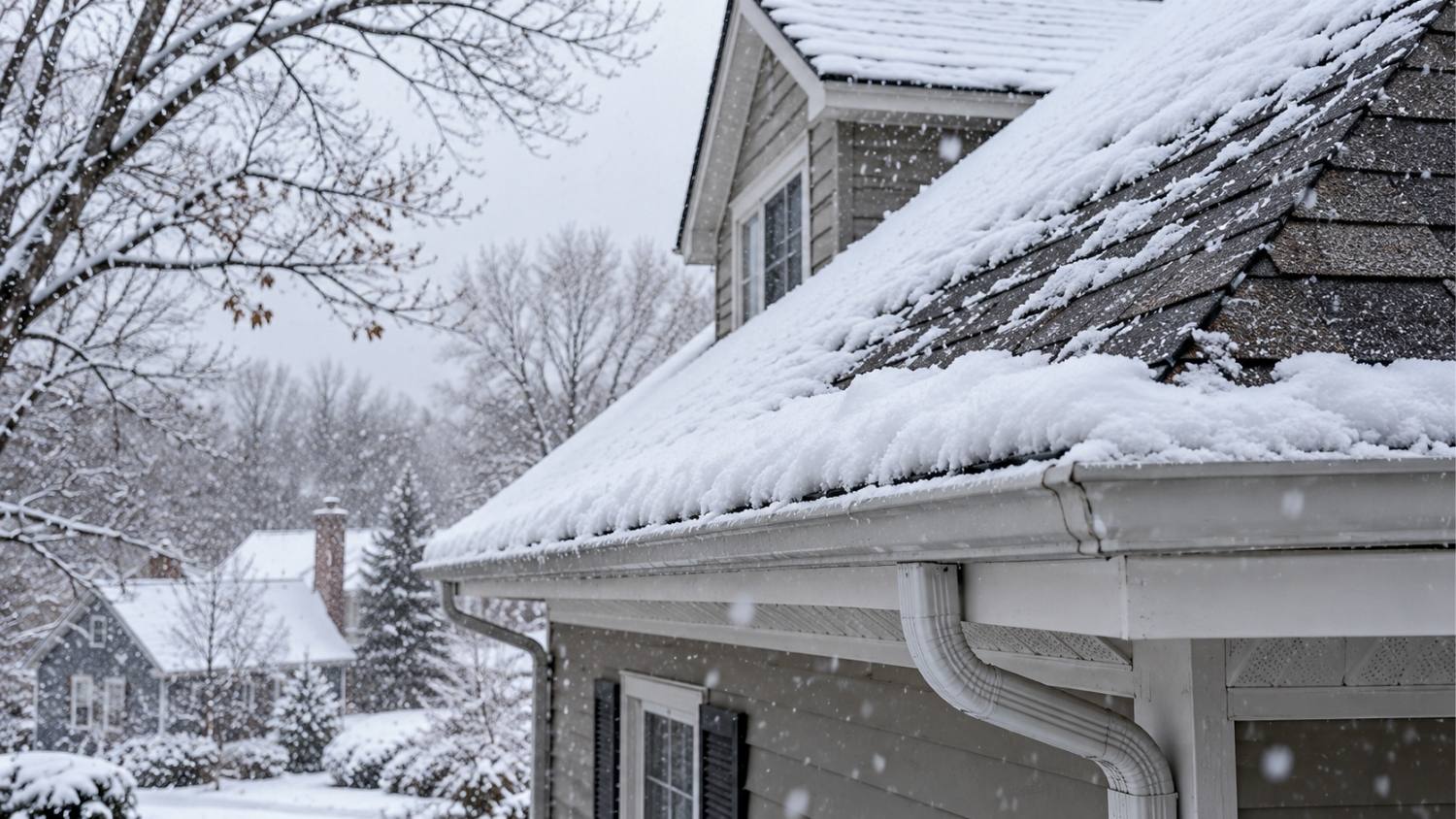
Ice dams typically form when three conditions occur at the same time:
- Snow accumulates on the roof.
- Heat escapes into the attic because of air leaks or inadequate insulation.
- Outdoor temperatures remain below freezing.
The process usually starts when warm air from inside the house rises and escapes through gaps in the ceiling into the attic. That heat warms the roof deck from below, causing the underside of the snow layer to melt even when outdoor temperatures are still below freezing.
Over time, repeated melting and refreezing can create a thick ridge of ice along the roof edge. As the ice dam grows:
- Meltwater begins pooling behind it.
- Water has fewer places to drain.
- Moisture may work its way beneath shingles and into the roofing system.
According to the U.S. Department of Energy's Building America Solution Center, ice dams can form with as little as 2 inches of snow accumulation, so they can develop after relatively modest snowfall, not only during major blizzards.
Why Ice Dams Put Hudson Valley Homes at Risk
Ice dams are more than a cosmetic issue. Trapped meltwater can seep under shingles, damaging roof decks, insulation, and walls before leaks appear inside. Dutchess County’s freeze-thaw cycles worsen the problem, repeatedly stressing roof vulnerabilities like eaves and flashing. If the underlying heat loss remains unaddressed, a dam that forms in January can continue to grow throughout the winter.
Left unresolved, water intrusion from ice dams can lead to:
- Ceiling and wall staining from water tracking through drywall and insulation
- Shingle and flashing damage at the eaves, valleys, and roof penetrations
- Gutter and downspout strain from the added weight of ice
- Wet insulation, which loses much of its thermal performance once saturated
- Interior moisture buildup, which may contribute to mold growth if it goes unaddressed for an extended period
Heavy ice accumulation can also add structural load to a roof. Proper air sealing, insulation, and ventilation in a vented attic can help keep the roof deck closer to outdoor temperatures, reducing uneven snowmelt and the ice dam formation that can add weight near the eaves.
Warning Signs Your Attic Insulation Isn't Doing Its Job
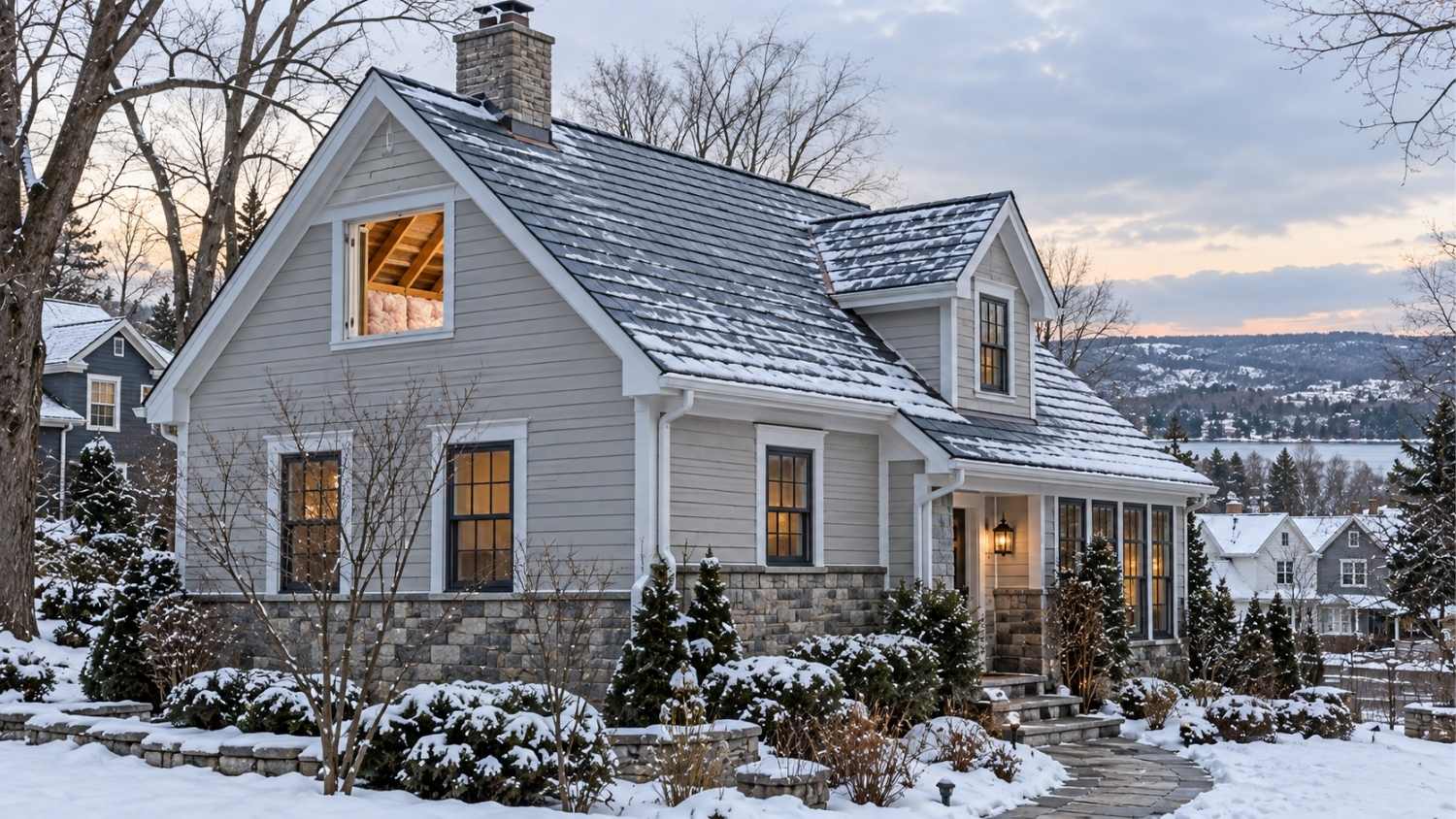
A roof doesn't need to be leaking yet for the attic beneath it to be part of the problem. Several signs tend to show up before interior damage does, and catching them early keeps a manageable fix from turning into a bigger repair.
Watch for these indicators around the property:
- Uneven snowmelt on the roof, where the upper slope clears quickly while snow lingers near the eaves
- Thick icicles or a visible ice ridge forming along the gutter line
- A bare or dark patch near the ridge while the rest of the roof stays fully covered in snow
- Ceiling stains or damp spots near exterior walls after a snow event
- Noticeably higher heating bills during winter months compared to a similarly sized home
Several of these signs appearing together usually point to air leakage, insufficient insulation, ventilation problems, or a combination of these issues.
How to Insulate and Air Seal an Attic to Prevent Ice Dams
Step 1: Air Seal the Attic Floor Before Adding Insulation
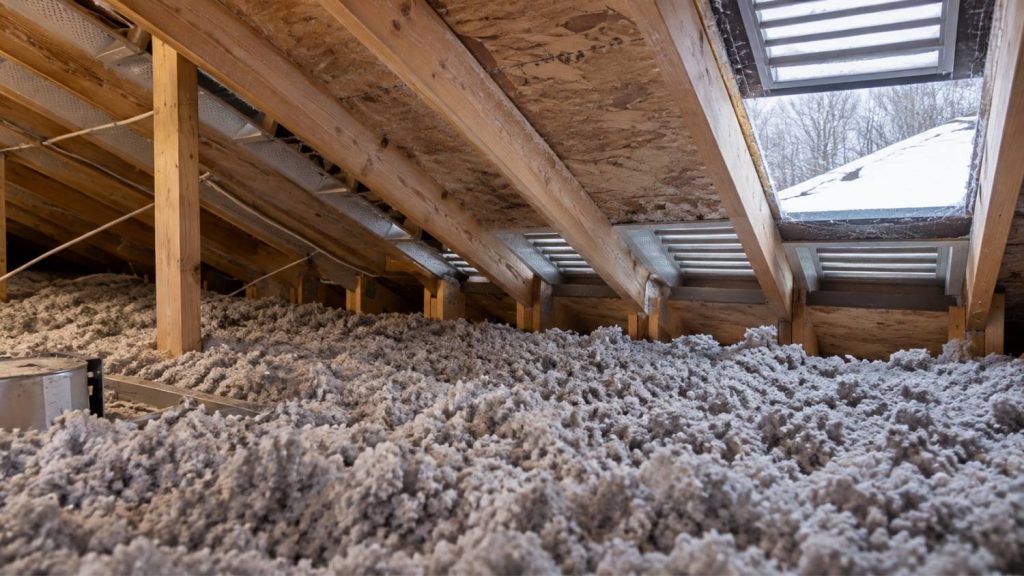
Air sealing stops warm air from bypassing insulation and entering the attic. Key leak points include light fixtures, plumbing stacks, wiring, furnace flues, chimneys, attic hatches, and wall top plates, as detailed by U.S. Department of Energy guidance on attic air sealing. Insulation alone may not prevent ice dams if warm air still escapes through ceiling gaps.
Step 2: Bring Insulation Up to the Recommended Depth
Once air leaks are sealed, insulation should reach a level appropriate for the climate zone. Poughkeepsie is in Climate Zone 5, where ENERGY STAR recommends R-60 for uninsulated attics, or R-49 if 3 to 4 inches of insulation already exist. Choose materials such as cellulose or fiberglass that suit your attic’s structure.
Step 3: Maintain Balanced Soffit-to-Ridge Ventilation
In a vented attic, insulation slows heat transfer, while proper ventilation helps keep the roof deck closer to outdoor temperatures. Air must flow freely from intake vents at the eaves to exhaust vents at the peak. Baffles should prevent insulation from blocking airflow, and DOE Building America guidance recommends an air gap of at least 2 inches between insulation and the roof deck.
READ MORE: Failing Attic Ventilation: Warning Signs to Watch
Step 4: Reinforce the Eaves With Ice and Water Shield
As a secondary safeguard, Section R905.1.2 of the 2025 Residential Code of New York State requires an ice barrier for specified roof coverings in areas designated as having a history of ice forming along the eaves and causing water backup. The barrier must consist of at least two layers of underlayment cemented together or a self-adhering polymer-modified bitumen sheet and extend from the lowest roof edge to at least 24 inches inside the exterior wall line. Additional requirements apply to roofs with slopes of 8:12 or steeper. This barrier complements, but does not replace, proper air sealing, insulation, and ventilation.
What Affects the Cost of Attic Insulation and Ice Dam Prevention Work
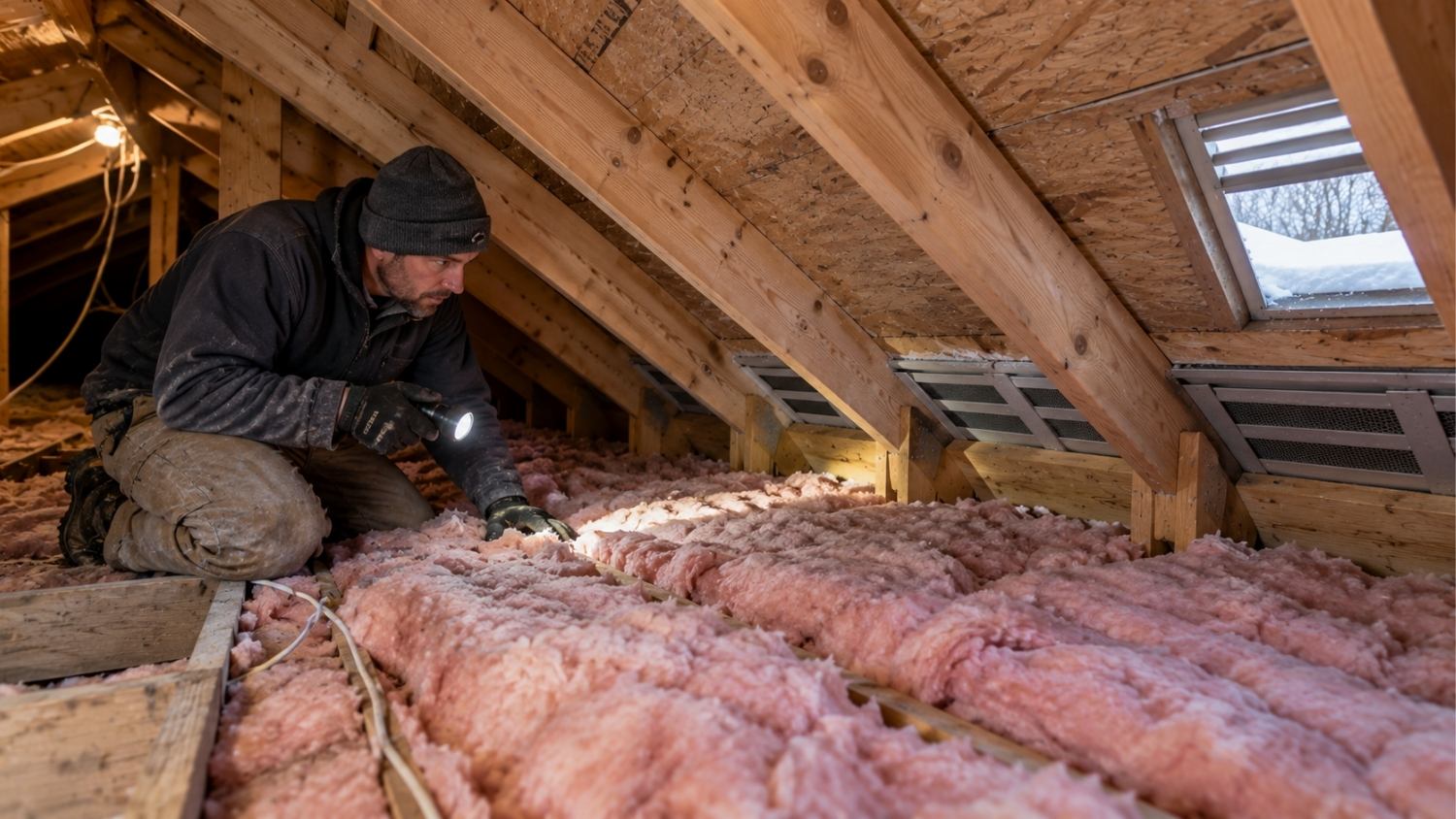
Attic insulation and air sealing costs vary from home to home, and there isn’t a single number that applies across the board. Several factors typically shape the estimate a contractor puts together after evaluating the attic in person.
Cost-related factors generally include:
- Attic size and accessibility, including roofline complexity and how easily a crew can reach every section
- Existing insulation condition, since compressed, wet, or contaminated material may need removal before new insulation goes in
- Air sealing scope, based on how many penetrations and leak points need to be addressed
- Insulation material and depth, since bringing the attic up to the recommended R-value may require substantially more material than a partial top-up
- Ventilation upgrades, if soffit or ridge vents need repair, cleaning, or installation
- Roofing work required, if ice and water shield replacement is part of the same project
Because every attic and roofline is different, the most accurate way to understand project cost is a site-specific assessment rather than a general estimate pulled from online averages.
When to Call a Professional for Ice Dam Prevention
Attic work involves more than laying down insulation. It often means evaluating existing moisture damage, checking ventilation balance, and confirming that any hidden roof deck or flashing issues get addressed before new material covers them up.
A qualified roofing contractor should be involved when:
- Ice dams have already formed, creating a risk that water has reached the roof deck or ceiling
- Attic insulation is damp or discolored, which can point to a moisture source that needs to be found first, or it is compressed enough to reduce its performance.
- Ceiling stains or interior leaks appear during or after a snow event
- Soffit or ridge vents are blocked, damaged, or missing, since restoring airflow may involve roof-level work
- The attic hasn’t been evaluated in several years, since some insulation materials can settle or become disturbed and air-sealing materials can deteriorate over time
Working on a roof or in an attic during winter carries real safety risks, from ice on the roof surface to limited visibility around joists and wiring. Ice dam removal in particular should be evaluated by a qualified professional rather than attempted from a ladder with makeshift tools, since improper removal methods can damage shingles or cause injury.
Frequently Asked Questions
Does adding more attic insulation always stop ice dams?
Not alone. Insulation works best as a system with air sealing and ventilation. Because these factors depend on each other, a professional evaluation assesses depth, air leakage, and airflow together rather than focusing on just one fix.
Can I remove an ice dam myself?
DIY removal is risky due to potential falls, injuries, and damage to shingles or flashing. It’s safer to have a professional evaluate the dam and address the root causes, such as air leakage or poor ventilation.
Does homeowners insurance cover ice dam damage in New York?
It depends on your specific policy, the type of damage, and the cause of loss. Coverage for water intrusion or other damage associated with an ice dam can vary based on the policy’s terms, exclusions, deductibles, and the circumstances of the loss. Review your policy and consult your insurer or licensed insurance professional about a specific claim.
When should attic insulation be checked to prevent ice dams?
Fall, before the first snowfall, is a practical time to check attic insulation and ventilation. Checking your attic’s insulation, air sealing, and ventilation before winter gives you time to address issues before freezing temperatures and snow arrive.
How much does professional attic insulation typically cost?
Costs vary significantly based on attic size, existing insulation, required air sealing, and materials used. Because every home is unique, it is best to request a site-specific estimate from a professional for an accurate price.
Ready to Winterize Your Attic and Prevent Ice Dams This Season?
A properly air-sealed and insulated attic, with ventilation appropriate to the roof design, can help reduce ice dam formation on Hudson Valley roofs. Lyndsey Roofing, LLC has served Poughkeepsie and surrounding areas of Dutchess County since 2015, providing attic insulation, roof ventilation, and inspection services.
If icicles, ceiling stains, or uneven roof snowmelt have you wondering whether your attic is ready for winter, a professional evaluation is the clearest next step.