What’s In This Guide
- How Much Does a Cedar Shake Roof Cost in the Hudson Valley?
- What Determines How Long a Cedar Shake Roof Lasts Here?
- How Do You Keep Up With Cedar Shake Roof Maintenance?
- Cedar vs. Synthetic Shake: Which Suits Your Home?
- When Is Repair Enough, and When Is Replacement the Better Call?
- Frequently Asked Questions
- Ready to Price a Cedar Shake Roof for Your Home?
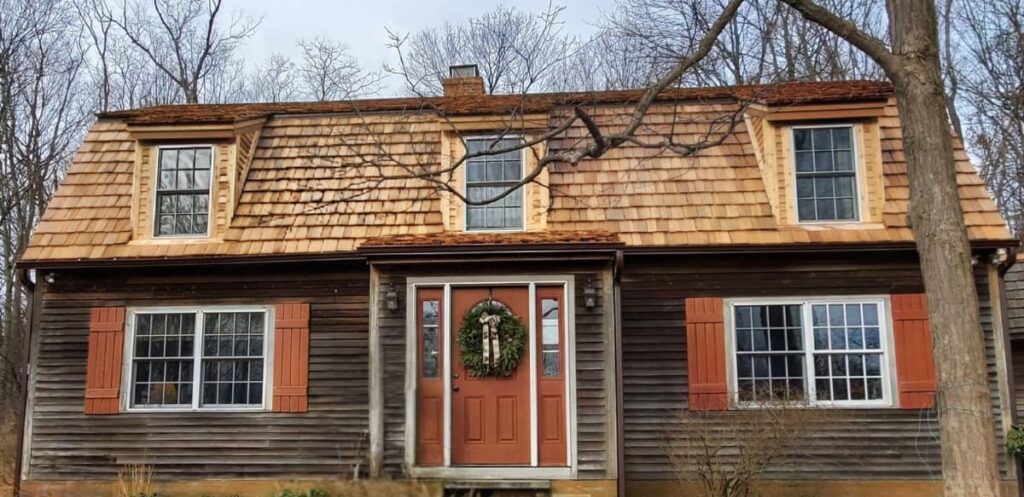
Few roofs give a Hudson Valley home as much character as hand-split cedar. From the historic districts of Rhinebeck and Red Hook to older neighborhoods in Poughkeepsie, wood shakes have long been part of the regional look. Homeowners who love that look tend to ask the same two questions before committing: what will it cost, and how long will it last?
Cedar shake roof cost is never a single number. It shifts with product grade, roof design, fire requirements, and whatever the crew finds under the old roof once it comes off. Lifespan shifts just as much, shaped by installation quality, attic ventilation, tree cover, and the freeze-thaw winters across Dutchess, Orange, Putnam, and Eastern Ulster Counties.
Quick Facts
- Lifespan: 30 to 40 years is possible with upkeep.
- Cost: Roughly $6 to $15 per square foot, grade-dependent.
- Maintenance: Inspect twice yearly, clear debris, treat moss.
- Fire safety: Untreated shakes are unrated.
- Alternative: Synthetic shake trades authenticity for ease.
How Much Does a Cedar Shake Roof Cost in the Hudson Valley?
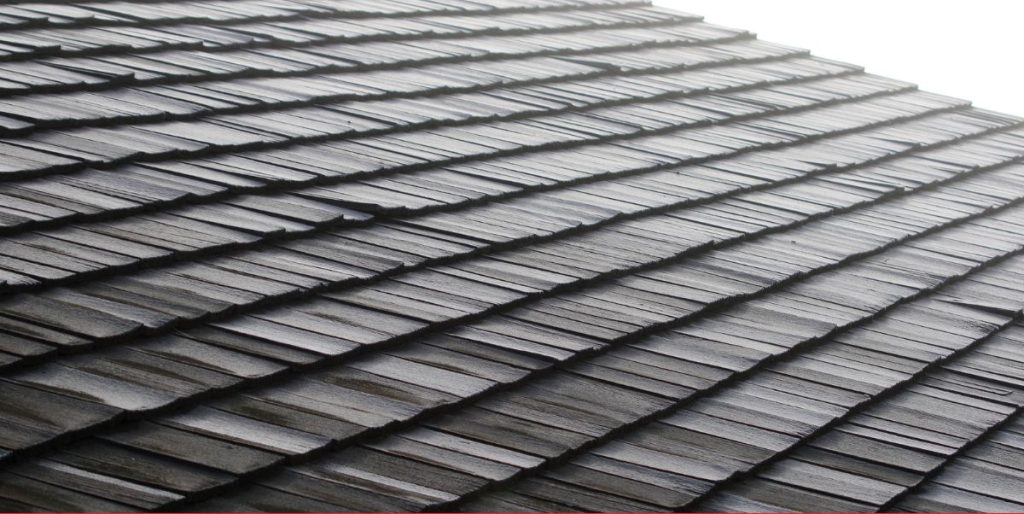
Cedar sits among the higher-priced residential roofing options. Most projects run about $15,800 to $30,000, with an average near $21,000, or roughly $6 to $15 per square foot installed.
These are national estimates, not quotes. A Hudson Valley project can land above or below them depending on the factors below.
|
Cedar Shake Grade |
Typical Cost per Square Foot (Angi) |
|
Common |
$6 to $8 |
|
Select |
$7 to $11 |
|
Straight-grain |
$8 to $15 |
|
Common Add-On Item |
Estimated Range (Angi) |
|
Old roof removal and disposal |
$1,000 to $5,000 |
|
Underlayment replacement |
About $3,300 on average |
|
Flashing |
$200 to $600 |
|
Drip edge |
$100 to $500 |
|
Fireproofing or algaecide treatment |
$200 to $1,000 each |
|
Roof replacement permit |
$100 to $500 |
Product Type and Grade
Cedar shakes are thicker with a split face, while cedar shingles are sawn on both faces for a smoother, more uniform look. Shakes generally cost more. Higher grades have straighter grain, lay flatter, and resist warping, which is why they sit at the top of the price ranges above.
Roof Size, Pitch, and Complexity
Valleys, dormers, chimneys, and additions are common on older Hudson Valley homes. Each one means more cuts, more flashing work, including kickout flashing where a roof meets a sidewall, and more labor hours than a plain gable roof of the same size. Steeper pitches can also require specialized safety equipment, which raises labor.
Tear-Off and Deck Condition
Removing and disposing of an existing roof is part of the estimate. Deck condition and underlayment requirements can change the scope once the old material is off, which is why a clear policy on decking repairs belongs in the written proposal.
Fire Treatment and Code Requirements
Untreated wood shake is generally considered unrated for fire performance. Fire-retardant treated shakes qualify as Class B, and can reach Class A when the roof assembly includes additional underlying materials. Treated product and fire-rated underlayment add material and labor. The required rating depends on local rules, so confirm it with the City or Town of Poughkeepsie building department or your own municipality.
Access, Season, and Urgency
Limited driveway access, the busy summer and fall schedule, and storm-driven urgency all influence labor and equipment needs. Ongoing upkeep matters too.
What Determines How Long a Cedar Shake Roof Lasts Here?
A typical limited warranty on wood shakes is about 25 years, yet a lifespan of 30 to 40 years is not unusual, according to InterNACHI’s roof inspection guidance on wood shakes and shingles. The same source ties longevity to climate, product quality, installation, maintenance, foot traffic, and overhanging branches. Those are the variables that separate a roof that reaches 35 years from one that struggles at 20.
Grade and Certification
Hand-split and resawn shakes are the thickest option and carry the most mass for weather exposure. The published guidance from the Cedar Shake and Shingle Bureau notes that uncertified product of unknown grade adds variability that skilled installation cannot fully offset.
Installation and Ventilation
Slope, fasteners, exposure width, and underlayment all have to follow established installation guidelines, including where ice and water protection belongs on a roof. Poor attic and deck ventilation keeps the wood wet longer after rain, and the same guidance names it as one of the most common contributors to premature failure.
Freeze-Thaw and Moisture
Wood absorbs and releases moisture with every weather swing. The Bureau lists severe freeze-thaw cycling among the conditions that increase degradation, which describes a typical Hudson Valley winter. In practical terms, homeowners here should treat the upper end of the lifespan range as something earned through upkeep, not a default.
Tree Cover and Debris
Leaves and needles trap moisture against the wood. Shaded slopes under mature oaks and maples tend to hold dampness longest, which invites moss and algae and speeds up rot.
How Do You Keep Up With Cedar Shake Roof Maintenance?
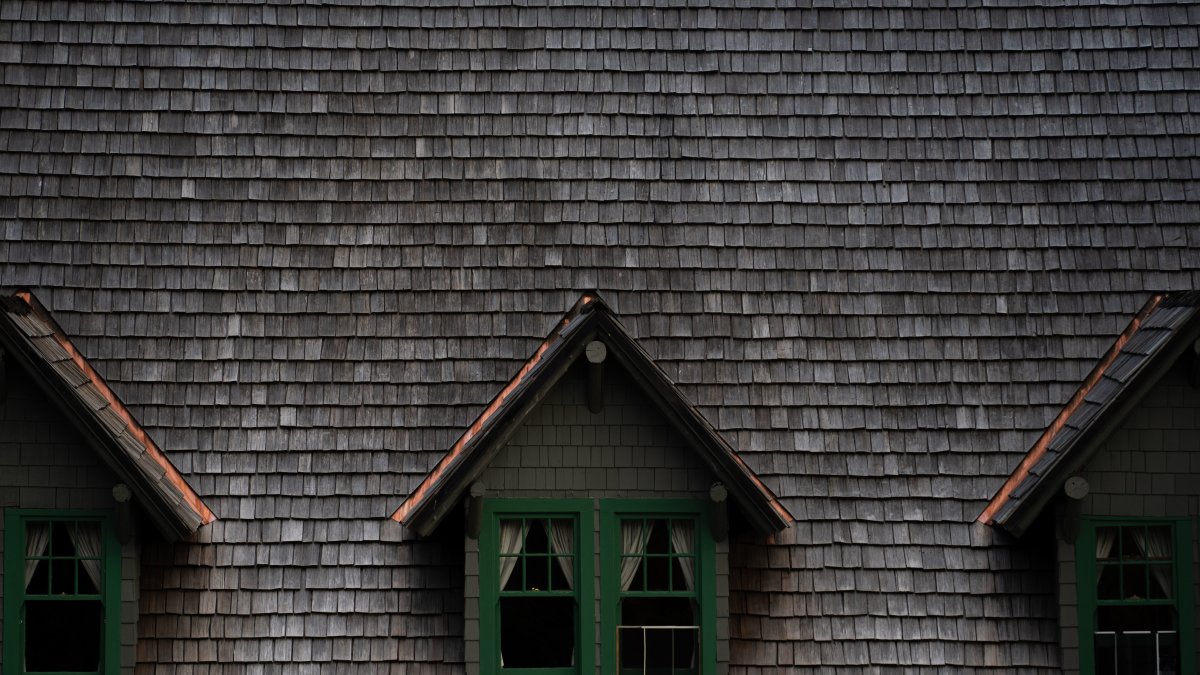
Cedar’s longevity is not passive. Roofs that reach the high end of the range share one trait: they are maintained on a schedule. A structured roof maintenance program for Hudson Valley homeowners can build these checks into a yearly routine.
- Inspect twice a year. Check in spring after winter and in fall before it returns, looking for cracked, split, or missing shakes. Add a visit after any major wind or ice event.
- Clear debris from surfaces and valleys. Remove leaves and needles after seasonal buildup so moisture does not sit against the wood.
- Treat moss and algae early. Use biocidal products suited to wood roofing before growth compromises the surface, and confirm the product is compatible with any finish or warranty.
- Repair isolated damage promptly. Replace cracked or missing shakes before water reaches the deck, since a small repair is far cheaper than rot at the eaves.
- Check ventilation, flashing, and gutters. Clogged gutters, failing flashing at chimneys and valleys, and weak attic airflow all speed up moisture damage.
- Keep written records. Dated photos and inspection reports support warranty claims and insurance conversations.
Cedar vs. Synthetic Shake: Which Suits Your Home?
Many homeowners comparing cedar shake roof cost also look at synthetic (composite) shake, which is manufactured to imitate the look of wood. The right answer depends on how much upkeep you want, how much authenticity matters, and what your local fire rules allow.
|
Factor |
Cedar Shake |
Synthetic Shake |
|
Appearance |
Natural grain, weathers to a silver-gray |
Molded to mimic wood, consistent color |
|
Upfront cost |
About $6 to $15 per square foot installed |
Averages about $18,000 for a full roof, slightly below natural cedar |
|
Lifespan |
30 to 40 years with upkeep is not unusual |
Varies by product, check the warranty |
|
Maintenance |
Regular inspection, debris clearing, moss control |
Generally lighter, periodic inspection still needed |
|
Fire performance |
Untreated is unrated, treated is Class B, Class A by assembly |
Ratings vary, confirm the specific product’s listing |
|
Material |
Natural, renewable wood |
Manufactured product |
Where Cedar Earns Its Place
Cedar suits historic homes, restoration work, and owners who value genuine wood and accept the upkeep that comes with it. Its look is difficult to replicate exactly.
Where Synthetic Makes Sense
Synthetic shake suits homeowners who want the wood look with less seasonal care, or who face local fire requirements that make treated cedar assemblies complicated. Compare product-specific fire and impact ratings and warranty terms before deciding, because they vary between manufacturers. Warranty coverage matters most when a product fails to perform, as in what happens if one solar roof shingle stops producing.
When Is Repair Enough, and When Is Replacement the Better Call?
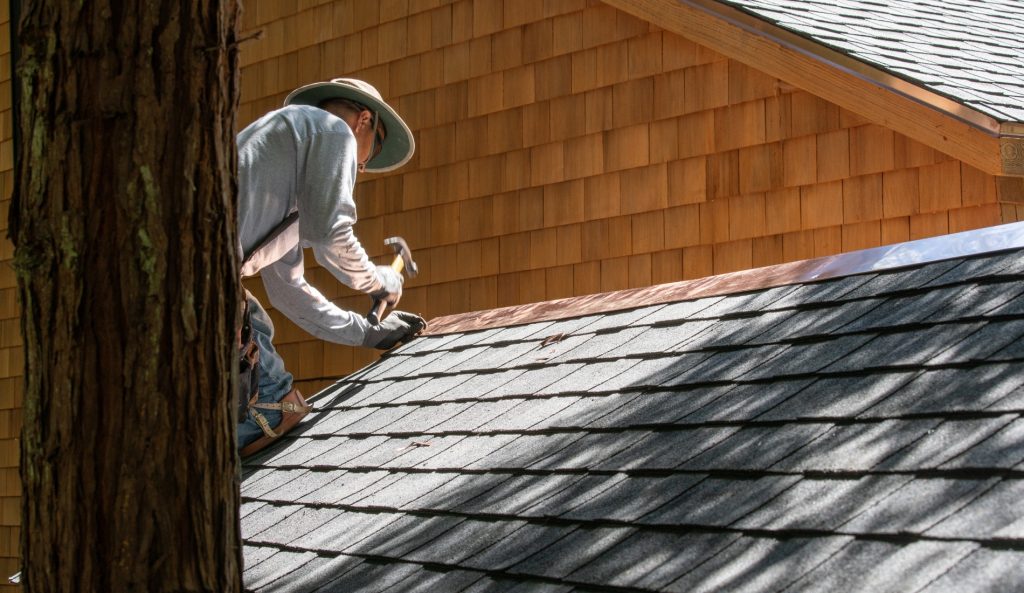
The Cedar Shake and Shingle Bureau’s guidance draws a clear line between the two situations. Recurring leaks on a flat or low-slope addition are often a drainage issue, so it helps to know how commercial roofers diagnose ponding water around drains.
|
Repair Is Usually Viable |
Replacement Is Usually Warranted |
|
Damage is isolated to a small share of the roof |
Curling, cupping, or splitting spreads across multiple roof planes |
|
Surrounding shakes are structurally sound |
Shakes have lost significant thickness to weathering |
|
The deck shows no rot or prolonged moisture |
Leaks keep returning after localized repairs |
|
No widespread cracking |
Rot is visible at flashings, ridges, or eaves |
When replacement is the answer, a full tear-off lets the crew inspect the deck, ventilation, and flashing before new material goes down. Homeowners also get a natural moment to compare options, including cedar, architectural asphalt, and standing seam metal, which sheds snow well in this climate. Comprehensive roof replacement services for Hudson Valley homeowners may cover cedar shake alongside other pitched-roof systems.
Frequently Asked Questions
Are cedar shake roofs worth the higher cost?
For the right home, yes. Cedar offers a distinctive natural look, and a well-maintained roof can outlast many asphalt systems. The tradeoff is ongoing upkeep and a higher starting investment. If you prefer a low-maintenance roof, architectural asphalt or metal may fit better.
Can new cedar shakes be installed over an existing roof?
Installing over an existing roof is not recommended, especially when the old layer is wood. A second layer can trap moisture against the wood and add extra weight to the roof structure. A full tear-off lets the crew inspect the deck, replace damaged sections, and install fresh underlayment before the new shakes go down.
How long does cedar shake roof installation take?
Wood roofs typically take about 2 to 8 days of active installation, depending on roof size, pitch, and complexity. Permits, material delivery, and weather add time before and during the project. Hidden deck repairs found at tear-off can also extend the schedule. Once the crew finishes, reviewing a final roof walkthrough checklist before the last payment helps confirm that every detail was completed.
Will a cedar shake roof affect my homeowners insurance?
It can. Some insurers ask about the roof material and its fire rating, and policies differ on coverage and pricing. Ask your carrier before you choose a material, and keep records of any fire treatment and maintenance.
Can I inspect or clean a cedar shake roof myself?
Walking on wood shakes can crack them and is a fall risk, especially when they are damp or mossy. A safer first check is from the ground with binoculars, scanning for splits, missing pieces, and moss. Leave cleaning and treatment to a roofer who has the right equipment and safety training.
Ready to Price a Cedar Shake Roof for Your Home?
Whether you are restoring a historic roof or comparing cedar with other materials, a site-specific assessment is the only reliable way to understand cost and condition. Lyndsey Roofing, LLC provides written estimates and honest recommendations for homeowners across Dutchess, Orange, Putnam, and Eastern Ulster Counties.
Contact our team today to request your personalized quote and discuss the best roofing solution for your home.