What’s in This Guide
- Roof Replacement Companies vs. General Contractors: The Short Answer
- Why the Right Contractor Choice Shapes Your Roof’s Long-Term Performance
- How to Vet a Roof Replacement Company Before You Hire
- When a General Contractor Makes Sense, and When a Roof Replacement Company Is the Safer Choice
- What Happens If the Wrong Contractor Installs Your Roof
- Frequently Asked Questions
- Work With a Certified Roof Replacement Specialist
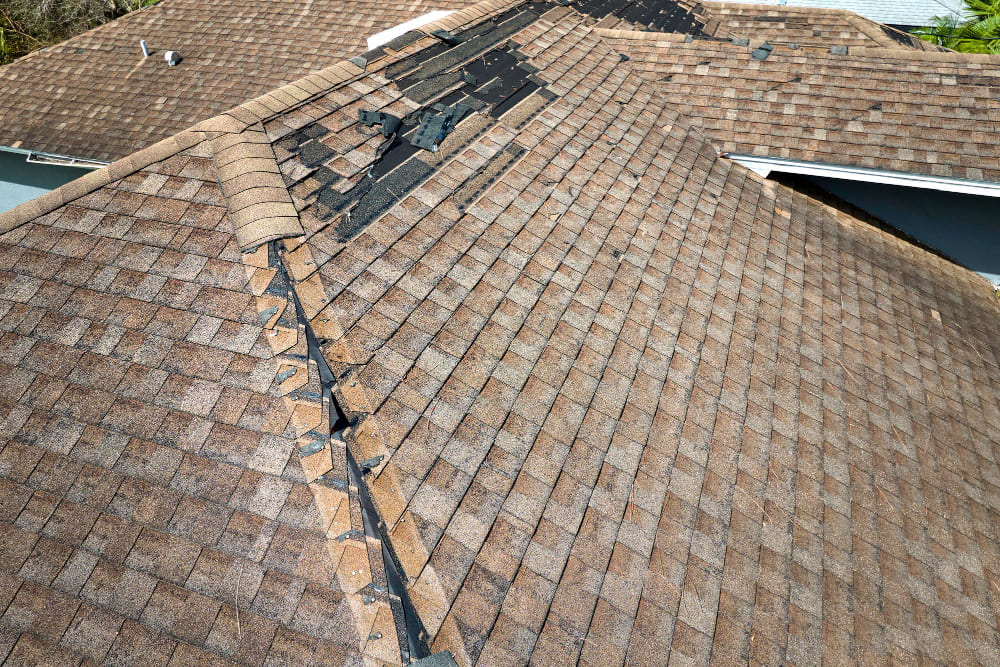
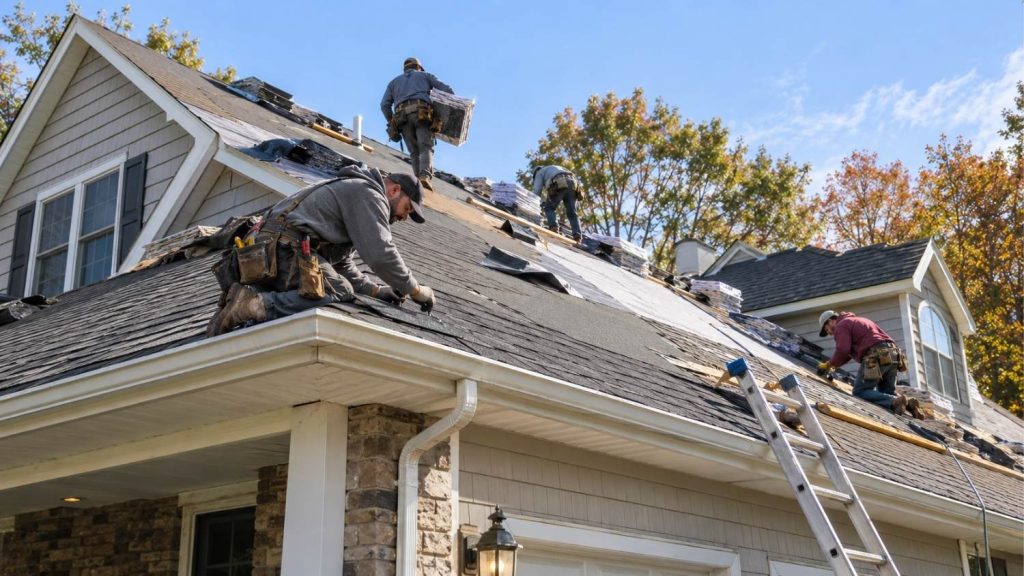
A failing roof rarely waits for convenient timing. Once a homeowner starts collecting quotes, a familiar question comes up fast: should the job go to a roofing specialist, or to a general contractor already handling other work on the property?
The answer shapes more than price. It affects which materials are available and whether a workmanship warranty applies. It also shapes how the finished roof performs through years of Hudson Valley winters, freeze-thaw cycles, and the occasional summer downpour that tests every seam and flashing point on a roof.
Quick Facts
- Manufacturer certification determines which enhanced warranties a contractor is authorized to offer.
- Roof-specific training reduces installation errors that can void coverage.
- General contractors often subcontract roofing work, adding communication layers.
- Workmanship warranties protect against labor defects, separate from material coverage.
- A written estimate and license verification protect against costly disputes.
Roof Replacement Companies vs. General Contractors: The Short Answer
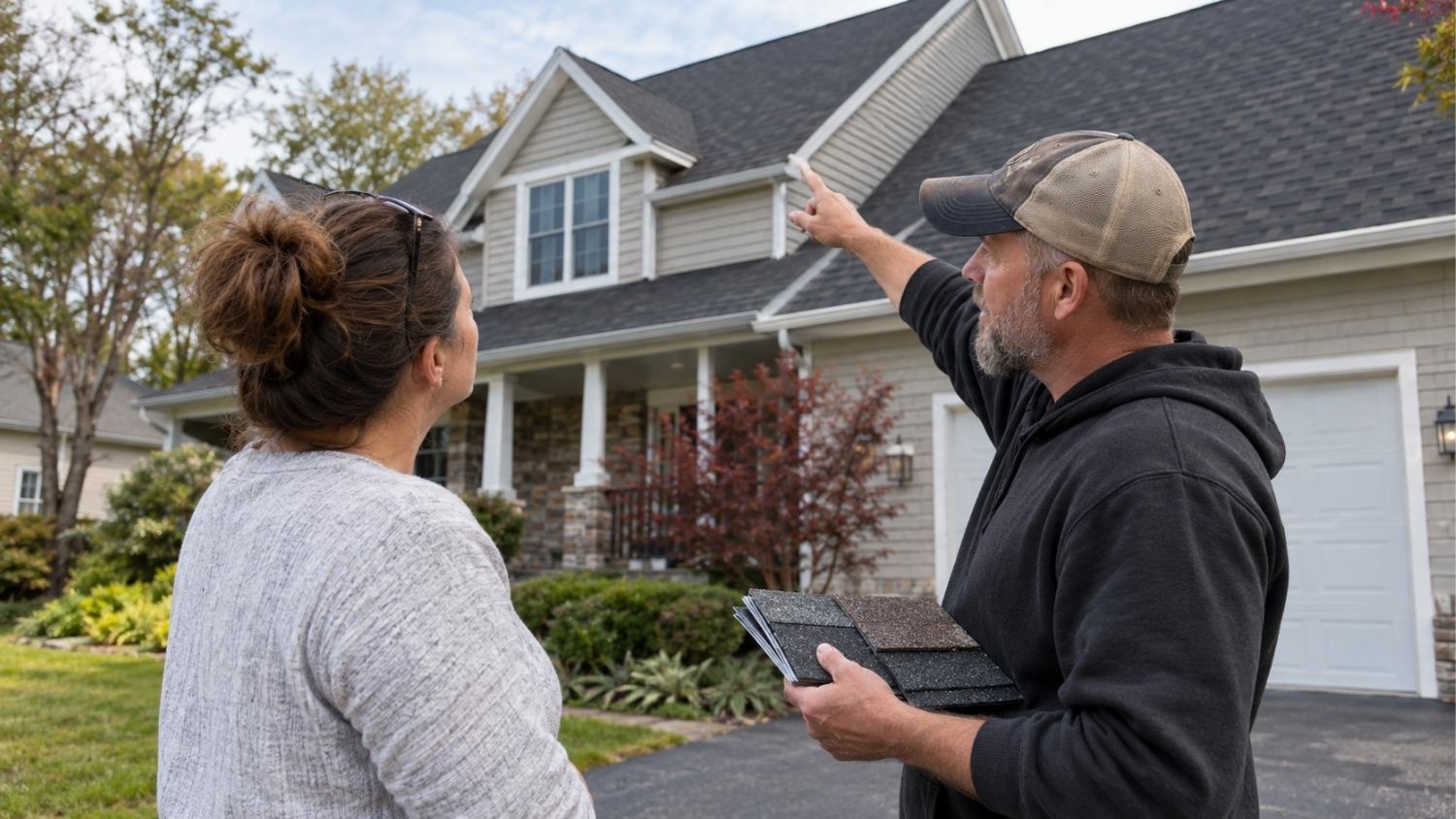
A dedicated roof replacement company generally offers stronger protection for a full roof system than a general contractor does. Roofing specialists carry manufacturer certifications, roof-specific equipment, and workmanship warranties tied directly to their own installation work. General contractors can manage a broader renovation, but roofing is frequently subcontracted rather than performed in-house.
That distinction matters most when a project involves a full tear-off, a complex roof system, or a manufacturer-backed warranty that requires a certified installer. It matters less on small, cosmetic repairs bundled into a larger exterior project.
Why the Right Contractor Choice Shapes Your Roof’s Long-Term Performance
The contractor a homeowner hires directly affects the roof’s lifespan, warranty validity, and safety during installation. A roof is a layered system, not a single product, and each layer depends on correct sequencing to function.
Warranty Coverage Depends on Who Installs the Roof
Many enhanced manufacturer warranties, including GAF’s Golden Pledge coverage described in GAF’s homeowner education resources on choosing a certified roofer, are only available through certified installers. The wrong contractor can quietly limit what protection is actually available.
Installation Quality Protects the Roof’s Structure
Flashing, ventilation, and underlayment all depend on correct sequencing during installation. Mistakes in any of these layers tend to surface later as leaks or premature wear.
Trained Crews Reduce Safety Risk On-Site
Steep or complex rooflines call for specific access and fall protection practices. Crews with dedicated roofing experience are generally better prepared for these conditions.
Proper Ventilation Supports Attic Performance
A roof that ventilates correctly helps regulate attic temperature through the seasons. This becomes especially relevant during colder stretches, when uneven roof heat can affect performance along the eaves.
Documentation Strengthens Resale Value
A roof replacement backed by clear paperwork tends to reassure buyers and inspectors alike. Missing or incomplete records can raise unnecessary questions later in the sale process.
READ MORE: Roof Replacement Options: How to Choose the Right Path for Your Poughkeepsie Home
How to Vet a Roof Replacement Company Before You Hire
Vetting a certified roofer takes five checks: certification, insurance, warranty terms, association membership, and a detailed written estimate. Skipping any one of these increases the risk of disputes or voided coverage later.
Verify Certification Status Directly With the Manufacturer
Many manufacturers offer online tools to confirm a contractor’s current standing rather than relying on a company’s own claims. This step takes only a few minutes and removes any guesswork.
Ask to See Current Insurance Coverage
Liability insurance and workers’ compensation protect the homeowner if something goes wrong on-site. A certificate number alone isn’t enough, so request to see the actual documentation.
Request the Workmanship Warranty in Writing
This warranty covers installation errors and is separate from the manufacturer’s material warranty. Understanding what it covers and for how long helps set clear expectations before work begins.
Look Into Industry Association Membership
Membership in groups like the NRCA isn’t required, but it does reflect a contractor’s ongoing engagement with training and industry standards. It’s one more data point worth factoring into the decision.
Compare Full Written Estimates Side by Side
A trustworthy estimate outlines scope, materials, and timeline rather than a single lump-sum number. Reviewing more than one estimate makes it easier to spot gaps or inconsistencies.
This sequence matters even more after storm damage, when pressure to sign quickly is highest. The FTC’s consumer guidance on avoiding home improvement scams recommends getting multiple written estimates and reading every contract carefully before signing, regardless of how urgent the repair feels.
When a General Contractor Makes Sense, and When a Roof Replacement Company Is the Safer Choice
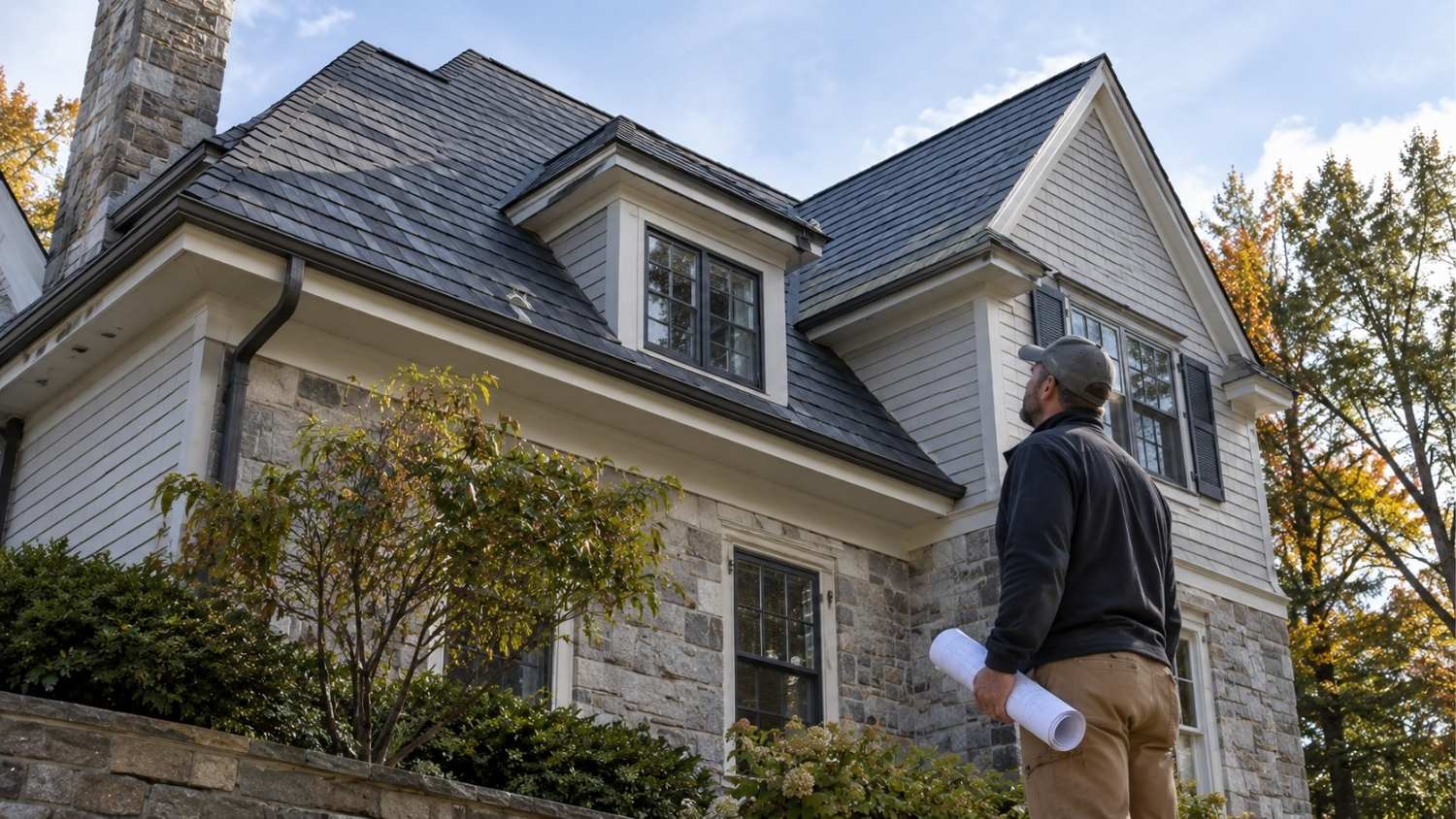
The right contractor depends on the scope of the project and what the roof actually needs.
Choose a General Contractor If…
- Roofing is a minor line item inside a larger renovation. A single repair or patch tucked into a bigger project, like a full exterior remodel, doesn’t always require a dedicated roof replacement company to manage.
- The work involves a small repair alongside siding or window replacement. Coordinating a minor roof fix with other exterior trades can simplify scheduling when the roof itself isn’t the primary concern.
- No manufacturer-specific certification is required for the materials involved. Standard, non-warrantied repairs that don’t tie back to an enhanced manufacturer program leave more flexibility in who performs the work.
Choose a Roof Replacement Company If…
- The project involves a full tear-off replacement rather than a patch. A complete replacement means every layer, from decking to ridge cap, needs to be installed in the correct sequence by someone trained specifically on that system.
- The roof is a low-slope or flat system requiring membrane expertise. EPDM, TPO, and similar membrane systems demand installation techniques that differ significantly from standard steep-slope shingle work.
- Storm damage is involved and insurance documentation needs to be precise. A roofing specialist familiar with roof-specific damage patterns can provide the kind of detailed inspection report adjusters look for.
- Solar shingle integration is part of the plan. Products like GAF Energy Timberline Solar require manufacturer-specific training that a general roofing subcontractor may not carry.
| Project Scenario | Roof Replacement Company | General Contractor |
| Minor repair inside a larger renovation | Possible Fit | Better Fit |
| Small fix alongside siding or window work | Possible Fit | Better Fit |
| No manufacturer certification required | Possible Fit | Better Fit |
| Full tear-off replacement | Better Fit | Possible Fit |
| Low-slope or flat membrane system | Better Fit | Possible Fit |
| Storm damage insurance claim | Better Fit | Possible Fit |
| Solar shingle integration | Better Fit | Possible Fit |
What Happens If the Wrong Contractor Installs Your Roof
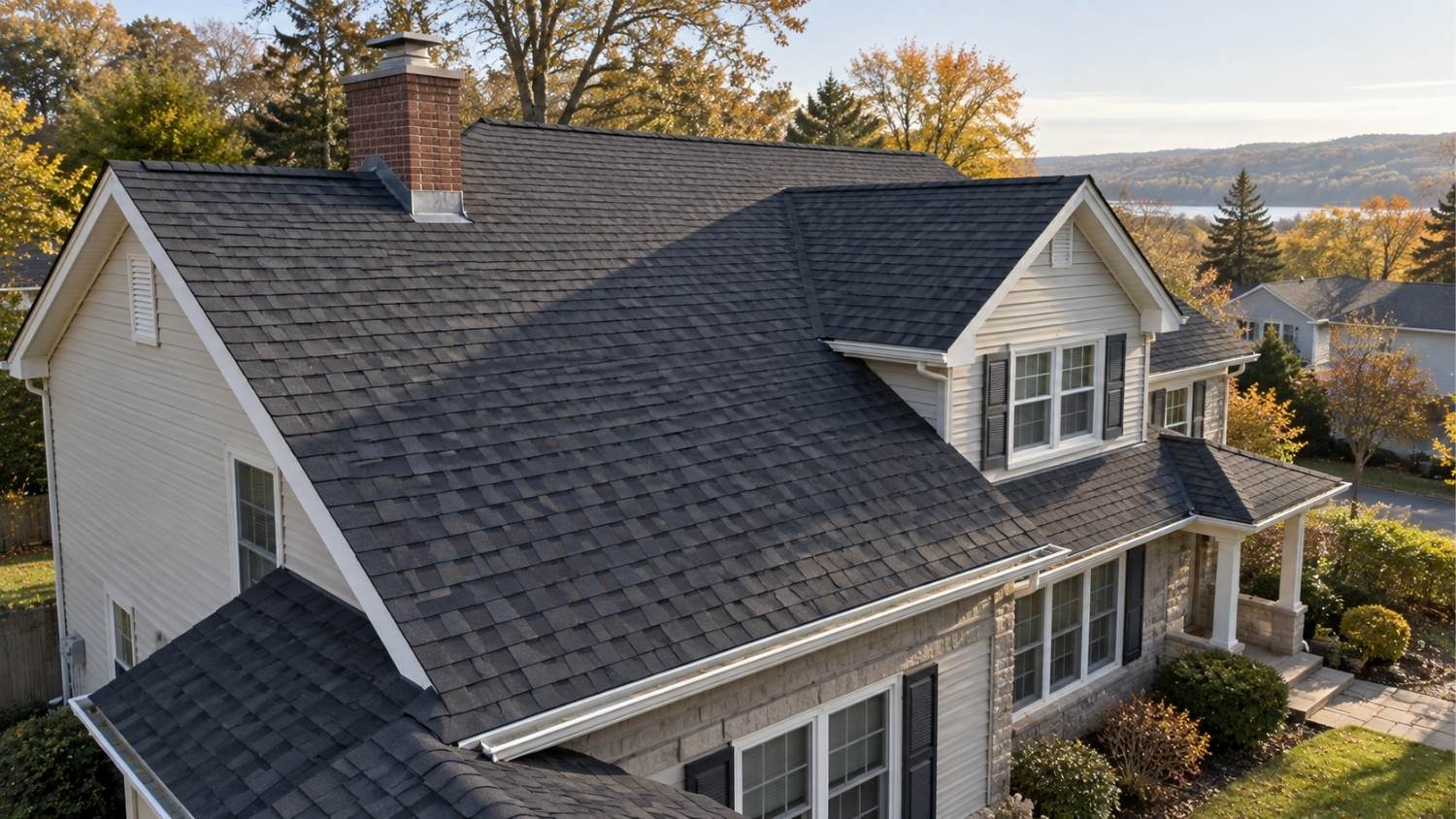
Hiring the wrong contractor doesn’t always show up right away. The consequences often surface months or years later, when they’re harder and more expensive to fix.
Manufacturer Warranty Coverage Can Be Denied
Enhanced warranties typically require installation by a certified contractor following specific manufacturer guidelines. If that requirement isn’t met, a claim for defective materials or premature failure may be rejected, leaving the homeowner to cover repairs out of pocket.
Insurance Claims Can Stall Without Proper Documentation
Storm damage claims often depend on a detailed, roof-specific inspection report. A contractor unfamiliar with what adjusters look for may leave gaps in that documentation, which can slow down or reduce a settlement.
Structural Issues Can Go Unnoticed Until They Worsen
Improper flashing, ventilation, or underlayment installation doesn’t always cause an immediate leak. These issues tend to develop quietly, and by the time they’re visible, the damage may extend beyond the roof itself.
Resale Value Can Take a Hit at Inspection
A roof without clear installation records or warranty documentation can raise questions during a home sale. Buyers and inspectors often treat missing paperwork as a red flag, which can affect negotiations or delay closing.
Future Repairs May Cost More Than the Original Job
Correcting a poorly installed roof usually means undoing work before redoing it properly. That combination of removal and reinstallation tends to cost more than getting the job right the first time.
Frequently Asked Questions
What is the difference between a roofing contractor and a general contractor?
A roofing contractor specializes primarily in roof systems and may hold manufacturer certifications tied to specific warranty programs. A general contractor manages broader construction or renovation projects and often subcontracts the roofing portion of a job.
The distinction affects which warranties are available and who is directly accountable for the roof’s installation. For a full roof replacement, that accountability chain is usually shorter and clearer with a dedicated roofing specialist.
Can a general contractor install a new roof?
A general contractor can oversee a roof replacement, but the actual installation is often performed by a subcontracted roofing crew. This adds a layer between the homeowner and the people physically working on the roof. Homeowners should ask directly who will perform the installation and what certifications that crew holds, since the answer affects both quality and warranty eligibility.
Why does manufacturer certification matter for a roof replacement?
Manufacturer certification confirms a contractor has met specific training and installation standards set by that manufacturer. It also determines whether enhanced, extended warranties are available on the finished roof. Without certification, a homeowner is generally limited to a manufacturer’s standard material warranty rather than an enhanced system warranty.
What is a workmanship warranty?
A workmanship warranty covers errors related to how a roof was installed, separate from defects in the roofing materials themselves. It may be issued directly by the contractor or included through an eligible manufacturer-backed enhanced warranty, so homeowners should confirm who provides the coverage, what it includes, and how long it lasts. Homeowners should always request this warranty in writing before work begins.
How do I verify a roofing contractor’s certification?
Most manufacturers, including GAF, provide an online verification tool where homeowners can confirm a contractor’s current certification status. This is more reliable than taking a company’s certification claims at face value. Checking directly with the manufacturer also confirms the certification has not lapsed or been revoked.
Work With a Certified Roof Replacement Specialist
Choosing a certified roofing contractor can provide added confidence that your roof replacement is backed by recognized installation standards and available warranty options. Lyndsey Roofing, LLC helps Hudson Valley homeowners evaluate their roofing needs with professional inspections, detailed estimates, and expert guidance throughout the replacement process.
With certifications from GAF, Owens Corning, Elevate, and Fortified Homes, our team provides roof replacement solutions tailored to each home’s roofing system and project requirements. Financing options are also available for qualified projects.
Contact us to schedule a roof inspection and request a personalized roofing estimate.