What’s in This Guide
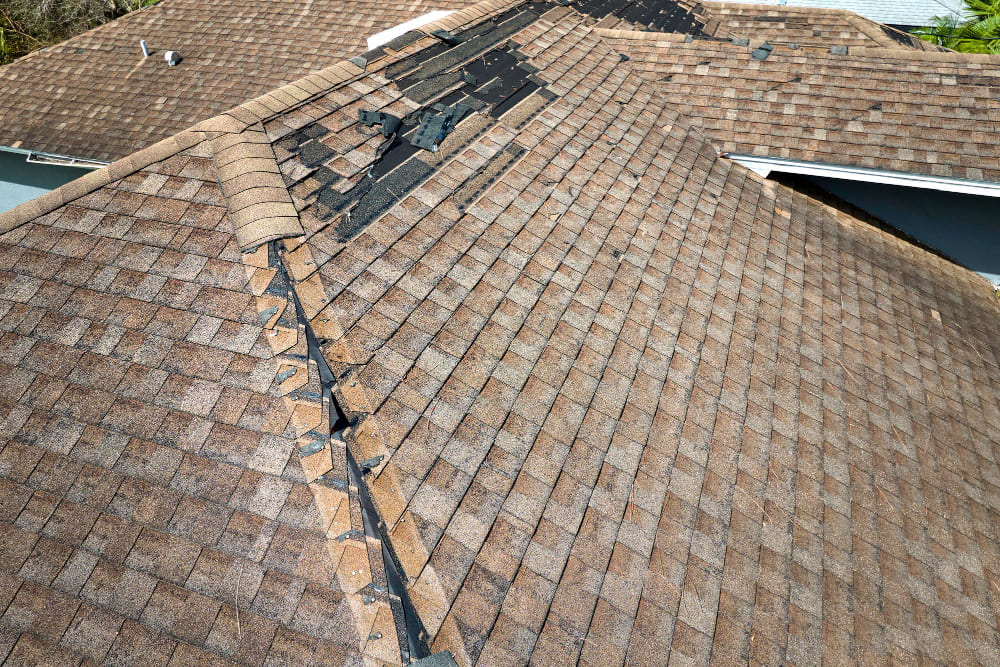
High winds move through Poughkeepsie, the sky clears, and the roof looks fine from the driveway. That is exactly how wind damage works. Shingles lift, crease, and settle back into place. Flashing shifts a fraction of an inch. Nothing looks wrong until the next hard rain finds the opening.
A wind damage roof inspection is a systematic check of the areas wind stresses most: shingle edges, eaves, rakes, ridge caps, flashing, fasteners, gutters, and the attic below.
Done from the ground and the attic within days of a windstorm, a wind-damaged roof inspection catches broken seals and loosened components before water intrusion starts.
Here is what to check, where to look, and when the findings call for a professional.
Quick Facts
- Wind damage concentrates at roof edges, rakes, and ridge caps, not the middle of the roof field.
- Creased or lifted shingles leak later even when no shingles are missing.
- The National Weather Service classifies winds of 58 mph or higher as severe, but shingle damage can begin below that threshold.
- Inspect within days of the storm, from the ground and attic only.
- Interior stains with no visible exterior damage signal a professional inspection is needed.
Why Wind Damage Is Easy to Miss Until It Becomes a Leak
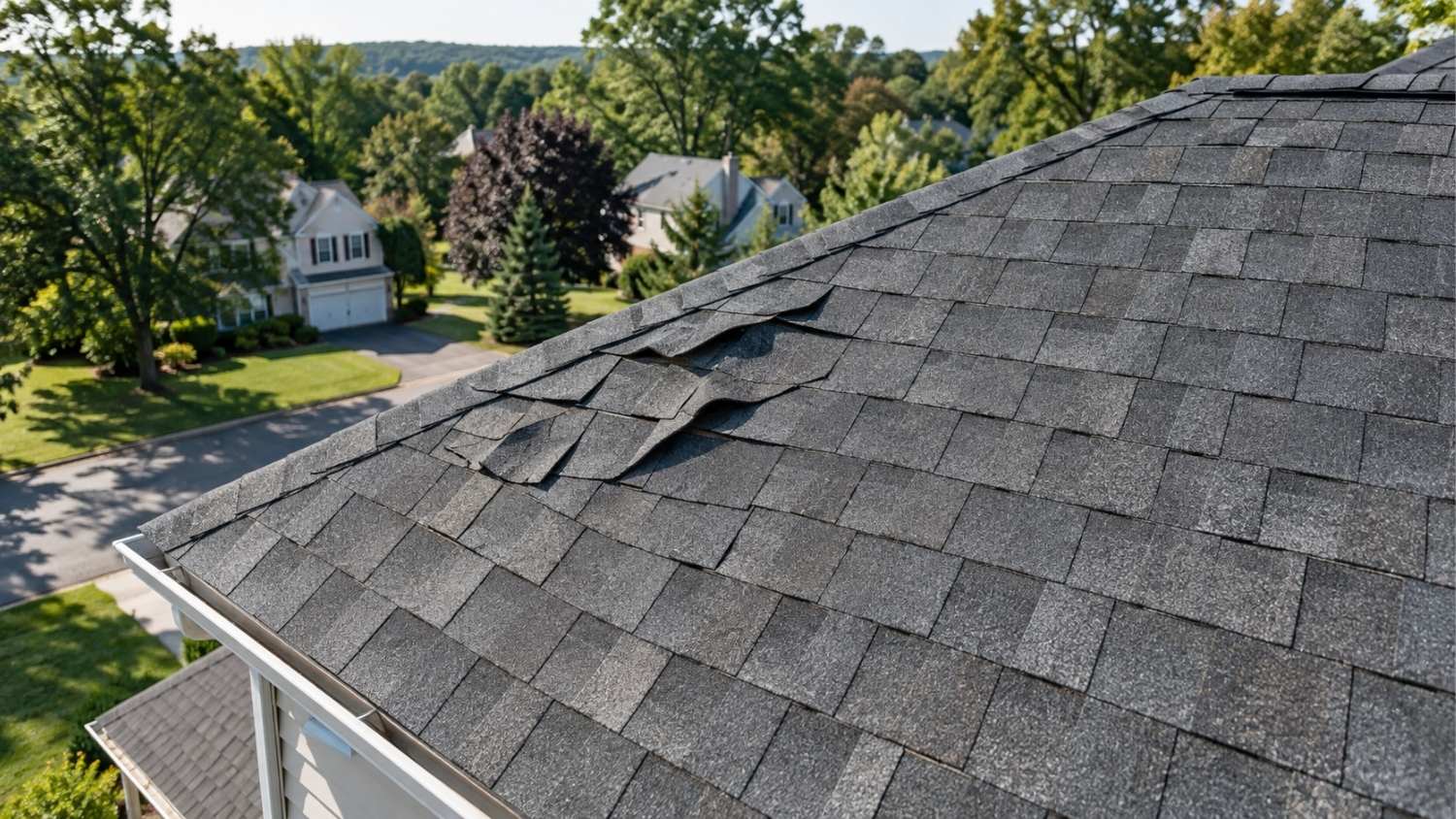
Wind damage rarely looks dramatic. Wind uplift breaks the adhesive seal between shingle courses without tearing the shingle off, which leaves the roof looking intact while its water-shedding ability is compromised. That gap between damage and visible evidence is why post-storm inspection matters.
The physics work against the roof edges first. As wind moves over a house, negative pressure builds along eaves, rakes, corners, and the ridge. Those zones experience uplift forces far stronger than the roof field, which is why a storm can strip ridge caps while leaving the center slopes untouched.
The wind speeds involved are common in the Hudson Valley.
The National Weather Service defines a severe thunderstorm as one producing winds of 58 mph or higher, causing structural damage, and NOAA research classifies damaging straight-line winds as those exceeding 50 to 60 mph. Nor’easters, summer microbursts, and gusty cold fronts push Dutchess County roofs into that range multiple times a year. Older roofs with weakened sealant bonds can sustain damage at speeds well below severe thresholds.
Where Wind Hits a Roof Hardest
Wind damage follows a predictable pattern. Checking these seven areas covers the failure points that matter most after high winds in Poughkeepsie.
Lifted, Creased, or Flipped Shingles
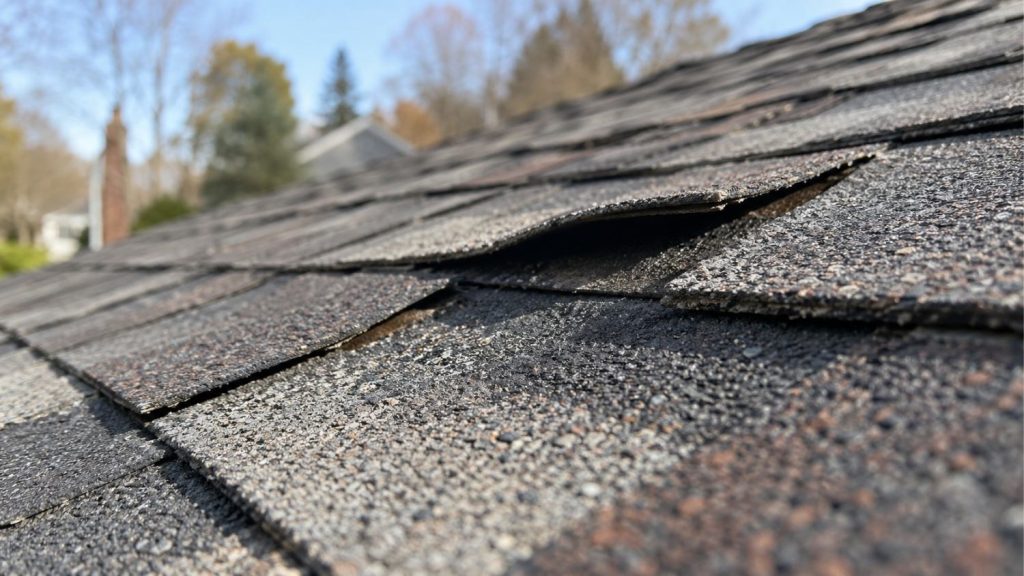
A shingle that lifted in the wind and settled back down often carries a horizontal crease line across its face. The crease means the shingle folded backward, breaking both the sealant bond and the mat inside. Creased shingles may stay in place for months, then tear off or leak during the next storm.
Damage Along Eaves, Rakes, and Roof Edges
The first course of shingles at the eaves and the shingles running up the gable edges (the rakes) take the strongest uplift. Look for edges that appear slightly raised, wavy, or misaligned compared to the courses above them. Bent or detached drip edge metal along these lines is another wind signature.
Missing or Loose Ridge Caps
Ridge caps sit at the highest point of the roof and face wind from every direction. Missing caps expose the ridge cut, and on vented ridges, the opening beneath. Even one displaced cap creates a direct water path into the attic.
Flashing Movement at Chimneys and Sidewalls
Wind-driven pressure can lift step flashing at roof-to-wall transitions and pull counterflashing away from chimney masonry. A gap of a quarter inch is enough to admit wind-driven rain. Look for flashing that appears bent, separated, or no longer sitting flat against the surface it protects.
Exposed or Backed-Out Fasteners
Repeated shingle flutter during high winds can work nails upward through the shingle above. A raised nail head telegraphs as a small bump in the shingle surface, and once the head breaks through, each fastener becomes a pinhole leak point.
Granules Collecting in Gutters and Downspouts
Wind scouring and shingle flutter accelerate granule loss. A noticeable layer of granules in the gutters or at downspout outlets right after a windstorm, especially on a roof under 15 years old, suggests the storm stressed the shingle surface beyond normal weathering.
Attic Moisture and Daylight After a Windstorm
The attic shows what the exterior hides. Pinpoints of daylight through the decking, damp insulation, or fresh water staining along rafters after wind-driven rain all point to an opening in the roof envelope, even when the shingles look fine from the yard.
How to Do a Wind Damage Roof Inspection From the Ground: Step-by-Step
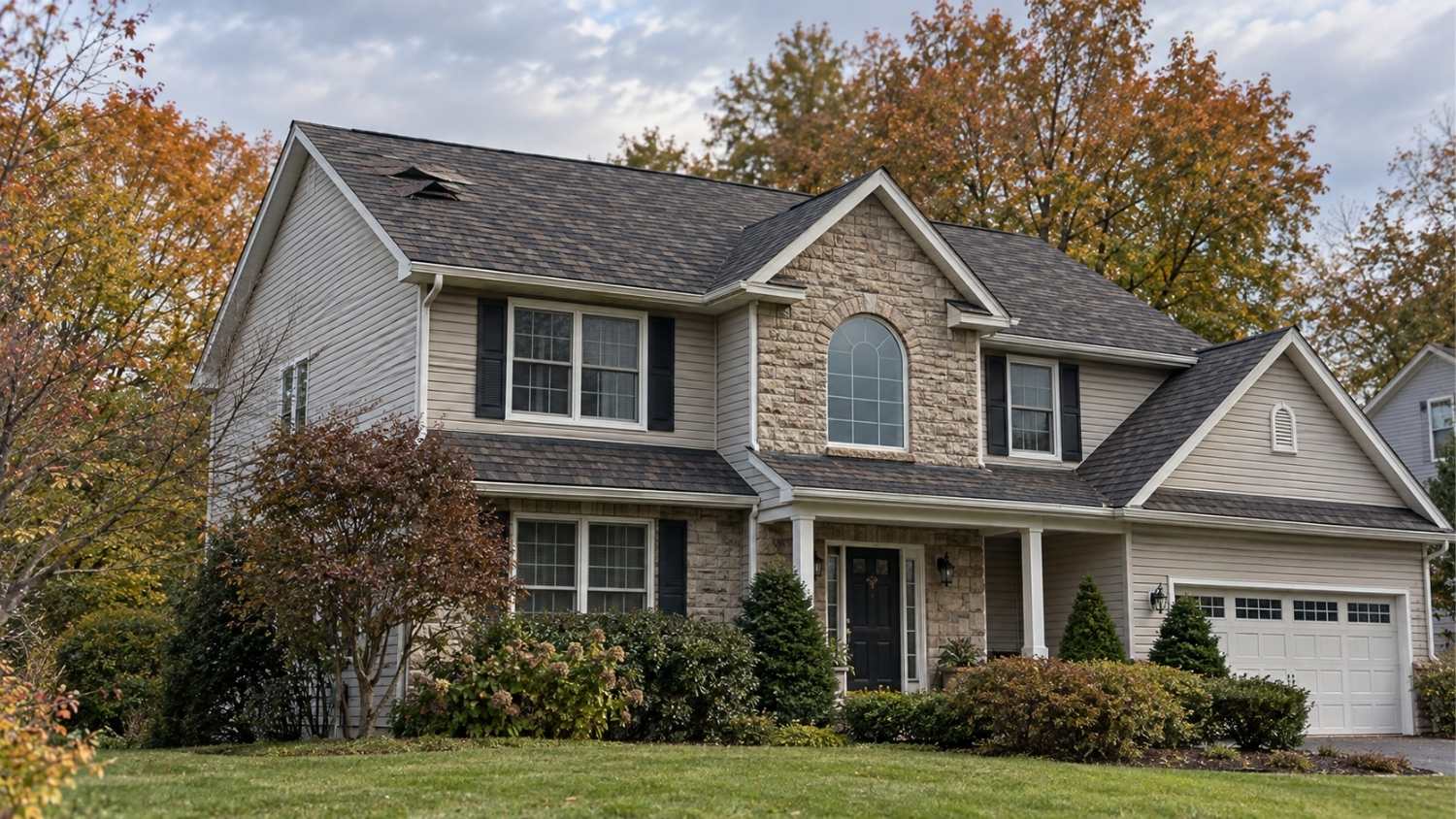
A homeowner inspection stays on the ground and in the attic. Walking a roof after a windstorm risks a fall and can worsen loosened materials. This six-step sequence covers what can be safely checked without ladder or roof access.
Step 1: Walk the Property Perimeter and Scan Each Roof Slope
Circle the house slowly and view every slope from multiple angles. Wind damage often affects only the slope that faced the storm, so a single vantage point misses half the picture. Note any areas where shingle lines look uneven, discolored, or raised.
Step 2: Check the Yard for Shingle Pieces and Debris
Shingle tabs, granule piles, ridge cap fragments, and drip edge sections on the lawn are direct evidence that material left the roof. Note where each piece landed, since debris location helps identify which slope it came from.
Step 3: Examine Roof Edges and Ridgelines With Binoculars
Binoculars turn a ground inspection into a detailed one. Trace the eaves, rakes, and ridge from end to end, looking for creases, lifted tabs, missing caps, and raised nail heads. Then check flashing lines at the chimney, sidewalls, and any skylights.
Step 4: Inspect Gutters, Downspouts, and Splash Blocks
Look inside the gutters for granule accumulation and check downspout outlets for granule washout. Also confirm the gutters themselves are still secure, since wind can loosen hangers and pull gutter runs away from the fascia.
Step 5: Check the Attic for Moisture, Stains, and Daylight
With the lights off, look for daylight through the decking. Then use a flashlight to check insulation for dampness and rafters for fresh staining, concentrating on the areas below the ridge, valleys, and chimney.
Step 6: Photograph Findings With Dates
Photograph anything abnormal, including yard debris, and keep the images dated. Time-stamped photos establish when the damage appeared, which matters if the findings later become part of an insurance conversation or a contractor’s written inspection report.
READ MORE: Top 6 Signs You Need Immediate Roof Repair Following a Storm
What Affects Wind Damage Roof Repair Scope and Cost
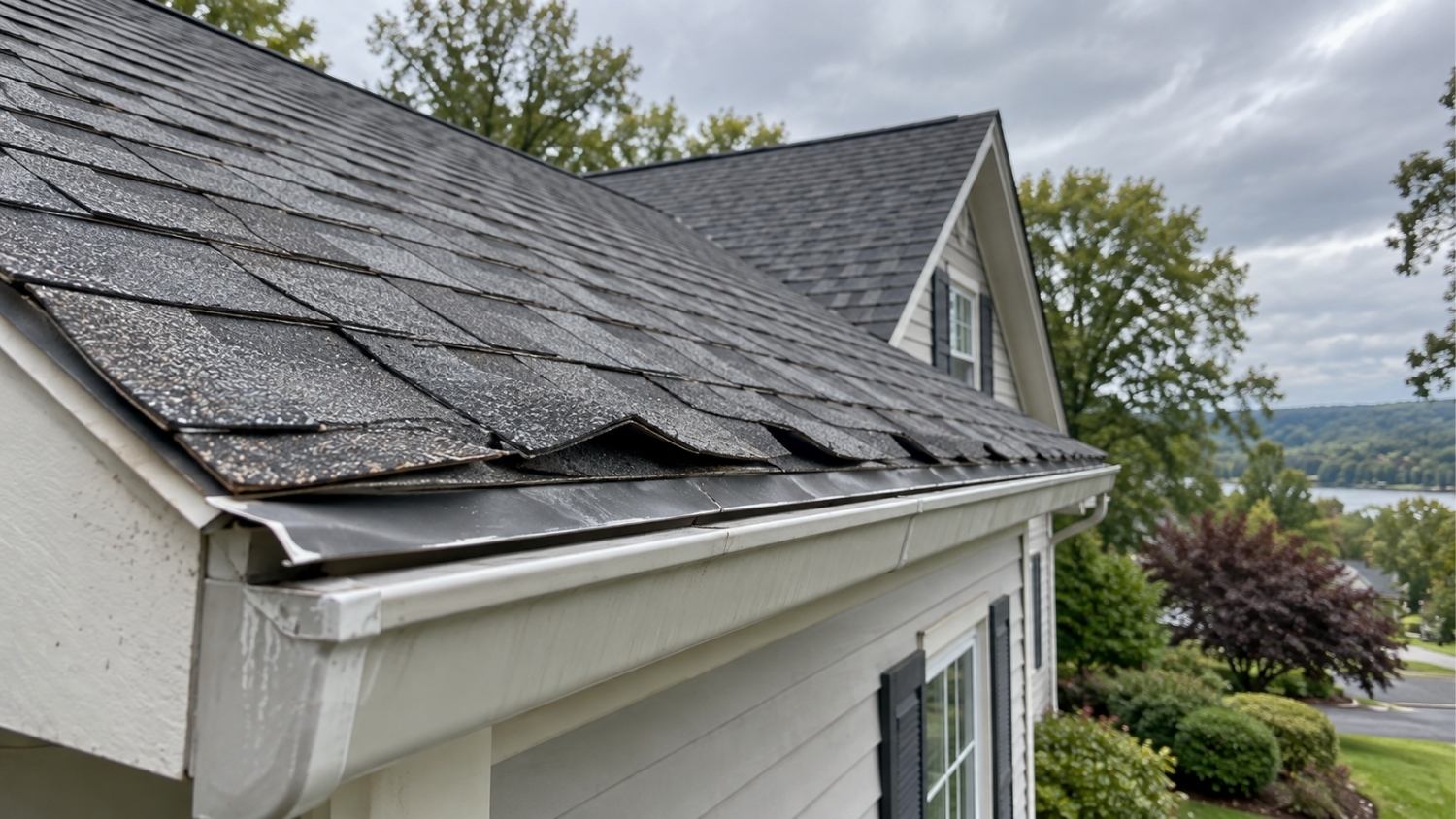
Wind damage roof repair can range from resealing a few lifted tabs to replacing full sections of shingles, flashing, and decking. No single price applies, because the estimate depends on factors specific to each roof. A written, itemized estimate after a professional inspection is the only reliable number.
The main estimate-influencing factors include:
- Extent and location of the damage. A handful of creased shingles on one slope is a smaller scope than edge damage running the length of the eaves or displaced ridge caps across multiple ridgelines.
- Roof age and shingle condition. Repairs on an aging roof with brittle shingles often expand mid-job, since surrounding shingles can crack during the work. On roofs near the end of their service life, widespread wind damage may shift the conversation toward replacement.
- Weather windows for the work. Asphalt shingle repairs seal best in moderate temperatures, so late-season windstorms can compress the scheduling window before winter.
- Whether the damage becomes an insurance matter. Sudden wind damage may fall under a homeowners policy, while gradual wear does not. Coverage depends on the individual policy, and a documented professional inspection report helps clarify what an adjuster is evaluating.
A local roofing contractor can inspect the specific damage, explain which factors apply, and provide a firm written estimate for the actual scope.
Frequently Asked Questions
What wind speed causes damage to a roof?
Damage risk rises sharply once winds reach the 50 to 60 mph range, and the National Weather Service classifies winds of 58 mph or higher as severe. However, older roofs or shingles with weakened adhesive seals can sustain lifting and creasing at lower speeds, especially along edges and ridgelines where uplift forces concentrate.
How soon after high winds should a roof be inspected?
Within a few days of the storm is the practical target. Prompt inspection catches broken seals before the next rain exploits them, and dated photos taken close to the storm establish a clear timeline. Waiting weeks allows secondary water damage to develop and makes the cause harder to trace.
Can wind damage affect gutters and siding too?
Yes. The same uplift and debris impact that damage shingles can loosen gutter hangers, bend downspouts, crack siding panels, and pull soffit or fascia sections out of alignment. Checking these components during the same walk-around gives a complete picture of what the storm affected.
Does a metal roof handle high winds better than asphalt shingles?
Metal roofing systems, particularly standing seam with concealed fasteners, generally offer strong wind uplift resistance because the panels interlock rather than relying on adhesive seal strips. Performance still depends on proper installation and fastening. Homeowners in wind-exposed locations sometimes weigh metal as a long-term option when replacement is already needed.
Will one missing shingle really cause a leak?
It can. A missing shingle exposes the underlayment and the nail line of the course beneath it. Underlayment is a secondary barrier, not a permanent one, and sun exposure degrades it quickly. A single missing shingle is a small repair when addressed promptly and a leak path when ignored.
Need a Wind Damage Roof Inspection in Poughkeepsie, NY?
Lyndsey Roofing, LLC is a locally owned roofing and exterior contractor serving homeowners across Dutchess, Orange, Putnam, and Eastern Ulster Counties, with GAF Master Elite certification and an A+ BBB rating.
If high winds have moved through your area, schedule a free inspection and get a clear answer on what the storm did to your roof.