Choosing the right metal roof panel comes down to budget, durability, and how you want your home to look. Standing seam is the premium option with concealed fasteners. R-panel is a durable, economical workhorse that is commonly used on agricultural and commercial buildings. Corrugated panels offer a rustic look at a lower cost and are often considered more DIY-friendly.
If you’re searching for the best roofing company near me in Poughkeepsie, NY, knowing these differences helps you compare quotes based on the panel system.
WHAT’S IN THIS GUIDE
QUICK FACTS
 Standing seam: Premium, concealed fasteners, modern look. Corrugated: Lower cost, rustic, exposed-fastener upkeep. R-panel: Durable, economical, best for utility roofs. Compare bids in Poughkeepsie by system and scope, not price.
3 Main Types of Metal Roof Panels
If you’re trying to choose between metal panel styles, most homeowner decisions come down to three common profiles. Each one handles water, fasteners, and curb appeal a little differently, which is why it’s helpful to understand the basics before you compare bids.
1. Standing Seam Panels
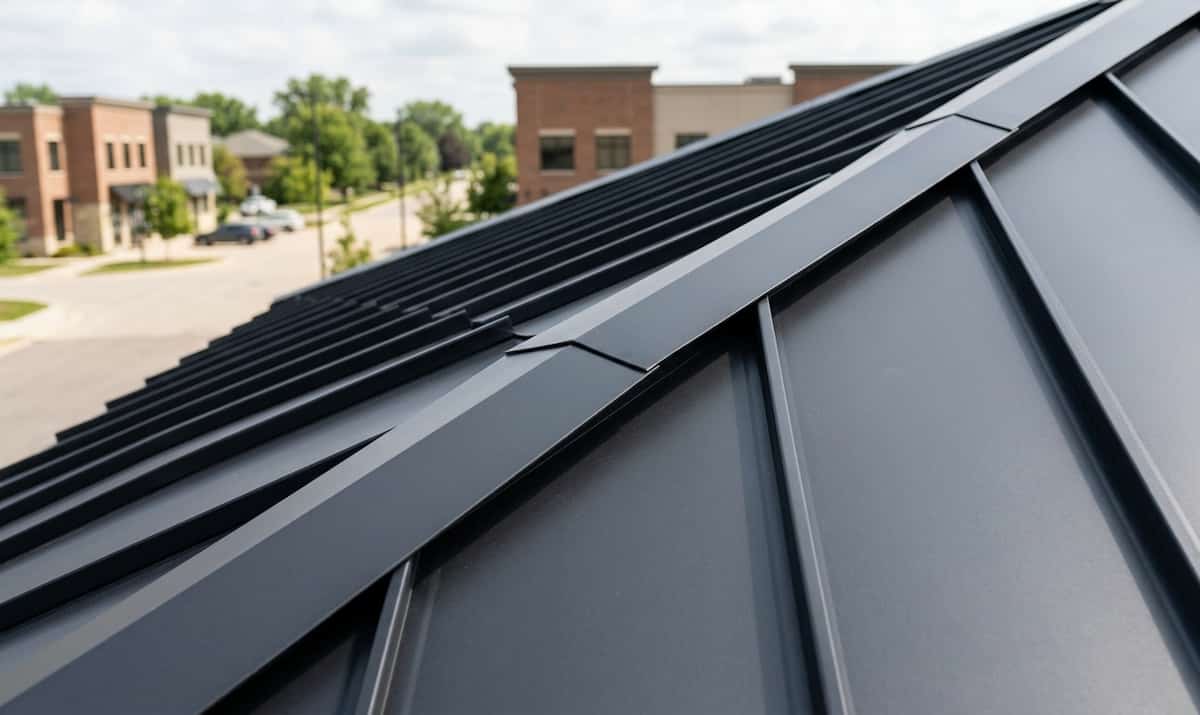
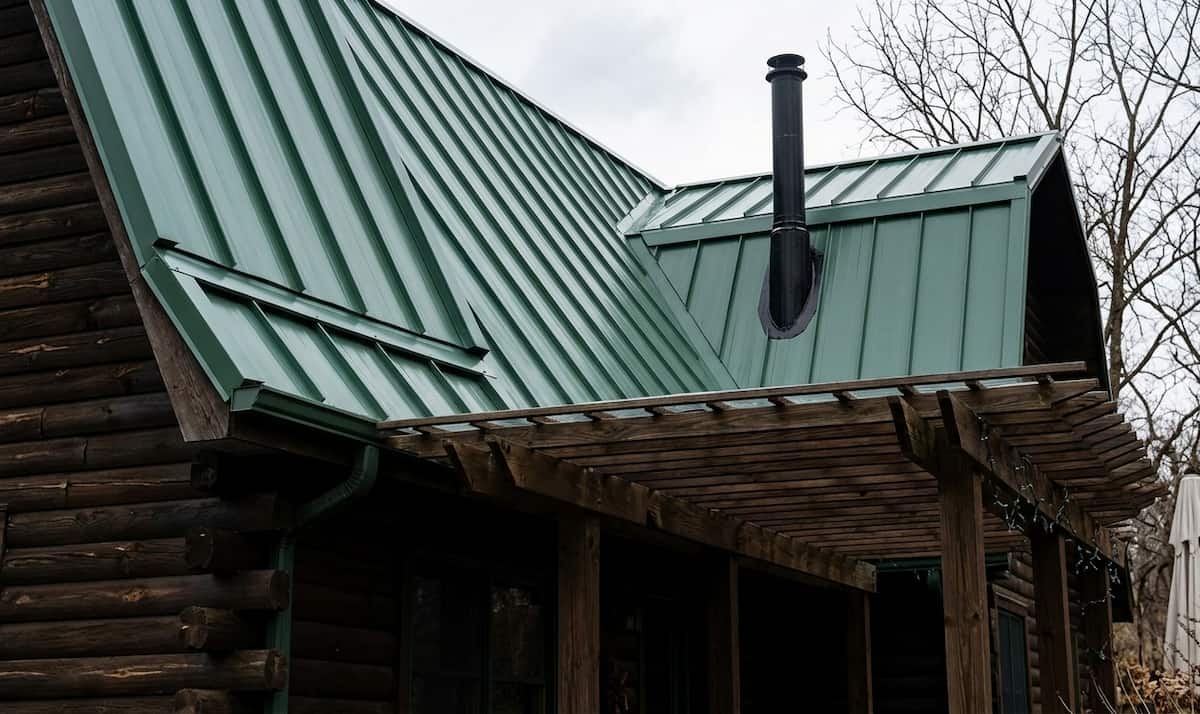
Standing seam panels connect with vertical, raised seams, and the attachment is typically concealed. These systems are often chosen for modern homes because they create a clean roof surface and help protect fasteners from direct weather exposure.
Common Standing Seam Styles
Homeowners asking about standing seam metal roof types are usually comparing seam design and attachment method. Here are the most common options you’ll hear about:
- Snap-lock standing seam: Panels snap together at the seams. This is commonly used on steeper-slope residential roofs where a secure, clean look is the goal.
- Mechanically seamed standing seam: Seams are folded and locked with a seaming tool for a tighter connection. This is often specified when extra seam security is a priority.
- Clip-fastened systems: Panels attach with clips that secure the roof while allowing controlled movement as temperatures change, helping manage expansion and contraction.
Pros
Standing seam tends to appeal to homeowners who want performance and a polished look.
- Concealed-fastener protection: Fasteners and clips sit under the seams, reducing direct exposure to sun, rain, and snow.
- Modern curb appeal: Clean lines and fewer visible penetrations create a streamlined finish.
- Thermal movement accommodation: Clip systems are designed to let panels move slightly with temperature swings, which can support long-term performance.
Cons
Standing seam comes with advantages, but it also has practical considerations that affect budget and planning.
- Higher upfront cost: Materials and specialized labor typically cost more than exposed-fastener panels.
- More specialized detailing: Penetrations, transitions, and repairs often require experienced metal-roof workmanship.
- System choice matters: “Standing seam” covers multiple designs, and different standing seam metal roof types vary in seam geometry and attachment, so the details in the estimate matter.
Best-Fit Scenarios
Standing seam often fits homeowners who plan to stay in their home long-term, want a premium look, and prefer concealed-fastener protection. Industry research also supports long service life for coated steel standing seam roofs built to best practices, with expected service life ranging from 40-70 years in many environments.
2. Corrugated Panels
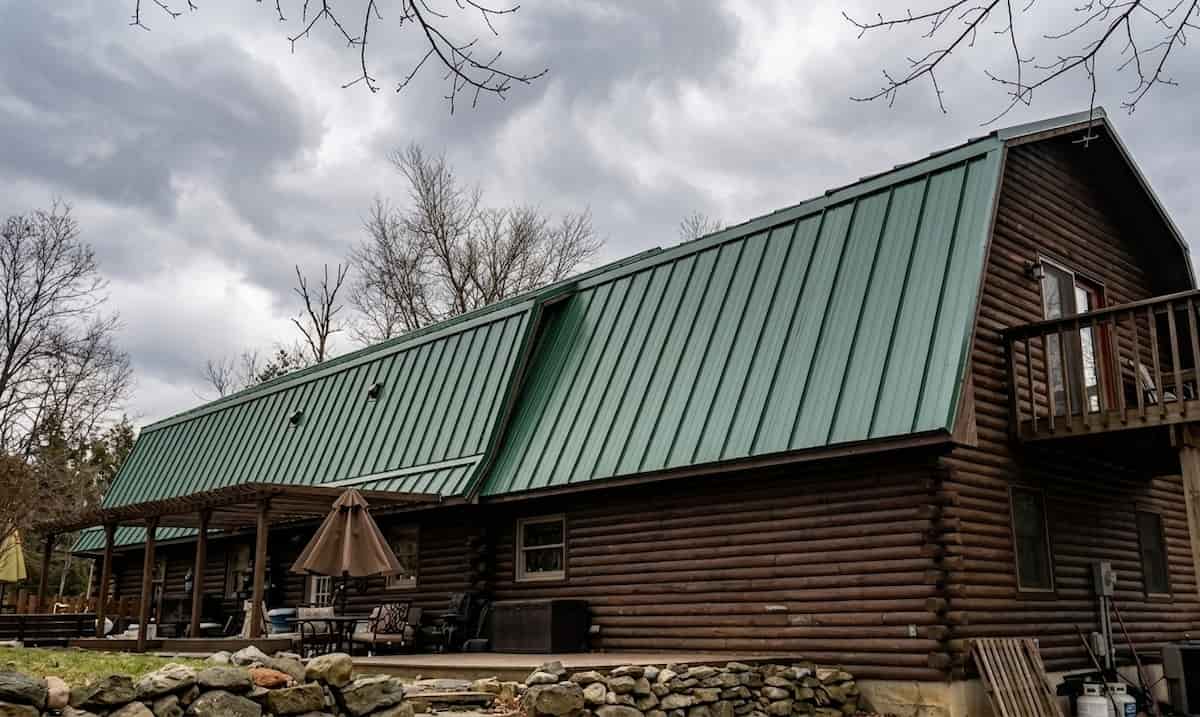
Corrugated panels have repeating waves. They are commonly installed as exposed-fastener panels, which helps keep costs down and makes them widely available.
Pros
Corrugated panels can be a smart choice when cost and simplicity are top priorities.
- Typically lower material cost: Corrugated panels are widely available and often come in at a lower price point than standing seam systems.
- Simpler install on basic rooflines: Straight roof planes often require fewer custom trim pieces and less complex detailing.
- Typically lower material cost: Corrugated panels are widely available and often come in at a lower price point than standing seam systems.
- DIY-friendly reputation: Many homeowners consider corrugated for sheds, porch roofs, and garages because it’s easier to source and commonly installed with exposed fasteners.
Cons
The trade-off for affordability is that performance depends heavily on installation quality and ongoing upkeep.
- Exposed fasteners are maintenance-sensitive: Through-fastened systems rely on proper screw placement and washer condition to stay watertight over time.
- Style limitations: The profile can feel too “agricultural” for some neighborhoods, home styles, or HOA expectations.
- Noise misconceptions: A well-built roof assembly can be quiet, but underlayment, decking, and attic insulation do more for sound control than the panel profile alone.
Best-Fit Scenarios
Corrugated often makes sense for rustic-style homes, detached garages, porch roofs, and homeowners who want a cost-effective metal look without paying for concealed-fastener detailing.
Extreme precipitation has increased about 60% in the Northeast, making flashing and water management critical regardless of panel choice
3. R-Panel Roofing
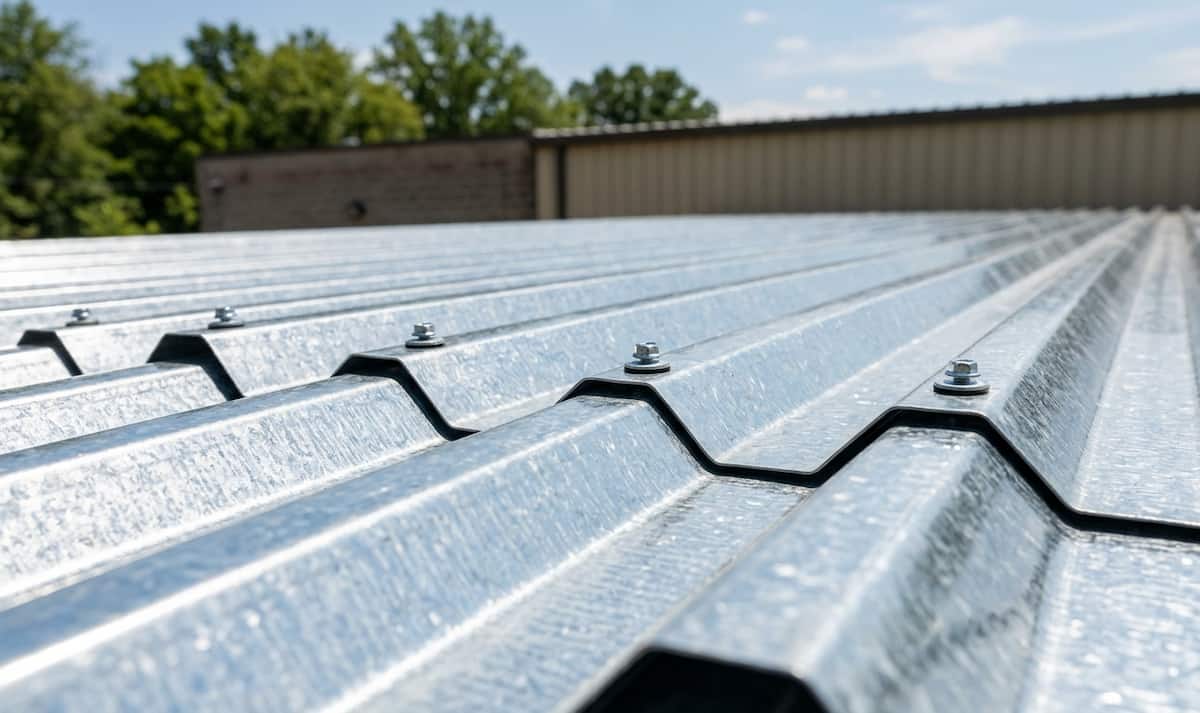
R-panel has a more squared-off, ribbed profile. Like corrugated in many installations, R-panel roofing is often through-fastened with exposed fasteners, which makes it an economical and durable option for simpler roof shapes and more utility-focused structures.
Pros
R-panel is often chosen for straightforward performance and cost control.
- Durable, economical performance: The ribbed profile is strong, practical, and built for tough conditions.
- Good fit for utility-focused structures: Common on workshops, garages, pole barns, and additions where function is the priority.
- Easy to source: R-panel is a standard option in many markets because of its widespread commercial and agricultural use.
- Durable, economical performance: The ribbed profile is strong, practical, and built for tough conditions.
Cons
Like other exposed-fastener systems, R-panel is only as good as the detailing and installation.
- More utilitarian curb appeal: An R-panel metal roof can read more industrial than standing seam on a traditional home.
- Exposed-fastener maintenance: Long-term watertightness depends on correct fasteners, washer condition, and periodic inspections.
- Detailing matters a lot: Transitions, edges, and penetrations are common leak points, so flashing scope and craftsmanship matter.
- More utilitarian curb appeal: An R-panel metal roof can read more industrial than standing seam on a traditional home.
Best-Fit Scenarios
R-panel roofing often fits homeowners who want a value-forward metal solution for garages, workshops, and barn-style structures, or for modern-industrial homes where the ribbed look matches the architecture.
If you’re considering an R-panel metal roof for a main residence, confirm roof slope, flashing approach, and local code requirements with a qualified professional before committing.
Standing Seam vs. Corrugated Metal Roof vs. R-Panel: Side-by-Side Comparison
Homeowners often start by researching standing seam vs corrugated metal roof options, then add R-panel once they realize it’s another common profile with a different look and price point. Here’s a straightforward comparison:
| Feature | Standing Seam | Corrugated | R-Panel |
|---|---|---|---|
| Typical Price | Higher | Lower | Lower to Mid |
| Fasteners | Usually Concealed | Often Exposed | Often Exposed |
| Look | Modern, Clean Lines | Rustic, Classic Ribbing | Utility, Boxy Ribs |
| Maintenance | Often Lower Visible Fastener Maintenance | Periodic Fastener Checks | Periodic Fastener Checks |
| Best Use | Primary Residence, Premium Aesthetic | Rustic Homes, Porches, Outbuildings | Garages, Workshops, Ag-Style Builds |
| Standing Seam | |
| Typical Price | Higher |
| Fasteners | Usually concealed |
| Look | Modern, clean lines |
| Maintenance | Often lower visible fastener maintenance |
| Best Use | Primary residence, premium aesthetic |
| Corrugated | |
| Typical Price | Lower |
| Fasteners | Often exposed |
| Look | Rustic, classic ribbing |
| Maintenance | Periodic fastener checks |
| Best Use | Rustic homes, porches, outbuildings |
| R-Panel | |
| Typical Price | Lower to mid |
| Fasteners | Often exposed |
| Look | Utility, boxy ribs |
| Maintenance | Periodic fastener checks |
| Best Use | Garages, workshops, ag-style builds |
How to Choose the Right Metal Roof Panel for Your Home
Choosing between the main types of metal roof panels is easier when you follow a simple process. These steps keep the decision focused on what matters for your home, not just what looks good on a sample board.
Step 1: Define Your Top Priority
Start by picking one main driver. This keeps you from comparing systems that are built for different goals.
- Budget control
- Lowest visible maintenance
- Modern aesthetics
- Value-focused durability
- Budget control
Step 2: Match the Panel to Your Home’s Style and Roof Geometry
Before you decide between panel profiles, look at the roof itself. Complex rooflines with multiple valleys, dormers, chimneys, or skylights require more flashing and precision detailing, which can influence which system is the best fit and who should install it.
Step 3: Factor in Hudson Valley Weather and Water Management
In the Hudson Valley, your panel choice should account for real-world conditions like wind-driven rain, freeze-thaw cycles, and snow. Underlayment, ice-and-water protection strategies, and high-quality flashing details often matter as much as the panel profile for long-term performance.
Step 4: Ask About Fasteners, Underlayment, and Flashing, Not Just Panel Type
Even if you’re set on an R-panel metal roof or you’re comparing standing seam vs corrugated metal roof, the install details make or break the system. Ask:
- What underlayment system is specified and why
- How penetrations are flashed (vents, chimneys, skylights)
- How thermal expansion and contraction are handled (clips, fastening approach, manufacturer requirements)
Step 5: Compare Quotes Apples-to-Apples
A solid estimate should spell out the panel system, trim package, flashing scope, and warranty coverage. This is where searching for the best roofing company near you becomes practical: you’re not only comparing price, you’re comparing workmanship, materials, and how clearly the scope is defined.
Mistakes Homeowners Make When Comparing Metal Roof Panels
Metal roofing quotes can look similar on the surface, but small spec and detailing differences can have a big impact on cost, maintenance, and long-term performance. These are the most common pitfalls homeowners run into when comparing options.
- Choosing only by panel name: “Standing seam,” “corrugated,” and “R-panel” are categories, not a complete specification. Different standing seam metal roof types can perform differently based on seam method and attachment.
- Ignoring fastener strategy: Exposed fasteners require correct installation and an inspection plan to manage washer aging and seasonal movement.
- Underestimating flashing scope: Leaks are more about transitions than field panels, especially around chimneys, walls, and skylights.
- Assuming weather is the same as it used to be: With more intense rainfall events documented across the Northeast, water management details deserve more attention than ever.
Frequently Asked Questions (FAQs)
Is standing seam better than corrugated?
It depends on your priorities. Standing seam is usually “better” for homeowners who want a premium look and concealed-fastener protection, while corrugated is typically more budget-friendly and easier to install but often uses exposed fasteners that may need periodic checks.
Is a standing seam metal roof worth it?
A standing seam metal roof can be worth it if you want long-term durability, lower visible fastener maintenance, and a modern finish. It tends to cost more upfront than other types of metal roof panels, so the value is highest for homeowners planning to stay in their home longer.
What is the life expectancy of a corrugated metal roof?
A corrugated metal roof can last for decades, but life expectancy depends heavily on panel thickness, coating quality, installation, and maintenance. Exposed fasteners and washers are often the main long-term maintenance factor.
Do you need plywood under a standing seam metal roof?
Not always. Some standing seam metal roof types can be installed over solid decking like plywood, while others may be installed over specific substrates depending on the system and local code. Your roofer should confirm what the manufacturer requires for your roof design.
Do you need a membrane under a metal roof?
Often, yes. Many metal roofs use an underlayment or membrane to help manage moisture, protect the roof deck, and reduce leak risk, especially around penetrations and transitions. The right choice depends on the panel system (standing seam vs corrugated metal roof vs R-panel roofing), slope, and local weather conditions.
Schedule a Metal Roof Panel Inspection in Poughkeepsie, NY, Today
If you’re weighing standing seam vs corrugated metal roof options or considering an R-panel metal roof for a garage or addition, the most useful next step is an inspection that confirms roof slope, ventilation, drainage paths, and flashing needs at chimneys, valleys, and penetrations.
For homeowners in Poughkeepsie, NY, Lyndsey Roofing, LLC can review your roof layout and recommend the right system for your goals, whether that’s a premium standing seam profile, value-focused R-panel roofing, or a rustic corrugated look.