What’s In This Guide
- Why a One-Line Roof Estimate Rarely Tells the Full Story
- Why an Incomplete Proposal Puts Your Home at Risk
- Warning Signs of an Incomplete or Rushed Estimate
- The Line Items a Detailed Roof Replacement Estimate Should Include
- What Affects a Roof Replacement Estimate?
- When to Call a Professional Roofing Contractor
- Frequently Asked Questions
- Ready to Compare a Detailed, Transparent Roofing Estimate?
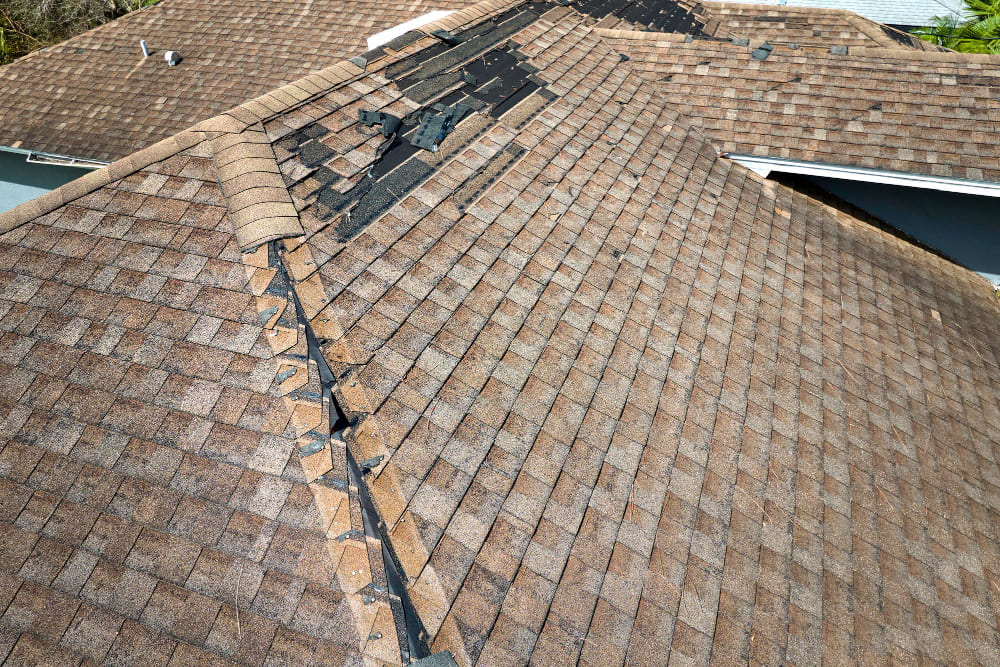
A roof replacement is one of the most significant investments you’ll make in your home, yet the process often begins with a piece of paper that leaves more questions than answers. For many homeowners, a one-line estimate might seem convenient, but it often masks critical gaps in scope, material quality, and long-term protection. When you’re weighing proposals for a project that impacts your home’s primary defense against the elements, clarity is a necessity.
Quick Facts
- Vague estimates hide costly gaps. Missing line items for tear-off, decking, or disposal often surface as change orders once the project is underway.
- Written proposals protect both parties. A clear scope of work, materials list, and payment schedule reduce disputes before they start.
- Warranty terms vary by system. Material and workmanship warranties are separate documents, and homeowners should understand both before signing anything.
- Comparing proposals helps reveal the market range. Reviewing two or three detailed bids helps homeowners spot underpricing that may signal skipped steps.
- Timeline gaps signal poor planning. A proposal without start dates or weather contingencies leaves scheduling to chance instead of a plan.
Why a One-Line Roof Estimate Rarely Tells the Full Story

A single number on a quote sheet doesn't tell a Hudson Valley homeowner what a roof contractor actually plans to do. A roof replacement involves dozens of individual tasks and material decisions, and a proposal that skips the details makes it hard to compare bids or catch problems before work begins.
A detailed roof replacement estimate should include tear-off scope, decking inspection terms, underlayment and flashing specifications, ventilation plans, cleanup and disposal responsibilities, warranty coverage, payment terms, and a realistic project timeline. Anything less leaves room for surprises once a crew is already on the roof.
Why an Incomplete Proposal Puts Your Home at Risk
A roof system is the primary barrier protecting a home's structure, insulation, and interior finishes from the weather outside. When a proposal glosses over specifics, homeowners lose the ability to verify that the contractor has planned for the roof’s actual risks.
Homeowners face more risk when a contractor is chosen based on advertising alone instead of verified, documented work. A written estimate that spells out every task gives homeowners a factual basis for comparison instead of relying only on a sales pitch.
Freeze-thaw cycles and heavy seasonal snowfall across Dutchess, Orange, Putnam, and Eastern Ulster Counties put real demands on flashing, underlayment, and attic ventilation. An estimate that skips these details can't account for how a roof will actually perform through a Hudson Valley winter.
Warning Signs of an Incomplete or Rushed Estimate
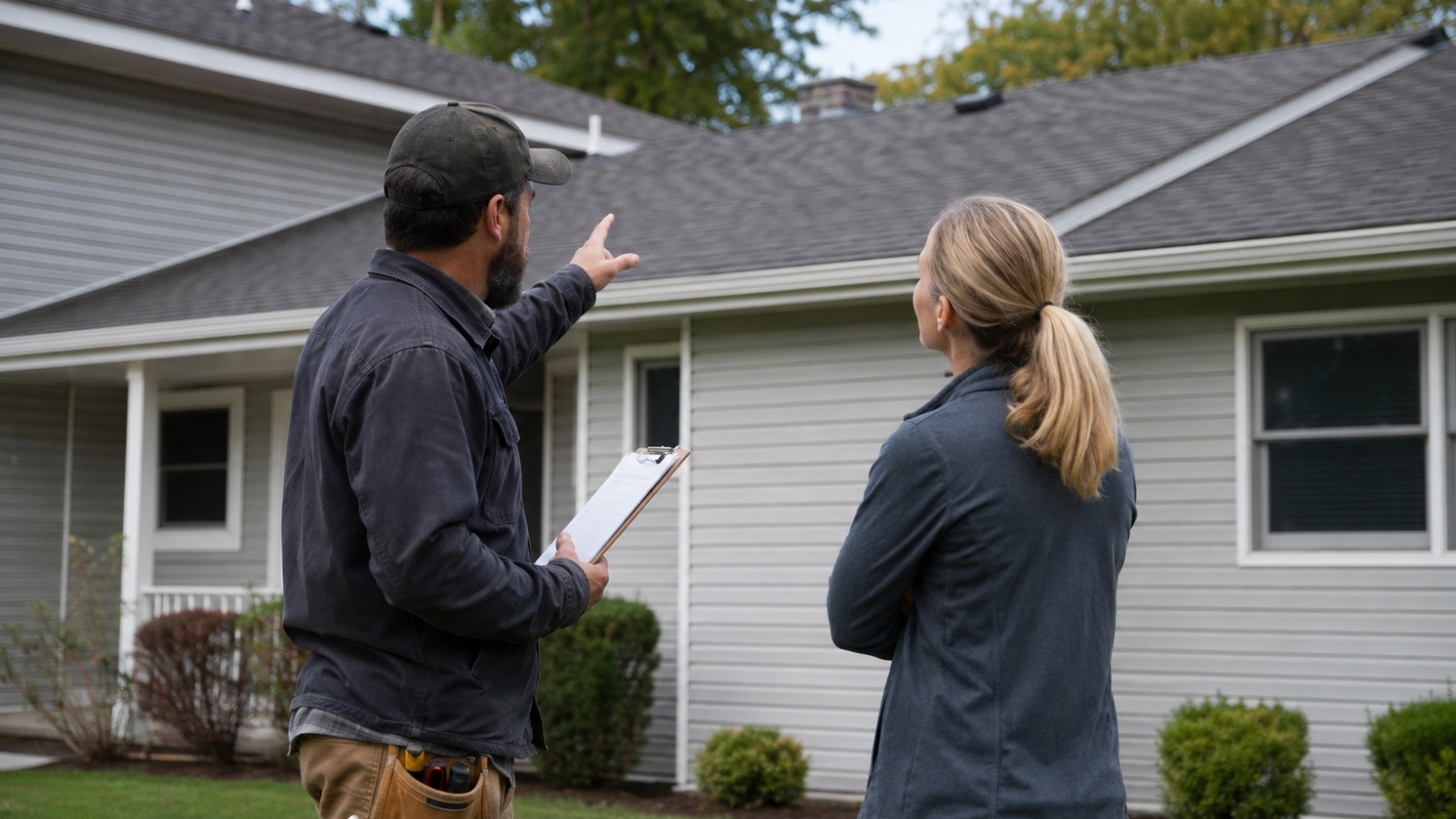
Certain gaps tend to repeat across underprepared bids. Homeowners comparing quotes in towns like Poughkeepsie, Wappingers Falls, Fishkill, or Newburgh should watch for these patterns before signing anything.
- No mention of decking conditions. A proposal that assumes the existing decking is sound without inspection language can lead to change orders once tear-off begins.
- Single lump-sum pricing with no breakdown. Estimates that combine materials, labor, and disposal into one number make it difficult to see what’s actually included.
- Missing ventilation details. Ridge vents, soffit vents, and the balance between intake and exhaust airflow are often left out, even though ventilation affects shingle life and moisture control.
- No stated warranty terms. A proposal without separate references to material and workmanship coverage leaves homeowners guessing about what happens if a problem develops later.
- Vague timelines. Language like “a few days” without a start date or weather contingency plan makes the project hard to schedule around.
Reputable roofing contractors typically provide a written proposal describing the scope of work in detail, including specifications, start and completion dates, and payment procedures. A proposal missing these elements should be clarified before the homeowner moves forward.
The Line Items a Detailed Roof Replacement Estimate Should Include
A thorough roofing proposal reads like a project plan. Homeowners can use this checklist to evaluate any roofing estimate for a pitched roof replacement.
-
- Tear-off scope. Confirmation of how many layers will be removed and how the crew will protect landscaping, siding, and gutters during removal.
- Decking inspection terms. A clause explaining how rotted or damaged decking will be identified, priced, and approved before replacement continues.
- Underlayment specification. The type of synthetic or felt underlayment, the areas where ice and water shield will be applied, and the details for vulnerable sections such as eaves and valleys.
- Flashing details. Plans for chimney flashing, valley flashing, and step flashing along walls or dormers, since these areas are common leak points.
- Ventilation plan. The intended intake and exhaust ventilation components and how they’ll balance attic airflow.
- Material specifications. Brand, product line, and color of shingles or roofing membrane, along with any manufacturer certifications tied to the installation.
- Cleanup and disposal terms. Confirmation that a magnetic nail sweep, debris removal, and dumpster placement are included in the scope.
- Warranty coverage. Separate documentation of the manufacturer’s material warranty and the contractor’s workmanship warranty, since these are not the same protection.
- Payment schedule. A clear breakdown of deposit amount, progress payments, and final payment terms tied to project milestones.
- Project timeline. Estimated start date, active installation duration, and language addressing weather-related delays common in the region.
READ MORE: 7 Essential Questions to Ask Your Contractor Before a Roof Replacement
What Affects a Roof Replacement Estimate?
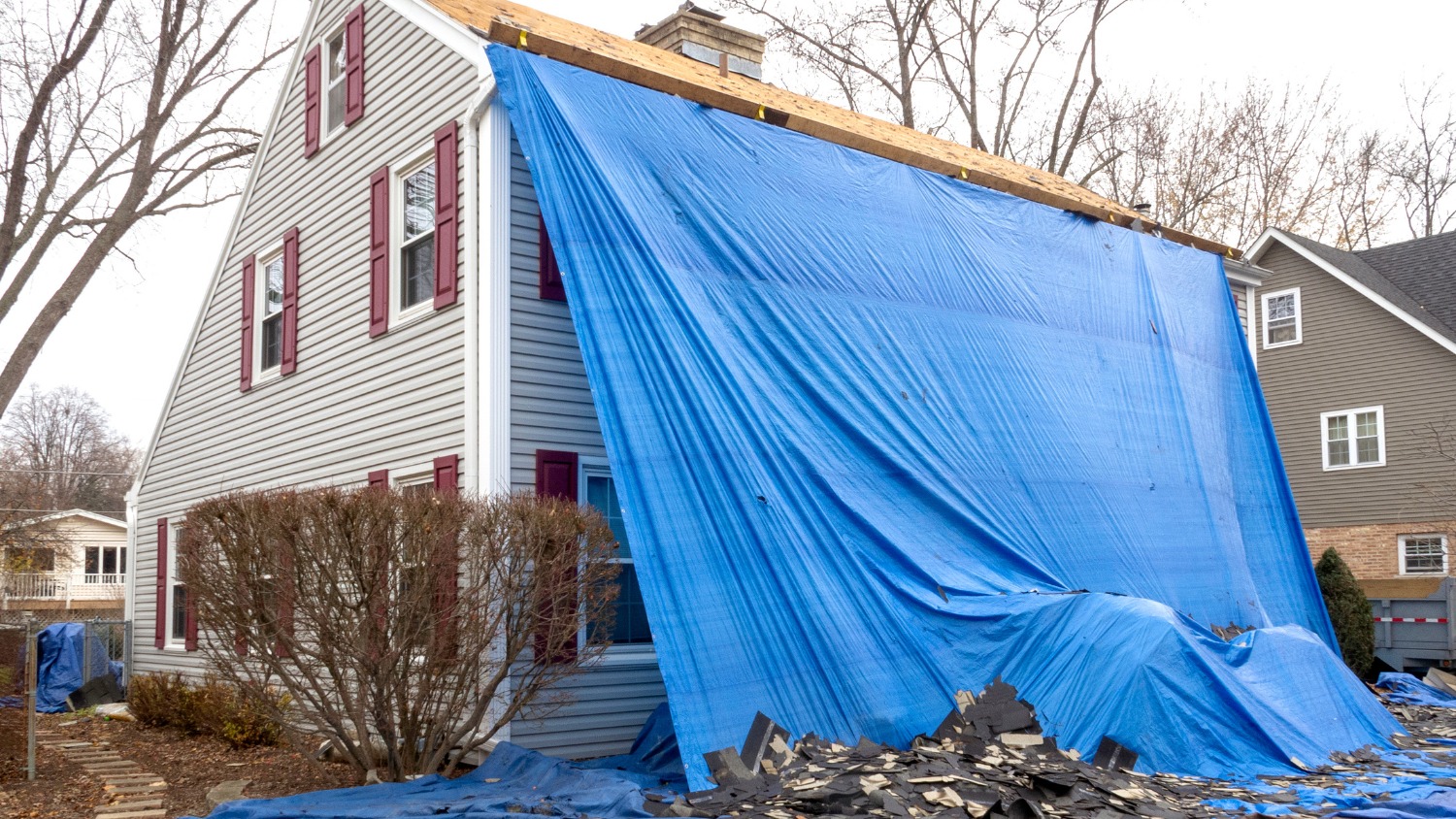
Roof replacement pricing depends entirely on the specific project, and no two estimates should look identical. Costs typically vary based on the roofing system chosen, roof size and pitch, decking condition, ventilation upgrades, accessibility, and the complexity of flashing details around chimneys, dormers, or valleys.
Rather than promising a fixed number upfront, a trustworthy proposal explains which factors are shaping the estimate and why. A few of the most common variables include:
- Roof size and pitch, which affect material quantities and labor time
- Existing decking condition, since replacing rotted sheathing adds cost that can’t be confirmed until tear-off
- Material selection, from asphalt shingles to metal roofing systems
- Access and site conditions, including steep slopes or limited driveway space for equipment
- Project complexity, such as multiple valleys, skylights, or chimney flashing work
Homeowners should expect a range that reflects their specific roof rather than a flat, one-size-fits-all figure.
When to Call a Professional Roofing Contractor
Homeowners should reach out to a licensed roofing contractor as soon as a proposal raises questions that can’t be answered in writing. A qualified contractor should be able to walk through every line item on-site and explain how it applies to that specific roof.
Getting written estimates from more than one qualified contractor can help homeowners avoid overpaying, underestimating the project, or missing important scope details, whether the work involves asphalt shingle replacement or a low-slope commercial system.
A professional inspection also catches structural or ventilation issues that can’t be assessed from the driveway. Decking condition, attic airflow, and flashing wear are often only visible once a contractor is physically on the roof.
Frequently Asked Questions
What is the difference between a roof estimate and a roofing contract?
An estimate outlines projected scope, materials, and pricing before work begins. A contract is the signed, binding agreement that legally commits both parties to those terms once approved. Having both documents helps you track the project from initial budgeting through to the final installation.
Should a roofing estimate include a warranty in writing?
Yes. A detailed estimate should reference both the manufacturer’s material warranty and the contractor’s separate workmanship warranty, since these cover different aspects of the installation. Always ask for copies of these documents to verify exactly what protection is included with your new roof.
Why do roofing estimates vary so much between contractors?
Estimates vary based on the materials specified, labor approach, decking assumptions, and whether tear-off, disposal, and ventilation work are fully included in the scope. Lower bids often exclude essential steps or use lower-quality materials to cut costs, which can lead to problems down the road.
What should I do if my estimate doesn’t mention the decking condition?
Ask the contractor directly how decking will be inspected and how any needed repairs will be priced and approved before the project starts. This prevents unexpected change orders later and ensures you know the potential costs upfront if damaged plywood or sheathing is discovered.
How many roofing estimates should I get before deciding?
Reviewing two to three detailed, written proposals gives homeowners enough information to compare pricing, materials, and workmanship without relying on a single quote. This range allows you to gauge a fair market price for your specific project while helping you avoid contractors who might be cutting corners.
Ready to Compare a Detailed, Transparent Roofing Estimate?
Lyndsey Roofing, LLC in Poughkeepsie, NY, has served homeowners and property managers across the Hudson Valley since 2015, backed by GAF Master Elite and President’s Club 2-Star certifications, Owens Corning Preferred Contractor status, and Elevate licensed contractor credentials.
A detailed, written estimate is the clearest way to know exactly what a roof replacement includes before work begins. Contact us to schedule an on-site inspection and receive a proposal built around your home’s actual condition.