What’s in This Guide
- What Does a Roof Inspection for an Insurance Claim Document?
- Why Detailed Documentation Matters for Roof Damage Claims
- The Six Things a Professional Inspection Report Records
- How to Prepare for a Post-Storm Roof Inspection
- When Should the Inspection Happen After Wind, Hail, or a Leak?
- What the Inspection Report Does and Does Not Determine
- Frequently Asked Questions
- Need a Documented Roof Inspection After a Storm in the Hudson Valley?
A nor'easter moves through, shingles end up in the yard, and a stain spreads across the bedroom ceiling. Before any repair or claim conversation goes far, one document carries most of the weight: the inspection report.
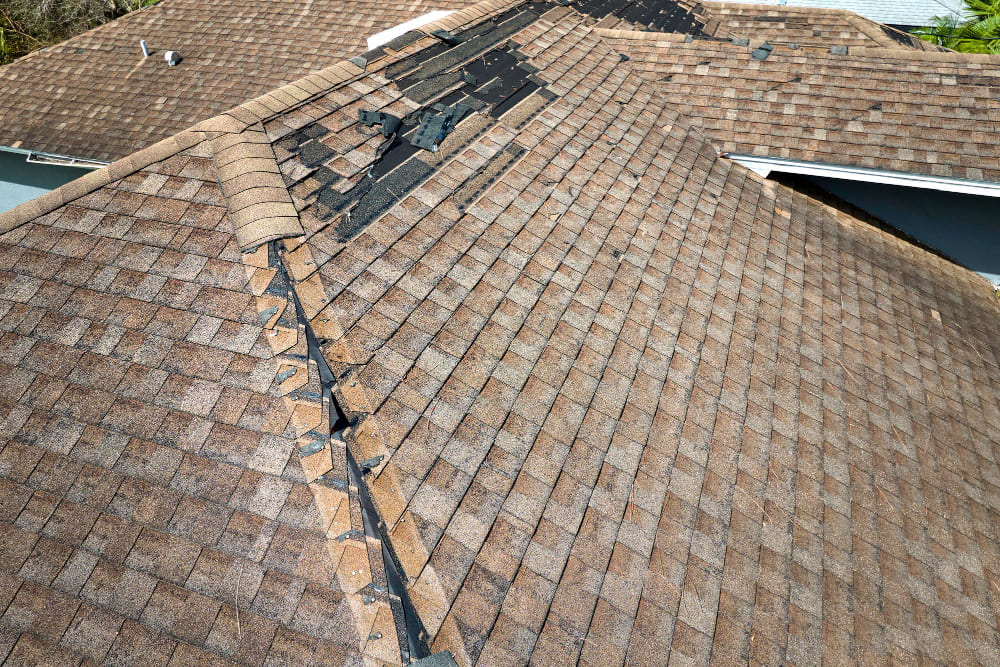
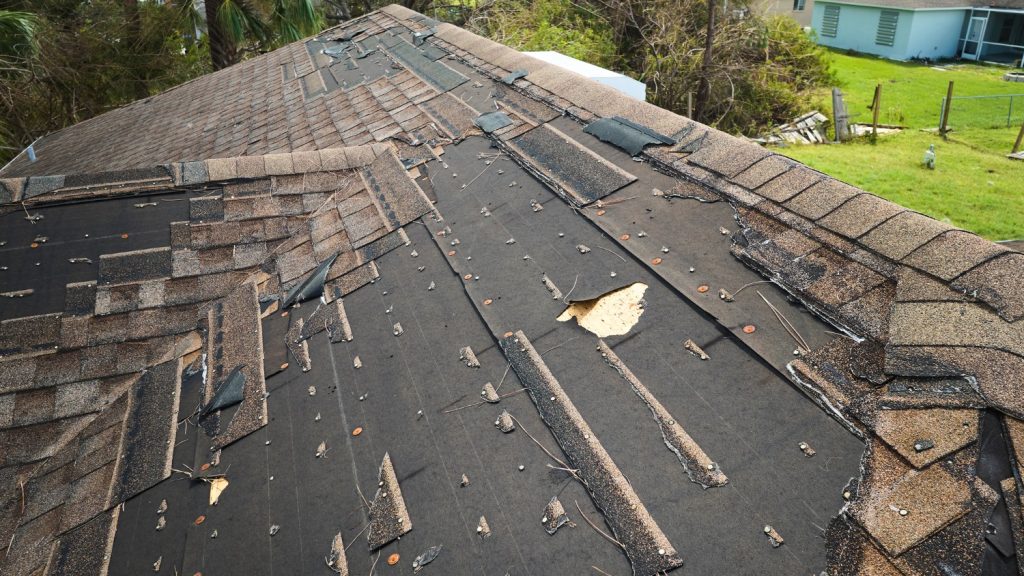
A professional roof inspection for an insurance claim creates a factual, dated record of what the roof looks like after wind, hail, or a leak. It does not decide what a carrier will pay. It establishes what an adjuster, a contractor, and a homeowner are all looking at when they evaluate roof damage claims.
Here is what that report actually contains, how the documentation process works, and why timing matters for Hudson Valley homeowners.
Quick Facts
- Dated photographs and slope-by-slope damage mapping anchor the report
- Inspection timing matters most in the days after a storm or leak
- Reports describe storm damage and age-related wear separately
- Documentation supports roof damage claims but never decides coverage
- Most policies expect prompt insurer notification after a loss
What Does a Roof Inspection for an Insurance Claim Document?

A professional inspection report records visible damage with dated photographs, identifies the affected roof areas and components, describes the observed conditions, notes the possible cause, outlines repair recommendations, and states when the inspection occurred relative to the storm or leak. The report is factual documentation. Coverage decisions belong to the insurance carrier, not the contractor.
Think of the report as the roof’s medical chart after an event. Every party involved in the claim, including the homeowner, the adjuster, and the repair crew, works from the same written record instead of memory and phone descriptions.
Why Detailed Documentation Matters for Roof Damage Claims
Roof conditions change quickly after a storm. A creased shingle today can tear off in the next wind event, water finds new paths through exposed underlayment, and Hudson Valley freeze-thaw cycles widen small openings within weeks. A dated report preserves what the damage looked like close to the event, before weather and time blur the picture.
Documentation also supports the claim process itself. The New York State Department of Financial Services advises homeowners to notify the insurance company promptly after a loss, follow up in writing, and keep copies of all correspondence. A written inspection report with photographs fits directly into that record-keeping approach and gives the adjuster concrete material to evaluate.
The Six Things a Professional Inspection Report Records
Report formats vary by contractor, but a thorough post-storm inspection report generally covers six areas.
Dated Photographs of Visible Damage
Photographs are the backbone of the report. A complete photo set includes wide shots that establish each roof slope, close-ups of individual damage points, and interior images of ceiling stains, wet insulation, or attic moisture when a leak is involved. Every image should carry a date, and many contractors also note the location on the roof where each photo was taken.
Affected Areas and Components
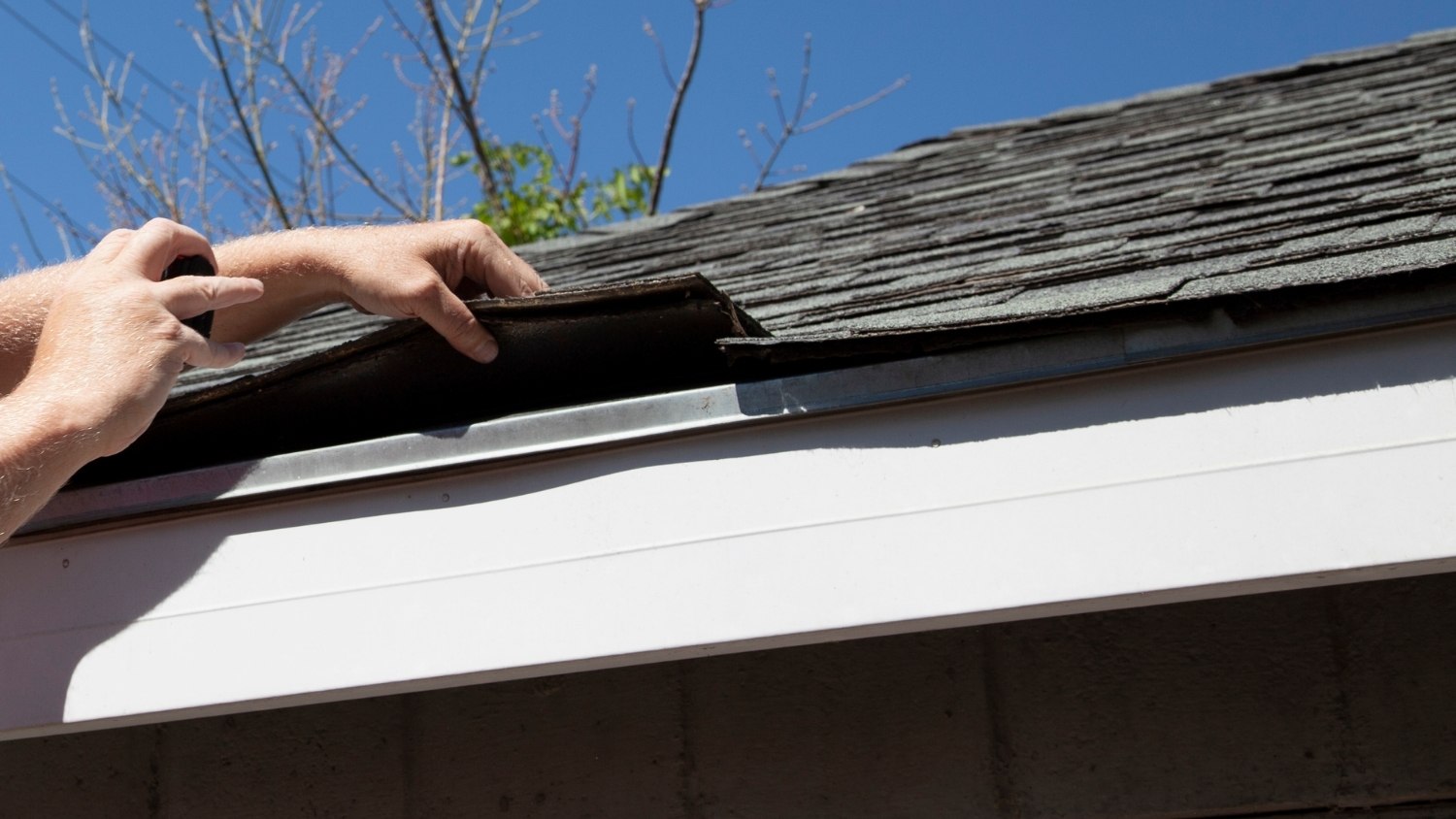
The report maps where damage appears, not just that damage exists. That means identifying the specific slopes and elevations involved, along with the components affected: shingles, flashing, ridge caps, vents, pipe boots, gutters, and any siding or trim struck by debris. Precise mapping helps define repair scope and shows whether damage is isolated or spread across the roof field.
Observed Conditions at the Time of Inspection
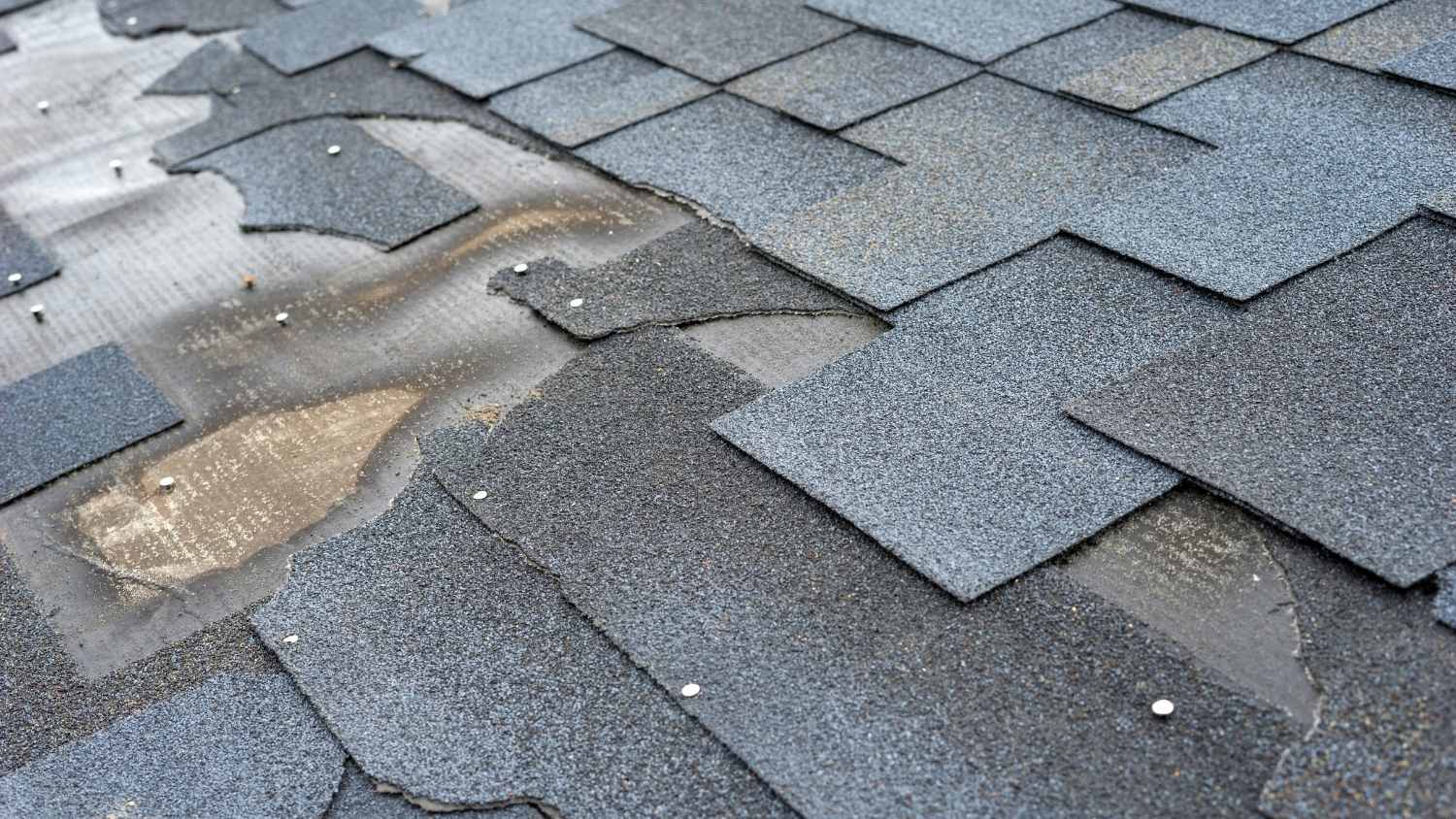
This section describes what the inspector actually sees in neutral, factual language. Examples include creased or lifted shingle tabs, circular impact marks, granule loss exposing the base mat, separated flashing at a chimney, or saturated decking visible from the attic. Good reports state conditions without exaggeration, because overstated findings undermine credibility with adjusters.
Possible Cause Notes
Damage patterns often point toward a cause. Shingles creased in a consistent direction may indicate wind uplift, while random circular bruising across a slope may indicate hail. Inspectors can strengthen these observations by referencing the storm date, since the NOAA Storm Events Database records severe weather by county and date. Cause notes are professional observations, not final determinations, and a careful report frames them that way.
Repair Recommendations and Scope
Based on the findings, the report outlines the recommended path: targeted repair, section replacement, or full replacement when damage is widespread or the roof is near the end of its service life. If emergency tarping or other temporary protection was installed, the report documents that work as well, since mitigation steps are part of the claim record.
Inspection Timing Relative to the Event
Finally, the report states when the inspection took place compared to the storm or the first sign of the leak. A short gap between event and inspection makes the connection between the two easier to evaluate. A long gap invites questions about what happened in between, which is one more reason not to sit on visible damage.
READ MORE: What Does Roof Hail Damage Look Like? Signs You Shouldn’t Ignore
How to Prepare for a Post-Storm Roof Inspection
A little preparation on the homeowner’s side makes the inspection faster and the resulting report more complete. Work through these steps before the contractor arrives.
-
- Write down the event details. Note the date and approximate time of the storm, or the day the leak first appeared, while the details are fresh.
- Gather your roof records. Installation paperwork, prior repair invoices, and warranty documents help the inspector establish the roof’s age and history.
- List every interior symptom. Record where stains, drips, or musty odors appear inside the home, including rooms the inspector might not otherwise check.
- Keep receipts for emergency protection. If tarps or other temporary measures are already in place, hold onto the receipts and note who did the work.
- Provide attic and perimeter access. Clear the attic hatch and the areas around the house so the inspector can evaluate decking from below and walk the full exterior.
- Request the report in writing. Confirm up front that the inspection will produce a written report with dated photographs, not just a verbal summary and a quote.
When Should the Inspection Happen After Wind, Hail, or a Leak?
Schedule the inspection as soon as conditions are safe, ideally within days of the event. Wind damage roof insurance claims often depend on connecting specific damage to a specific dated storm, and that connection weakens as weeks pass and new weather moves through.
Leaks carry their own urgency. Water that has already reached a ceiling has usually been traveling through the roof system for some time, and each additional rain event pushes moisture deeper into insulation, framing, and drywall. An early inspection identifies the entry point before interior damage compounds.
Hail damage deserves special attention because it rarely looks urgent from the ground. Bruised shingles can shed granules gradually for months before a leak ever appears, which is why a professional roof-level inspection after any significant hail event is worth scheduling even when everything looks fine from the driveway.
What the Inspection Report Does and Does Not Determine
A roof inspection report documents the condition of the roof and the visible findings at the time of inspection. It provides supporting information, but it does not make insurance coverage or claim decisions.
- Documents visible damage: The report identifies what was observed, where the damage appears, and the condition of affected roofing materials.
- Creates a record of conditions: Photos, notes, and inspection details can establish what the roof looked like when it was evaluated.
- Separates damage from existing wear: A thorough report may distinguish possible storm-related damage from aging, deterioration, or other pre-existing conditions.
- Does not determine insurance coverage: Whether homeowners insurance covers roof damage depends on the cause of loss and the terms of the individual policy.
- Does not approve claims or set payouts: The insurance carrier and adjuster make decisions about coverage, claim approval, and payment amounts.
Frequently Asked Questions
Can a roof inspection be completed if the roof is unsafe to walk after a Hudson Valley storm?
A roof inspection for an insurance claim may still document visible conditions when direct roof access is limited. The contractor may use safer viewing methods and note any areas that could not be fully evaluated until conditions improve.
Should detached garages or outbuildings be included in a storm-damage inspection?
If other structures on the property may have been affected, homeowners can ask whether they should be included in the inspection scope. Documentation can be organized separately so visible conditions on each structure are easier to review.
Can a Poughkeepsie roof inspection document damage from fallen branches or storm debris?
Yes. An inspection may note visible impact areas, displaced materials, or related exterior damage after a storm. The report can describe what was observed without deciding whether the loss is covered by homeowners insurance.
Can homeowners request a digital copy of the inspection report and roof photos?
Usually. Homeowners may ask for an electronic copy of the written report and available photographs for their records. Keeping the files together can make roof damage claims, contractor discussions, and future property records easier to organize.
Can an inspection report still be useful after roof repairs are completed?
Yes. The original report can provide a record of the roof condition before work began. Hudson Valley homeowners may keep it with repair invoices, warranties, and completion records as part of the property’s longer-term roofing history.
Need a Documented Roof Inspection After a Storm in the Hudson Valley?
Lyndsey Roofing, LLC is a locally owned roofing and exterior contractor based in Poughkeepsie, NY. We provide roofing and exterior services for residential and commercial properties throughout the surrounding area. Our available services, project options, and financing may vary depending on the property and scope of work.
If you notice roof damage or signs of a leak, we recommend scheduling a professional assessment.