What’s In This Guide
- Why These Questions Matter Before You Sign Anything
- The 12 Questions to Ask Every Roofing Contractor
- Red Flags That Signal You Should Walk Away
- What Local Credentials Mean for Hudson Valley Homeowners
- Cost Estimates: What Affects Your Roofing Quote
- When to Call a Professional Roofing Contractor
- Frequently Asked Questions
- Ready to Hire a Roofing Contractor You Can Trust?
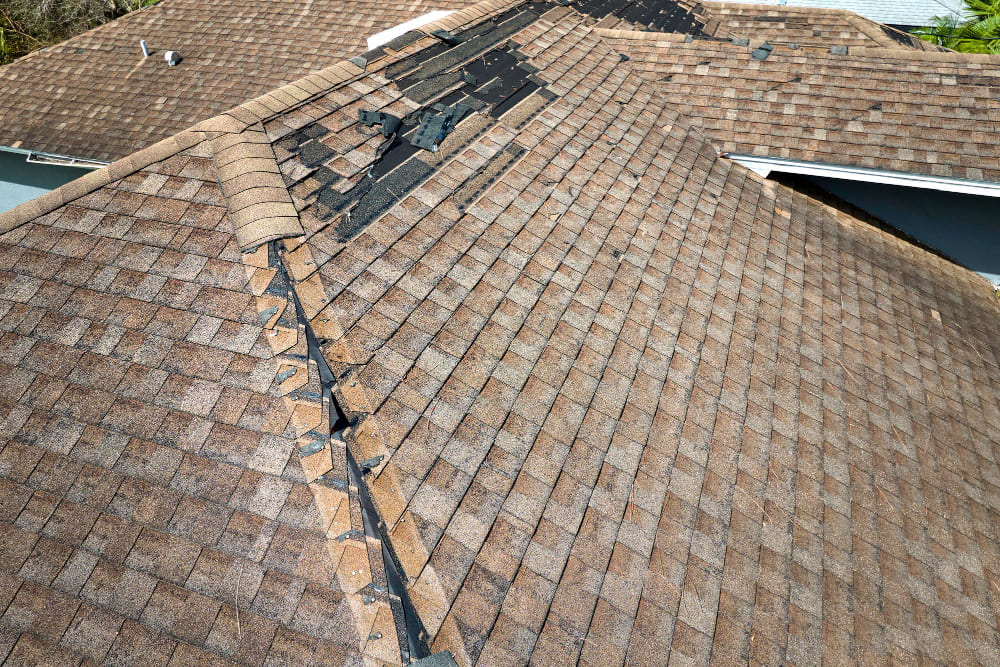
Searching for roof contractors usually means one of three things: you have a leak, a storm damage estimate to compare, or a roof old enough that replacement is on the horizon. In any case, the contractor you choose determines whether the next 20 to 30 years of protection go smoothly or turn into a costly headache.
Asking the right questions before signing anything is the fastest way to separate a qualified professional from someone with a truck, a ladder, and a sales pitch.
Quick Facts
- Licensing and registration rules vary by county and municipality. Verify local requirements before signing anything.
- Insurance certificates matter. A coverage gap can shift liability to you.
- Manufacturer certification may provide access to enhanced warranty options. Ask what coverage applies to your installation.
- Written contracts help prevent disputes. Put scope, materials, and payment terms on paper.
- Local references provide insight into recent workmanship and customer experience.
Why These Questions Matter Before You Sign Anything
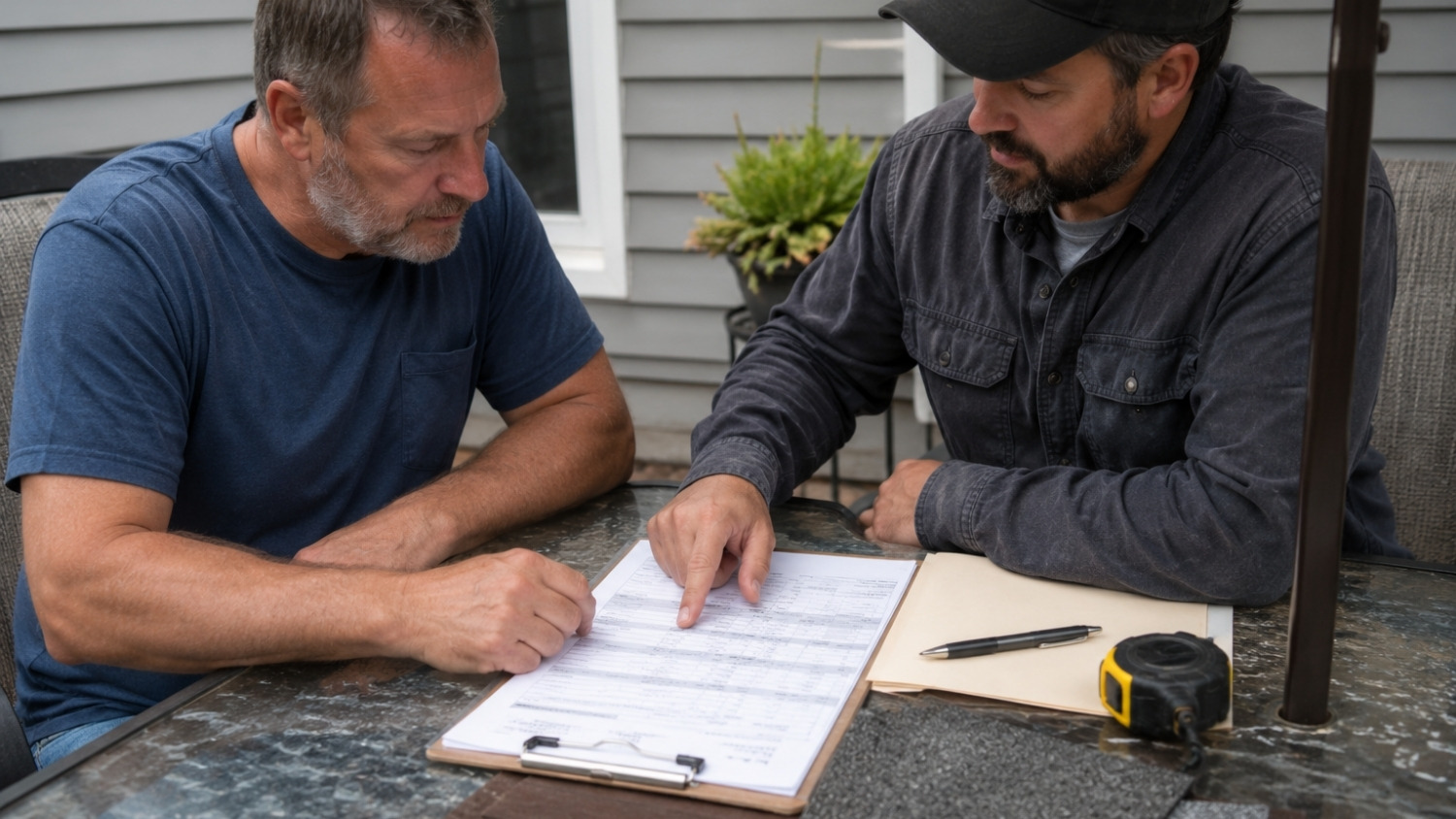
A roofing contract is one of the largest home service agreements most homeowners will sign, often running into the thousands of dollars for a full replacement. The questions you ask before hiring determine whether your roof holds up through Hudson Valley winters, whether your manufacturer warranty stays valid, and whether you have legal recourse if something goes wrong.
Skipping this step can leave homeowners with voided warranties, improperly licensed or registered subcontractors, or unresolved disputes after a project goes wrong. The New York State Attorney General's guidance on hiring a home improvement contractor warns that homeowners may face liability if a worker is injured or property is damaged while an uninsured contractor performs the work. That risk alone makes these questions worth discussing before signing a contract.
The 12 Questions to Ask Every Roofing Contractor
These questions fall into four categories. Work through them before accepting or signing a written estimate. A contractor who answers clearly and directly gives you a better indication of how the company operates on the job.
Questions About Licensing and Manufacturer Certification
1. Do you hold every license or registration required for work in my area?
New York does not issue a single statewide home-improvement contractor license. Licensing and registration requirements may be established at the county or municipal level, and they vary across the Hudson Valley. Ask the contractor which requirements apply to your project location, then verify the information with the appropriate local agency.
2. What manufacturer certifications do you hold, and what do they require?
Certifications from manufacturers such as GAF, Owens Corning, or Elevate are not granted automatically. Requirements vary by manufacturer and certification level but may include training, documented installation experience, insurance coverage, and compliance with specified application standards. Ask the contractor to identify the exact certification held and explain which warranty options it makes available.
3. How long has your company operated under the same ownership?
Longevity under one owner signals stability. A contractor who has weathered multiple winters, storm seasons, and material price swings in the same market has a track record you can actually check.
Questions About Insurance and Local Accountability
4. Can you provide current proof of insurance, such as general liability and workers' compensation?
This is non-negotiable. Request current certificates of insurance and confirm that the policies will remain active throughout your project. The National Roofing Contractors Association's guidance on selecting a contractor recommends requesting copies of both general liability and workers' compensation certificates and verifying that the coverage remains in effect for the full duration of the job.
5. Are you accredited with the Better Business Bureau, and what's your rating?
A BBB profile may show published complaints, customer reviews, accreditation status, and the company's responses. Review this information alongside recent feedback from multiple independent sources to better understand how the contractor handles customer concerns.
6. Can you provide three local references from jobs completed last year?
Ask for references from projects similar to yours and, ideally, completed within driving distance. A contractor with documented Hudson Valley experience should be able to connect you with recent local customers.
Questions About Materials, Warranty, and Workmanship
7. What warranties cover materials and workmanship?
These are two different forms of protection. A manufacturer's material warranty generally covers qualifying product defects, subject to its terms and exclusions. A workmanship warranty covers qualifying installation problems for the period specified by the contractor. Ask for both warranties in writing, including their coverage periods, exclusions, claim procedures, and conditions that could void coverage.
8. Will you provide a written contract with a detailed, itemized scope of work?
The contract should specify materials, brands, quantities, estimated start and completion dates, and payment terms. Verbal agreements provide little documentation or protection if a disagreement arises later.
9. How do you handle unexpected damage found once the old roof is removed?
Rotted decking, hidden leaks, and outdated ventilation are common discoveries during tear-off. A qualified contractor should explain how they document and price these findings before proceeding, rather than surprising you with change orders after the fact.
READ MORE: 7 Emergency Roof Repair Steps to Take After a Tree Falls on Your Roof
Questions About Process, Property Protection, and Communication
10. Will your direct employees or subcontracted crews install my roof?
Both arrangements can produce quality work, but you should know who will be working on your property and whether any subcontractors carry appropriate insurance coverage.
11. How will you protect my landscaping, siding, and driveway during the project?
Ask about tarping procedures, dumpster placement, and magnetic nail sweeps after tear-off. The contractor's property-protection plan can indicate how carefully the crew handles areas that may not appear in photos of the finished roof.
12. What is your process for roofing work involving a homeowner's insurance claim?
Storm-related roofing work may involve an insurance adjuster. An experienced contractor can document visible damage and provide a detailed estimate, but the insurance company determines whether the claim and specific repairs are covered under your policy.
Red Flags That Signal You Should Walk Away
Certain answers, or the absence of answers, should end the conversation immediately.
- Pressure to sign the same day, especially after an unsolicited storm-damage inspection.
- Refusal to provide a certificate of insurance, or reluctance to let you call the insurer to confirm it.
- Demands for full payment upfront, before any material has arrived or work has begun.
- No permanent business address or a phone number that only connects to a call center.
- Vague verbal promises instead of a written, itemized contract.
What Local Credentials Mean for Hudson Valley Homeowners
Not every certification displayed on a contractor's truck represents the same qualifications or warranty options. In the Hudson Valley, where winters can bring heavy snow and ice dams, a contractor's specific manufacturer certifications and local installation history provide more useful information than a general claim of experience.
Certification requirements vary by manufacturer and program. Some require ongoing training, minimum insurance coverage, installation standards, or other eligibility criteria that may affect the warranty options available for your project.
Cost Estimates: What Affects Your Roofing Quote
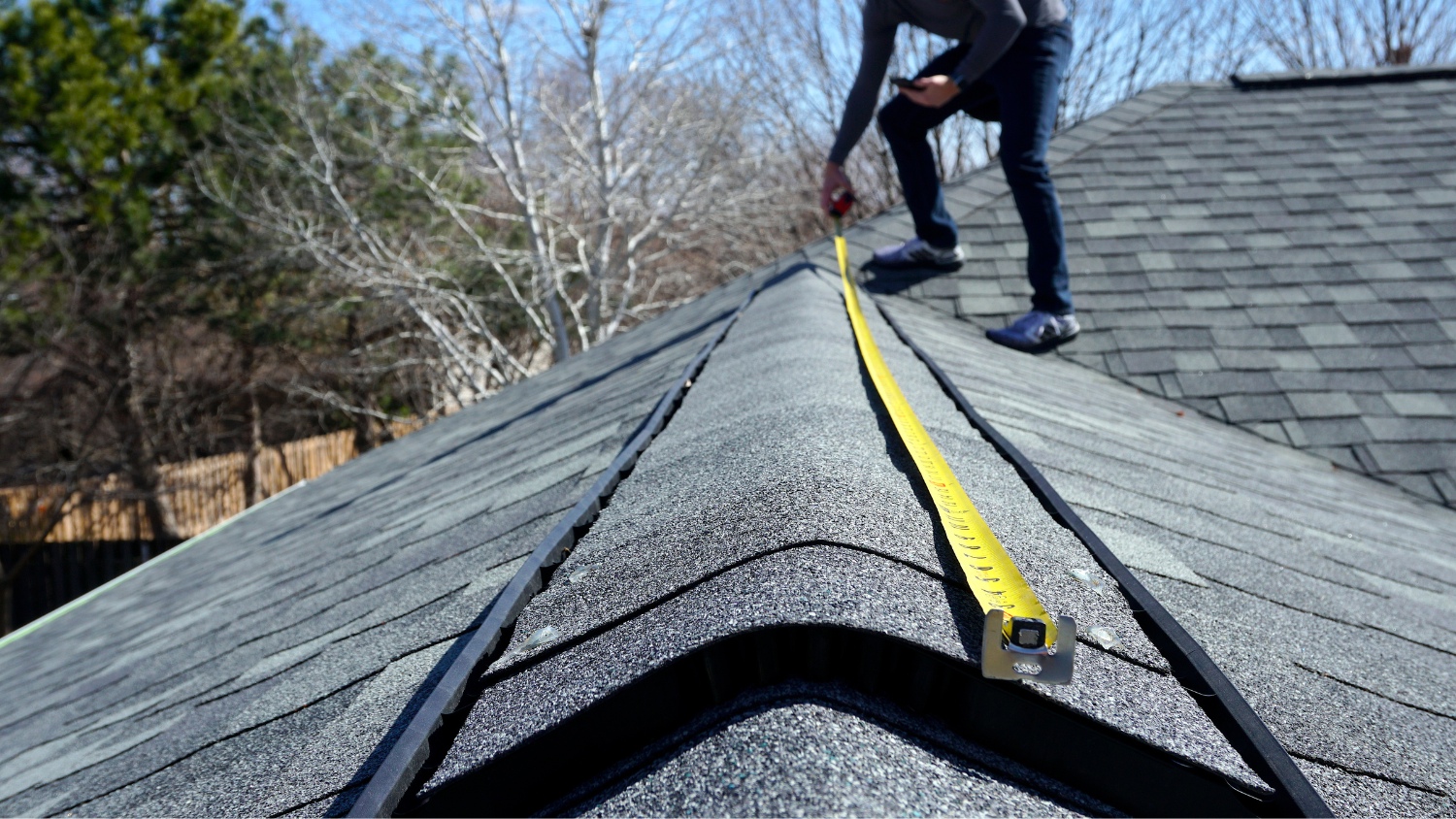
Roofing project costs vary significantly from one property to another. The work may range from a modest repair to a full roof replacement, depending on several factors specific to your home. Rather than comparing contractors based only on the total price, review the scope, materials, warranties, and other details included in each estimate.
Factors that typically affect a roofing quote include:
- Roof size, pitch, and the number of penetrations, including chimneys, skylights, and vents
- Material selection, from asphalt shingles to metal roofing
- Extent of decking repair or replacement discovered during tear-off
- Site accessibility and staging requirements
- Current condition of ventilation, flashing, and underlying insulation
- Project urgency, such as emergency tarping versus scheduled replacement
A transparent contractor should explain how each of these factors affects the estimate rather than simply providing a total price. When you are ready for a detailed breakdown of your project costs, contact a local roofing contractor to schedule an estimate.
When to Call a Professional Roofing Contractor
Certain situations call for a qualified, properly insured roofing professional rather than a DIY approach or a delayed inspection. Active leaks, visible sagging, granule loss after a storm, missing shingles, or a roof older than 20 years all warrant a professional evaluation.
Attempting repairs on a steep or wet roof also carries a serious risk of falling, so the work is best left to a trained crew with proper safety equipment.
Frequently Asked Questions
How long does a typical roof replacement take?
Most residential roof replacements take between one and three days, depending on the size and complexity of your roof, weather conditions and whether significant deck repairs are required. A professional contractor should provide a realistic project timeline during your initial estimate and keep you informed if unexpected delays arise.
What should I do if a contractor refuses to provide a Certificate of Insurance?
Do not hire them. Refusal to provide proof of general liability and workers’ compensation coverage is a significant red flag and may expose you to legal or financial risk if an injury or property damage occurs during the project.
How should I handle a contractor requesting full payment upfront?
Avoid paying for the entire project before work begins. Negotiate a payment schedule tied to project milestones, such as material delivery, completion of tear-off, and final inspection, so you retain financial leverage throughout the process.
What should I do if the price increases during the project?
Ask the contractor to pause the affected work and provide a written change order. The document should explain the reason for the increase, the additional work involved, and the revised price. Review and approve the change in writing before the additional work proceeds.
What if the contractor’s references are vague or hesitant to speak?
If references seem reluctant to discuss their experience, view this as a potential warning sign. Request an alternative reference or reconsider your choice, as transparency about past work is a hallmark of a professional contractor.
Ready to Hire a Roofing Contractor You Can Trust?
Lyndsey Roofing, LLC has served homeowners and businesses across the Hudson Valley since 2015, backed by GAF Master Elite® and President’s Club 2-Star certifications, Owens Corning Preferred Contractor status, and BBB A+ accreditation.
If you’re comparing roof contractors near you in Poughkeepsie, NY, request a free estimate and put these 12 roofing contractor questions to the test.