What’s In This Guide
- Do You Need to Replace Your Skylight During a Roof Replacement?
- Why Skylight Condition Matters More During a Reroofing Project
- Signs an Older Skylight May Need More Than Reflashing
- How to Decide: Assessing Your Skylight Before Reroofing
- What Affects the Cost of Skylight Replacement During a Roof Replacement
- When to Call a Professional Instead of Waiting
- Frequently Asked Questions
- Ready to Plan Your Poughkeepsie Roof Replacement and Skylight Evaluation?
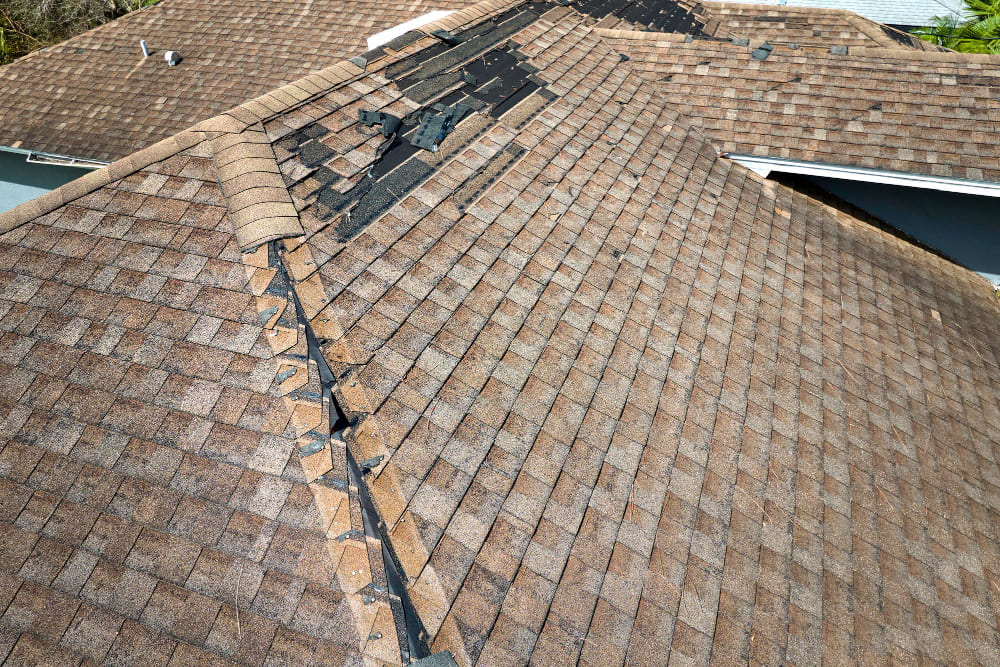
A roof replacement disturbs the roofing materials around any existing skylight. Homeowners planning a reroofing project in Poughkeepsie may assume the skylight can simply remain in place while the surrounding shingles are replaced. Sometimes it can. In other cases, the skylight or its flashing should be addressed at the same time.
The decision usually comes down to three options: keep the skylight as is, reflash it, or replace it outright. Choosing the wrong approach can leave an aging or deteriorated skylight as a vulnerable point in an otherwise new roofing system.
Quick Facts
- Age is an important factor. Skylight service life varies by product, installation, exposure, and maintenance, so age should be considered alongside the condition of the glazing, seals, flashing, and surrounding roofing.
- Reroofing can disturb existing skylight flashing and surrounding underlayment. Any flashing that is removed or altered during tear-off must be properly reinstalled or replaced and integrated with the new roofing system.
- Skylight flashing is a leak-prone transition point, similar to chimneys and vent boots.
- Combining skylight replacement with a reroofing project can help avoid a separate future service call and additional disruption to the same roof section.
- A professional evaluation before tear-off can help determine whether a skylight is a good candidate to keep, reflash, or replace.
Do You Need to Replace Your Skylight During a Roof Replacement?
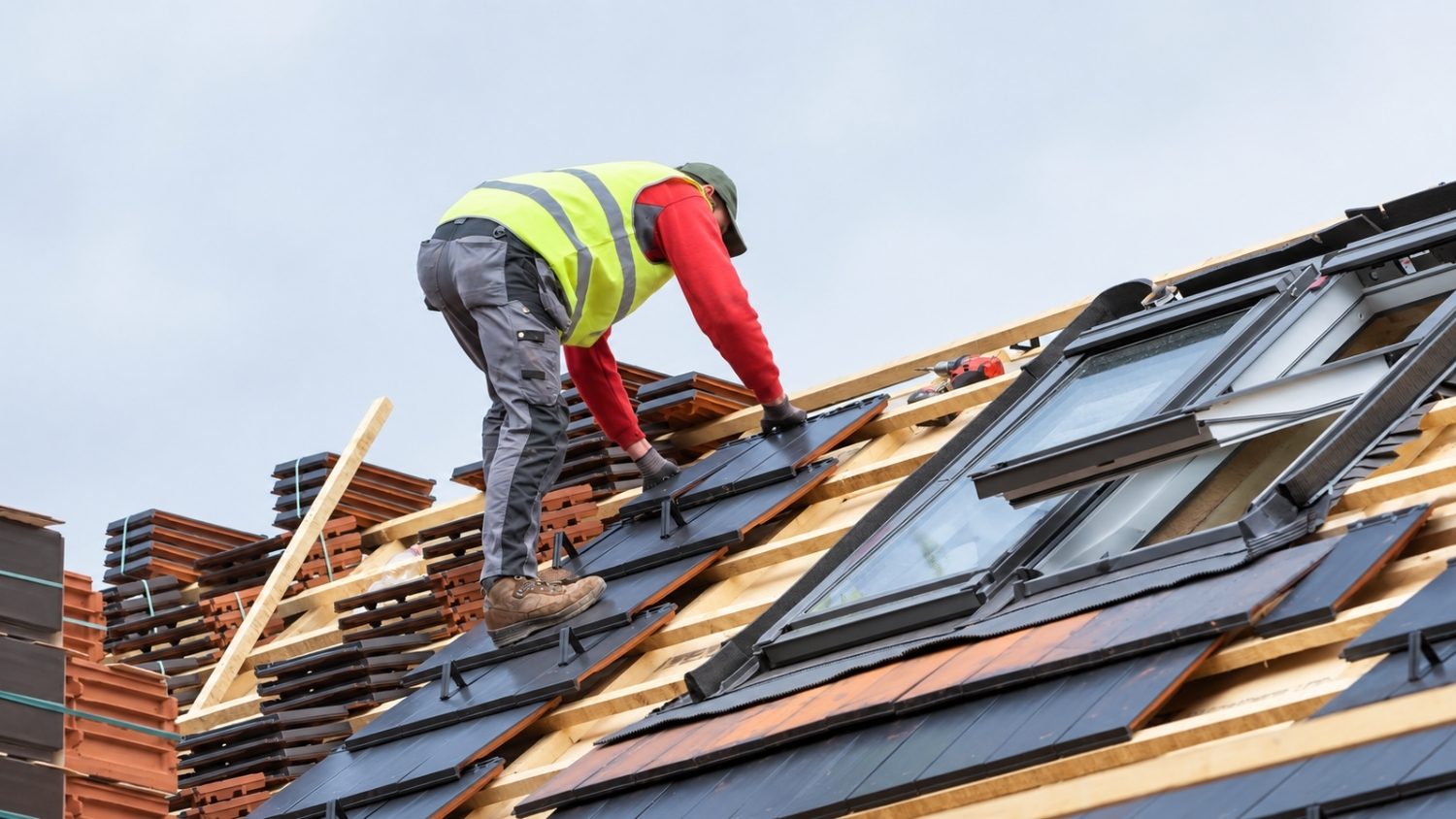
Not always. The decision depends on the skylight's age, condition, manufacturer guidance, and flashing compatibility. A relatively recent skylight with intact glazing seals, no leaks, and compatible flashing may be suitable to keep. An older unit, especially one showing deterioration or approaching the end of its expected service life, is a stronger candidate for replacement while the surrounding roofing is already being removed.
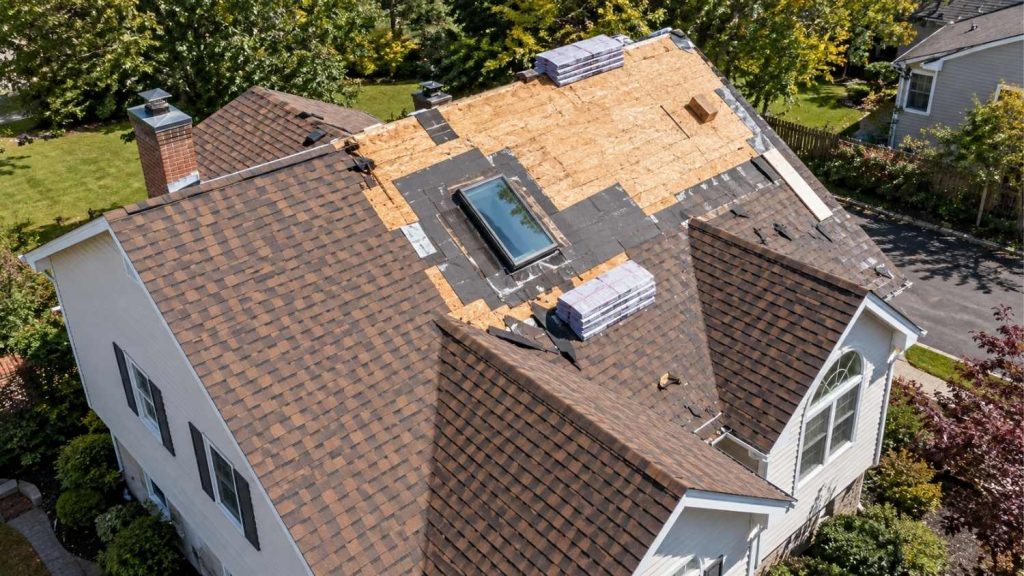
If the roofing crew is already removing shingles around the skylight, that is often a practical time to inspect and address the unit and its flashing. If skylight work is needed after the new roof is installed, part of the surrounding roofing may need to be disturbed again.
Why Skylight Condition Matters More During a Reroofing Project
Tear-Off Disturbs Existing Flashing and Roofing Details
Removing shingles around a skylight can require disturbing or removing the existing flashing and surrounding underlayment. Even if the skylight has not leaked, those water-management details must be properly reinstalled or replaced and integrated with the new roofing system.
Mismatched Materials Create Long-Term Risk
New underlayment, ice barrier, shingles, and flashing should be installed according to the roofing and skylight manufacturers' instructions. With an older skylight, the main concern is whether the existing unit, curb or frame, and flashing can be properly integrated with the new roofing system. Incompatible or deteriorated components can increase the risk of leaks at the skylight.
One Weak Point Can Undermine the Whole System
A roof replacement depends on sound water-management details at every penetration and transition. Like chimneys and vent penetrations, skylights interrupt the roofing plane and rely on properly integrated flashing, underlayment, curb or deck details, and the skylight assembly itself to manage water. The U.S. Department of Energy notes that skylights penetrate a roof’s water-control layer, making proper flashing and other water-management details essential for preventing leaks. Leaving a compromised skylight in place while replacing everything around it can leave a vulnerable point in the new roofing system.
Signs an Older Skylight May Need More Than Reflashing
Structural damage or failed glazing seals usually require more than a flashing repair. Depending on the skylight model, the glazing or sash may be replaceable; in other cases, full skylight replacement may be necessary. Cosmetic wear alone does not necessarily require replacement. The key question is whether the problem is in the flashing, glazing assembly, frame, or curb.
Watch for these warning signs before your reroofing project begins:
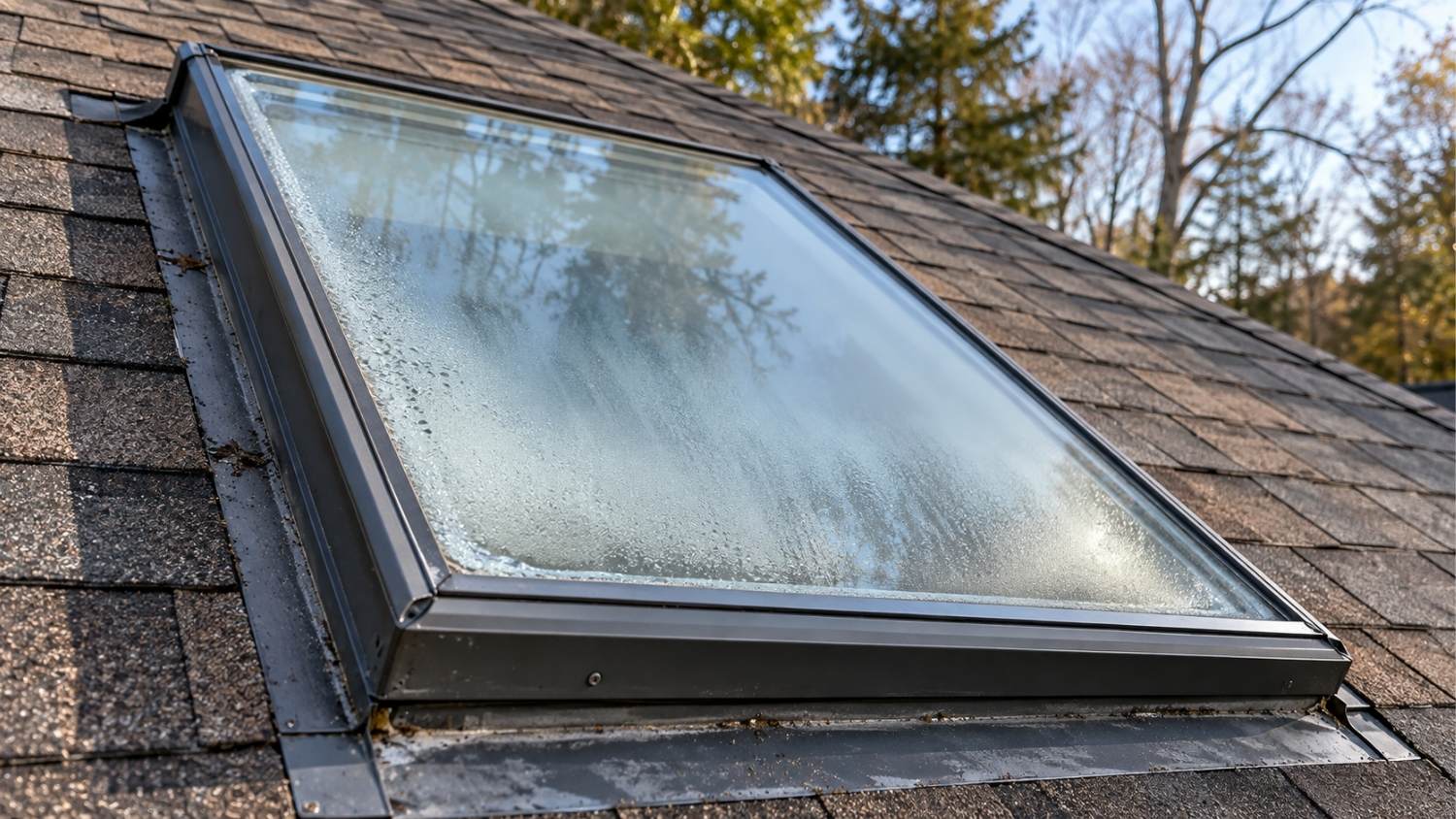
- Fogging or condensation between glass panes, which usually indicates failure of the insulated glass seal; depending on the skylight model, the glazing or sash may be replaceable, or the complete unit may need replacement
- Visible cracking, yellowing, or clouding in the skylight dome or glazing
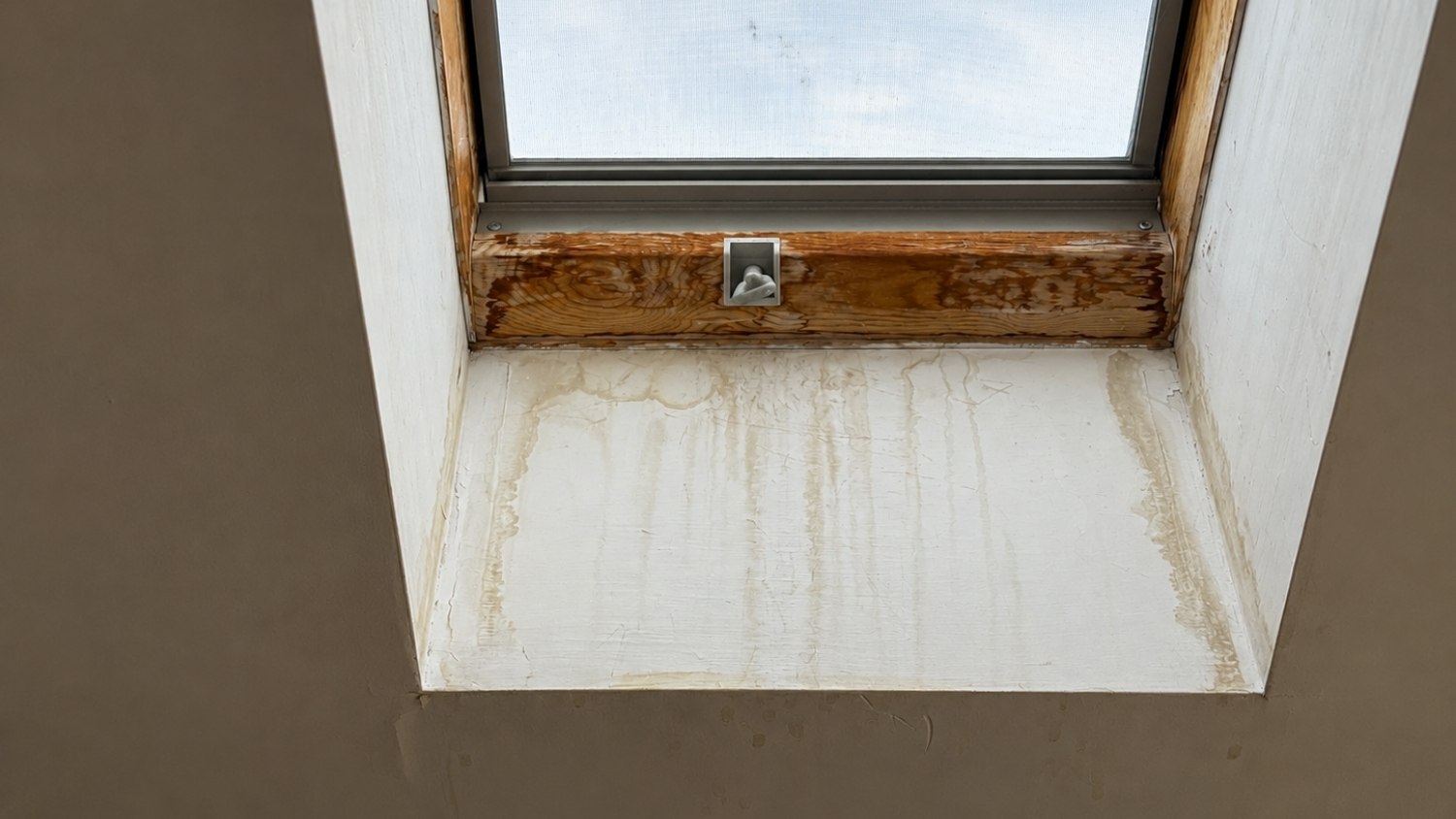
- Water staining on the ceiling or drywall near the skylight opening, even if the flashing looks intact from outside
- An older skylight approaching the end of its expected service life, especially if it also shows deterioration, recurring problems, or limited compatibility with the new roofing system
- Warped, rotted, or soft wood at the skylight curb, frame, or surrounding decking
- An older single-pane or early double-pane unit with poor thermal performance, especially if it also shows deterioration or lacks compatible replacement components
Keep, Reflash, or Replace: A Quick Decision Framework
|
Condition |
Recommended Action |
|
Relatively recent skylight, no leaks or fogging, sound unit, compatible flashing available |
Keep if inspection confirms good condition |
|
Skylight in good condition but existing flashing is worn or incompatible with the new roofing system |
Reflash with a compatible flashing system |
|
Skylight with failed glazing seals, cracks, recurring unit-related leaks, or significant deterioration |
Evaluate for component replacement or full skylight replacement, depending on the source and extent of the damage |
|
Skylight curb, frame, or surrounding decking shows rot or softness |
Repair the damaged substrate and replace or reinstall the skylight as its condition requires |
This framework is a starting point. Tear-off allows the contractor to confirm concealed conditions, including the decking and areas around the skylight frame or curb beneath the surrounding roofing materials.
READ MORE: Hyde Park Roof Leak Detection Around Chimneys, Vents, and Flashing
How to Decide: Assessing Your Skylight Before Reroofing
Step 1: Confirm the Skylight's Age
Check installation paperwork, permit records, or the original home inspection report. If no records exist, treat the skylight's age as unknown and lean toward a professional evaluation rather than guessing.
Step 2: Inspect for Interior Warning Signs
Look for ceiling staining, peeling paint near the skylight shaft, or condensation between panes. These signs warrant further evaluation. Fogging between panes often indicates failure of the insulated glass seal, while staining or peeling paint may point to water intrusion or another moisture problem.
Step 3: Have the Roofing Contractor Evaluate the Frame or Curb and Flashing
Once tear-off begins, the roofing crew can inspect exposed portions of the skylight frame or curb, flashing, and surrounding decking directly. Hidden rot or concealed flashing deterioration may become visible at this stage. Glazing seal failure, however, is typically identified through symptoms such as fogging between panes rather than during roof tear-off.
Step 4: Compare the Skylight's Expected Remaining Life With the New Roof
A skylight already showing advanced age or deterioration may require service or replacement well before a new roof does. Considering the expected remaining life of both components can help reduce the need to disturb recently installed roofing later.
Step 5: Decide Before the Crew Reaches That Section of the Roof
Waiting until the crew is standing at the skylight to make a decision adds delay and pressure. Homeowners who plan ahead have time to review flashing options before installation day arrives.
What Affects the Cost of Skylight Replacement During a Roof Replacement
Skylight replacement costs vary depending on several project-specific factors. There is no single fixed number that applies to every home, so any estimate should be treated as a starting point rather than a guarantee.
Cost factors typically include:
- Skylight size, glazing type, and whether it is fixed or venting
- Flashing kit compatibility with the surrounding roofing material
- Skylight frame or curb condition and whether decking repair is needed
- Roof pitch and accessibility around the skylight location
- Number of skylights being addressed in the same project
- Timing relative to the reroofing schedule already underway
Combining skylight replacement with a roof replacement already in progress can reduce redundant labor, since the roofing crew is already positioned at that section of the roof. A site-specific quote can account for the skylight, roof conditions, and additional work required for the particular project.
When to Call a Professional Instead of Waiting
A qualified roofing contractor should evaluate the skylight as part of planning the reroofing project. If a problem is discovered only after the new roof is installed, repairs may require returning to and disturbing part of an otherwise new roofing system.
Contact a professional promptly when:
- The skylight is scheduled to remain in place during an upcoming roof replacement
- Interior staining, fogging, or drafts have appeared near the skylight
- The skylight has remained in place through one or more previous roof replacements
- Flashing appears rusted, lifted, or separated from the roofing material around it
A qualified roofing contractor can evaluate the skylight frame or curb, flashing, and surrounding decking as part of the same inspection scheduled for the roof replacement itself, rather than treating it as a separate project.
Frequently Asked Questions
Can you replace just the glass in an older skylight?
Sometimes. Certain skylight models allow the glazing or sash to be replaced separately, but availability depends on the manufacturer, model, and age of the unit. If the frame, seals, or curb are also deteriorating, replacing the complete skylight may make more sense during reroofing. Deteriorated flashing may be addressed separately if the skylight itself remains in suitable condition.
Is condensation on a skylight always a sign of a roof leak?
No. Moisture on the interior surface of the glass can result from indoor humidity and temperature differences. Condensation or fogging between panes, however, usually points to failure of the insulated glass seal. Water staining around the skylight can also indicate a flashing or roofing problem.
Can I change the size or style of my skylight during a roof replacement?
Yes, but changing the opening can require additional framing, decking, flashing, and interior finish work. Replacing an existing skylight with a similarly sized model is generally less involved than enlarging, reducing, or relocating the opening.
Will replacing a skylight require repairs to the interior ceiling or trim?
Not necessarily. A straightforward replacement using the existing opening may leave much of the interior finish intact. Changes to the skylight size, damaged framing, deteriorated drywall, or modifications to the light shaft can create additional interior work.
What should I ask my roofer about the skylight before reroofing begins?
Ask whether the existing unit is compatible with the new roofing system, whether new flashing is recommended, and whether there are signs of deterioration in the seals, frame or curb, or surrounding decking. It is also worth confirming what work would be required if hidden damage is discovered during tear-off.
Ready to Plan Your Poughkeepsie Roof Replacement and Skylight Evaluation?
Lyndsey Roofing, LLC is a GAF Master Elite® certified contractor and 2-Star President's Club award winner serving Poughkeepsie and the surrounding Hudson Valley, with additional certifications through Owens Corning and GAF Energy.
Homeowners weighing a skylight decision ahead of a reroofing project can start with a professional assessment rather than guesswork.