What’s In This Guide
- What Attic Insulation Really Protects on a Poughkeepsie Roof
- How Much Does Attic Insulation Cost in Poughkeepsie? Factors That Shape the Estimate
- What Attic Insulation R-Value Does a Hudson Valley Home Need?
- Best Insulation for Attic Upgrades in Cold, Snow-Heavy Climates
- How to Tell If Your Attic Insulation Is Still Protecting Your Roof
- When Should a Poughkeepsie Homeowner Call a Roofing or Insulation Professional?
- Frequently Asked Questions
- Ready to Find Out If Your Attic Insulation Is Protecting Your Poughkeepsie Roof?
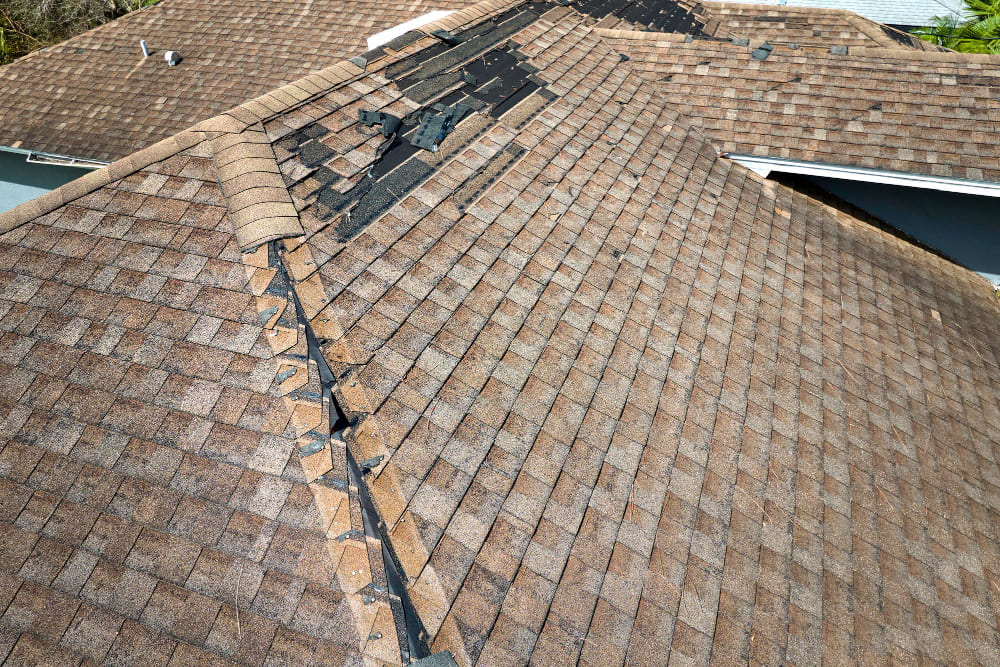
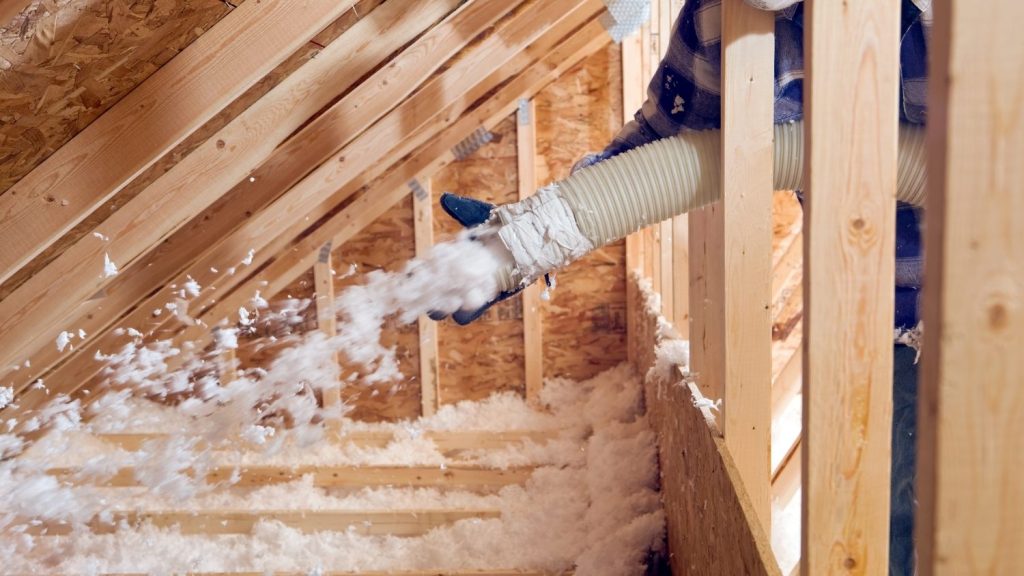
Winter asks a lot of a Hudson Valley roof. Snow piles up, temperatures swing through repeated freeze-thaw cycles, and heat from the living space below can move into the attic through air leakage and heat transfer. When a homeowner starts researching attic insulation costs, the question rarely stops at the utility bill. It usually comes down to whether thin or aging insulation is contributing to ice dams, moisture problems, and conditions that may shorten the service life of roofing components.
Some older Poughkeepsie homes may still have attic insulation that was installed decades ago, before current energy standards were established. Understanding how much attic insulation costs, what R-value the attic actually needs, and how that insulation connects to roof performance helps homeowners make a more informed decision.
Quick Facts
- Dutchess County is in Climate Zone 5, and ENERGY STAR’s current insulation table recommends R-60 for an uninsulated attic in this climate zone.
- Heat loss into the attic can contribute significantly to ice dam formation by warming the roof deck and causing snow to melt and refreeze near colder roof edges.
- Air sealing plus insulation can reduce heating and cooling costs by 15% on average, per EPA estimates.
- Attic size, insulation type, existing insulation condition, and air sealing needs shape the final cost estimate.
- Compressed, damp, or discolored insulation can indicate moisture intrusion, air leakage, ventilation problems, or other conditions that should be investigated before additional insulation is installed.
What Attic Insulation Really Protects on a Poughkeepsie Roof
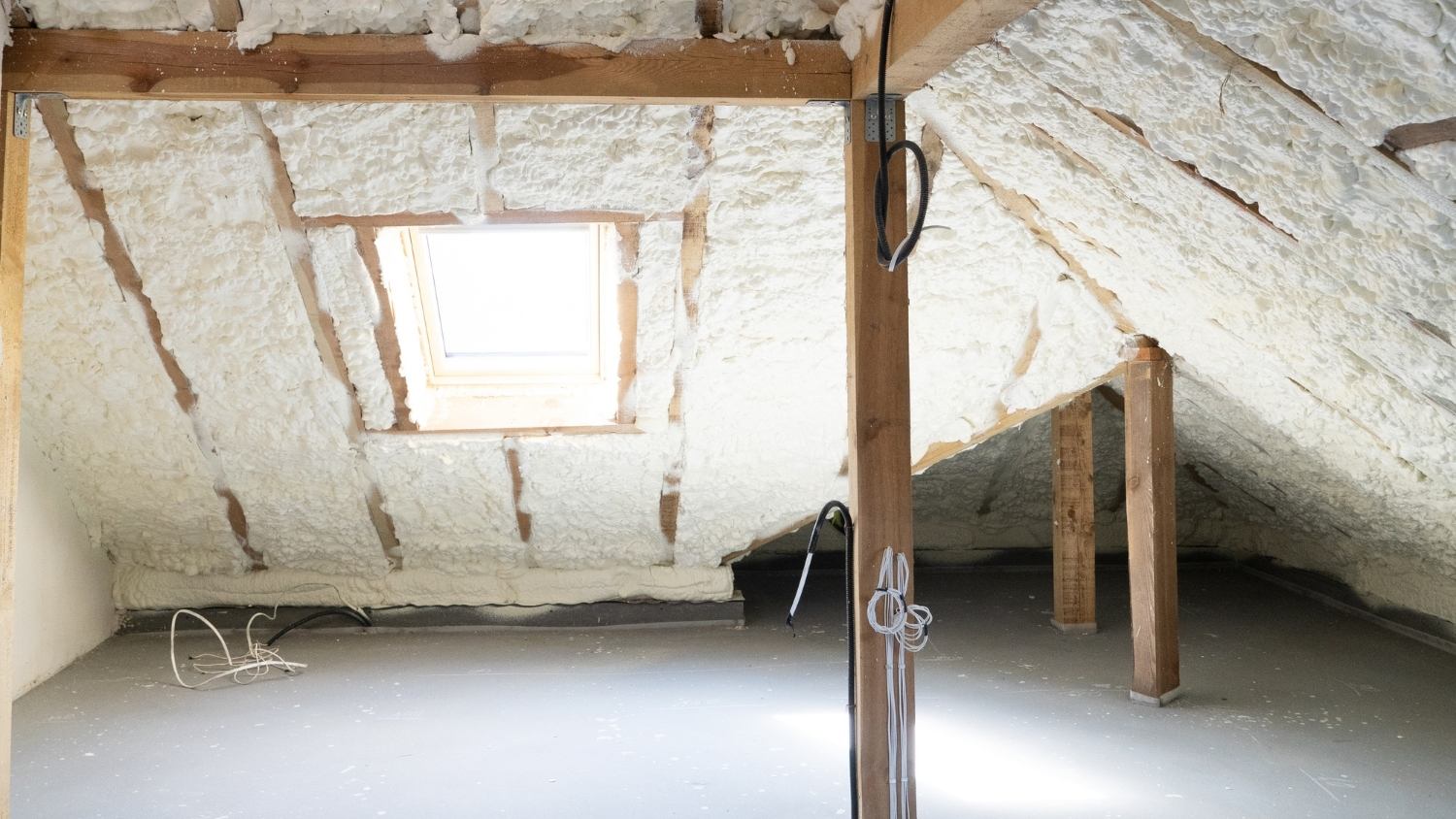
Attic insulation does more than help reduce heating costs. It slows heat transfer from the living space into the attic, helping keep the roof deck closer to outdoor temperatures during cold weather. When combined with proper air sealing and ventilation, adequate insulation can reduce conditions that contribute to uneven snowmelt, ice dam formation, and moisture accumulation on roof sheathing.
An under-insulated attic can create uneven roof temperatures during winter. Areas of the roof warmed by heat escaping from below may melt snow while colder areas near the eaves remain below freezing, creating conditions that can contribute to ice dams and moisture-related roof damage over time.
How Ice Dams Form Above an Under-Insulated Attic
Ice dams start when warm air escapes through gaps in the attic floor, heating the roof deck enough to melt snow even in freezing temperatures.
This meltwater refreezes at the cold eaves, creating an ice ridge. Department of Energy research confirms that attic heat loss is what actually creates ice dams, causing water to back up under shingles and trigger leaks.
How Trapped Moisture Affects Roof Decking and Framing
Persistent moisture can contribute to wood deterioration and biological growth. The EPA notes that moisture control is the key to preventing mold. Frost on the decking or musty smells can signal excess attic moisture, which may result from warm, moisture-laden indoor air leaking into the colder attic space or from other moisture sources.
How Much Does Attic Insulation Cost in Poughkeepsie? Factors That Shape the Estimate
Attic insulation cost depends on several site-specific factors rather than a single flat rate. Attic size, insulation type, the condition of existing material, air sealing scope, target R-value, and attic accessibility can all affect the final price. A written, site-specific estimate from a qualified contractor is the most reliable way to determine the expected cost for a particular home.
Several factors typically shape that estimate:
- Attic square footage. A larger attic footprint requires more material and more labor hours to insulate evenly.
- Insulation type selected. Batt, blown-in loose fill, and spray foam each carry different material and installation requirements.
- Existing insulation condition. Compressed, wet, or contaminated insulation often needs removal before new material goes in, which adds labor.
- Air sealing scope. Sealing gaps around wiring, plumbing stacks, and attic hatches before insulating is a separate but related line item.
- Target R-value. Reaching R-49 versus R-60 changes how much material a contractor installs.
- Accessibility. Knee walls, low clearance areas, and limited access points can slow installation and affect labor time.
Because every attic is different, the most reliable way to understand actual attic insulation cost for a specific home is a site visit from a qualified contractor who can measure square footage, check existing R-value, and assess air sealing needs firsthand.
What Attic Insulation R-Value Does a Hudson Valley Home Need?
Poughkeepsie and the surrounding Dutchess County area fall within Climate Zone 5 under New York State’s current Energy Conservation Construction Code. Climate zone is used to determine recommended insulation levels for attic projects.
For homes in this zone, ENERGY STAR’s recommended attic R-values for cold climates call for R-60 in an attic with no existing insulation and R-49 when 3 to 4 inches of existing material is already in place. Existing homes may fall below those recommendations, so insulation depth and material type should be evaluated before determining how much insulation to add.
Reaching that R-value target does more than satisfy an energy guideline. EPA estimates that homeowners can reduce heating and cooling costs by 15% on average by air sealing their homes and adding insulation in attics, floors over crawl spaces, and basements.
Best Insulation for Attic Upgrades in Cold, Snow-Heavy Climates
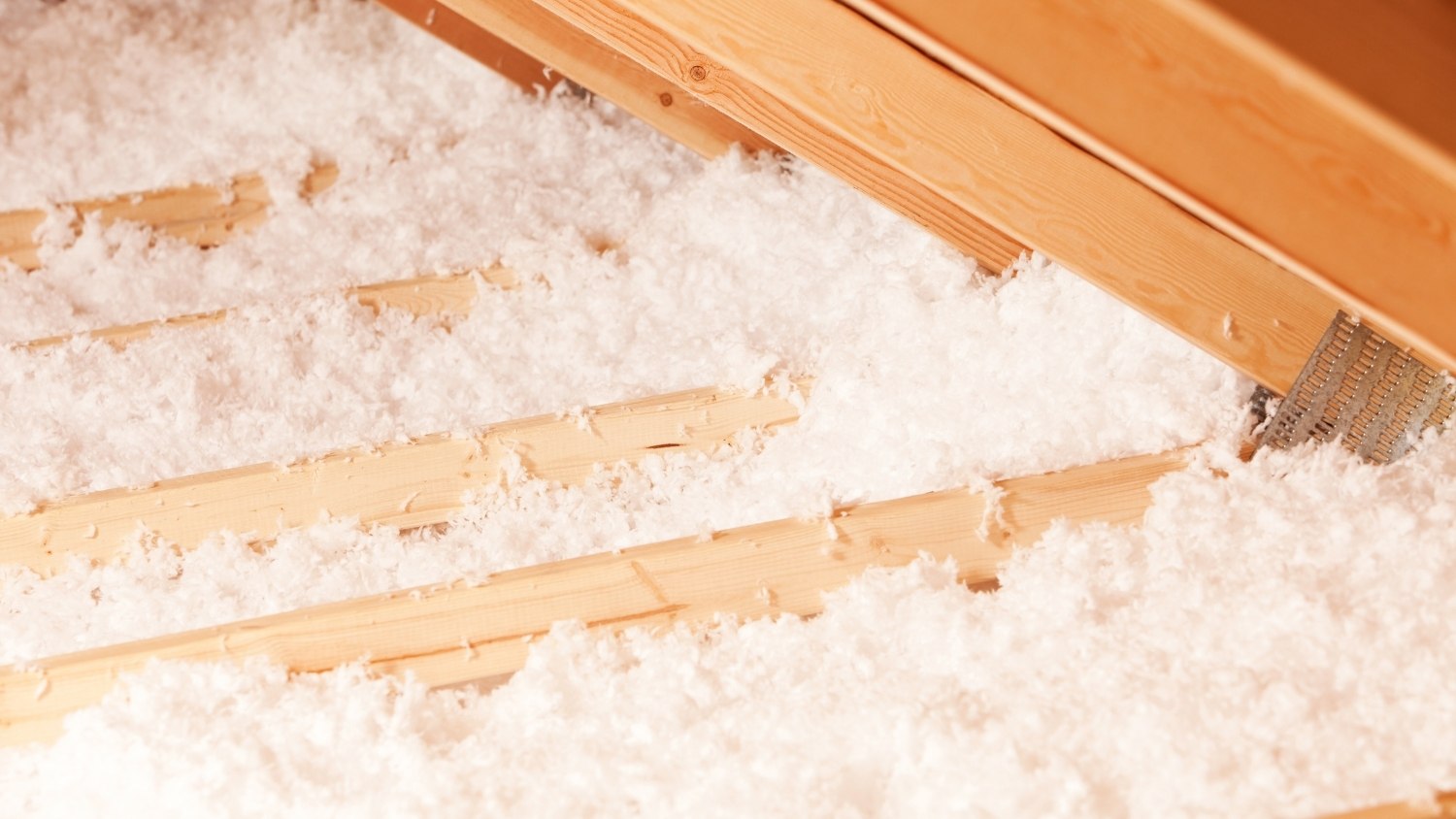
There is no single best insulation for attic upgrades across every Hudson Valley home. The right material depends on attic framing, accessibility, existing insulation condition, and whether air sealing is part of the same project. According to the U.S. Department of Energy’s home insulation material guide, the common attic insulation types perform differently in the areas that matter most for a cold climate.
| Insulation Type | How It’s Installed | Best Suited For |
|---|---|---|
| Fiberglass batt | Pre-cut panels fitted between joists | Open, accessible attics with standard joist spacing |
| Blown loose fill, including cellulose, fiberglass, and mineral wool | Machine-blown to fill irregular spaces | Attics with obstructions, uneven framing, or existing insulation to top off |
| Spray foam (open or closed cell) | Sprayed directly onto the roof deck or attic floor | Attics needing combined air sealing and insulation in one step |
| Rigid foam board | Cut panels installed against framing or decking | Low-clearance areas and specific structural applications |
Blown loose fill is common in attic retrofits because it conforms around wiring, framing irregularities, and existing insulation without major disruption. Spray foam adds air sealing at the same time it insulates, which matters given how much heat loss travels through small gaps rather than through the insulation material itself.
How to Tell If Your Attic Insulation Is Still Protecting Your Roof
A homeowner does not need to guess whether attic insulation is doing its job. A short, methodical check of the attic can reveal whether the insulation is protecting the roof or contributing to the problem.
Step 1: Check Insulation Depth Against the Recommended R-Value
Measure the depth of existing insulation with a tape measure or ruler placed straight down to the attic floor. Depth alone will not confirm exact R-value, since material type affects performance, but insulation noticeably below the joist height is a strong signal the attic falls short of the zone’s recommended target.
Step 2: Look for Ice Buildup Patterns Along the Eaves
Uneven snowmelt, visible ice ridges at the roof edge, or icicles concentrated in specific areas can indicate uneven heat loss into the attic. However, snow patterns can also be affected by sunlight, wind, roof orientation, and other conditions, so they should be considered alongside an attic inspection.
Step 3: Inspect for Compressed, Wet, or Discolored Insulation
Compressed or damp insulation may provide less thermal resistance than insulation in good condition, while staining can indicate current or previous moisture exposure. Water staining on insulation or rafters may point to a roof leak, condensation problem, or previous ice dam damage that should be evaluated before new insulation is installed.
Step 4: Confirm Soffit and Ridge Ventilation Is Not Blocked
Insulation piled too close to the eaves can bury soffit vents and cut off the airflow that keeps the attic close to outdoor temperature. Baffles installed at the eave line help maintain that airflow channel even after new insulation is added.
Step 5: Schedule a Combined Attic and Roof Inspection
A visual check from the attic hatch only tells part of the story. A qualified contractor can evaluate insulation depth, ventilation performance, air leakage, moisture conditions, and roof deck condition together because problems in these areas can be related and may need to be addressed as part of the same project.
READ MORE: How Often Should I Replace My Roof? Insights From the Best Roofing Companies Near Me
When Should a Poughkeepsie Homeowner Call a Roofing or Insulation Professional?
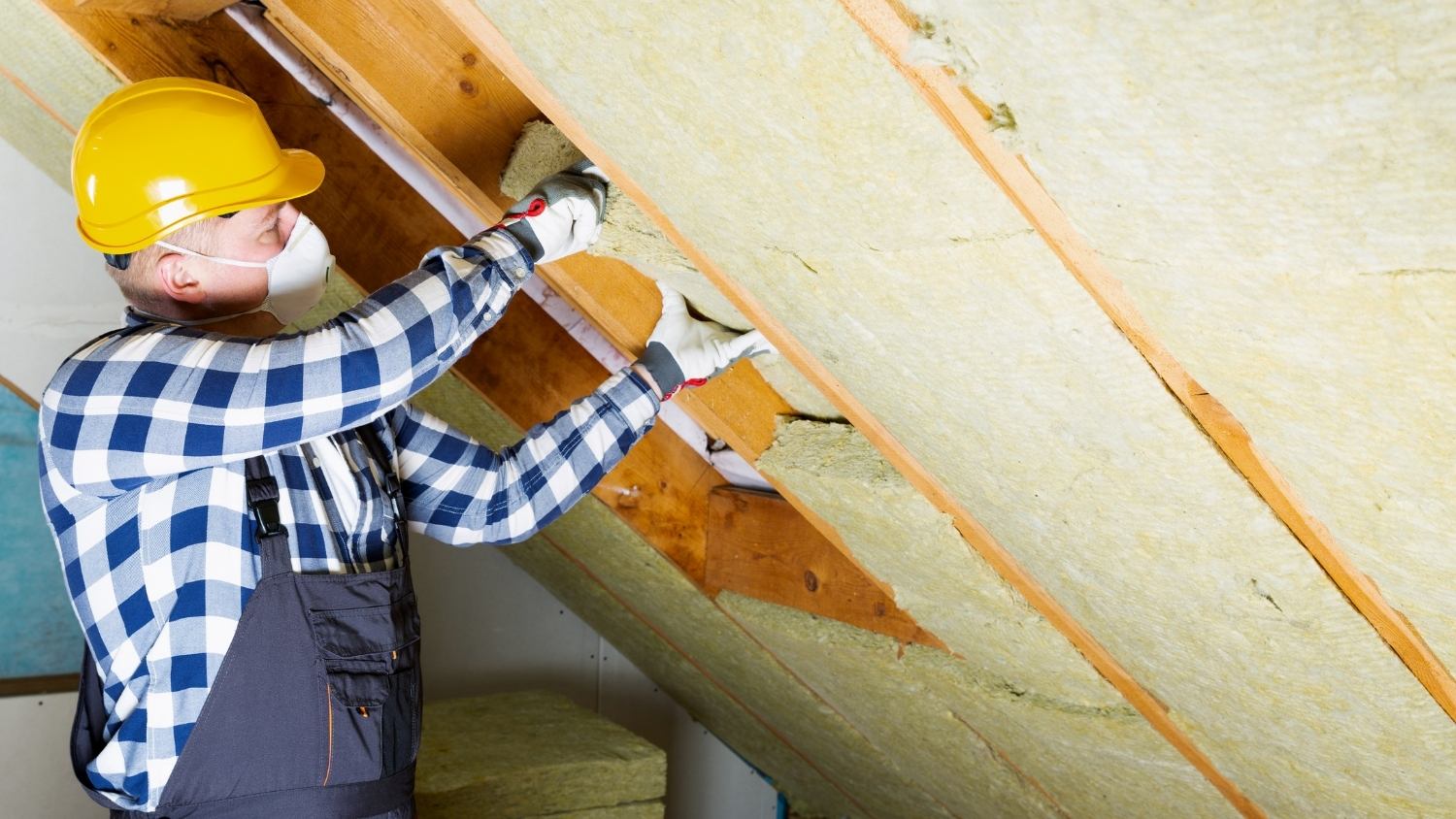
Call a roofing or insulation professional if you notice:
- Recurring ice dams
- Frost on the roof deck
- Granule loss near the eaves
- Unusually high heating bills
These signs may point to overlapping issues with insulation, ventilation, air sealing, or roofing. A professional inspection can evaluate the attic and roof as one system and identify the most appropriate repairs or upgrades.
Frequently Asked Questions
How much does attic insulation cost in Poughkeepsie, NY?
Attic insulation cost varies based on attic size, insulation type, existing insulation condition, air sealing needs, and target R-value. There is no flat rate that applies to every home, since accessibility and the amount of material needed to reach R-49 or R-60 differ from house to house. A site-specific estimate from a qualified contractor is the most accurate way to understand pricing for a particular attic.
Can attic insulation be added without a full roof replacement?
Yes. Attic insulation upgrades are typically handled from inside the attic space and do not require removing or replacing the roofing material itself. That said, if an inspection reveals roof deck damage, active leaks, or ventilation problems tied to the insulation issue, those items may need to be addressed as part of the same project.
Can poor attic insulation cause roof damage?
Yes. Inadequate insulation can allow excess heat to reach the roof deck, contributing to uneven snowmelt, ice dams, and moisture buildup. Over time, these conditions may increase the risk of damage to shingles, decking, and other roofing components.
How long does attic insulation typically last?
Many insulation materials can remain effective for decades, but moisture, pests, settling, or compression can reduce performance over time. Periodic inspections can help determine whether insulation needs to be repaired, supplemented, or replaced.
Can new attic insulation lower heating costs?
Yes, improved attic insulation can reduce heat loss and help the heating system operate more efficiently. Actual savings depend on the home’s current insulation level, air leakage, heating system, and overall energy performance.
Ready to Find Out If Your Attic Insulation Is Protecting Your Poughkeepsie Roof?
Lyndsey Roofing, LLC is a locally owned roofing and exterior contractor serving homeowners across Dutchess, Orange, Putnam, and Eastern Ulster Counties. The company provides roofing services and specializes in proper ventilation and insulation for pitched roofs.
If ice dams, high heating bills, or attic moisture have you weighing an insulation upgrade, a site visit is the most reliable way to understand what your roof actually needs.