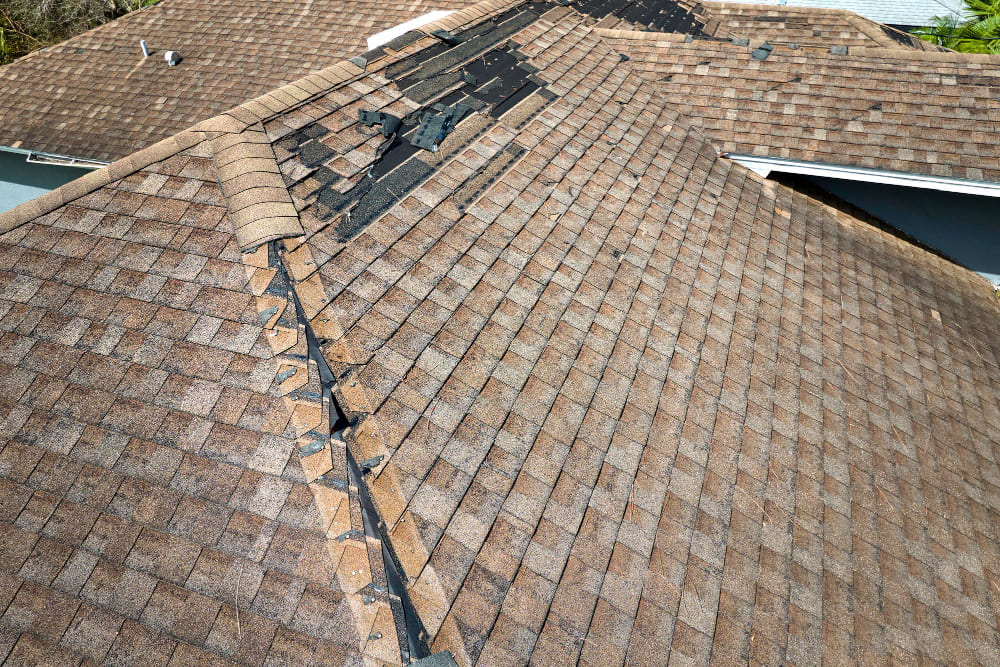
Roof problems can arise unexpectedly and lead to costly damage if not addressed promptly. Whether due to storms, aging materials, or structural issues, a compromised roof requires immediate action to prevent further deterioration. Understanding the causes, recognizing the need for professional assistance, and applying temporary solutions can help homeowners manage roof issues effectively. Here are expert tips from a roofing contractor to ensure the best approach to handling urgent roof concerns.
Table of Contents
Key Takeaways
✔ Always assess roof damage from a safe distance or with a sturdy ladder. Never walk on a compromised roof to avoid injury or further damage. ✔ Use a heavy-duty tarp or plastic sheeting to protect open sections from rain, wind, and debris until professional repairs can be made. ✔ Remove loose branches, leaves, and other materials to prevent additional damage, clogged gutters, and moisture buildup. ✔ Use roofing tape, waterproof patches, or sealant to prevent leaks from worsening while waiting for professional repairs. ✔ Look for water stains, mold growth, or peeling paint, as these indicate hidden roof leaks that require urgent attention. ✔ Never attempt DIY repairs on wet, icy, or severely damaged roofs. Call a roofing contractor for safe and effective solutions. ✔ Temporary fixes can help, but only a roof repair contractor can provide long-term solutions that ensure safety and durability. |
Common Causes of Roof Damage
Roofs are constantly exposed to the elements, making them vulnerable to various forms of damage. Identifying the cause of an issue helps determine the best course of action for repairs.
Severe Weather Conditions
One of the most common reasons for roof damage is extreme weather. Roofing specialists often see damage resulting from:
- Heavy rainfall – Water can seep into small cracks, leading to leaks and mold growth.
- Strong winds – Shingles may become loose or completely detached.
- Hailstorms – Impact from hail can cause dents, cracks, and structural weakening.
- Snow and ice buildup – Ice dams can form, causing water to pool and penetrate roofing materials.
Aging Roof Materials
As roofs age, their materials weaken. Asphalt shingles may become brittle, tiles may crack, and metal panels may rust. Asphalt shingles are the leading roofing material in the U.S., with 83% of roofing contractors citing them as their primary revenue source, according to a 2023 report. A roof replacement contractor can assess whether repairs are sufficient or if a full replacement is necessary.
Poor Maintenance
Neglecting routine maintenance, such as cleaning gutters and checking for minor damage, often leads to major problems. Local roofing contractors emphasize regular inspections to catch issues early and avoid costly repairs.
Improper Installation and Structural Issues
A poorly installed roof can fail prematurely, leading to leaks, sagging, and other structural concerns. Hiring a certified roofing contractor ensures high-quality workmanship and longevity.
7 Expert Tips for Immediate Roof Issue Response
Taking immediate action when roof issues arise can prevent further damage and save homeowners from costly repairs. Whether dealing with minor leaks or significant structural concerns, knowing how to respond effectively is essential. These expert tips from roofing specialists can help homeowners manage emergency roof situations until professional assistance arrives.
1. Inspect the Damage Safely
Before attempting any temporary fixes, it is crucial to assess the damage while prioritizing personal safety. A thorough but cautious inspection helps determine the severity of the issue and the appropriate course of action.
- Examine from a distance – Stand at a safe distance or use binoculars to check for visible signs of damage such as missing shingles, sagging areas, or large debris.
- Use a sturdy ladder with caution – If closer inspection is needed, ensure the ladder is placed on stable ground and avoid leaning it against damaged areas.
- Avoid walking on the roof – A compromised roof may not support weight, increasing the risk of collapse. If damage appears extensive, contact a roof repair contractor for an emergency assessment.
- Check after storms or extreme weather – Strong winds and hail can cause hidden damage. Even if no leaks are immediately visible, an inspection can help detect issues before they escalate.
2. Cover Exposed Areas
Once damage is identified, preventing further exposure to the elements is critical. Open roof sections can allow water, debris, and pests to enter, worsening the situation.
- Use a durable tarp – A heavy-duty tarp provides a temporary waterproof barrier. Secure it with nails, bricks, or bungee cords to prevent it from being blown away by wind.
- Ensure full coverage – The tarp should extend several inches beyond the damaged area to fully protect underlying materials.
- Apply plastic sheeting for additional protection – If a tarp is unavailable, thick plastic sheets can provide a temporary solution.
- Monitor for shifting – Tarps can loosen over time due to wind or rain. Regularly check and secure them until a roof replacement contractor arrives for permanent repairs.
3. Clear Debris
Debris accumulation can worsen roof damage and obstruct drainage systems. Properly removing debris prevents further deterioration and ensures rainwater flows away from the roof.
- Remove loose branches carefully – Large branches can puncture roofing materials, leading to leaks. If they are too heavy to lift, consult a roofing contractor for safe removal.
- Clear leaves and twigs from gutters – Clogged gutters cause water backup, increasing the risk of roof leaks and structural damage.
- Avoid pulling on lodged materials – Tugging on trapped debris can dislodge shingles or damage the underlayment. If unsure, seek help from a roof repair contractor.
- Inspect flashing and vents – Wind-driven debris can loosen flashing and vent covers. Secure any dislodged pieces to prevent leaks.
4. Seal Minor Leaks Temporarily
Small leaks can lead to significant water damage if left unattended. While permanent repairs require a professional roofing specialist, homeowners can use temporary fixes to minimize interior damage.
- Apply roofing tape or waterproof patches – These can be used over small cracks or holes as a quick solution.
- Use roofing sealant for immediate waterproofing – A sealant spray or caulk can help stop minor leaks from worsening.
- Check for cracks in skylights or vents – Water can seep through small openings around roof fixtures. Applying silicone caulk around these areas can help prevent further intrusion.
- Position buckets or containers indoors – Collecting dripping water reduces the risk of ceiling or flooring damage while waiting for a roofing contractor.
5. Check Interior Signs of Damage
Roof problems are not always immediately visible from the outside. Examining the interior of a home can reveal hidden damage that requires urgent attention from a roof repair contractor.
- Look for water stains on ceilings and walls – Discoloration often indicates an active leak.
- Inspect attic insulation – Damp or moldy insulation suggests ongoing moisture penetration.
- Monitor peeling paint or bubbling wallpaper – Excess humidity from roof leaks can cause indoor materials to deteriorate.
- Smell for mold or mildew – A musty odor often signals long-term water exposure. Addressing leaks quickly can prevent costly mold remediation.
6. Avoid Unnecessary Risks
While homeowners may want to take immediate action, safety should always come first. Certain conditions make roof work extremely dangerous, and only professional roofing specialists should handle them.
- Stay off wet or icy roofs – Moisture makes surfaces slippery, increasing the risk of falls.
- Avoid repairing severe structural damage alone – If there are visible sagging sections, large holes, or compromised support beams, leave the work to a roof replacement contractor.
- Use protective gear if necessary – If accessing a roof, wear rubber-soled shoes for better traction and a safety harness if available.
- Keep others away from hazardous areas – Children and pets should not be near a damaged roof, as falling debris can cause injuries.
7. Call a Professional Roofing Contractor
Even with the best temporary fixes, professional intervention is necessary to ensure a long-term solution. Ignoring roof issues can lead to costly repairs or complete roof replacement. Hiring a local roofing contractor ensures expert assessment, proper materials, and high-quality repairs.
- Schedule an inspection immediately – Prompt assessment prevents minor issues from worsening.
- Request an estimate from a trusted roofing specialist – Understanding repair costs helps homeowners budget accordingly.
- Ask about insurance coverage – Many roofing repairs are covered by homeowner policies, and a roofing contractor can provide documentation to support claims.
- Ensure quality repairs to prevent future issues – A licensed roof repair contractor guarantees professional craftsmanship and long-lasting solutions.
When to Call a Roofing Contractor
While not every roof issue requires urgent intervention, certain problems demand immediate attention to prevent costly damage and safety hazards. Homeowners should recognize when professional help from a roofing contractor is necessary to protect their home and avoid more extensive repairs. Delaying action can lead to severe consequences, including structural instability, water damage, and mold growth.
1. Sudden Leaks or Water Intrusion
Active leaks are one of the most urgent roofing issues, as they can cause extensive damage to ceilings, walls, and insulation. Even small leaks can spread quickly, compromising structural integrity. Leaks are a leading reason for roof replacements, with 33% of homeowners opting for a new roof due to water intrusion. A roof repair contractor should be called immediately to assess the damage and implement a long-term solution.
Signs of an emergency leak include:
- Water dripping from the ceiling during or after a storm.
- Stains or discoloration on walls and ceilings.
- Pooling water in the attic or near roof vents.
- Bubbling or peeling paint, which indicates moisture trapped beneath the surface.
2. Sagging or Structural Damage
A sagging roof is a major red flag, risking collapse and potential catastrophe. A roof replacement contractor must inspect the structure immediately to determine whether repairs or a complete replacement is necessary.
Structural issues can indicate severe problems, such as:
- Rotting support beams – Excess moisture weakens wooden beams, causing the roof to sag.
- Overloaded roofing materials – Heavy snow accumulation or improper installations can put excess weight on the roof structure.
- Foundation shifts – Settling or shifting foundations may cause the roof to buckle.
3. Missing or Severely Damaged Shingles
While a few missing shingles may not seem like an emergency, widespread damage leaves the underlayment exposed, making the roof vulnerable to leaks and further deterioration. If left unaddressed, missing shingles can lead to interior water damage, requiring costly repairs from a roofing specialist.
Signs that shingle damage requires immediate attention include:
- Large sections of shingles missing after a storm.
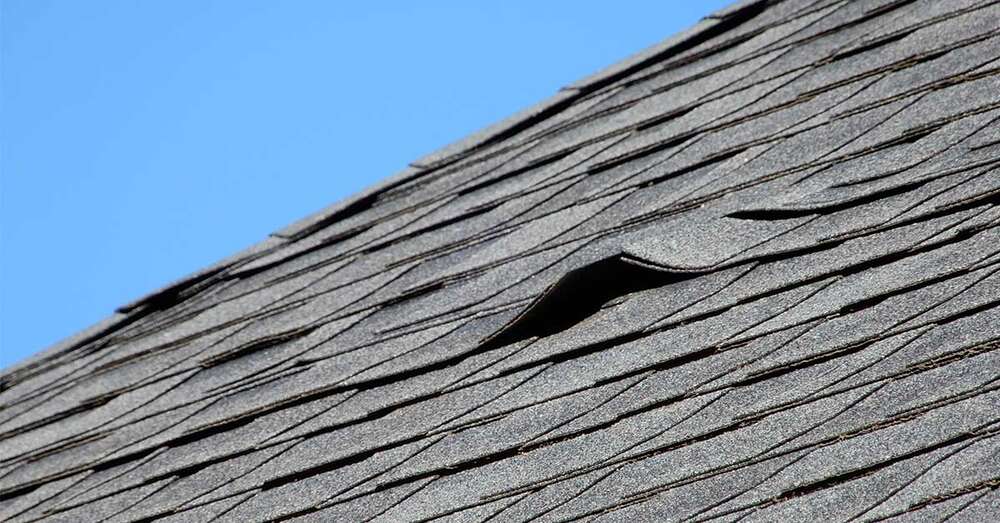
- Shingles curling, cracking, or lifting at the edges.
- Granule loss (bald patches on asphalt shingles).
- Flashing damage around vents, chimneys, or skylights.
4. Visible Holes or Cracks
Any visible gaps, cracks, or holes in the roof pose a significant risk. Even small cracks can expand rapidly due to changing weather conditions. A roof repair contractor can assess the situation and provide necessary repairs before the problem worsens.
Openings in the roofing structure allow:
- Water infiltration, leading to mold growth and interior damage.
- Pests, such as rodents and insects, to enter the home.
- Increased energy loss, as insulation becomes compromised.

How to Choose the Right Roofing Contractor
Selecting a reliable roofing contractor is essential to ensuring high-quality repairs, long-lasting durability, and overall home protection. With so many local roofing contractors offering services, it can be challenging to determine which one is the best fit. Below are key factors to consider when choosing the right roof repair contractor or roof replacement contractor for any roofing project.
1. Verify Licensing and Insurance
A professional roofing contractor should always be licensed and insured. This protects homeowners from liability in case of accidents and ensures the contractor meets industry standards.
- Licensing: Confirm that the contractor holds a valid state or local roofing license. This guarantees they have met the necessary regulations and training requirements.
- General Liability Insurance: Protects homeowners from being responsible for property damage caused during the roofing process.
- Workers’ Compensation Insurance: Covers workers in case of on-the-job injuries, preventing homeowners from being held liable.
2. Look for Experience and Specialization
Different roofing projects require different levels of expertise. Homeowners should select a roofing specialist with a proven track record in the specific type of repair or replacement needed. A local roofing contractor with years of experience will be better equipped to handle various roofing challenges efficiently.
- General Roof Repairs: Look for a roof repair contractor with experience in fixing leaks, shingle replacement, flashing repairs, and storm damage restoration.
- Roof Replacements: If a complete roof replacement is needed, ensure the contractor has experience installing high-quality materials like asphalt shingles, metal roofing, or tile roofing.
- Emergency Repairs: If immediate repairs are necessary, find a contractor that offers 24/7 emergency services.
3. Check Reviews and Reputation
A contractor’s reputation speaks volumes about the quality of their work and customer service. A reputable roof repair contractor will have a history of satisfied customers and positive testimonials. Homeowners should research roofing contractors by:
- Reading online reviews on platforms like Google, Yelp, and Better Business Bureau (BBB).
- Checking their rating with the BBB to see if there are unresolved complaints.
- Asking for references from past clients to get firsthand feedback on their experience.
- Looking for before-and-after photos of completed projects to assess work quality.
4. Get Multiple Quotes and Compare Pricing
Roof repairs and replacements can be a significant investment, so homeowners should request quotes from multiple local roofing contractors to compare costs and services. While price is an important factor, the cheapest option is not always the best. Prioritize quality and experience over the lowest bid.
- Beware of unusually low estimates – Extremely cheap pricing may indicate subpar materials or rushed work.
- Look for detailed proposals – A good contractor provides a breakdown of costs, materials, labor, and timelines.
- Understand warranty options – Reliable contractors offer warranties for both materials and workmanship.
5. Ask About Materials and Workmanship Quality
A high-quality roof replacement contractor will use durable materials suited to the local climate and homeowner preferences. The right roofing contractor will explain material choices and recommend the best solution for long-term durability.
- Material options: Ask about different roofing materials (asphalt, metal, slate, tile) and their benefits.
- Manufacturer certifications: Some roofing specialists are certified by leading manufacturers, ensuring they follow best practices for installation.
- Installation techniques: Proper ventilation, flashing, and underlayment installation impact a roof’s longevity.
6. Ensure Written Contracts and Clear Communication
A professional roofing contractor will maintain clear communication, answer all questions, and ensure there are no hidden fees or unexpected charges. Before hiring a roof repair contractor, homeowners should always have a written contract that outlines:
- Scope of work and timeline
- Detailed cost breakdown
- Warranty terms and conditions
- Payment schedule and any financing options
Frequently Asked Questions
What is the best time of year to get a roof repaired or replaced?
Spring and fall are the best seasons for roofing work due to mild temperatures and lower chances of extreme weather. Summer is also popular, but excessive heat can make materials difficult to work with and slow down the process. Winter repairs are possible but may take longer due to cold temperatures and potential weather-related delays.
How long does a typical roof repair take?
The time required for a roof repair depends on the severity of the damage, but most minor repairs can be completed in a few hours to a full day. Larger repairs, such as fixing structural damage or replacing multiple shingles, may take two to three days. If a full roof replacement is needed, it can take anywhere from a few days to a week, depending on the size of the home and weather conditions.
What types of roofing materials are available?
Common roofing materials include asphalt shingles, metal roofing, tile, slate, and wood shakes, each with different levels of durability and maintenance requirements. Asphalt shingles are the most affordable and widely used, while metal and tile roofing offer increased longevity and weather resistance. Choosing the right material depends on budget, climate, and aesthetic preference, which a roofing contractor can help determine.
How often should I have my roof inspected?
Most roofing specialists recommend having a professional inspection at least once a year to identify potential issues before they worsen. It’s also a good idea to schedule an inspection after severe storms, hail, or high winds, as these can cause hidden damage. Regular inspections help extend the lifespan of your roof and prevent costly repairs in the future.
Can a new roof improve my home’s energy efficiency?
Yes, modern roofing materials and insulation techniques can reduce heat loss in winter and keep homes cooler in summer, leading to lower energy bills. Reflective roofing materials, proper ventilation, and energy-efficient shingles help regulate indoor temperatures more effectively. A roof replacement contractor can recommend the best materials and installation techniques to maximize energy efficiency.
Get Expert Roofing Services from Lyndsey Roofing, LLC in Poughkeepsie, NY!
Don’t wait until a small roofing issue turns into a costly disaster—trust the professionals at Lyndsey Roofing, LLC in Poughkeepsie, NY, to handle all your roofing needs. Whether you need emergency repairs, a full roof replacement, or regular maintenance, Lyndsey Roofing, LLC provides top-quality service and expert craftsmanship.
For dependable roofing services in Poughkeepsie, NY, contact Lyndsey Roofing, LLC today. Our skilled roofing contractors are ready to provide professional inspections, high-quality materials, and exceptional workmanship.
Call Lyndsey Roofing, LLC now and protect your home with expert roofing solutions in Poughkeepsie, NY!