Table of Contents
Key Takeaways
✔ Start leak detection inside by checking ceilings, attics, and insulation for moisture or stains.
✔ Visually inspect slate and tile roofs for broken tiles, debris buildup, and worn flashing during dry weather.
✔ Use the garden hose method in small sections to isolate hidden leaks in controlled conditions.
✔ Flashing and sealant failures are common leak sources that require close inspection and early repair.
✔ Call a professional roofer for complex leaks, fragile materials, or emergency roof leak repair.
✔ Preventative maintenance, like clearing debris and checking flashing, helps avoid leaks and costly repairs.
✔ Choosing a skilled contractor with slate and tile experience ensures accurate leak detection and lasting results.
Spotting a leak in a slate or tile roof isn’t always easy, but it’s one of the most important steps to prevent costly damage. Unlike asphalt shingles, slate and tile can hide water intrusion beneath their rigid surfaces, letting problems build quietly over time. Whether it’s a small stain on the ceiling or a steady drip during heavy rain, acting fast can make all the difference between a simple fix and a major repair.
Here are five expert tips for how to find roof leak issues before they escalate.

5 Tips for Finding Leaks in Slate and Tile Roofs
1. Start with the Interior Clues
Leaks often reveal themselves inside the home before they’re visible on the roof. Slate and tile roofs don’t always show damage on the surface, so it’s smart to begin indoors. Interior signs can help narrow down where water is coming in, making it easier to figure out how to find leaks in roof structures.
How to Assess Interior Signs of Roof Leaks
- Check Ceilings for Water Stains: Brown, yellow, or copper-colored stains on ceilings are early warnings of a hidden leak. These stains often appear far from the actual entry point because water can travel along beams and materials before dripping down.
- Inspect the Attic After Rain: Wet insulation, damp wood, or visible mold in the attic space are strong signs of roof trouble. Visiting the attic right after a rainstorm offers a better chance of spotting active leaks and narrowing down how to find roof leak sources.
- Watch for Musty Smells and Mold: A lingering musty odor or visible black spots on ceilings and walls could signal long-term moisture exposure. Mold growth indoors often means the leak has existed for some time, making leak in roof repair more urgent.
2. Examine the Roof Surface During Clear Weather
Once interior signs are identified, the next step is a careful look at the roof itself. Slate and tile roofs are more fragile than asphalt, so visual inspection should be done with care and only when the surface is dry and safe.
How to Find Surface Clues That Reveal Hidden Leaks
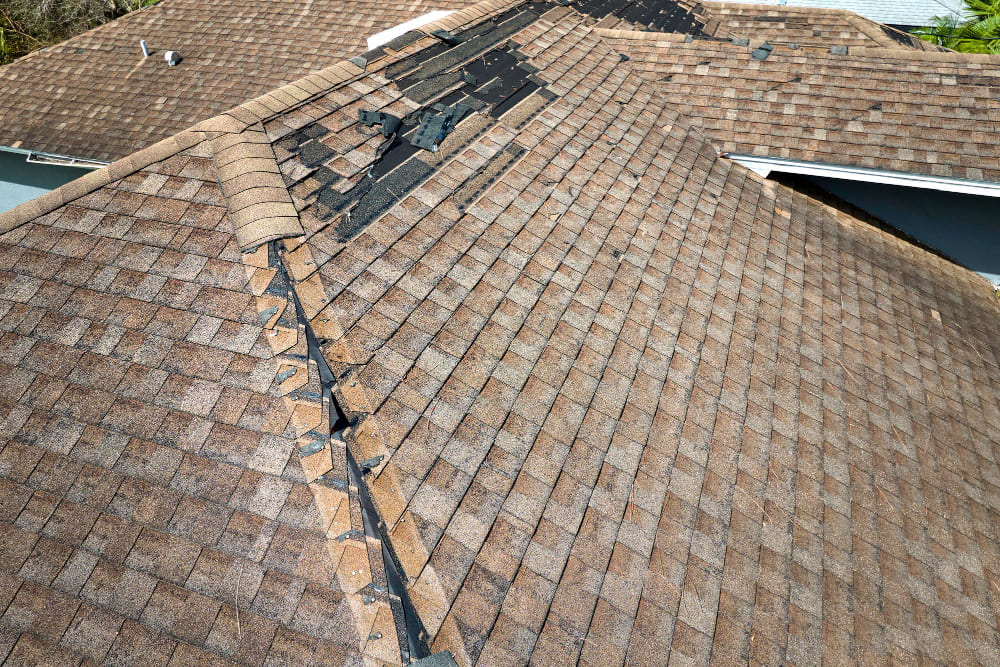
- Look for Broken or Displaced Tiles: Cracked, chipped, or missing tiles often allow water to sneak underneath. These gaps become major entry points and often require immediate leak in roof repair to stop further damage.
- Inspect the Ridge, Valleys, and Hips: These areas are prone to leaks due to water concentration and shifting over time. If any tiles appear loose or misaligned here, they can easily let moisture in during heavy rainfall.
- Check for Debris Accumulation: Leaves, branches, and moss can trap moisture and cause slow leaks beneath tiles. Clearing debris regularly not only prevents rot but also helps pinpoint how to find leaks in roof areas that stay damp long after rain ends.
3. Test with Water Methodically
If nothing is obvious from the interior or exterior checks, water testing can simulate a rainstorm to help isolate the problem. This technique works especially well for pinpointing slow or hidden leaks. It’s one of the more practical ways on how to find leaks in roof materials when signs are inconsistent.
How to Perform Controlled Water Testing
- Spray in Small Sections: Soak a specific area of the roof with a garden hose for several minutes before moving on to the next. Have someone inside watch for drips or moisture to appear — this helps identify the exact location without guesswork.
- Work from Bottom Up: Always begin at the lowest point of the roof and work upward in rows. This keeps water from masking the true leak source and makes it easier to track the point where it enters.
- Document Results Carefully: Keep track of which areas were sprayed and when moisture appeared indoors. This methodical approach improves accuracy and avoids unnecessary leak in roof repair efforts in the wrong spots.
4. Inspect Flashing and Sealant Areas Closely
Flashing is used to seal edges where the roof meets chimneys, vents, or walls — and it’s one of the most common sources of roof leaks. Over time, flashing can lift, crack, or corrode, creating gaps that let water in. Failing sealants around flashing also play a major role in how to find roof leak damage that doesn’t involve broken tiles.
How to Inspect Flashing and Sealant Areas
- Look Around Chimneys and Skylights: Flashing here often cracks or separates from the surface due to expansion and contraction. These weak points are frequent culprits behind emergency roof leak repair calls during storms.
- Check Sidewalls and Step Flashing: Step flashing runs along vertical walls next to sloped sections of roof and can pull away if not nailed properly. Water often sneaks in behind this type of flashing and travels downward undetected.
- Examine Sealants for Drying or Gaps: Roof cement and caulk can dry out over time, especially in sunny climates. When sealants fail, the barrier against water disappears, requiring swift leak in roof repair to avoid ceiling and attic damage.
5. Call a Professional for Tough Cases
Sometimes, no matter how careful the inspection, the source of a leak stays hidden. Slate and tile roofs require expert handling because walking on them without proper technique can cause more harm than good. Knowing when to stop and call a specialist is essential, especially if emergency roof leak repair is needed.
How Professional Help Can Make the Difference
- Advanced Tools for Leak Detection: Roofers often use infrared cameras or moisture meters to detect hidden damp areas under tiles. These tools reveal what the eye can’t see, especially when trying to figure out how to find leaks in roof decking or insulation.
- Trained Eyes for Complex Roofs: Professionals understand how slate and tile systems are layered and where leaks typically form. Their experience shortens the process, reducing the chance of misdiagnosis and wasted time.
- Safe and Accurate Repairs: Slate and tile are expensive materials, and a wrong step can crack multiple pieces. Hiring a specialist ensures repairs are done right the first time, saving money and preventing future leak in roof repair emergencies.
How to Tell If the Leak Is Active or Dormant
Not every water stain or ceiling mark means there’s an ongoing leak. Some signs point to damage from a past storm or a now-repaired problem. Knowing the difference helps avoid unnecessary panic or, worse, ignoring a real need for emergency roof leak repair.1. Touch the Area for Moisture or Softness
An active leak will often feel damp, cool, or even soft to the touch. If drywall gives slightly or insulation feels wet, it’s a strong sign the leak is ongoing. This physical check is a quick way to begin understanding how to find roof leak symptoms inside a home.2. Use a Moisture Meter for Accuracy
Moisture meters give exact readings on how much water is present behind walls or ceilings. High levels suggest a fresh or active leak that needs attention, especially when planning leak in roof repair. These tools are inexpensive and provide more certainty than a guess.3. Compare the Area After Rainfall
Check stains or suspect areas after a recent storm or heavy rain. If the water mark has grown or feels wetter, that’s a clear sign of an active issue. This simple observation can help confirm how to find leaks in roof materials and direct attention to the right part of the structure.4. Look for Mold Growth or Musty Smells
Mold needs moisture to grow, so its presence often signals a leak that hasn’t dried out. A musty odor or visible black or green patches show the leak is still active. It’s also a health warning, making emergency roof leak repair more urgent than cosmetic fixes.5. Check for Water Drips or Pooled Water
Pooled water on attic insulation, slow drips, or fresh water trails usually indicate a live leak. These signs often appear shortly after rain and should not be ignored. Spotting actual movement of water helps confirm how to find roof leak points rather than guessing.6. Inspect the Stain’s Edges and Color
Older stains often dry to a brown or copper tone and have crisp edges. Active leaks usually look darker in the center with blurry or spreading edges. Recognizing this pattern helps separate past issues from current ones, saving time on unnecessary leak in roof repair.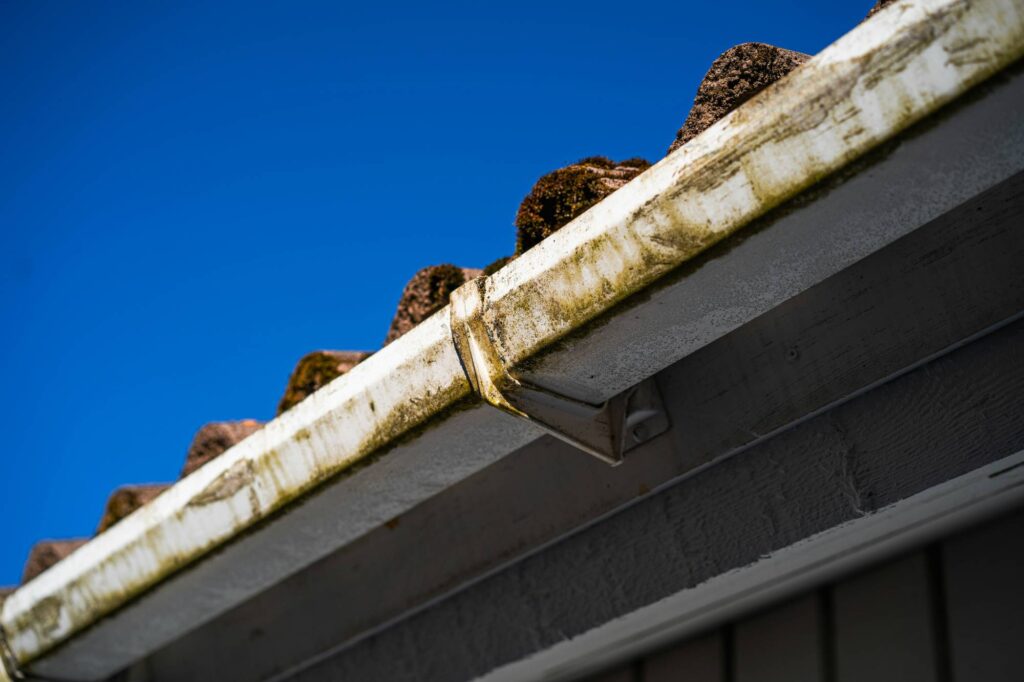
6 Preventive Maintenance Tips to Avoid Leaks
Preventing leaks in slate and tile roofs starts with small, consistent habits. Regular maintenance not only protects the structure but also makes it easier to spot early signs of trouble. These tasks help reduce the chance of needing emergency roof leak repair and make it simpler to learn how to find leaks in roof areas before they worsen.1. Clean Debris from Roof Valleys and Gutters
Leaves, branches, and dirt can collect in valleys and gutters, blocking water flow and trapping moisture. This leads to pooling, which can slowly work beneath tiles and cause damage over time. Keeping these areas clear is a simple way to prevent a leak in roof repair from becoming necessary.2. Trim Overhanging Tree Branches
Branches that hang too close can scrape tiles, dislodge slate pieces, or drop debris that clogs water paths. During storms, falling limbs often cause direct tile damage, leading to hidden leaks. Keeping trees trimmed back is a proactive way to avoid needing emergency roof leak repair.3. Check Flashing and Sealant Twice a Year
Flashing around chimneys, skylights, and sidewalls should be inspected for cracks or lifted edges. Sealants dry out over time and can peel away, creating easy water entry points. Regularly checking these spots helps reinforce how to find roof leak sources before they cause interior damage.4. Replace Cracked or Missing Tiles Immediately
Even one broken tile can expose the underlayment to moisture, especially in heavy rain. Water can travel underneath intact tiles and enter at unexpected spots, making how to find leaks in roof areas more difficult later. Replacing damaged tiles early prevents larger repairs down the line.5. Inspect Attics for Hidden Moisture
Routine attic checks can uncover small leaks that haven’t shown on the ceiling yet. Look for damp insulation, darkened wood, or a musty odor that may signal water intrusion. This is one of the most effective habits for staying ahead of leak in roof repair needs.6. Schedule an Annual Roof Inspection
Professional inspections often reveal small problems that homeowners might miss. Roofers know exactly how to find roof leak risks in slate and tile systems, including those hidden under overlapping tiles. A once-a-year check adds peace of mind and can prevent costly emergency roof leak repair later.How to Choose the Right Roofing Contractor
When dealing with slate or tile roof issues, the right contractor makes all the difference. A skilled roofer understands how to find leaks in roof structures without causing more damage and knows how to handle fragile materials. With the U.S. roofing market projected to reach USD 33.40 billion by 2033, the demand for qualified, trustworthy contractors in Poughkeepsie, NY, is only growing—making the right choice more important than ever.1. Look for Experience with Slate and Tile Roofs
Not all roofing contractors are trained to work with slate or tile. These materials require specific techniques to avoid cracking and to properly address a leak in roof repair without disturbing surrounding tiles. Ask about past projects and ensure the roofer has direct experience with similar roof types.2. Ask About Leak Detection Methods
An expert roofer should explain how they plan to find the source of the problem. Look for contractors who use proven tools like moisture meters, drones, or infrared scans as part of their process for how to find roof leak points. These methods improve accuracy and reduce unnecessary repairs.3. Check for Proper Licensing and Insurance
A legitimate roofing contractor should be licensed to operate in the area and fully insured. This protects homeowners from liability and ensures the company meets safety and building standards. These basics are especially important during high-risk jobs like emergency roof leak repair.4. Request Detailed Estimates in Writing
Before committing, ask for a clear breakdown of all costs, materials, labor, and the repair timeline. This helps avoid hidden charges and sets clear expectations for how the contractor plans to handle leak in roof repair work. A professional roofer will always provide a written estimate upfront.5. Look for Reviews and References
Customer feedback can reveal a contractor’s reliability and quality of work. Check online reviews and ask for recent references who had similar slate or tile roof issues. Positive word-of-mouth is a strong sign the contractor knows how to find leaks in roof areas and repair them well.6. Evaluate Communication and Professionalism
Pay attention to how the roofer communicates from the start—quick responses, clear answers, and punctual appointments matter. Contractors who respect your time and provide honest guidance often deliver better results. This matters especially when emergency roof leak repair is urgent and can’t wait.Frequently Asked Questions
A roof leak will not stop on its own and often worsens over time, even if it seems to dry out temporarily. Moisture can remain trapped under tiles or slate, leading to rot, mold, or hidden damage. Delaying leak in roof repair only increases the risk of needing emergency roof leak repair down the line.
Many homeowner policies cover damage from sudden events like storms, but not from age or neglect. It’s important to document the issue and understand the policy’s terms before filing a claim for leak in roof repair. Having proof of how to find roof leak signs can help support the claim.
Yes, even a small leak can affect insulation and lead to energy loss through the attic. Water intrusion often reduces insulation efficiency, forcing heating or cooling systems to work harder. Spotting issues early by learning how to find leaks in roof structures can prevent unexpected utility spikes.
Some roof coatings can offer temporary protection, but they’re not a substitute for proper repairs. They often fail to address the root cause, especially in slate or tile systems. Coatings may delay leak in roof repair but shouldn’t replace professional attention when trying to avoid emergency roof leak repair.
Late spring and early fall are ideal because weather conditions are more predictable and safer for inspection. These seasons also allow time for repairs before extreme weather hits. Planning ahead makes it easier to manage how to find roof leak issues without needing last-minute fixes.
Stop Leaks Fast with Lyndsey Roofing, LLC Today!
When it comes to reliable leak detection and expert slate or tile roof repairs, Lyndsey Roofing, LLC delivers trusted service across Poughkeepsie, NY, and surrounding areas. Our experienced team knows how to find roof leak issues quickly and fix them with care—before they become costly emergencies. Whether it’s a stubborn drip or full-scale emergency roof leak repair, count on quality craftsmanship, clear communication, and fast turnaround.
Don’t wait for damage to spread—reach out to Lyndsey Roofing, LLC and protect what matters most.