Quick Facts
- Most residential roof replacements take one to three days once installation begins.
- Spring and early fall usually offer the best weather windows.
- Asphalt shingles are typically the fastest roofing material to install.
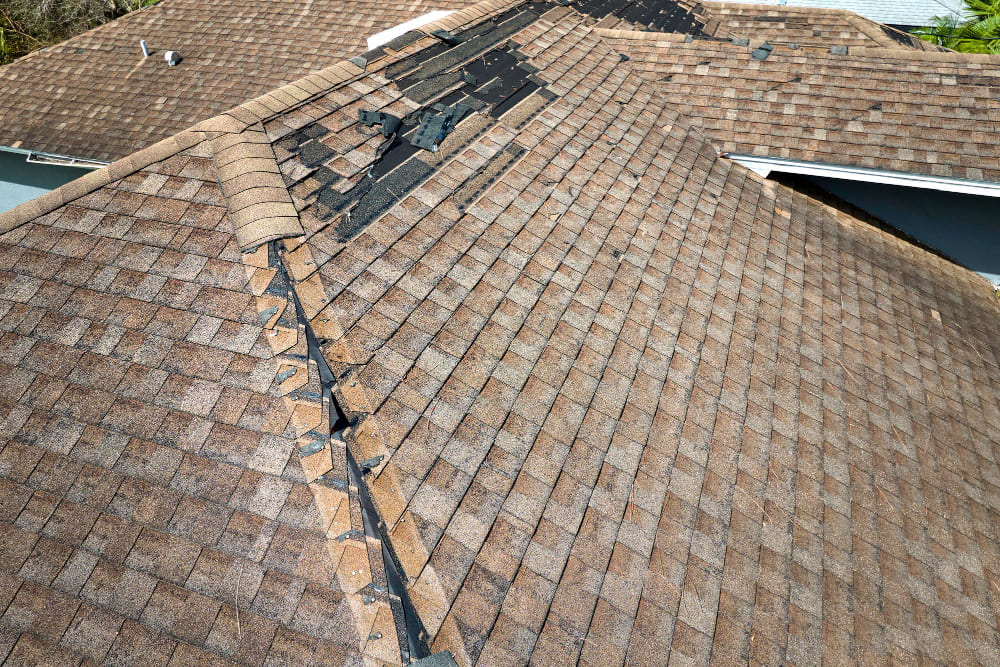
- Hidden structural damage during tear-off is a common reason a same-day job runs into the next morning.
- From first contact to finished roof, the full timeline is usually one to three weeks.
What’s In This Guide
- Roof Replacement Timeline: How Long Does Roof Replacement Take?
- What Happens Before, During, and After New Roof Replacement
- What Can Slow Down a New Roof Replacement in the Hudson Valley
- How to Prepare Your Home for Roof Replacement
- Signs Your Roof Needs Full Replacement
- Frequently Asked Questions
- Ready to Schedule Your Roof Replacement?
Planning a roof replacement comes with a lot of moving parts, and one of the first questions most homeowners ask is how long the whole process will take. The answer depends on more than just the size of your roof. Material choice, weather conditions, structural surprises, and local permit requirements all play a role in shaping the timeline from start to finish.
Here are the key factors that determine how long your roof replacement will take in the Hudson Valley.
Roof Replacement Timeline: How Long Does Roof Replacement Take?
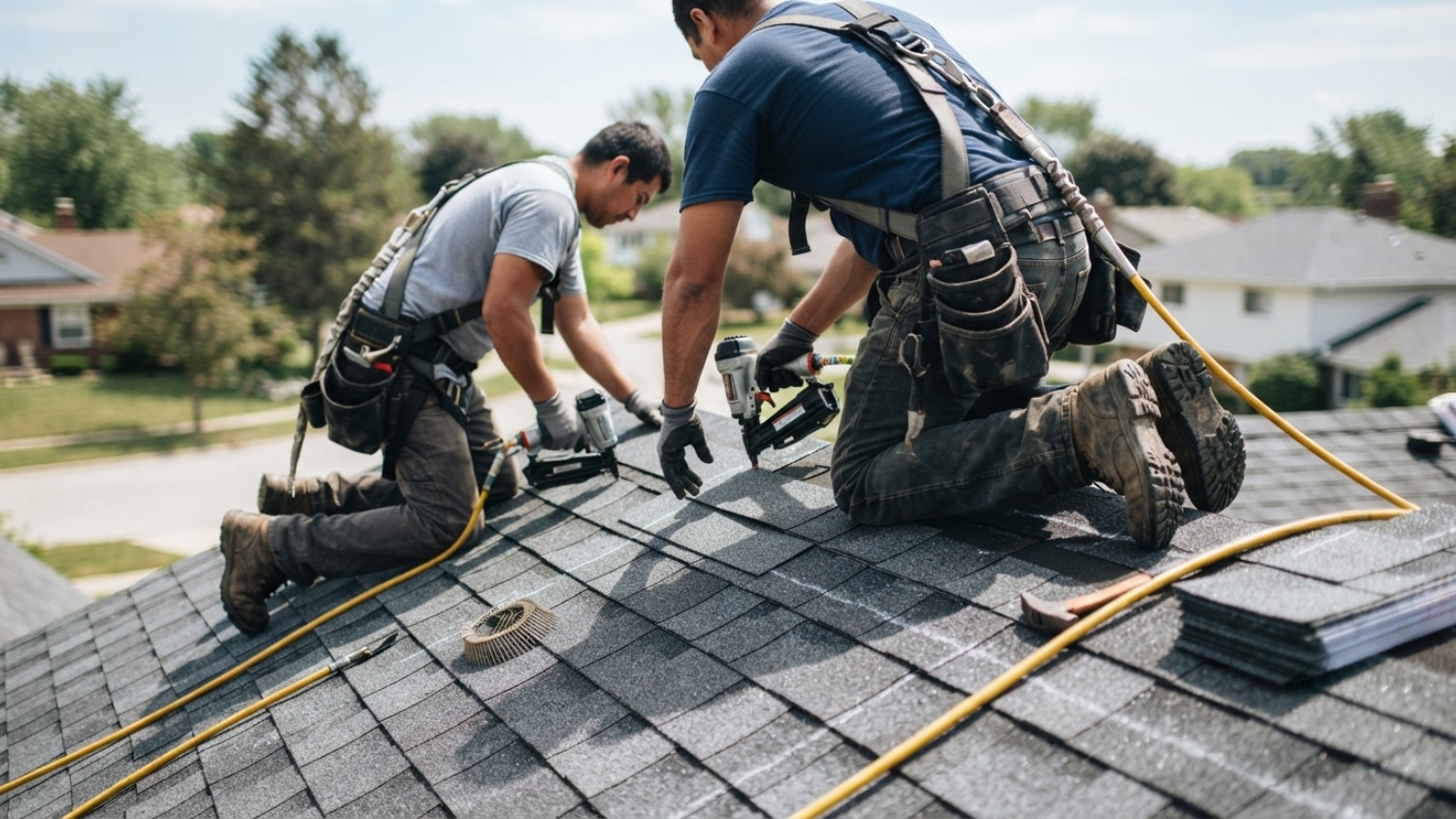
Before variables come into play, here is a realistic range based on roof type and scope:
|
Roof Material |
Roof Replacement Timeline (No. of Days to Install) |
|
Metal |
7–14 |
|
Asphalt |
1–3 |
|
Tile |
6–12 |
|
Wood |
2–8 |
|
Concrete |
8–9 |
|
Slate |
6–7 |
These are active installation days on your property. They do not account for inspection scheduling, material delivery, or permit processing, all of which add time to the front end of the project.
What Happens Before, During, and After New Roof Replacement
A roof replacement does not begin when the truck pulls up. There are six distinct phases, and knowing where you are in each one gives you a clearer picture of when your project will be finished.
Step 1: Inspection and Estimate (1-3 Days After Contact)
A qualified contractor inspects the roof, takes measurements, assesses the decking condition from accessible points, and reviews material options with you. If your replacement is insurance-related, add 1 to 2 weeks for adjuster involvement before work can be scheduled.
Step 2: Material Ordering and Scheduling (3-14 Days)
Material availability and crew scheduling can affect when work begins. Common roofing materials are often easier to source, while specialty products may take longer. Busy seasons can also extend the wait before installation starts.
Step 3: Property Preparation (Day Before or Morning Of)
This phase is shared between the homeowner and the crew. The contractor handles protective tarps over landscaping, dumpster placement, and staging materials. The homeowner clears the driveway, moves vehicles, and secures outdoor furniture.
Step 4: Tear-Off and Decking Inspection (First Few Hours of Installation Day)
The existing roofing material is removed down to the decking. This is the phase where hidden problems surface. Rotted sheathing, moisture-damaged rafters, or deteriorated fascia boards found during tear-off require repair before installation can continue. This is the most common cause of same-day timeline extensions, and it is not a reflection of poor planning. It is simply what older housing stock in the Hudson Valley sometimes reveals.
Step 5: Installation
Once the decking is confirmed sound (or repaired), the crew installs new underlayment, drip edge, flashing around chimneys and penetrations, field shingles or membrane, ventilation components, and ridge caps. This is the longest phase of the workday.
Step 6: Cleanup and Final Walkthrough (Last 1-2 Hours)
The crew runs a magnetic nail sweep across the property, removes debris, pulls the dumpster, and walks the finished roof with you before leaving. A thorough final walkthrough is standard practice with any reputable contractor and allows you to confirm that all penetrations, edges, and transitions were addressed.
What Can Slow Down a New Roof Replacement in the Hudson Valley
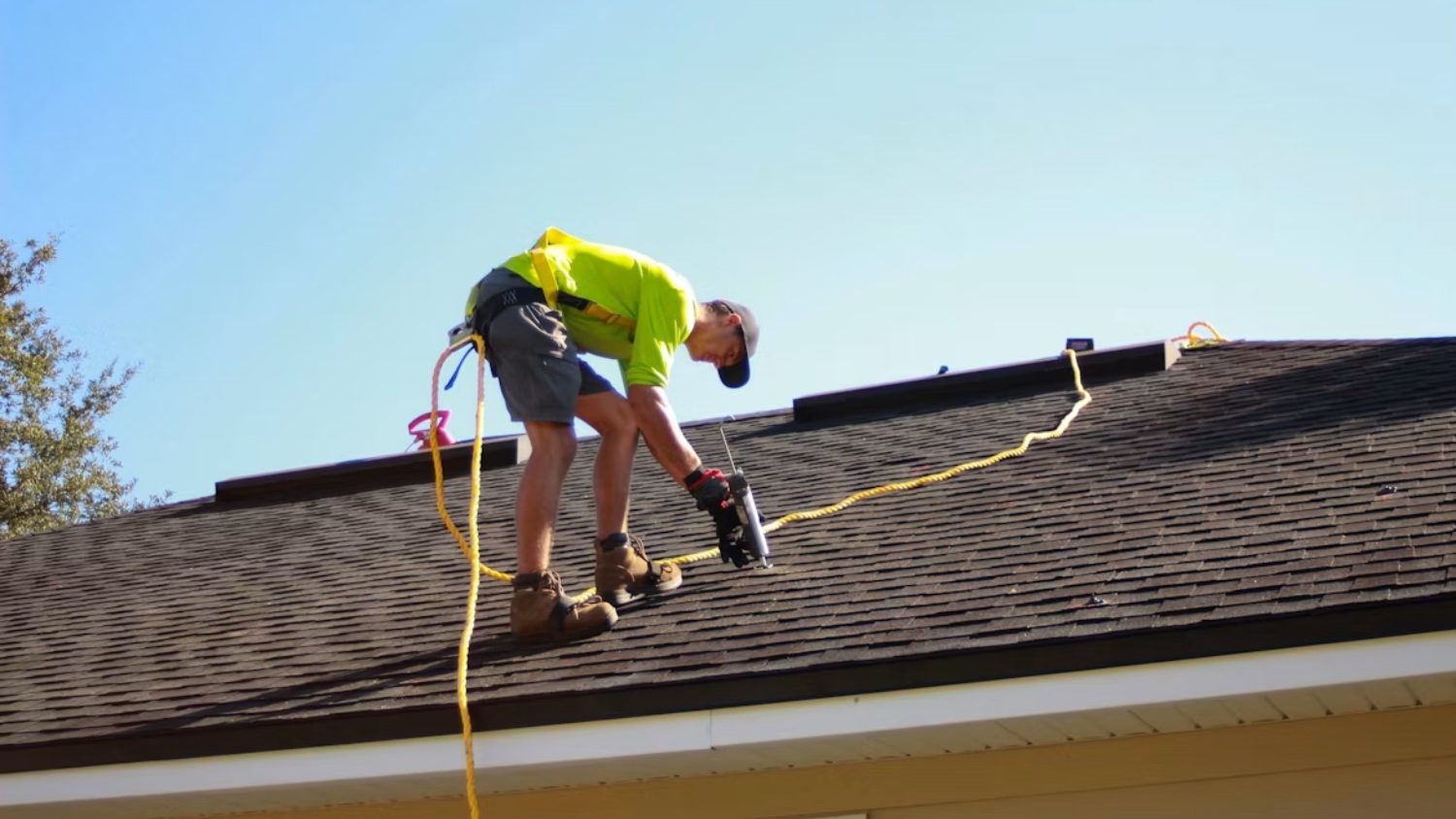
Several factors can extend a roof replacement beyond the usual timeline.
Weather Delays
Hudson Valley weather can be unpredictable. Asphalt shingles typically need temperatures around 40°F or higher to seal properly, and rain stops open-deck work. Fall and winter projects often require tighter scheduling windows.
Roof Size and Pitch
Steep roofs, dormers, intersecting rooflines, and older Victorian or Colonial-style homes can slow installation. These details require more careful movement, additional cuts, and extra safety precautions. They often add hours, or even a full day, compared to a simple gable roof.
Material Type
EPDM, TPO, SBS, metal roofing, and cedar shake all take longer than standard asphalt shingles. These systems require more precise, labor-intensive installation, especially around seams, edges, flashing, and transitions.
Structural Repairs
Rotted decking or damaged framing may only appear after a tear-off. Repairs can add several hours or part of a day, but they need to be handled before the new roof goes on to ensure the finished system is secure and properly supported.
Permit Requirements
Some areas may require permits for a full roof replacement. Depending on local requirements, permit approval can occasionally affect scheduling before work begins, especially if paperwork or inspections are needed.
READ NEXT: Solar Shingles vs Solar Panels: Pros, Cost, and Installation
How to Prepare Your Home for Roof Replacement
Proper preparation on your end helps the crew work efficiently and reduces the chance of accidental property damage.
Clear Driveway Access Early
Material delivery trucks and dumpster placement require unobstructed access to your property. Clear the driveway at least 12 to 24 hours before the scheduled start date so the crew is not waiting on logistics when they arrive.
Move Vehicles Away from the Home
Park all vehicles at least 20 feet from the house before work begins. Falling debris, sliding shingles, and nail gun discharge can reach further than most homeowners expect, and repositioning a car mid-job creates unnecessary delays.
Secure Outdoor Furniture and Plants
Remove or cover grills, outdoor furniture, and potted plants around the house perimeter. The crew will lay protective tarps over landscaping, but loose items close to the foundation are a practical safety concern throughout the workday.
Protect What Is in Your Attic
If your attic is accessible, secure, or move any items stored on open shelving. Nail gun vibration transfers directly through the decking and is strong enough to knock items off rafters or shelves, especially during the early tear-off phase.
Cover Exterior HVAC Equipment
Any window AC units or HVAC components near the roofline should be covered with plastic sheeting or tarps before the crew starts. Debris and granule fallout from torn-off shingles can clog or damage exposed equipment.
Give Your Neighbors a Heads-Up
Roof replacement is loud, and it starts early. If a shared driveway or limited street parking is involved, a brief notice the day before prevents unnecessary friction. Dumpster placement can occasionally affect access, and neighbors appreciate knowing in advance.
Keep Children and Pets Inside
The work zone around an active roof replacement is not safe for unsupervised movement. Keep children and pets indoors for the full duration of installation, including cleanup, when loose nails and debris are still being cleared from the property.
Confirm Material Delivery Before the Crew Arrives
A crew on-site without materials is a full day lost. Before your scheduled installation date, confirm with your contractor that all materials have been delivered or are staged and ready. This is a straightforward check that eliminates one of the most avoidable project delays.
Signs Your Roof Needs Full Replacement
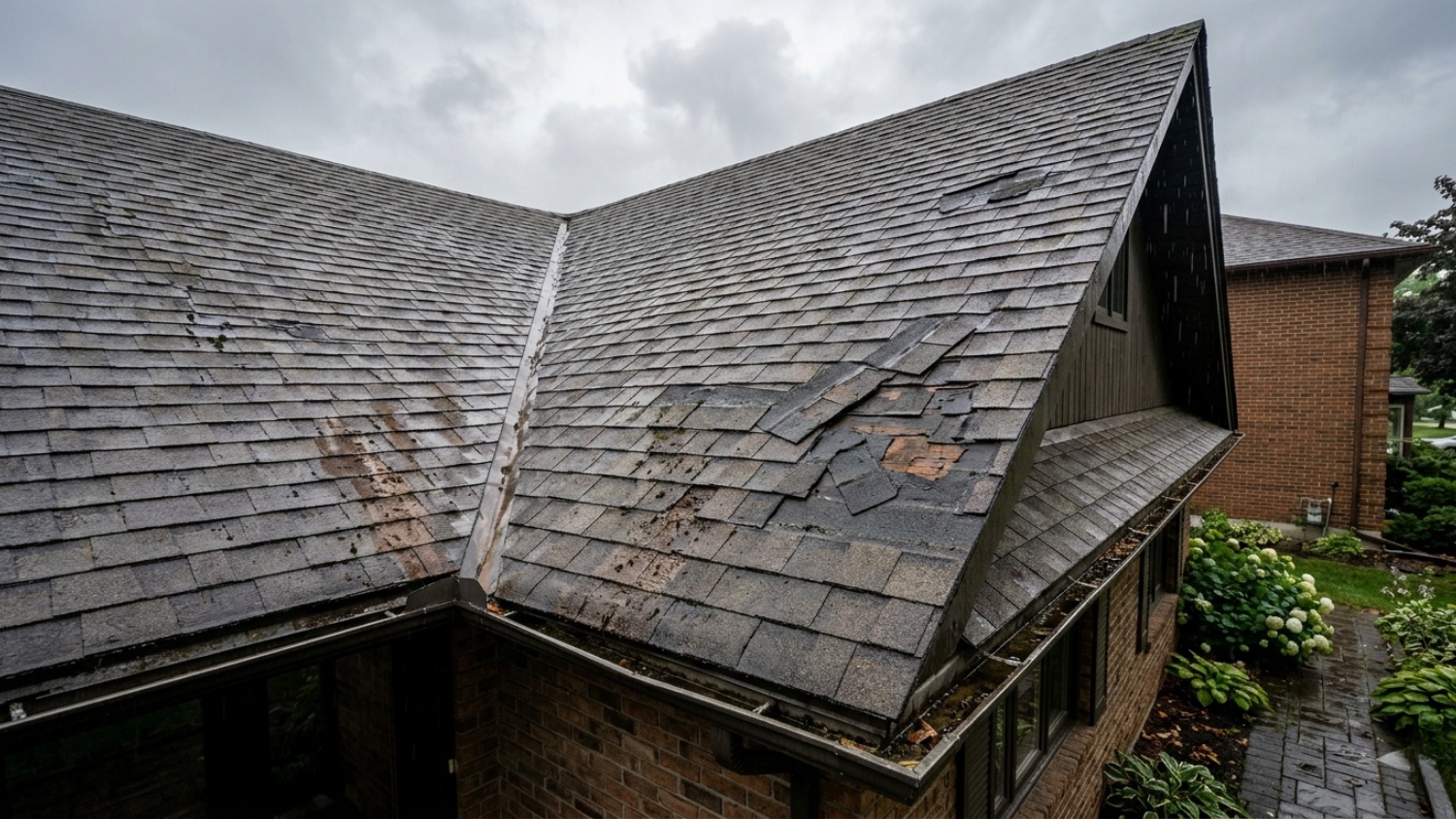
Not every roofing problem calls for a full replacement, but certain conditions repair an ineffective long-term solution. Knowing the difference before you call a contractor helps you go into the conversation informed and ready to make the right call for your home.
Your Roof Is Past Its Expected Lifespan
Asphalt shingles typically last 20 to 30 years, depending on product grade, installation quality, and attic ventilation. If your roof is approaching or has exceeded that window, ongoing repairs become a short-term fix on a system that is already in decline.
Shingles Are Curling, Buckling, or Missing in Multiple Areas
Curling at the edges or buckling along the middle of a shingle are signs of moisture damage or improper ventilation that has compromised the material over time. When this pattern appears across multiple sections, spot repairs will not address the underlying failure.
You Have Persistent Leaks After Multiple Repairs
A single leak repaired correctly should not return. If water intrusion keeps reappearing in the same areas despite professional repairs, the problem is systemic rather than isolated.
The Decking Feels Soft or Shows Visible Sagging
A spongy feel underfoot when walking on the roof, or visible sagging between rafters from the ground, points to moisture-damaged or structurally compromised decking beneath the surface. This level of deterioration cannot be resolved with surface-level repairs alone.
Your Roof Has Sustained Storm or Impact Damage Across a Large Area
Hail strikes, fallen limbs, and severe wind events can compromise shingles, flashing, and decking across a wide surface area simultaneously. When damage extends beyond a contained section, replacement is often the more cost-effective and structurally sound path forward.
Frequently Asked Questions
Can a roof be replaced in one day?
Yes, in many cases. A standard asphalt shingle replacement on a single-story home under 2,000 square feet can be completed in a full workday, provided no structural issues surface during tear-off and weather conditions are favorable.
Does rain delay a roof replacement?
Yes. Once decking is exposed, rain cannot be allowed to saturate the sheathing or underlayment. Most contractors will not begin the tear-off if rain is forecasted within the same workday window.
What causes unexpected delays during a roof replacement?
The most common cause is discovering rotted or moisture-damaged decking after a tear-off. This is especially common in older Hudson Valley homes and cannot always be identified during a pre-installation inspection.
Do I need to be home during the replacement?
You do not need to be present for the full duration. Being available for the initial tear-off inspection and the final walkthrough, however, allows you to ask questions, confirm the scope of any repairs, and sign off on the completed work.
Does replacing a roof increase home value?
A new roof can improve curb appeal, energy efficiency, and buyer confidence. It may also make the home easier to sell by reducing concerns about leaks, storm damage, or near-term repair costs. While the exact return varies by home and market, a roof replacement is often viewed as a strong practical upgrade.
Ready to Schedule Your Roof Replacement in Poughkeepsie, NY?
Understanding the timeline is useful. Getting an accurate one for your specific roof requires a professional assessment. Every home is different, and the variables that affect your project, such as pitch, material, decking condition, and local permit requirements, can only be evaluated on-site.
Lyndsey Roofing offers free roof inspections and detailed project estimates for homeowners and commercial property owners throughout Poughkeepsie and the greater Hudson Valley region.