What’s in This Guide
- Why Hudson Valley Winters Are Hard on Roofs
- What to Check Before Winter Arrives (Pre-Winter Roof Maintenance Checklist)
- How to Inspect Your Roof From the Ground (Step-by-Step)
- What to Check After Snow, Ice, and Heavy Rain
- What Requires a Professional Roof Inspection
- How Often Should You Schedule a Roof Inspection
- Frequently Asked Questions
- Schedule Your Free Roof Inspection Today
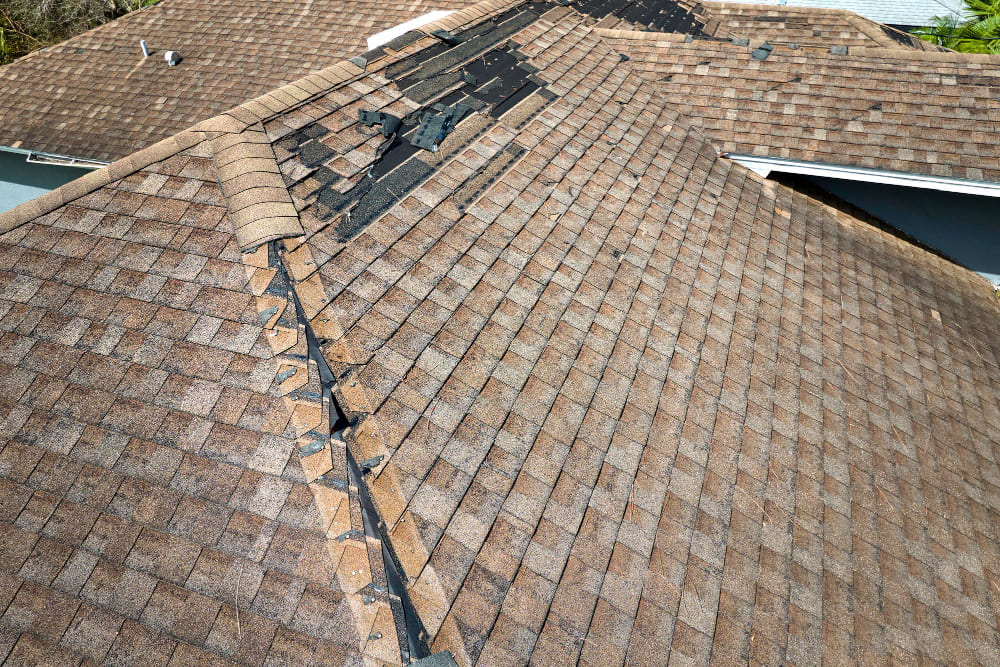
Hudson Valley winters do not go easy on a roof. Freeze-thaw cycles, heavy snow, and sudden downpours all take a toll on shingles, flashing, and gutters, and a home that looks fine from the driveway can still be hiding a slow leak or a stressed roof deck. That is why roof maintenance in Poughkeepsie, NY, matters just as much as roof replacement when it comes to protecting a home’s biggest investment. A structured roof maintenance checklist gives homeowners a clear way to catch small problems, like a curled shingle or a clogged downspout, before they turn into water damage inside the house. This guide walks through what to check before winter, what to look for after snow and ice, and when a problem is worth a professional roof inspection.
Quick Facts
- Twice a year: fall and spring inspections catch most seasonal roof damage early
- Ground-level signs: missing shingles, sagging gutters, and granule buildup are visible from the yard
- Attic clues: water stains and cold drafts often point to ice dam damage overhead
- When to call a pro: steep roofs, deep snow, or a suspected leak need a licensed contractor
Why Hudson Valley Winters Are Hard on Roofs
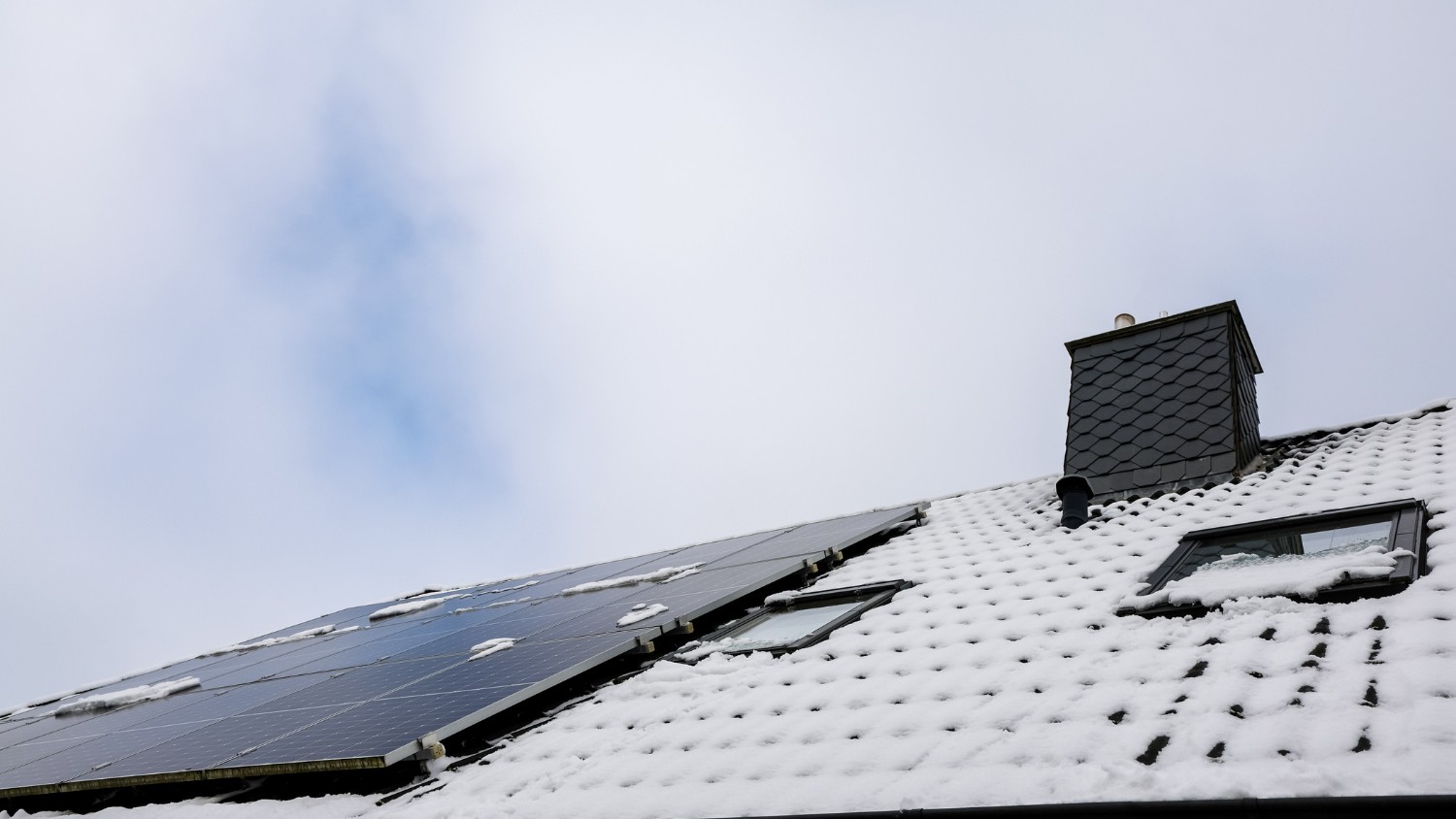
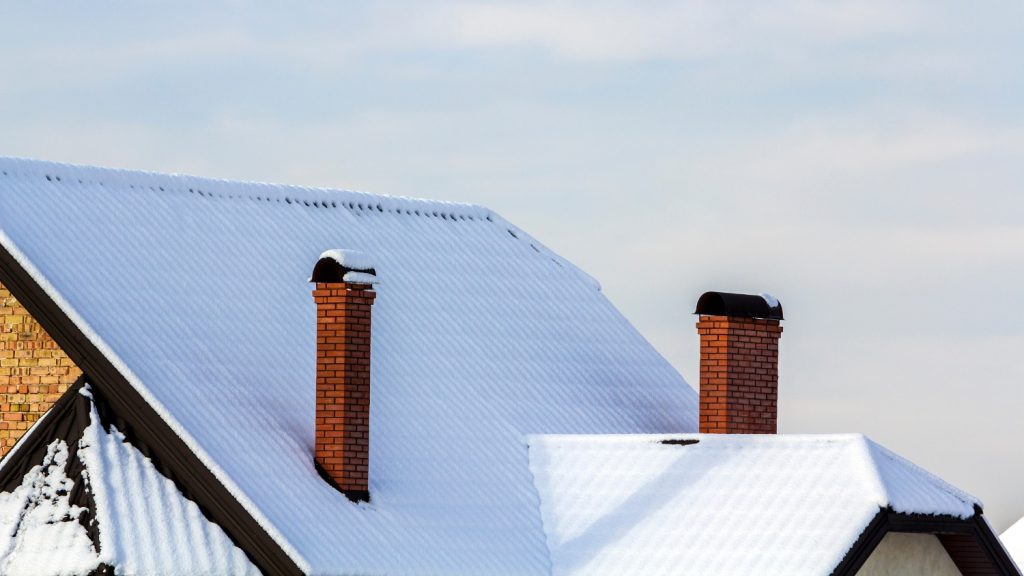
Dutchess County and the wider Hudson Valley see repeated freeze-thaw cycles each winter, and that swing between melting and refreezing is what drives most seasonal roof damage. The National Weather Service explains how ice dams form when heat escaping through the attic melts snow on the upper roof, and that meltwater refreezes once it reaches the colder eaves, building a ridge of ice that traps water behind it.
That trapped water has nowhere to go but under the shingles, especially in roof valleys, around chimney flashing, and near pipe boots where the roof surface is already less uniform. Heavy snow load adds another layer of stress, pressing down on the roof decking and straining any area that already has loose or aging materials. None of this means a Hudson Valley roof is doomed every winter, but it does mean roof leak prevention has to start earlier here than it would in a milder climate.
What to Check Before Winter Arrives (Pre-Winter Roof Maintenance Checklist)
Winter roof maintenance in Poughkeepsie starts well before the first snowfall, and most of it comes down to closing small gaps while the weather still cooperates.
Clear Gutters and Downspouts
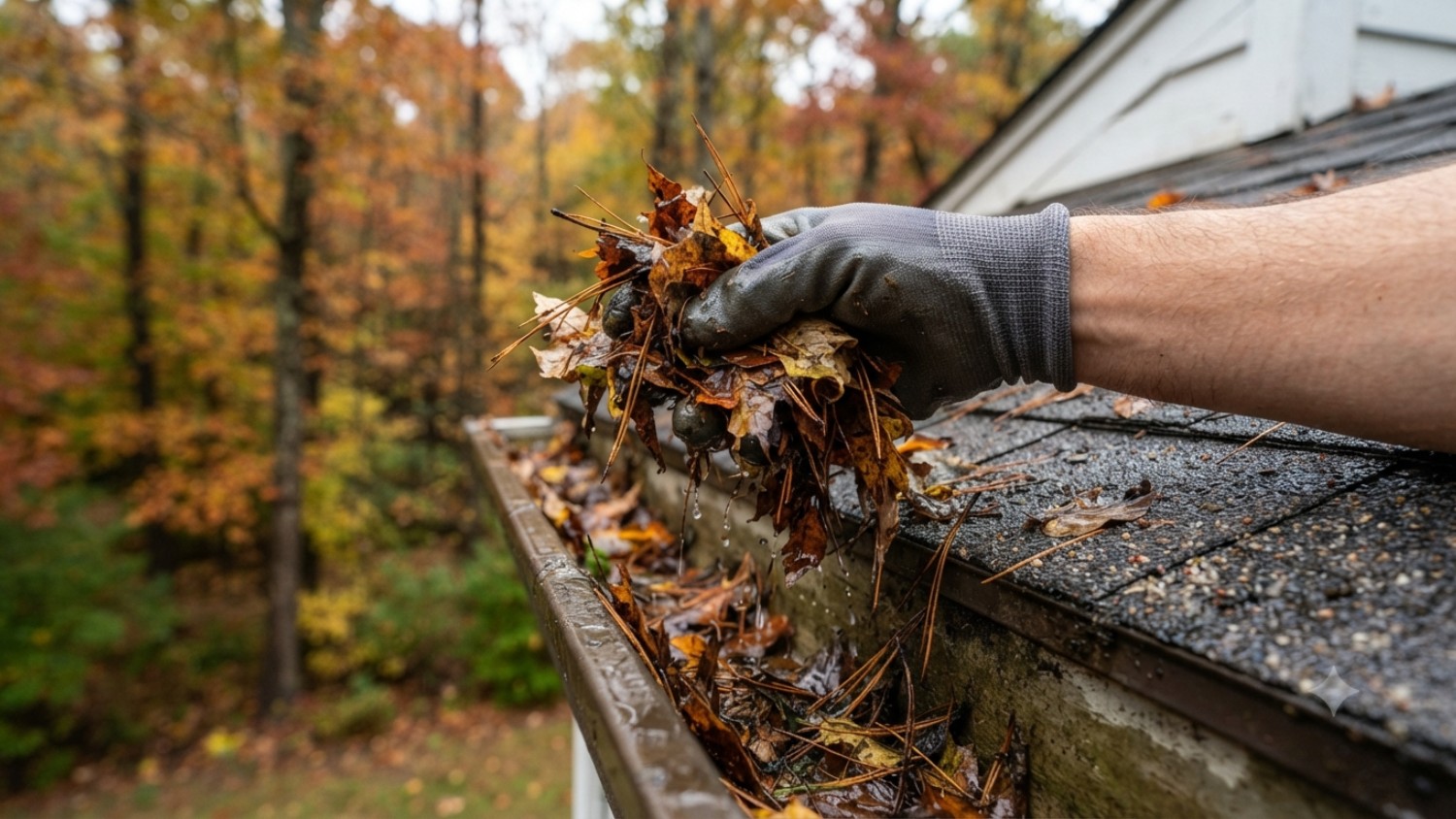
Clogged gutters and downspouts stop meltwater from draining properly, which is one of the most common contributors to ice dams along the roofline. Clearing leaves and debris before the first freeze keeps water moving where it belongs, off the roof and away from the foundation.
Inspect Shingles for Wear
Look for loose shingles, cracked shingles, or curling edges, since catching these small issues in the fall is exactly what a pre-winter check is meant to do. These roof maintenance tips for asphalt shingles apply whether the roof is five years old or twenty, since granule loss collecting in the gutters is often the first visible sign of aging shingles.
Check Flashing and Roof Penetrations
Chimney flashing, pipe boots, and skylight seals are common leak points because they depend on a tight seal rather than overlapping shingles. A quick visual check for cracked caulking or lifted flashing can catch a problem while it is still a small repair.
Trim Branches and Clear Debris
Overhanging branches scrape shingles in the wind and drop leaves and debris into valleys and gutters all winter long. Trimming trees back from the roofline before winter reduces both physical damage and the debris buildup that leads to clogged drainage.
Evaluate Attic Insulation and Ventilation
Uneven attic temperatures are the root cause of most ice dams, so checking that attic insulation and roof vents are doing their job is one of the more overlooked parts of preparing a roof for winter. A cold, evenly ventilated attic keeps the whole roof surface closer to the same temperature, which limits the freeze-thaw cycle that forms ice dams in the first place.
How to Inspect Your Roof From the Ground (Step-by-Step)
Most of a seasonal roof check can be done safely with both feet on the ground. Here is a simple order to follow.
- Walk the full perimeter of the house and look up at the roofline, noting any shingles that look lifted, curled, or missing entirely.
- Check the gutters and downspouts for sagging sections, standing water, or granules collecting at the bottom, which points to shingle wear above.
- Use binoculars to scan roof valleys, chimney flashing, and skylight edges for gaps, rust, or cracked sealant instead of climbing up for a closer look.
- Look at the soffit and fascia boards for peeling paint, soft spots, or gaps, since damage here often means moisture is already getting behind the roofline.
- Head into the attic with a flashlight and check for water stains, damp insulation, or daylight coming through the roof deck.
- Note anything unusual, like a musty smell or a section of the house that feels noticeably colder or warmer, since both can point to moisture or ventilation problems.
What to Check After Snow, Ice, and Heavy Rain
Signs of Ice Dam Damage
After a heavy snow, look for thick ridges of ice along the eaves, icicles hanging close together, or dark streaks under the snow line. Inside, water stains on ceilings near exterior walls or damp spots in the attic insulation are the clearest signs that an ice dam pushed water back under the shingles.
How to Check Your Roof After Heavy Rain
Heavy rain tests every seal on a roof at once, so a walk around the house afterward is worth the ten minutes it takes. Look for new ceiling stains, damp patches on exterior walls below the roofline, and any pooling near the foundation that suggests a gutter or downspout was overwhelmed.
Spring Warning Signs That Need Attention
Once the snow clears, a spring roof inspection often turns up moss growth, algae streaks, or missing shingles that a winter's worth of weather left behind. Granule loss, lifted shingle edges, and sagging gutters are the most common signs your roof needs maintenance before summer storms arrive.
What Requires a Professional Roof Inspection
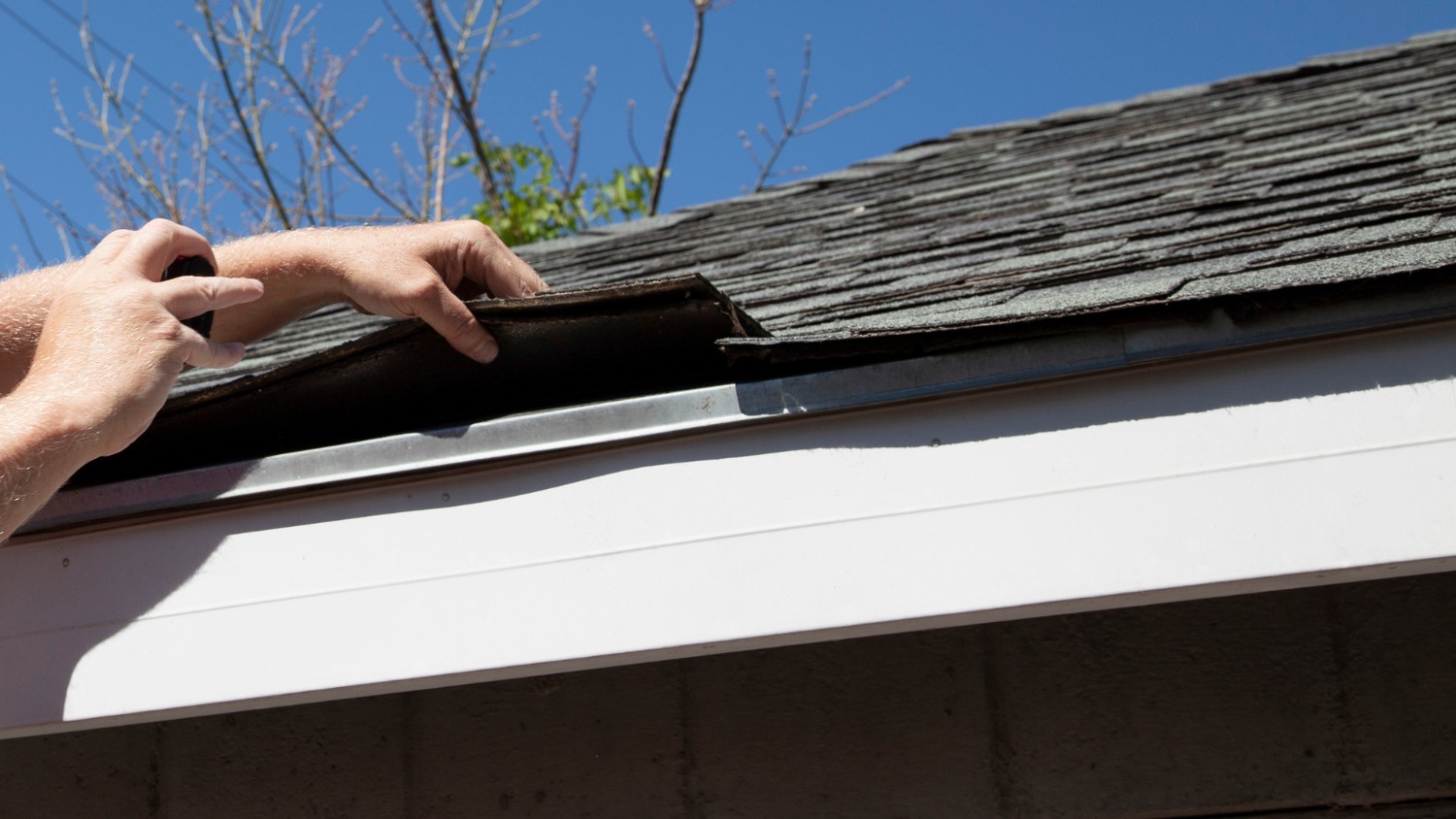
Searching for roof maintenance near me usually means one of two things: something already looks off, or a homeowner wants to get ahead of the next storm season. Either way, some checks are not worth doing solo. Steep rooflines, deep snow, thick ice, and any sign of structural sagging should always go to a licensed roofing contractor rather than a homeowner on a ladder. A professional inspection also covers the parts of the system that are hardest to judge from the ground, like the true condition of the underlayment, the roof decking, and the flashing at more complex intersections.
READ MORE: https://lyndseyroofing.com/spring-roof-maintenance-a-complete-checklist-for-homeowners/
How Often Should You Schedule a Roof Inspection
For most homes in the Hudson Valley, twice a year is the right rhythm: once in the fall to prepare for winter, and once in the spring to check for damage. The National Roofing Contractors Association recommends biannual roof inspections as the standard for catching problems like cracked shingles, loose seams, and deteriorated flashing before they turn into leaks. A seasonal roof inspection across the Hudson Valley should also happen after any major storm, since high winds and heavy snow loads can cause damage that is not obvious from a quick glance at the driveway. For residential roof maintenance in Dutchess County, that fall-and-spring cadence, plus a post-storm check, covers nearly every scenario a homeowner will run into.
Frequently Asked Questions
How much does routine roof maintenance cost?
Cost varies based on the scope of the visit, the size and pitch of the roof, and whether any repairs are needed in addition to the inspection itself. The clearest way to know what a visit will run is a personalized estimate based on your home’s specific roof.
Can homeowners perform roof maintenance themselves?
Homeowners can safely handle ground-level checks like clearing gutters, scanning shingles with binoculars, and checking the attic for stains or drafts. Climbing onto the roof itself is best left to a professional, since it requires safety equipment and training most homeowners do not have on hand.
Does regular roof maintenance affect a manufacturer’s warranty?
Many roofing manufacturers require documented annual inspections to keep material warranties valid, so skipping maintenance can put that coverage at risk. Keeping a simple record of inspections and any repairs is an easy way to protect both the roof and the warranty behind it.
How long does a roof maintenance inspection take?
A typical residential inspection takes under an hour for a straightforward roof, though homes with a steep pitch, multiple roof planes, or existing damage may take longer. A thorough contractor will walk you through anything they find before leaving, not just hand over a report.
Should maintenance still be scheduled if there are no obvious problems?
Yes. Many of the most damaging issues, like a slow leak behind flashing or a saturated section of decking, are not visible until they have already become serious. Routine maintenance is built around catching these problems while they are still small and inexpensive to fix.
Schedule Your Free Roof Inspection Today
A seasonal roof maintenance checklist catches most problems early, but a trained eye still finds things a homeowner can miss from the ground. If it has been more than six months since the last inspection, or a recent storm has raised questions about hidden damage, the team at Lyndsey Roofing® offers a roof maintenance program built for Hudson Valley homes along with professional roof repair services throughout Dutchess County, NY when an inspection turns something up.