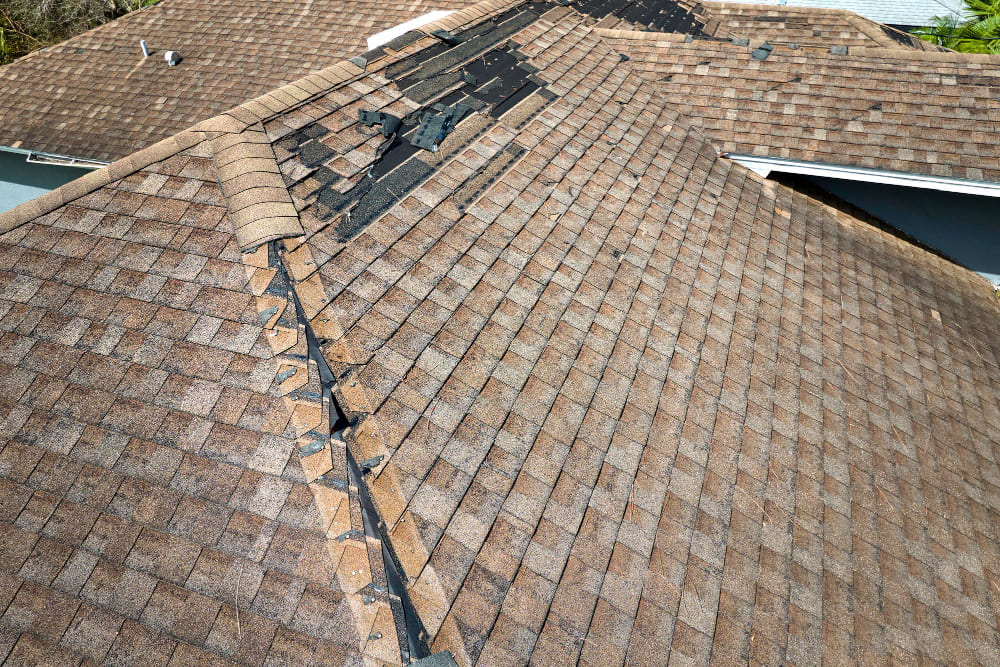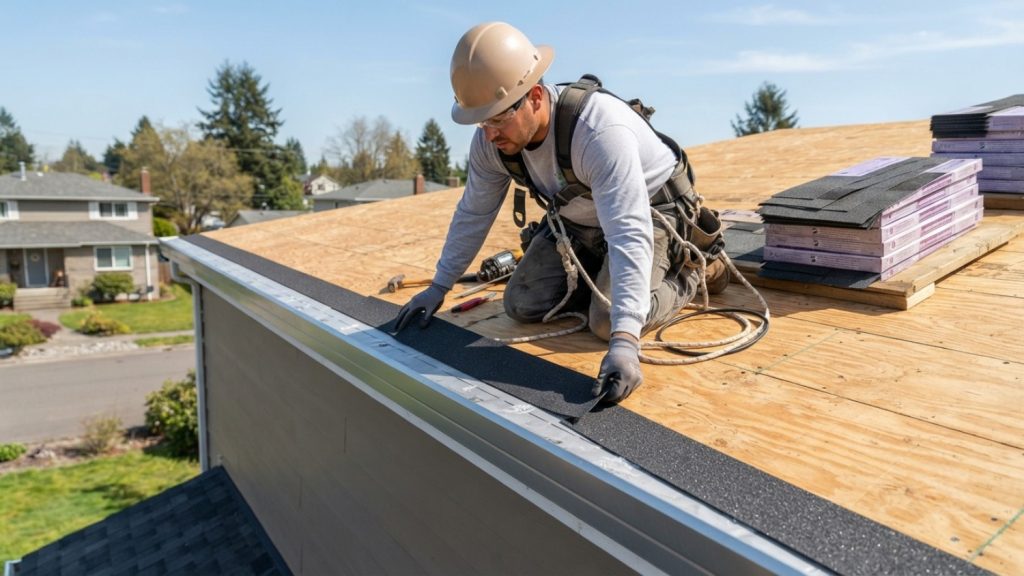
When most homeowners search for roofing companies near them, the results look straightforward: a list of names, star ratings, and phone numbers. The hard part is not finding a company. It is knowing which ones are actually qualified, properly insured, and genuinely invested in the region where you live.
The Hudson Valley market includes long-standing local contractors with deep ties to communities like Poughkeepsie, Beacon, Newburgh, and Rhinebeck. It also attracts out-of-region firms that show up after storms, collect deposits, and leave before the work holds up to its first winter.
For homeowners across Dutchess, Orange, Putnam, and eastern Ulster counties, the difference between hiring the right roofing companies near you and the wrong one can mean thousands of dollars in repairs, a voided material warranty, or a failed municipal inspection.
What’s In This Guide
- How to Choose the Best Roofing Company Near You: A Complete Vetting Checklist
- What a Fully Qualified Roofing Contractor Should Be Able to Handle
- Warning Signs That a Roofing Company May Not Be Who They Say They Are
- Frequently Asked Questions (FAQs)
- Ready to Get a Free Estimate From a Certified Hudson Valley Roofing Contractor?
Quick Facts
- Verify applicable local licensing or registration first.
- Insurance certificates must come from the insurer directly.
- GAF Master Elite is held by fewer than 2% of U.S. roofers.
- Manufacturer warranties and workmanship warranties are not the same thing.
- Storm chasers target the Hudson Valley after severe weather.
How to Choose the Best Roofing Company Near You: A Complete Vetting Checklist
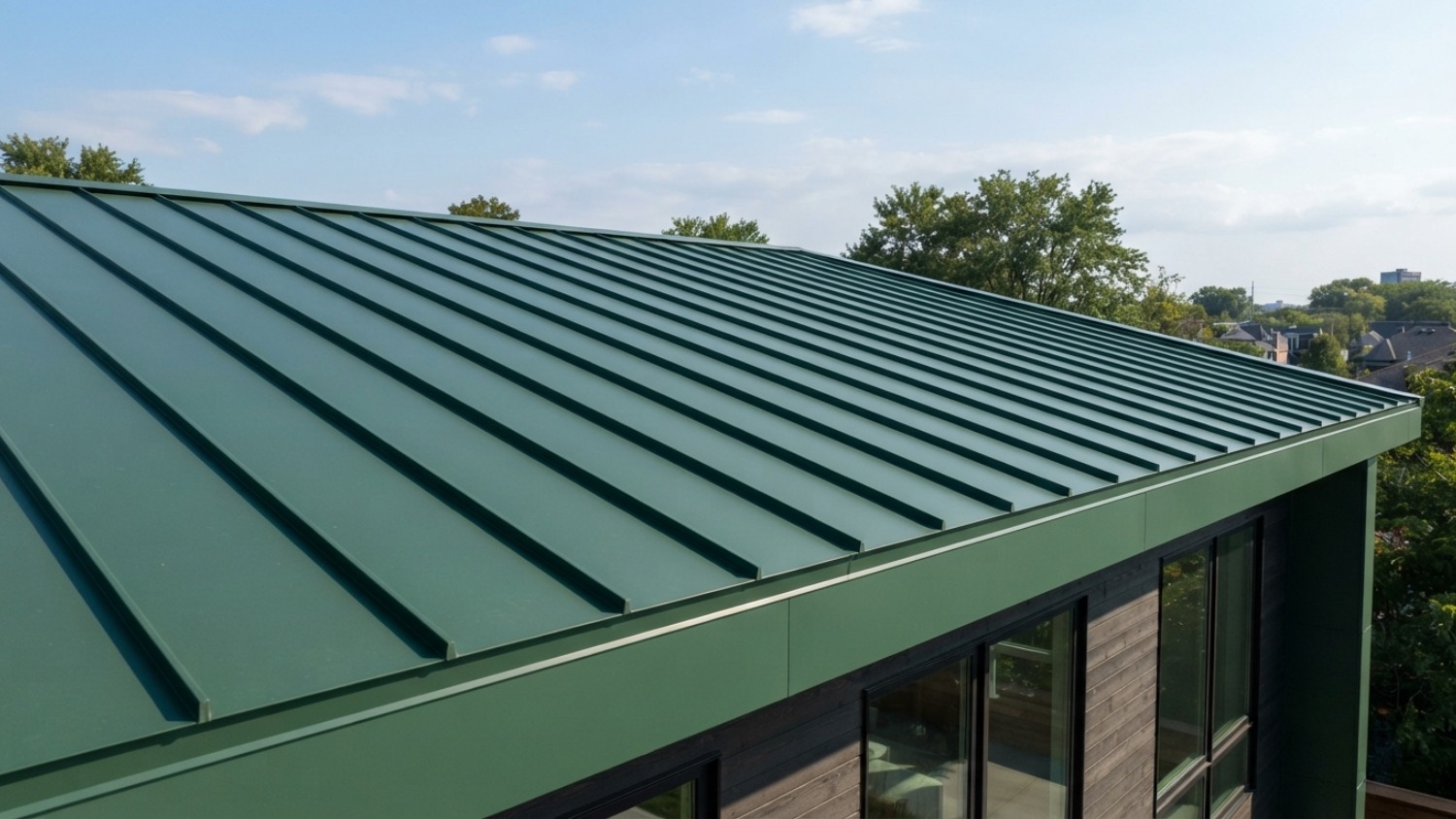
This is where most homeowners skip ahead too quickly. Before reviews, before pricing, before anyone gets on your roof, there is a specific sequence of verification steps that separates a qualified licensed roofing contractor from one that could cost you significantly more in the long run.
Step 1: Verify Applicable Local Licensing Before Anything Else
New York State requires all roofing contractors to hold a valid Home Improvement Contractor (HIC) license through the NYS Department of State. Where local licensing applies, it helps confirm that the contractor has met the jurisdiction’s legal requirements to perform residential work.
Ask for any applicable local license or registration number and verify it through the proper city, county, or local licensing office. This takes minutes and eliminates a significant category of risk immediately. A contractor who cannot explain applicable local licensing, registration, permit, or insurance requirements should not be trusted with the project.
Step 2: Request Proof of Insurance Directly From the Insurer
Two insurance certificates are required before any work begins:
- General Liability Insurance: Covers accidental property damage caused by the contractor during the job.
- Workers' Compensation Coverage: Protects you from personal liability if a worker is injured on your roof. Without it, that exposure can fall on the homeowner.
Do not accept a copy that the contractor hands you. Request a Certificate of Insurance directly from their insurance provider, or ask to be named as an additional insured for the project duration. This confirms the policy is active, not lapsed.
Step 3: Look for Manufacturer Certifications and Understand What They Mean
Not all roofing certifications carry equal weight, and not every contractor offering certifications has actually earned them for the system they are proposing to install on your home. Manufacturer certifications matter because improper installation can void material warranty coverage.
GAF® Master Elite® Contractor is held by fewer than 2% of roofing contractors in the United States. Earning it requires applicable licensing, active insurance, ongoing technical training, and a demonstrated customer satisfaction record. Contractors who hold this designation can offer access to GAF's strongest warranty tier, which covers both materials and workmanship.
A GAF Master Select™ Contractor is a separate designation for low-slope commercial roofing systems. It confirms the contractor is trained and licensed to install flat and membrane roofing under GAF specifications.
Step 4: Read Local Reviews for Patterns, Not Just Star Counts
When comparing roofing companies near you online, star ratings are the least informative data point. What matters is what the local roofer reviews actually say about communication, cleanup, timeline accuracy, and how the contractor handled problems when they came up.
Read through the Better Business Bureau profile to check for formal complaints and whether they were resolved. A BBB A+ rating with low complaint volume reflects consistent accountability, not just marketing. Google Verified status adds layer of identity confirmation worth noting.
Step 5: Request Local References From the Past Two Years
Ask for references from projects completed in your county or neighboring towns within the last 24 months. Request jobs that match yours in scope, material type, and property age. A contractor with genuine regional experience will have no difficulty providing this list.
Step 6: Get a Written, Itemized Estimate
A credible contractor documents everything before work begins. A written estimate should specify the material brand and product grade, the full labor scope, the payment schedule, the project timeline, and warranty terms for both materials and workmanship. Verbal quotes are not estimates. If a contractor resists putting the details in writing, that is a clear signal to walk away.
Step 7: Confirm Warranty Terms in Writing Before Signing
Understand the distinction between a manufacturer's warranty, which covers defects in the materials themselves, and a workmanship warranty, which covers installation errors by the contractor.
Some premium certifications bundle both into a single system warranty that streamlines the claims process. Either way, confirm the full warranty terms in writing and ask explicitly who handles a claim if something fails after the job is complete.
MORE ON THIS TOPIC: 2,000 Sq Ft Roof Pricing: Best Roofing Companies Near Me
What a Fully Qualified Roofing Contractor Should Be Able to Handle
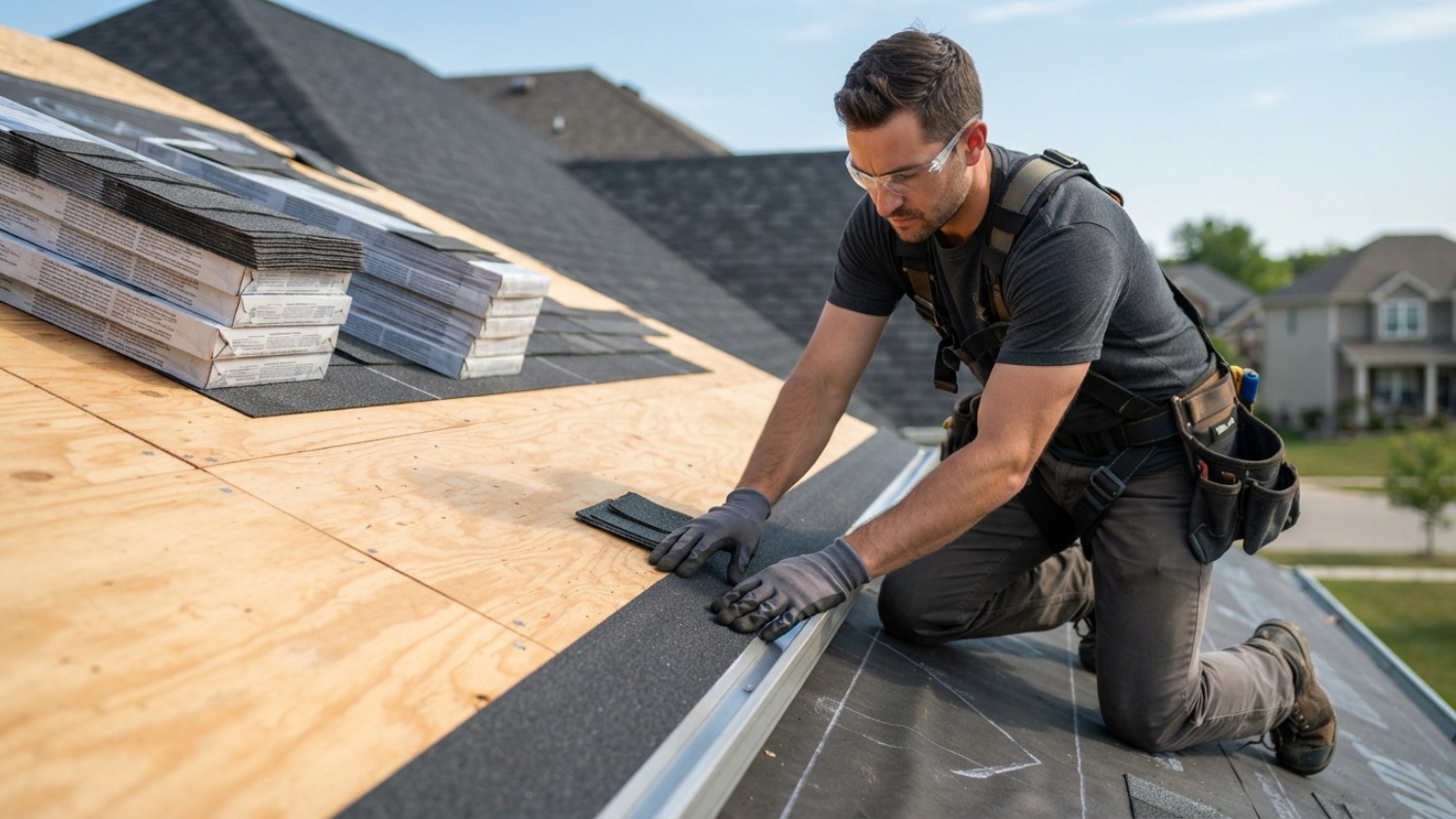
One of the clearest ways to evaluate roofing companies near you is to look at the full scope of what they are certified and equipped to do.
Pitched Roof Replacement and Repair
Steep-slope roofing covers much of the residential work in Dutchess, Orange, Putnam, and eastern Ulster counties. A qualified contractor should have hands-on experience with more than one material type and certified access to manufacturer warranties for the systems they install.
- Asphalt shingles: The most common residential roofing material in the Northeast. A GAF-certified roofer should be able to offer tiered product options, from three-tab to architectural and designer grades, with corresponding warranty tiers.
- Metal roofing: A durable option in the Hudson Valley known for its longevity and performance in freeze-thaw conditions. Verify that the contractor has specific installation training for standing seam or exposed fastener metal panels, as improper installation causes premature failure.
- Cedar shakes: Common on older homes throughout Rhinebeck, Red Hook, and the historic districts of Poughkeepsie. Requires experience with breathable underlayment and proper ventilation detailing.
- Slate roofing: Found on many of the region’s older residential and institutional buildings. Slate repair and replacement demands a contractor who understands how to source compatible material and work with the structural load requirements of a slate system.
Low-Slope and Flat Roofing Systems
Flat and low-slope roofing is common on commercial properties, additions, and mixed-use buildings throughout the Hudson Valley. These systems require a different skill set and specific manufacturer licensing that not every contractor holds.
- EPDM (Ethylene Propylene Diene Monomer): A rubber membrane widely used for commercial flat roofs. Warranty coverage depends entirely on whether the contractor is manufacturer-licensed to install it.
- TPO (Thermoplastic Polyolefin): A heat-welded membrane that requires proper equipment and training to install correctly. Seam failure from improper welding is a common source of leaks on contractor-installed TPO roofs.
- SBS and APP modified bitumen (Torch Down): Multi-ply systems used on low-slope applications. Require trained installation to prevent application defects at laps and terminations.
- PVC membranes: Used in commercial applications where chemical resistance or high-heat environments are a factor.
Roof Inspections, Ventilation, and Maintenance
The best roofing companies in any local market are not just replacement contractors. They offer diagnostic and maintenance services that extend roof life and help homeowners catch problems before they require full replacement.
Ask whether the contractor provides:
- Roof inspections: A formal written assessment of current roof condition, identifying areas of wear, failing flashing, inadequate ventilation, and ice dam risk before damage occurs.
- Attic insulation and ventilation evaluation: Inadequate attic ventilation is a primary driver of premature shingle failure and ice dam formation in Hudson Valley winters. Proper attic insulation and air sealing directly affect roof system performance and home energy efficiency. A qualified contractor should be able to assess and address both.
- Roof maintenance programs: Periodic inspections and flashing maintenance that protect your investment between major jobs.
- Gutters and downspouts: Drainage failures are a leading contributor to fascia rot, foundation water intrusion, and ice dam formation. A contractor who handles gutters and downspouts alongside roofing provides integrated protection rather than a piecemeal approach.
Warning Signs That a Roofing Company May Not Be Who They Say They Are
Contractor fraud is one of the most persistent problems in residential roofing. In the Hudson Valley, it tends to spike after significant storm events. Watch for these patterns:
-
- Door-to-door solicitation immediately after a storm
- Requests for large upfront cash payments before work starts
- No verifiable physical business address in the region
- Pressure to sign before receiving a written estimate
- Inability to provide insurance certificates on request
- No manufacturer certifications for the specific system they are proposing
- No established local review history
Frequently Asked Questions (FAQs)
How long does a roof replacement take in the Hudson Valley?
Most standard residential replacements take one to three days. Slate, metal, and multi-layer systems take longer than asphalt shingle jobs. Weather holds, material lead times, and permit requirements can extend that window. A reputable contractor gives you a realistic written schedule before work begins.
What roofing material holds up best in Hudson Valley winters?
Asphalt architectural shingles rated for high wind and impact resistance perform reliably in the region’s freeze-thaw climate when installed with proper attic ventilation. Metal roofing is a strong alternative for homeowners prioritizing longevity, as it sheds snow efficiently and resists ice dam formation better than most shingle systems. The right choice depends on your roof pitch, attic conditions, budget, and home style.
Does homeowners’ insurance cover roof replacement in New York?
It depends on the cause. Most policies cover sudden damage from wind, hail, or falling trees. Damage from age, neglect, or deferred maintenance is typically excluded. A formal inspection with written documentation strengthens any claim you file.
How often should a roof be inspected in the Hudson Valley?
Once a year is the standard recommendation, ideally in the fall before winter sets in. After any significant storm, a follow-up inspection is also advisable, given the region’s freeze-thaw cycles and ice dam risk.
What is the best time of year to replace a roof in the Hudson Valley?
Late spring through early fall offers the most reliable conditions. Moderate temperatures help asphalt shingles seal properly. That said, qualified contractors work year-round and use appropriate techniques for cold-weather installation when urgency requires it.
Ready to Get a Free Estimate From a Certified Hudson Valley Roofing Contractor?
The right roofing contractor is verifiable at every level: licensing, insurance, manufacturer certifications, local track record, and written documentation of every commitment they make. That combination is not common, but it is what your home deserves.
Lyndsey Roofing, LLC is a locally owned roofing and exterior contractor serving Dutchess, Orange, Putnam, and eastern Ulster counties.
If your home or commercial property needs an inspection, repair, or full replacement, start with a contractor who can back every claim with documentation.