Quick Facts
- Solar shingles combine roof replacement with solar power.
- Costs vary by roof size, complexity, sun exposure, and installer.
- They make the most sense when your roof already needs replacement.
- Incentives can lower the upfront cost.
- A site-specific quote gives the most accurate price.
What’s In This Guide
- Solar Shingles vs. Solar Panels: Understanding the Difference
- Solar Roofing Shingles Cost
- What Makes Solar Roofing Shingles More Expensive Than Asphalt
- Solar Shingles Require a Full Roof Replacement
- Solar Incentives That Offset Solar Shingles Cost in New York
- How to Assess Solar Shingle Viability Before Requesting a Quote
- Side-by-Side Cost Comparison: Solar Shingles vs. Rack-Mounted Solar
- Frequently Asked Questions
- Ready to Get a Solar Shingle Quote in Poughkeepsie?
Interest in solar shingles has grown steadily across the Hudson Valley, and for good reason. Energy costs in New York rank among the highest in the country, and homeowners are looking for smarter ways to offset them long-term.
But when it comes to solar roofing shingles cost, the numbers circulating online are often incomplete, stripped of context, or based on national averages that do not account for your specific roof, your utility territory, or the available incentives in New York State.
Here’s a guide on what actually drives the cost of a solar shingle roof, what realistic pricing looks like for Poughkeepsie-area homeowners, and how to determine whether the investment makes sense for your property.
Solar Shingles vs. Solar Panels: Understanding the Difference
Solar shingles and solar panels are not the same product, and understanding that distinction is the first step in making sense of the pricing.
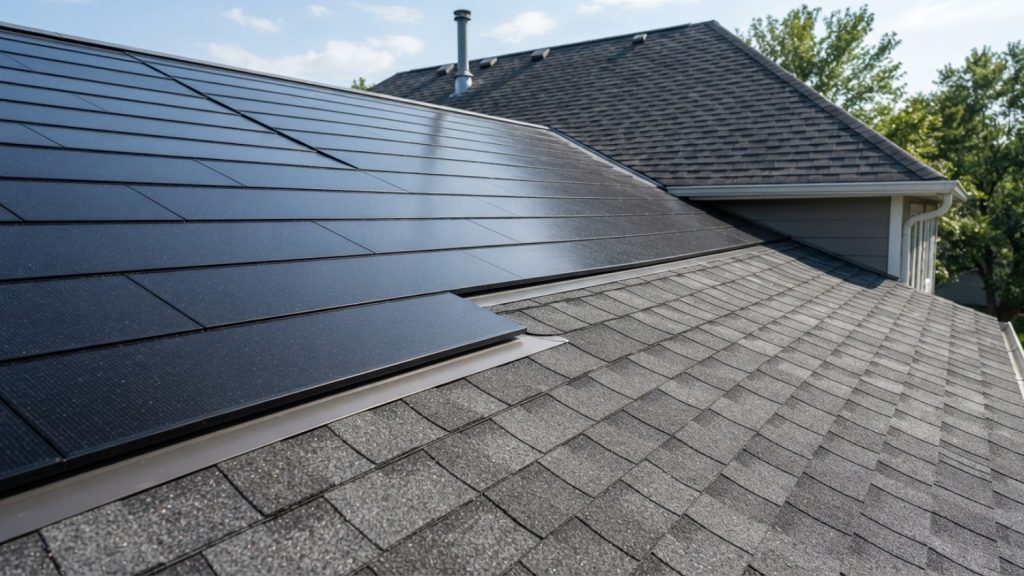
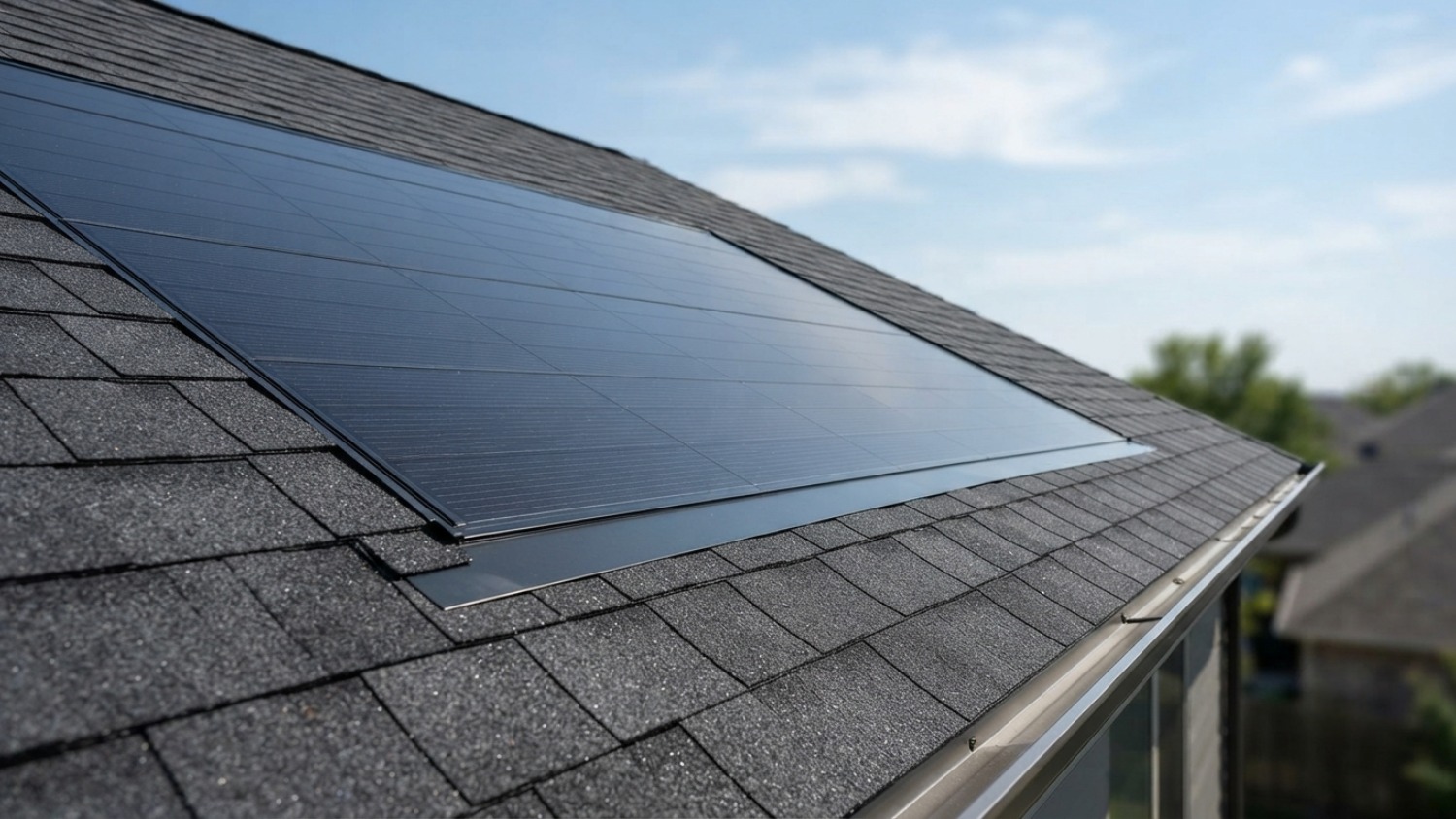
Solar shingles, also called Building-Integrated Photovoltaics (BIPV), have photovoltaic cells embedded directly into roofing shingles. They do not mount on top of an existing roof. They replace it. The shingle itself is both the weatherproofing layer and the energy-generating surface.
|
Feature |
Solar Shingles (BIPV) |
Rack-Mounted Solar Panels |
|
How they work |
Embedded PV cells replace roofing material |
Panels mounted above an existing roof |
|
Roof replacement required? |
Yes |
No |
|
Appearance |
Flush, fully integrated into the roofline |
Raised above the roof surface |
|
Installation trades required |
Roofer + solar electrician |
Solar electrician only |
|
Best candidates |
Roofs due for replacement |
Roofs in good, serviceable condition |
|
Leading products |
GAF Energy Timberline Solar, Tesla Solar Roof |
Multiple manufacturers (LG, SunPower, etc.) |
Solar Roofing Shingles Cost
Solar roof shingles cost about $23 per square foot on average, with most projects ranging from $21 to $25 per square foot. Your total cost depends on how much roof area you want to cover with solar shingles.
Some homeowners only install solar shingles on the roof planes that get the most sunlight, while others cover the full roof for greater energy production. Roof pitch, layout, and complexity can also affect the actual square footage being installed.
|
Square footage covered |
Estimated cost range |
|
200 sq. ft. |
$4,200 to $5,000 |
|
500 sq. ft. |
$10,500 to $12,500 |
|
1,000 sq. ft. |
$21,000 to $25,000 |
|
1,200 sq. ft. |
$25,200 to $30,000 |
|
1,800 sq. ft. |
$37,800 to $45,000 |
|
2,000 sq. ft. |
$42,000 to $50,000 |
|
2,400 sq. ft. |
$50,400 to $60,000 |
|
3,000 sq. ft. |
$63,000 to $75,000 |
What Makes Solar Roofing Shingles More Expensive Than Asphalt
The premium over standard roofing is not arbitrary. Several concrete cost drivers account for solar roof shingles cost, and understanding them makes the pricing far easier to evaluate.
Integrated Photovoltaic Technology
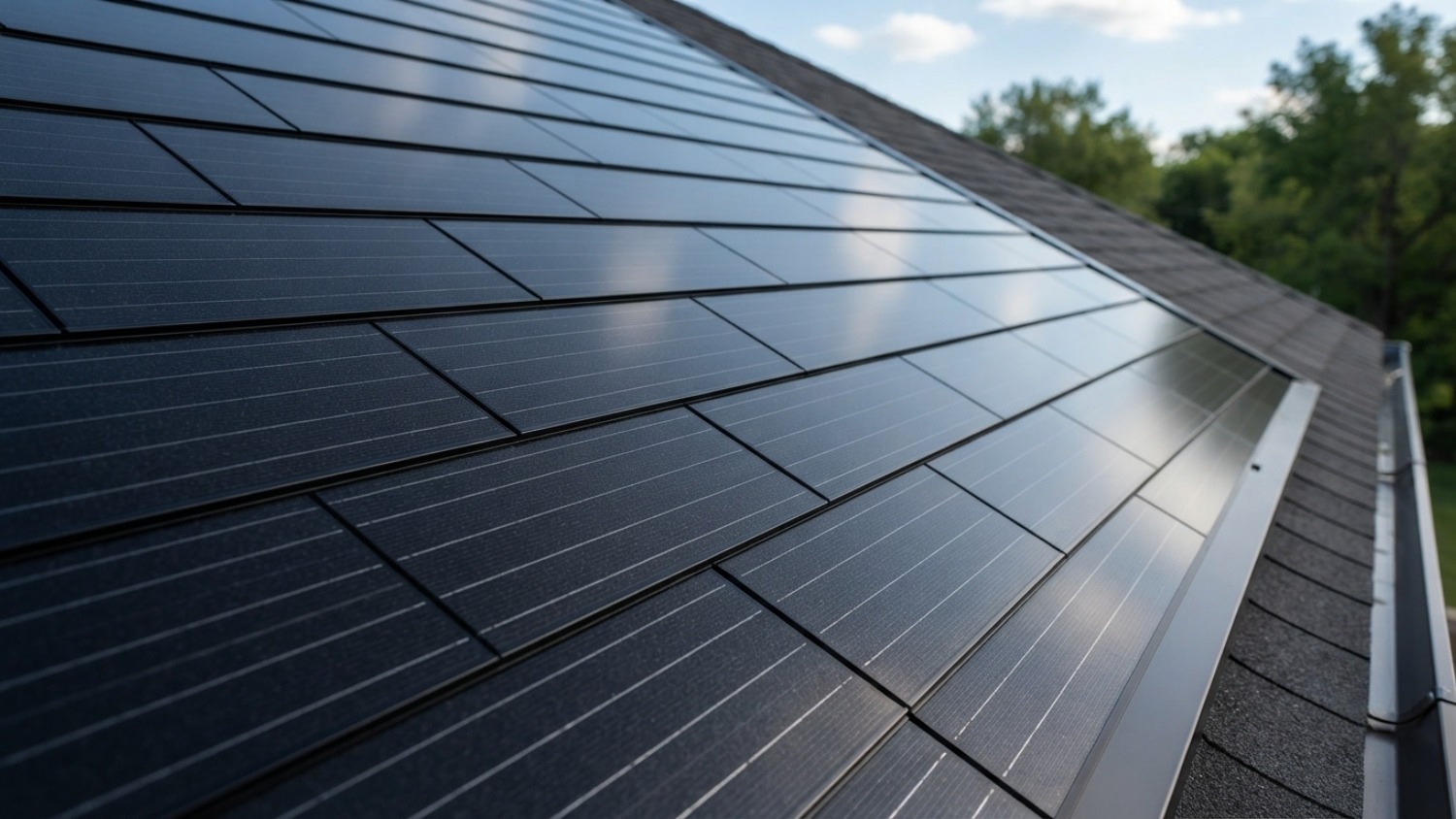
Each shingle contains embedded solar cells manufactured to exacting specifications, unlike anything in a conventional roofing material. The result is a per-square-foot material cost that runs significantly higher than standard asphalt, composite, or architectural shingles.
Dual-Trade Labor Requirements
Installation requires licensed roofers and certified solar electricians working in coordination on the same job. Not every contractor is equipped to manage both trades competently, which narrows the field of qualified installers.
Electrical System Components
The inverter, conduit runs, junction boxes, and utility interconnection hardware are additional line items with no equivalent in a standard roof replacement. These components are required for the system to connect to your home's electrical supply and, where applicable, the grid.
Roof Geometry and Complexity
Steep pitches, dormers, hips, valleys, chimneys, and skylights all reduce usable solar surface area and add labor hours to the project. A straightforward gable roof with a south-facing plane will always be more cost-efficient than a complex multi-plane configuration.
Certified Installer Requirements
GAF Energy Timberline Solar can only be installed by GAF-certified contractors who have completed product-specific training. That certification requirement reflects a quality standard that directly affects both the integrity of the install and the warranty coverage you receive.
➤ READ NEXT: Top 6 Solar Shingle Brands to Consider in 2026
Solar Shingles Require a Full Roof Replacement
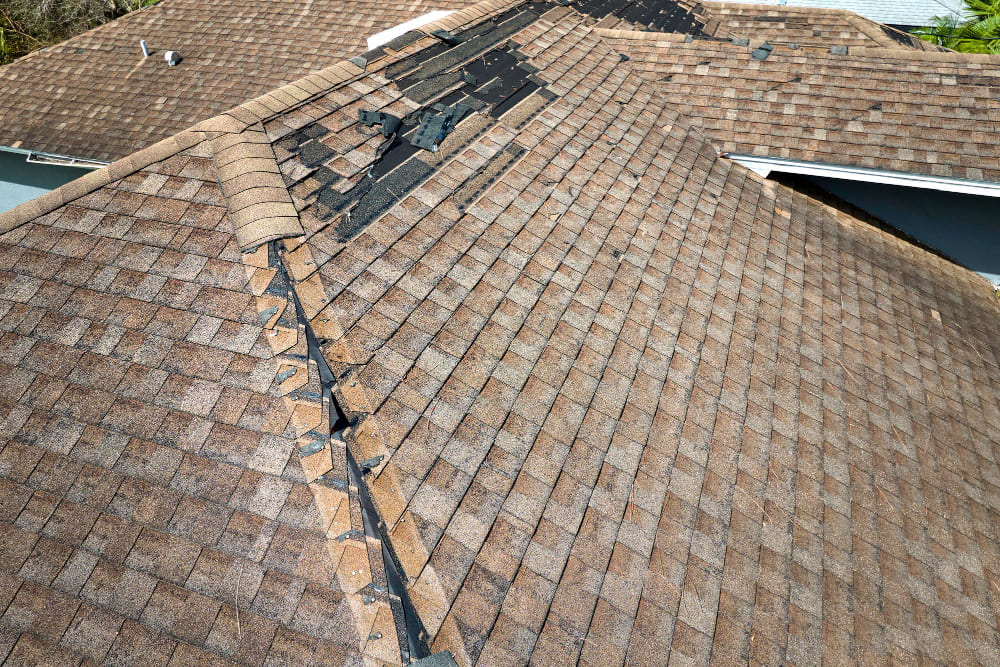
Solar shingles cannot be layered over an existing roof. Because they function as the primary weatherproofing layer, installation always requires a complete tear-off. For most homeowners, that changes the financial math in one of two directions.
If your roof is 15 to 20 years old:
The cost of the solar system effectively absorbs what would have been a necessary roof replacement anyway. The incremental cost of going solar versus replacing with standard shingles becomes considerably smaller when evaluated that way.
If your roof still has 10 or more years of useful life:
A full tear-off solely to install solar shingles may not pencil out favorably. Rack-mounted solar installed over your existing roof is often the more cost-effective path in this scenario.
Bottom line: Roof age and condition should always be assessed before solar shingles are seriously considered.
Solar Incentives That Offset Solar Shingles Cost in New York
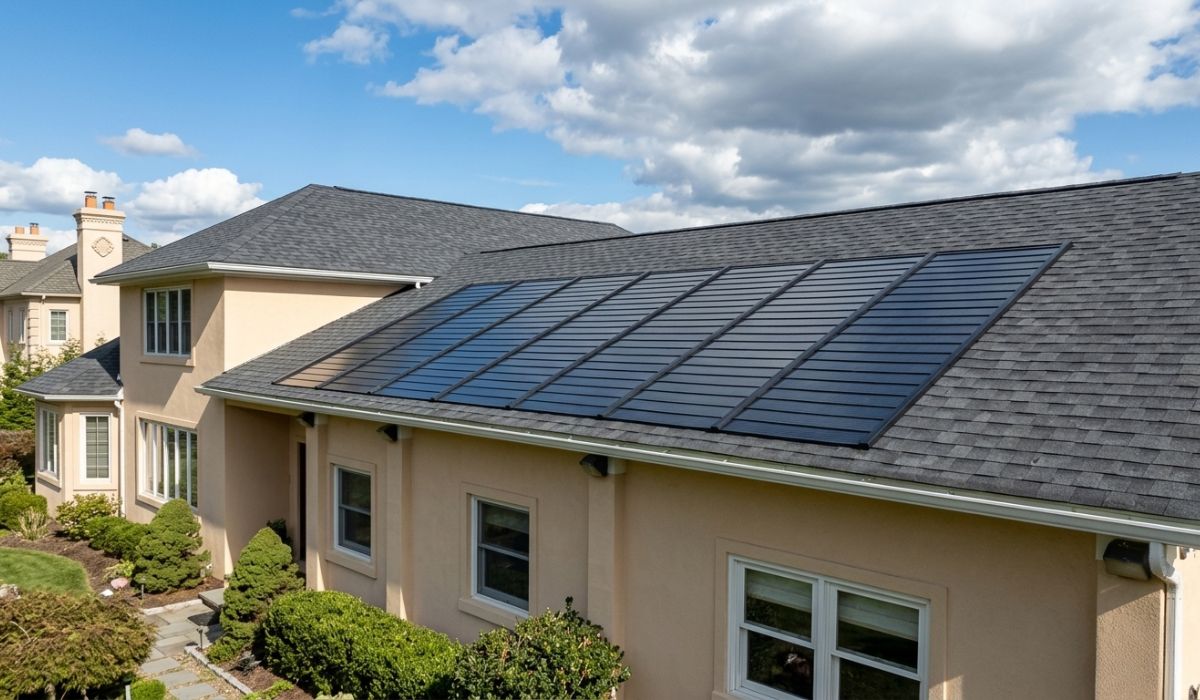
New York is one of the more favorable states for solar investment, and the incentive stack is meaningful.
Federal Investment Tax Credit (ITC)
Homeowners can claim a 30% federal tax credit on the full installed cost of a qualifying solar energy system under the Inflation Reduction Act. A $40,000 installation, for example, yields a $12,000 credit applied directly against your federal tax liability. Full details are outlined in the IRS Residential Clean Energy Credit guidance.
NY-Sun Incentive Program
NYSERDA’s NY-Sun program offers additional rebates for residential solar installations across New York State. Incentive amounts vary by utility territory, so homeowners in the Central Hudson service area covering Poughkeepsie and much of Dutchess County should verify current per-watt levels directly with NYSERDA.
How to Assess Solar Shingle Viability Before Requesting a Quote
Before reaching out to any installer, working through these steps gives you a clearer picture of whether solar shingles are the right fit for your specific situation.
-
- Evaluate your roof’s age and remaining life. A roof within 5 years of end-of-life is the strongest candidate. The combined replacement-plus-solar value is most compelling here.
- Assess sun exposure on usable roof planes. South-facing or southwest-facing surfaces with minimal shading from trees or neighboring structures produce the most energy. The NREL PVWatts Calculator can model expected output based on your address and roof angle.
- Pull 12 months of electricity bills. Homeowners using more than 8,000 to 10,000 kWh annually tend to see the strongest return on a solar investment. High usage means more of your bill is offset.
- Calculate your incentive-adjusted cost. Apply the 30% federal ITC and any applicable NYSERDA rebates to the gross quote. This gives you the real out-of-pocket figure, not the sticker price.
- Align payback period with product warranty. Industry benchmarks put solar shingle payback at 8 to 15 years. GAF Energy Timberline Solar carries a 25-year limited warranty. When payback falls well within the warranty window, the long-term value case holds.
- Get a site-specific quote from a certified installer. National averages are a starting point, not a proposal. Your roof’s geometry, your local labor market, and your system’s output requirements will all shift the final number.
Side-by-Side Cost Comparison: Solar Shingles vs. Rack-Mounted Solar
|
Factor |
Solar Shingles |
Rack-Mounted Solar Panels |
|
Average installed cost |
$15,000 to $70,000+ |
$10,000 to $30,000 |
|
Roof replacement required? |
Yes |
No |
|
Aesthetics |
Flush, fully integrated |
Raised panel appearance |
|
Best for |
Roofs due for replacement |
Roofs in good condition |
|
Typical warranty |
25 years (GAF Energy) |
25 years (panels), 10 years (inverter) |
Neither option is universally superior. The right choice depends entirely on your roof’s current condition, your energy goals, and your timeline.
Frequently Asked Questions
Are solar shingles worth the cost in Poughkeepsie?
For homeowners with an aging roof and above-average electricity usage, yes. New York’s utility rates rank well above the national average, which shortens payback timelines. When you add the 30% federal tax credit and NY-Sun incentives, the effective solar shingle roof cost drops substantially compared to the gross installation price.
Do solar shingles generate power in cold or cloudy conditions?
Yes. Photovoltaic cells respond to daylight, not direct sunlight. Output decreases in winter months and on overcast days, but generation does not stop. The Hudson Valley’s winters reduce seasonal output but do not eliminate the system’s value.
How long does solar shingle installation take?
Installation timelines vary depending on roof size, weather conditions, and project complexity. In many cases, a full solar shingle roof installation may take one to three weeks from tear-off to final inspection. Permitting and utility approvals can also affect the overall project schedule. Larger or more complex roofs may require additional time.
Do solar shingles require regular maintenance?
Solar shingles generally require minimal maintenance once installed. Most homeowners only need occasional inspections to ensure there is no debris buildup, storm damage, or shading issues affecting performance. Rain often helps keep the surface relatively clean. Annual inspections from a qualified contractor can help identify electrical or roofing concerns early.
Are solar shingles noisy during rain or storms?
No. Solar shingles are designed to function like standard roofing materials and do not create noticeable noise during rain or wind. In many cases, they are just as quiet as traditional asphalt shingles. Proper installation and roof decking play a major role in overall sound insulation. Most homeowners do not notice any difference after installation.
Ready to Get a Solar Shingle Quote in Poughkeepsie?
Solar shingle roof cost is higher upfront than a standard replacement, but when you factor in roof replacement value, New York incentives, long-term energy savings, and a 25-year product warranty, the investment holds up for the right homeowner. The key is getting an accurate, site-specific assessment rather than relying on ballpark figures.
Lyndsey Roofing, LLC is a GAF Energy-certified installer serving Poughkeepsie and the broader Hudson Valley, with financing available. If your roof is approaching the end of its service life and you want a clear, honest breakdown of what solar shingles would cost for your specific home, start with a free estimate.