What’s in This Guide
- What Causes a Roof Leak in Hudson Valley Homes?
- What Are the Signs of a Roof Leak Inside Your Home?
- How to Check for a Roof Leak Before Calling a Professional
- Can a Roof Leak Be Repaired, or Do You Need a Full Roof Replacement?
- How Much Does Roof Leak Repair Cost?
- When to Call a Roofer for a Leak (Including Emergency Situations)
- Frequently Asked Questions
- Protect Your Home With a Professional Roof Leak Inspection
A single brown ring on the ceiling rarely tells the whole story. By the time water shows up inside your home, it may have traveled several feet along the roof deck, rafters, or attic insulation before finding its way through the drywall. That is what makes roof leak repair one of the more misunderstood home repairs in the Hudson Valley: the drip you see is almost never directly below the spot where water actually got in.
Hudson Valley roofs work through a demanding cycle every year. Summer heat dries out asphalt shingles and sealants, then winter brings heavy snow, sub-freezing nights, and the freeze-thaw swings that push moisture into every gap a roof has. Homeowners in Poughkeepsie, Wappingers Falls, Hyde Park, and across Dutchess County often notice leaks for the first time after one of these seasonal shifts rather than after a single dramatic storm. Understanding the real cause behind a leak, instead of guessing, is the first step toward a lasting fix.
Quick Facts
- Flashing failures, aging shingles, and worn pipe boots cause most residential roof leaks
- Interior stains rarely sit directly below the actual point of water entry
- Ice dams and freeze-thaw cycles drive a large share of Hudson Valley winter leaks
- Wet materials should dry within 24 to 48 hours to keep mold risk low
- A professional roof inspection confirms the cause before any repair is estimated
What Causes a Roof Leak in Hudson Valley Homes?
Roof leaks trace back to a handful of recurring weak points, most of them tied to aging materials or unforgiving winter weather. Here is what shows up most often during a roof leak inspection in Poughkeepsie and the surrounding Hudson Valley towns.
Missing or Damaged Shingles
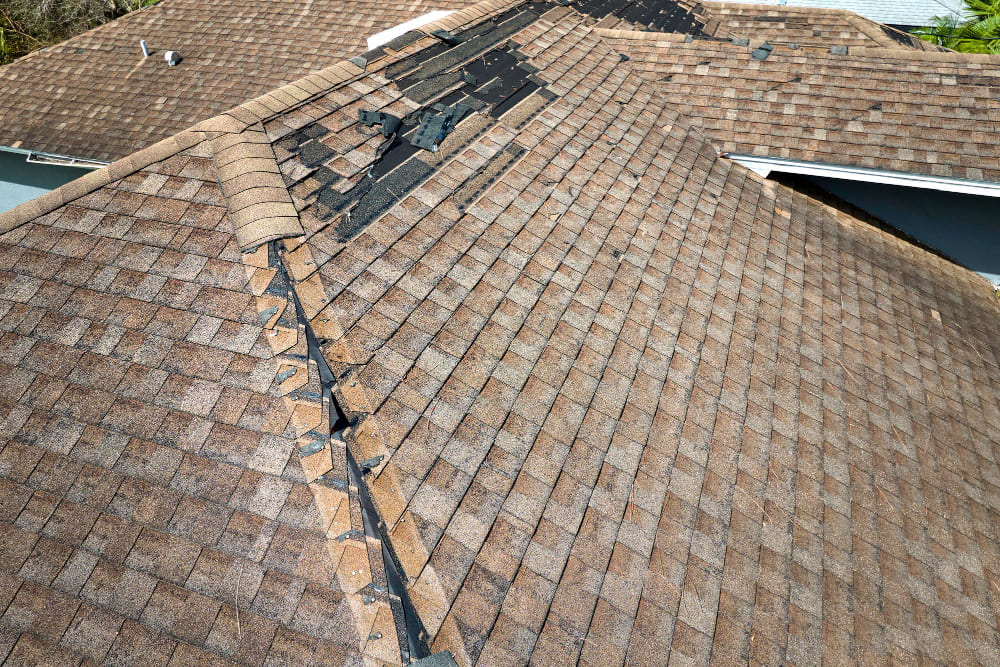
Wind, hail, and simple age cause asphalt shingles to crack, curl, or blow off entirely, exposing the underlayment underneath. Once a shingle is compromised, rain has a direct path down to the roof decking below.
Flashing Failures Around Chimneys and Vents
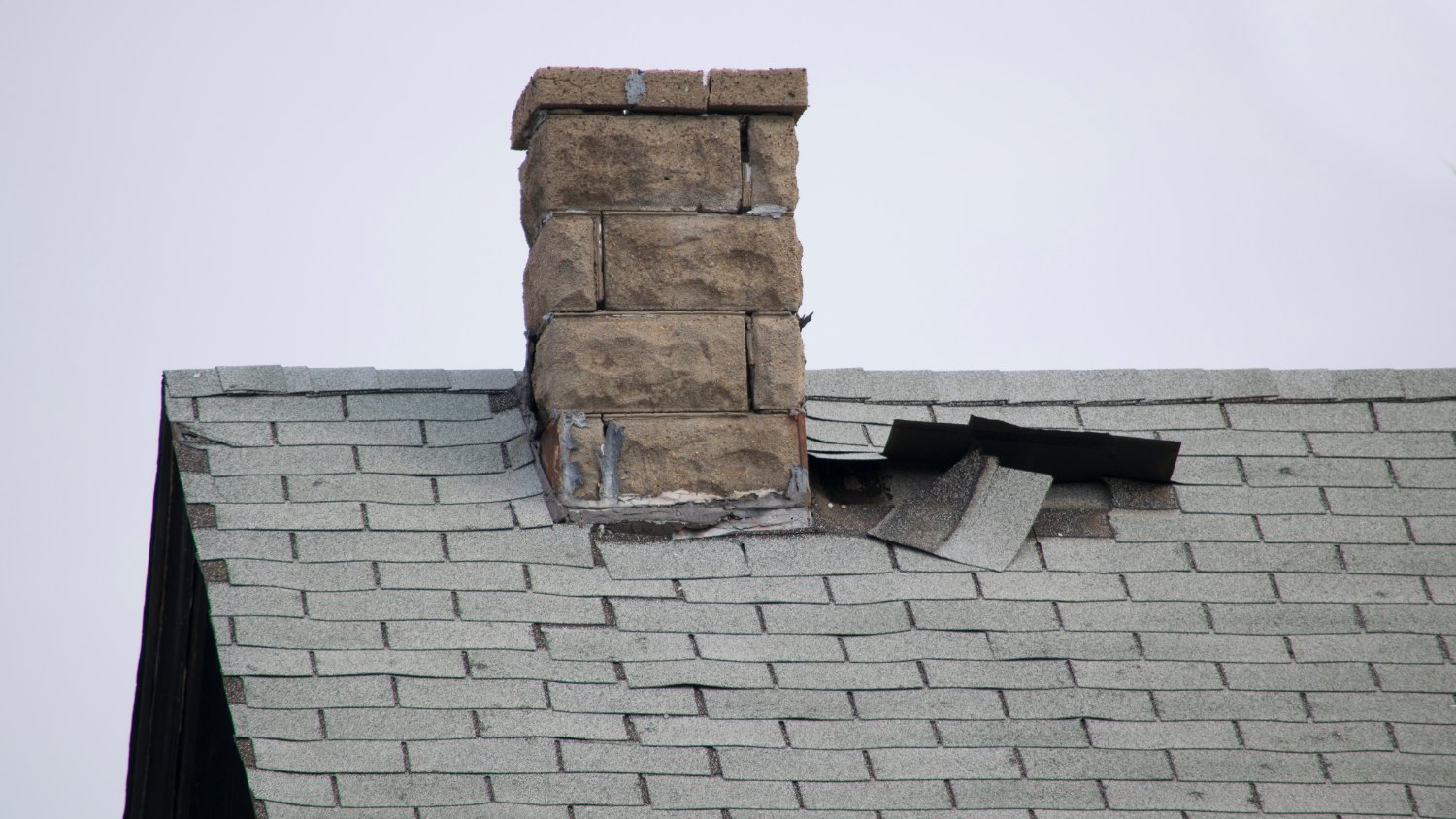
Roof flashing seals every joint where the roof meets a chimney, skylight, or wall, and each of these roof penetrations is a natural weak point once the metal expands and contracts enough to crack its seal. This is one of the most common places homeowners find a roof leaking around the chimney or a roof leaking around vents.
Ice Dams and Freeze-Thaw Cycles
Attic heat that escapes unevenly melts snow near the roof’s ridge, and the runoff refreezes at the colder eaves, building an ice dam that traps water behind it. Balanced ventilation helps reduce the uneven heat loss that drives ice dam formation in cold climates.
Clogged Gutters, Soffit, and Fascia Damage
Leaves and debris block water from draining off the roof, so it backs up under the shingles or spills behind the fascia board. Left alone, that trapped moisture rots the soffit and fascia and works its way toward the attic over time.
Aging Roof Decking and Underlayment
Every asphalt shingle roof depends on the decking and underlayment beneath it to stay dry and structurally sound. Once a roof passes 15 to 20 years old, these layers are more likely to have already absorbed moisture from small, unnoticed leaks.
Storm Damage After Heavy Rain or Wind
Wind-driven rain pushes water sideways and uphill under shingle laps that were never built to handle it, which is why a roof leak after heavy rain does not always match where damage is visible from the ground. High winds can also lift shingles just enough to break their seal without tearing them off completely.
What Are the Signs of a Roof Leak Inside Your Home?
Some roof leaks announce themselves with a steady drip. Others hide for months, showing up only as subtle changes inside your living space.
Ceiling and Wall Stains
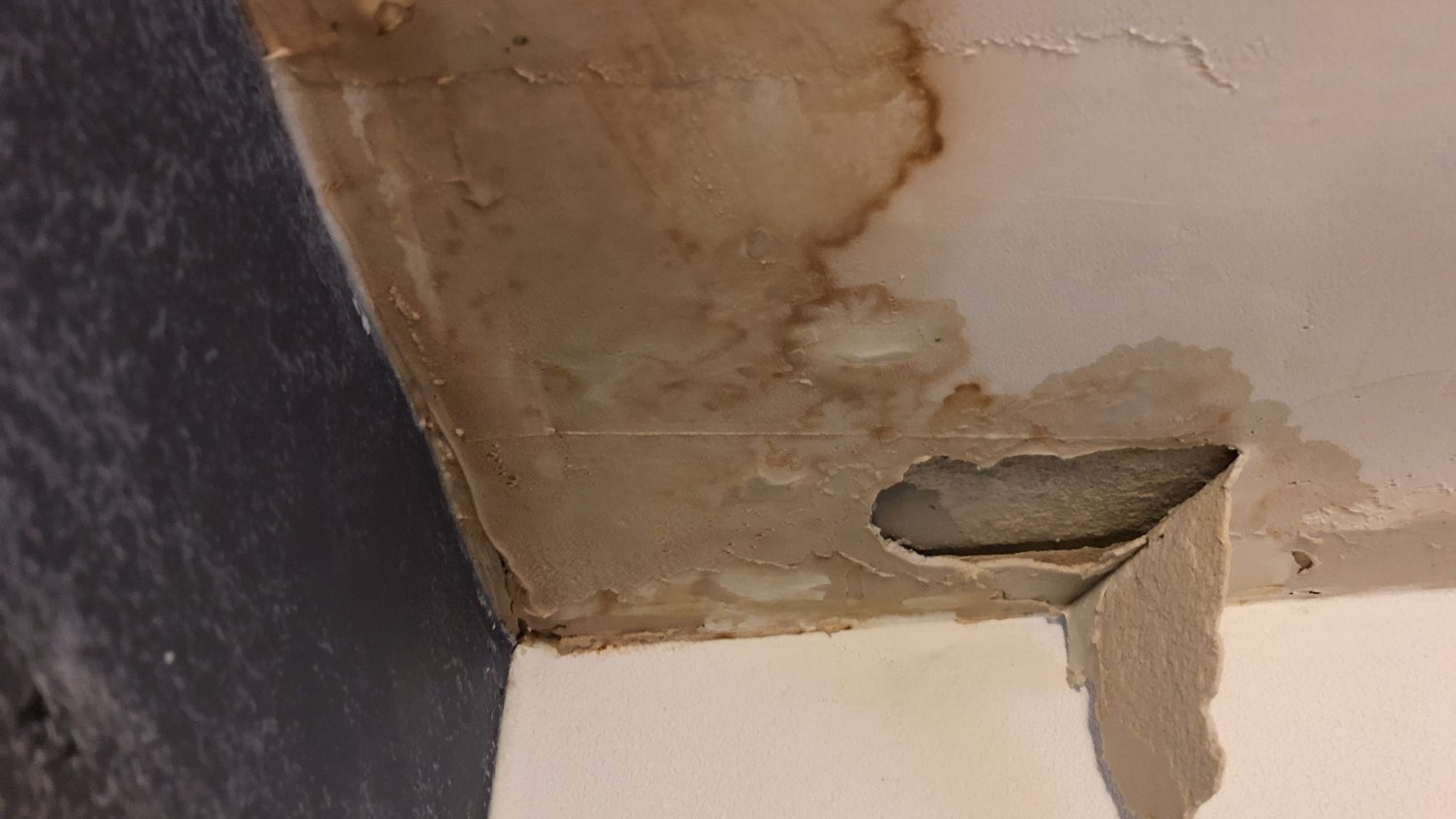
Yellow, brown, or gray water stains on a ceiling or wall are usually the clearest signs of a roof leak inside the house. The stain’s edge often looks darker than the center, which marks where water is currently soaking through.
Musty Odors and Attic Moisture
A persistent musty smell in the attic or in rooms below the roofline often points to attic moisture building up faster than it can dry out. This smell can appear well before any visible stain forms on a ceiling.
Peeling Paint or Bubbling Drywall
Trapped moisture behind a painted surface causes paint to bubble, peel, or bulge away from the wall or ceiling. This is a sign that water has been present long enough to break down the material underneath it.
Mold Growth and Mold Risk
Mold needs moisture to grow, and a hidden roof leak provides a steady source of it. According to the Environmental Protection Agency, wet materials generally need to dry within 24 to 48 hours to keep mold from taking hold, which is rarely possible with an active leak feeding the same spot.
How to Check for a Roof Leak Before Calling a Professional
A few safe checks from inside your home can help you describe the problem accurately when you call for help. Climbing onto the roof itself is not one of them.
Start in the Attic
Bring a flashlight into the attic during or right after rain and look for damp insulation, dark streaks on the rafters, or daylight coming through the roof decking. This is usually the fastest way to narrow down which section of the roof needs attention.
Trace the Stain, Don’t Assume It
Water travels along rafters and decking before it drips through drywall, so the entry point is often several feet upslope from the stain you actually see. Follow the moisture as high as you can find it rather than stopping at the first sign of water.
Check Common Exterior Trouble Spots From the Ground
Using binoculars or a zoomed-in phone camera, look at the flashing around your chimney and vents, the condition of your pipe boots, and any shingles that appear lifted, cracked, or missing. Clogged or sagging gutters are also worth noting, since they can point to a drainage-related leak rather than a roof surface problem.
Document What You Find
Take photos of any staining, damaged shingles, or visible gaps, and note when the leak first appeared and what the weather was doing at the time. This information helps a roofing contractor diagnose the cause faster during a roof leak inspection.
Roof work involves fall risks that are not worth taking on your own. The National Roofing Contractors Association advises homeowners to leave roof repairs and roof-level inspections to trained professionals rather than climbing up themselves.
Can a Roof Leak Be Repaired, or Do You Need a Full Roof Replacement?
Not every leak means a new roof. The right approach to leaking roof repair depends on the roof’s age, how widespread the damage is, and whether the underlying decking is still sound.
When Repair Makes Sense
A localized leak caused by a cracked pipe boot, damaged flashing, or a few compromised shingles is often a straightforward, targeted repair. A leaking roof does not automatically mean the entire roofing system has failed.
When Replacement Is the Smarter Investment
If your roof is nearing the end of its expected lifespan, has multiple leak points, or shows widespread granule loss and curling, repeated roof repair can turn into a cycle of diminishing returns. Extensive decking damage discovered during a repair is often the clearest sign that a full roof replacement will serve the home better in the long run.
How Much Does Roof Leak Repair Cost?
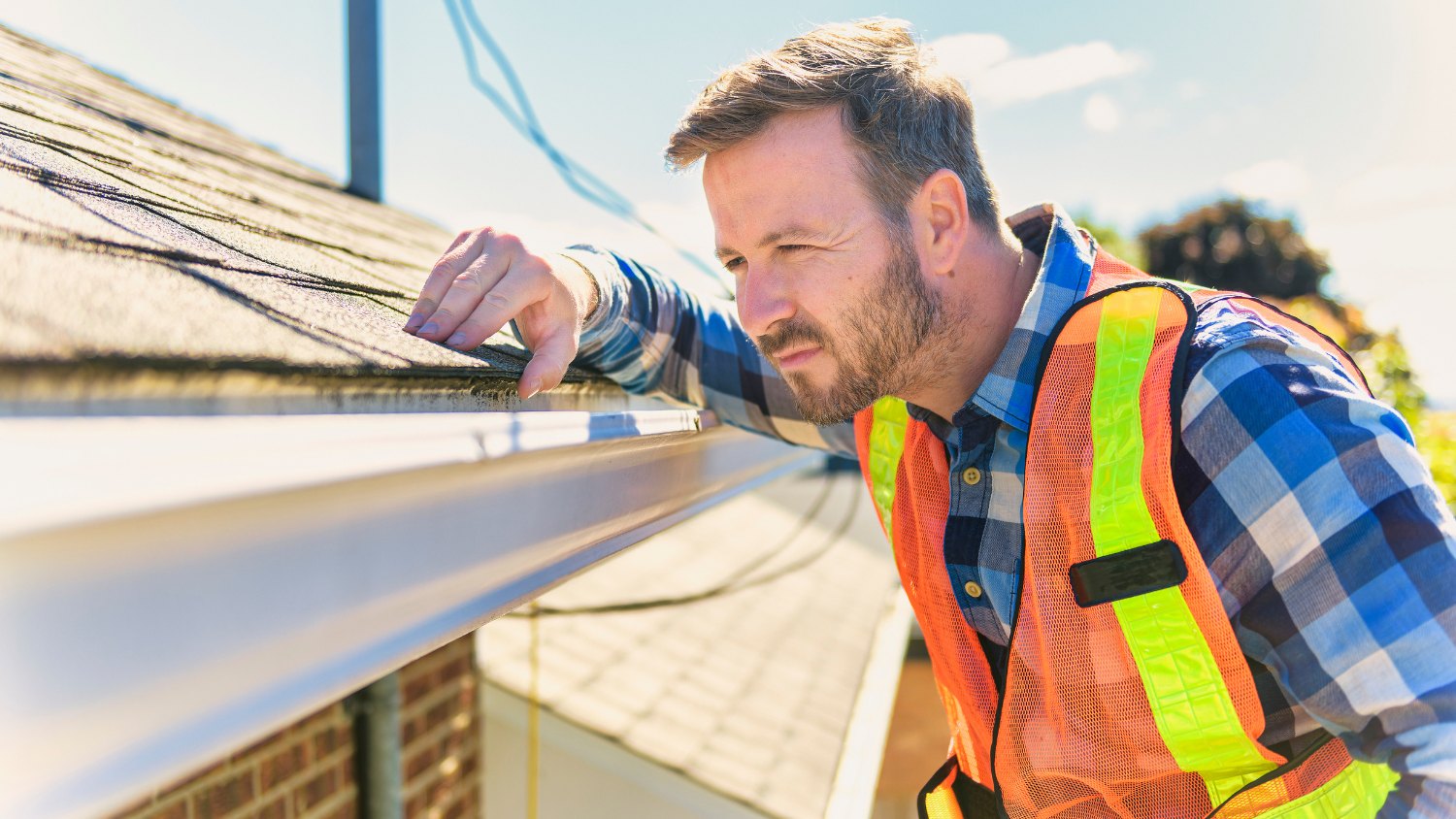
Roof leak repair cost depends on what caused the leak and how much of the roof system it affected, so there is no single number that applies to every home. A small flashing repair and a leak that has already damaged decking and insulation are very different jobs.
- Scope of the repair: a single flashing fix versus several problem areas
- Roofing material: asphalt shingle, metal, slate, or low-slope membrane systems
- Extent of water damage: surface-level staining versus damaged decking or insulation
- Roof accessibility: pitch, height, and how easily crews can reach the area
- Timing: a scheduled repair versus emergency roof leak repair after a storm
Lyndsey Roofing® provides a written roof repair estimate that spells out the scope of work before anything begins, so homeowners know what they are paying for and why.
When to Call a Roofer for a Leak (Including Emergency Situations)
Some roof leaks can wait for a scheduled inspection. Others need attention immediately, before more water gets inside.
Active Leaks During or After a Storm
Water actively dripping inside your home during or right after a storm calls for emergency roof leak repair, not a wait-and-see approach. The longer active water sits on drywall, insulation, or flooring, the more expensive the resulting interior water damage repair becomes.
Signs of Structural Damage
Sagging ceiling sections, spongy roof decking, or a musty smell that keeps returning after cleaning point to a problem larger than a single repair. These signs call for a full roof leak inspection rather than a quick patch.
Recurring Leaks After a Previous Repair
A leak that returns in the same spot after a repair usually means the original cause was never fully addressed or a second problem exists nearby. At this point, many homeowners search for roof leak repair near me looking for a second opinion, and a fresh look from a licensed residential roof repair team is the more reliable path forward.
Lyndsey Roofing has provided emergency roofing service throughout Dutchess, Orange, Putnam, and Eastern Ulster Counties for more than a decade, so a fast, accurate diagnosis stays the priority when water is actively getting in.
Frequently Asked Questions
Does homeowners insurance cover roof leak repair?
Coverage typically depends on the cause. Sudden, storm-related damage is often covered, while leaks tied to age, neglect, or lack of maintenance usually are not. Your insurance agent can confirm what your specific policy allows.
How long does roof leak repair take?
Most single-point repairs, like a flashing fix or a shingle replacement, are completed in a single day. Leaks that require decking replacement or affect a larger section of roof can take longer to finish properly.
Is a leaking roof always an emergency?
Not always, but active dripping during a storm or signs of structural sagging should be treated as urgent. A slow, contained leak can typically wait for a scheduled roof leak inspection instead.
Will a small roof leak get worse if I wait?
Yes. Water that keeps finding the same path continues spreading through insulation, decking, and drywall even between rain events, so small leaks rarely stay small for long.
What should I have ready when I call a roofer about a leak?
Photos of any staining or damage, the approximate date the leak started, and details about recent weather all help a contractor prepare for an accurate roof leak inspection before arriving.
Protect Your Home With a Professional Roof Leak Inspection
A roof leak rarely stays isolated to one small spot, and the earlier its cause is identified, the less it costs to fix. Whether you are dealing with a fresh stain on the ceiling or a leak that keeps coming back, a proper inspection replaces guesswork with an actual answer.
Lyndsey Roofing, LLC has served homeowners and businesses throughout Poughkeepsie, Dutchess County, and the wider Hudson Valley for more than a decade, backed by GAF Master Elite certification and a BBB A+ rating. Reach out today for a free estimate on your roof leak repair and get a clear, honest look at what your roof actually needs.