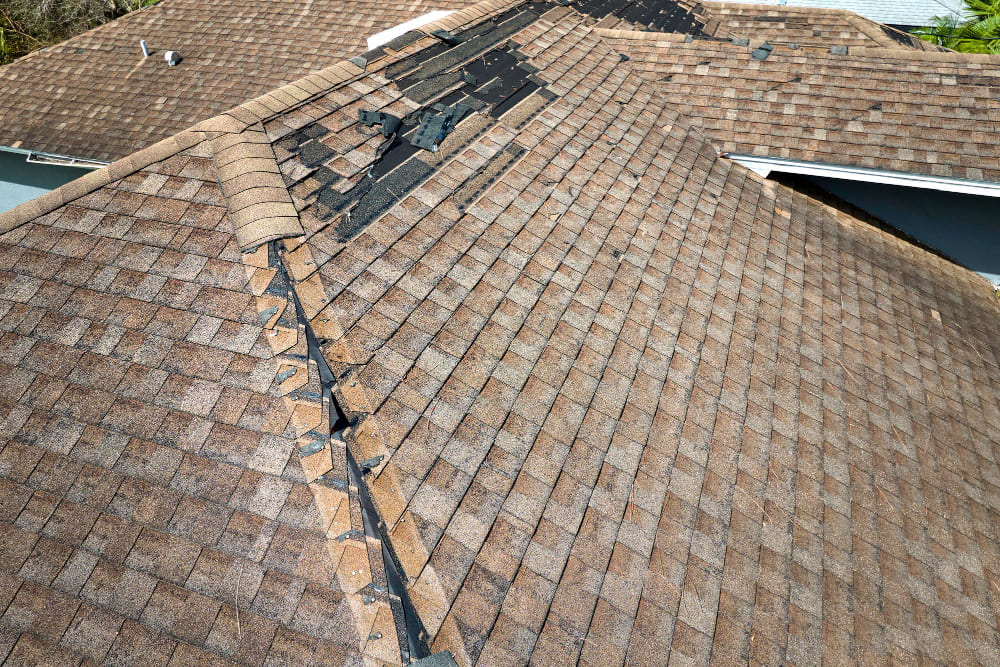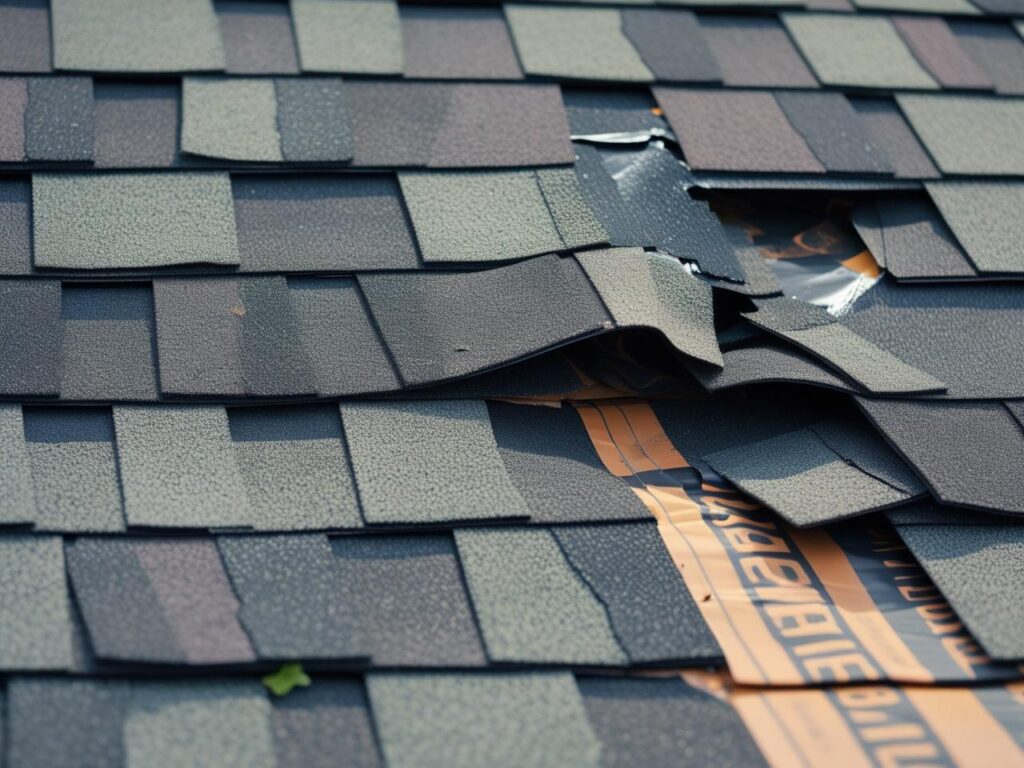
Powerful storms do more than litter yards with debris—they often reveal the true weaknesses in a home’s roof. After hail, wind, or flying debris batter traditional shingles, many homeowners face repeated repairs, costly claims, or full replacements. Standard roofing materials simply aren’t built for the increasing intensity of today’s weather patterns, making long-term protection more important than ever.
Here are five compelling reasons to upgrade to impact resistant shingles after a storm.
What Is an Impact Resistant Roof?
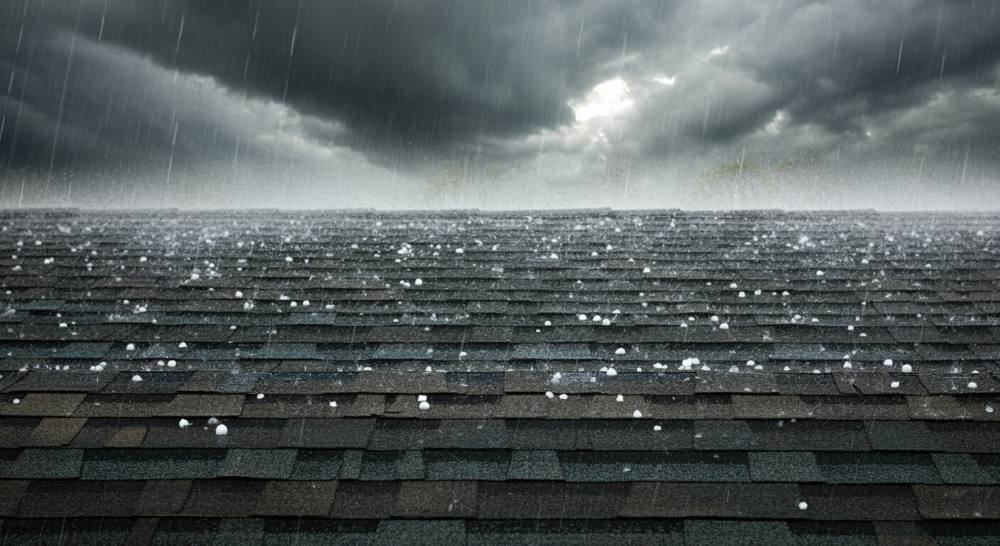
If you’ve ever wondered what is an impact resistant roof, it’s a roofing system specifically engineered to withstand damage from hail, high winds, and flying debris. Unlike standard shingles, these roofs are made with stronger materials—such as rubberized asphalt, polymer blends, or metal—that can absorb and deflect impact without cracking or breaking.
Homeowners researching what is an impact resistant roof are often looking for a long-term solution that reduces the need for frequent repairs and insurance claims. These roofs are typically rated by standards like UL 2218, with Class 4 being the highest level of impact resistance available.
What Roofs are Considered Impact Resistant?
Not all roofing materials are created equal—especially when it comes to protecting your home from hail, wind, and flying debris. Impact resistant roofs are tested under the UL 2218 standard, which simulates storm damage by dropping steel balls onto roofing surfaces from various heights. Materials that earn a Class 4 rating, the highest possible, can withstand the toughest conditions with minimal damage.
Below are three of the most trusted and tested types of impact resistant roofing systems used across the U.S. today:
1. Class 4 Impact-Rated Asphalt Shingles
Class 4 asphalt shingles are high-performance roofing materials specifically engineered to resist hail and other high-impact events. They are tested under the UL 2218 Impact Resistance Standard, which is the most widely recognized benchmark for evaluating roofing impact durability in North America.
Brands
- GAF Timberline® ArmorShield™ II Shingles
- CertainTeed NorthGate® ClimateFlex
- Owens Corning Duration® STORM®
Resistance
Tested to withstand a 2-inch steel ball dropped from 20 feet without cracking—simulating hail impact.
Pros
- Cost-effective
- Enhanced resistance to impact
- Increased home value
Look For
The UL 2218 Class 4 rating on the product packaging or manufacturer’s website.

2. Impact Resistant Metal Roofing
Metal roofs—especially steel and aluminum panels—offer outstanding impact resistance thanks to their durable, rigid construction. Thicker panels (e.g., 24-gauge steel) perform best in hail-prone regions.
Brands
- Decra Metal Roofing
- Matterhorn® Metal Roofing by CertainTeed
Resistance
Class 4 ratings available on many standing seam and stone-coated steel panels.
Pros
- Long lifespan (40–70 years)
- Insurance discounts
- Recyclable and eco-friendly
Look For
UL 2218 rating and hail-resistant certifications from manufacturers.
3. Synthetic (Polymer Composite) Shingles
Made from polymer blends or recycled rubber, synthetic shingles mimic the look of slate or wood shake while offering superior impact protection.
Brands
- F-Wave
- Brava Roof Tile – Composite Slate and Shake
Resistance
Tested to UL 2218 Class 4.
Pros
- Lightweight and low maintenance
- Resistant to fire, wind, cracking, and fading
- High impact and UV resistance
Look For
Class 4 hail resistance rating and Class F wind rating.
5 Reasons to Upgrade to Impact Resistant Shingles After a Storm
1. Stronger Protection Against Severe Weather
Storms are getting more intense each year, and roofs take the brunt of the damage. Upgrading to impact resistant shingles creates a stronger shield against wind, hail, and flying debris. These shingles are engineered to last longer and perform better under pressure, making them a smart investment in storm-prone areas.
Why These Shingles Handle Harsh Weather Better
- Built to Withstand Hail Impact: Unlike standard shingles, hail resistant shingles are tested using steel balls to simulate the force of hailstones. This ensures they won’t crack, split, or expose the roof deck after a heavy storm.
- Resist Wind Uplift and Flying Debris: Impact resistant roof shingles are designed to stay in place during high winds, even up to 110 mph or more. Their reinforced edges and adhesives keep shingles intact when debris hits or winds pick up speed.
- Durable in Repeated Storm Cycles: After multiple storms, regular shingles degrade quickly, but impact resistant shingles maintain their structure. This makes them ideal for regions that see frequent weather swings and back-to-back storms.
2. Lower Long-Term Repair and Replacement Costs
After a storm, the costs of patching up a damaged roof add up quickly. Even small repairs can turn into expensive problems if moisture gets in or shingles loosen again with the next storm. Investing in impact resistant roofing helps break the costly cycle of ongoing fixes.

How These Shingles Save Money Over Time
- Fewer Emergency Repairs Needed: Standard shingles often chip, crack, or fly off during storms, leaving homeowners scrambling for quick repairs. Impact resistant shingles hold up better under pressure, reducing the need for urgent patch jobs after each weather event.
- Extended Lifespan Reduces Replacement Frequency: Traditional asphalt shingles usually need replacing every 15 to 20 years, especially if exposed to repeated hail. In contrast, impact resistant roof shingles are built to last longer, even under constant exposure to the elements.
- Avoids Hidden Costs from Water Damage: A small leak from compromised shingles can lead to mold, insulation issues, or wood rot. Because hail resistant shingles better protect the roof deck, they help prevent the slow, expensive damage that’s often discovered too late.
3. Increased Property Value and Curb Appeal
A durable roof doesn’t just protect—it adds value. Homes with impact resistant roofing tend to attract more interest from buyers, especially in regions known for strong storms. These shingles also come in a variety of styles that complement both modern and traditional home designs.
How the Right Roof Boosts Home Value
- Visible Quality Signals Smart Upgrades: Buyers notice when a home has been updated with long-lasting materials. A roof finished with impact resistant shingles tells a story of smart, preventative care that can help justify a higher selling price.
- Stylish Designs Match Architectural Trends: From dimensional shingles to designer colors, impact resistant roof shingles don’t sacrifice looks for performance. They offer a sleek appearance that blends protection with visual appeal.
- Appraisal and Inspection Benefits: During resale, appraisers often factor in roofing quality. Homes with impact resistant shingles may appraise higher due to their durability, potentially leading to better financing options for buyers.
4. Potential Insurance Discounts
Upgrading a roof with impact-rated materials can mean more than just peace of mind—it can lead to real financial perks. Many insurers offer discounts for homes with impact resistant roof shingles because they reduce the likelihood of future claims.
How a New Roof Can Lower Insurance Costs
- Qualifies for Class 4 Rating Discounts: Roofing materials like impact resistant shingles that meet UL 2218 Class 4 impact standards are often eligible for insurance discounts. This top-tier rating indicates the material resists heavy impact, reducing risk for the insurer.
- Fewer Claims Can Keep Premiums Lower: Every filed claim has the potential to raise insurance premiums. Because hail resistant shingles experience less damage, homeowners are less likely to report roof issues, helping keep long-term costs down.
- Some States Encourage Resilient Roofing: In storm-heavy regions like Texas and Colorado, insurance providers may incentivize upgrades to impact resistant roofing. These programs reward proactive steps that protect property and reduce storm recovery costs.
5. Peace of Mind During Every Season
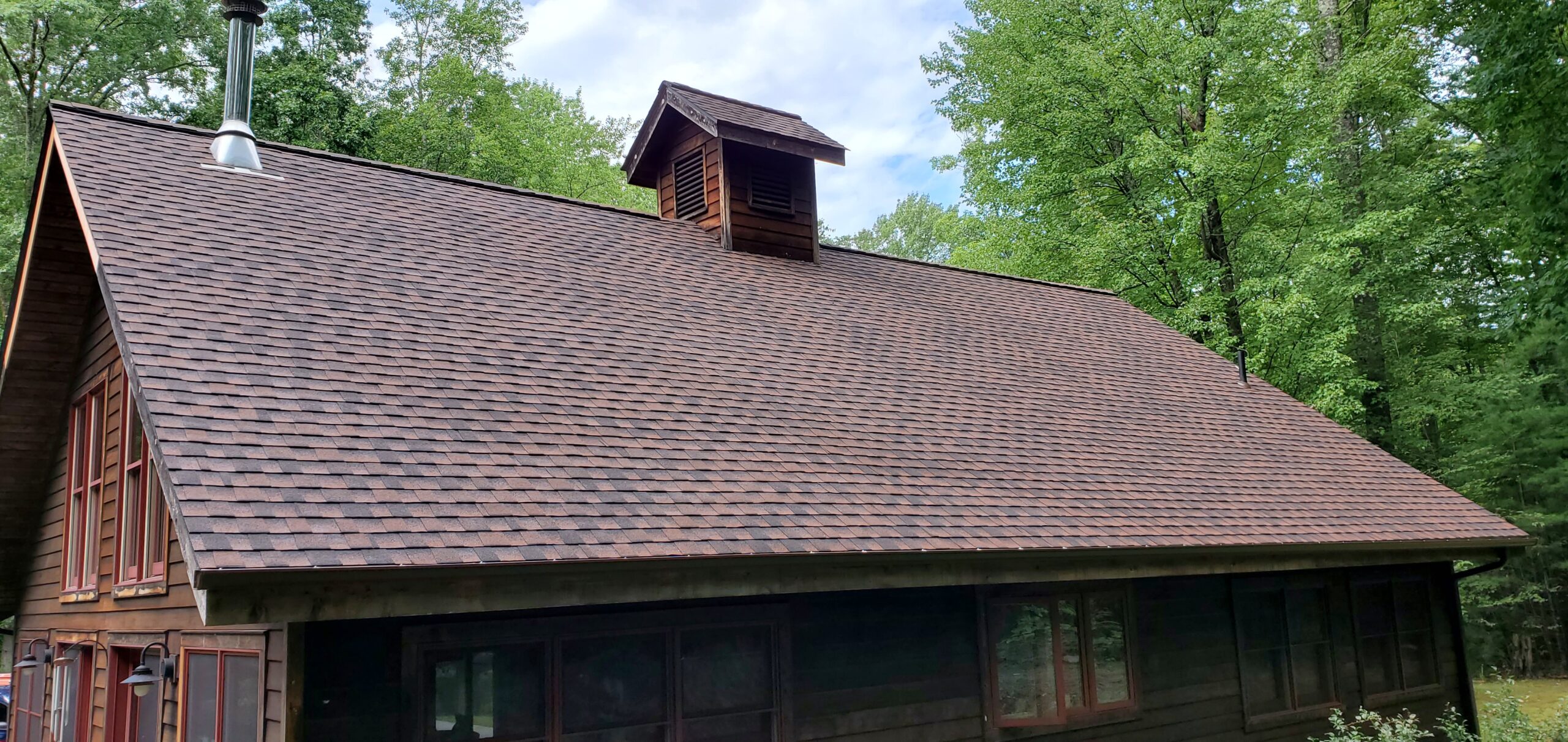
Beyond the financial and structural advantages, knowing a roof is built to withstand what’s coming makes a major difference. Whether it’s summer hail, fall windstorms, or heavy winter snow, impact resistant shingles offer year-round confidence.
How Durable Roofing Reduces Stress
- Reliable in All Weather Conditions: From 90-degree heatwaves to freezing rain, impact resistant roofing maintains its strength without warping, cracking, or deteriorating. That consistency means homeowners can trust their roof no matter the forecast.
- Prepares for Unpredictable Storm Patterns: Weather is less predictable than ever, with severe storms appearing outside of typical seasons. Having hail resistant shingles in place ensures readiness, even during unexpected bursts of wind or ice.
Reduces Worry About Future Repairs: With a high-performing roof overhead, there’s less fear every time storm clouds roll in. Knowing the home is topped with impact resistant roof shingles brings a sense of control and security that standard shingles can’t provide.
How to Tell If a Roof Has Storm Damage
From 1980 to 2024, Connecticut experienced 45 confirmed weather and climate disaster events with losses exceeding $1 billion each—highlighting just how costly and frequent severe storms have become.
In this kind of environment, spotting roof damage early can prevent small problems from turning into expensive repairs. After a major storm, even a roof built with durable materials can show signs of wear.
Here’s what to look for during a post-storm check—especially if the roof hasn’t been upgraded to impact resistant shingles:
1. Missing or Displaced Shingles
High winds can lift or completely tear shingles from the roof, leaving the underlayment exposed. These bare spots often show as dark patches from the ground and increase the risk of water intrusion. If standard shingles are used, this damage is more likely—impact resistant roof shingles are designed to stay firmly in place.
2. Granule Loss on Shingles
After hail or heavy rain, check gutters and downspouts for piles of granules. These tiny ceramic particles protect asphalt shingles from UV rays and weathering. Hail resistant shingles are built to retain granules better, but older or traditional shingles often shed them after a storm.
3. Soft or Spongy Spots When Walking on the Roof
Soft areas underfoot can signal moisture has entered through damaged shingles and started to degrade the roof decking. This issue often develops quietly and may go unnoticed unless a professional walks the surface. Roofs without impact resistant roofing are more prone to this kind of hidden water damage.
4. Dents on Vents, Flashing, or Metal Trim
Hail often leaves small circular dents on metal components like vent covers or flashing. These dents act as clear evidence of hail impact, even if shingle damage isn’t immediately obvious. Spotting these dents is a strong sign that a full inspection—and possibly impact resistant shingles—may be necessary.
5. Water Stains or Drips in the Attic
Moisture from roof leaks often travels through insulation and appears in the attic before reaching interior ceilings. Look for discoloration, mildew smells, or water trails on wood beams. Roofs lacking impact resistant roof shingles are more likely to let water in after repeated exposure to storm elements.
6. Curling or Cracked Shingle Edges
Strong winds and fluctuating temperatures can cause shingle edges to curl upward or crack. These weak points are especially common in aging roofs or those made with lower-grade materials. Installing impact resistant shingles helps prevent this by using reinforced materials that flex rather than fracture.
How to Find a Qualified Contractor for Impact Resistant Roofing
The roofing shingles industry is expected to grow from $134.26 billion in 2025 to $168.73 billion by 2034, driven by increasing demand for high-performance roofing solutions. Among these, upgrading to impact resistant roofing is a smart move—but only if it’s installed correctly.
A poor installation can cancel out the benefits of even the best materials. Choosing the right contractor in Poughkeepsie, NY, takes a little research but makes all the difference in performance, durability, and warranty coverage.
1. Ask About Experience With Impact Rated Shingles
Not every roofing company works with impact resistant shingles regularly. It’s important to choose a contractor familiar with Class 4-rated materials, since the techniques for handling and fastening them can differ from standard asphalt shingles. Experience with hail resistant shingles ensures better installation and long-term results.
2. Verify State Licensing and Insurance
A reputable contractor should hold a valid state license and carry liability and workers’ compensation insurance. This protects both the homeowner and the crew in case something goes wrong during the project. Always ask for proof before signing any agreement for impact resistant roofing work.
3. Request Local References and Project Photos
The best way to judge a contractor’s work is to see it in action. Ask for addresses of recent jobs and look at before-and-after photos of impact resistant roof shingles installations. Talking to past customers can give real insight into workmanship, communication, and professionalism.
4. Look for Manufacturer Certifications
Top brands often certify roofing contractors who meet strict installation and training standards. Hiring a certified installer may also extend warranty coverage on impact resistant shingles. These certifications show the contractor is serious about quality and up to date on product specs.
5. Compare Detailed Written Estimates
A trustworthy contractor provides a written estimate that breaks down materials, labor, cleanup, and timeline. Make sure the quote clearly specifies impact resistant shingles and includes the type, brand, and warranty. Avoid vague pricing or pressure tactics that push for fast decisions.
6. Confirm Warranty Coverage and Post-Installation Support
Every impact resistant roofing system should come with both a manufacturer’s warranty and an installation guarantee. Ask what each covers—especially in terms of wind, hail, and workmanship. A reliable contractor will also provide guidance on maintenance and respond to post-job concerns quickly.

How to Maintain an Impact Resistant Roof Year-Round
Even the strongest roofs benefit from regular upkeep. While impact resistant shingles are built to handle harsh conditions, routine maintenance ensures they last longer and perform at their best. A little attention each season helps prevent problems before they start and protects the investment in impact resistant roofing.
1. Clean Debris Off the Roof After Each Season
Leaves, twigs, and pine needles can trap moisture and lead to mold or algae growth. Clear debris with a leaf blower or soft-bristled broom to avoid damaging the shingle surface. Even though impact resistant roof shingles are tough, keeping them clean helps preserve their integrity and appearance.
2. Inspect Flashing and Sealants for Cracks or Gaps
The metal flashing around chimneys, vents, and skylights should be tight and properly sealed. Cracks in caulking or loose flashing can allow water to seep beneath even hail resistant shingles. A quick check every few months can prevent leaks before they reach the attic.
3. Clear Gutters and Downspouts Regularly
Clogged gutters back up rainwater, forcing it under shingles and causing roof edge damage. Make sure downspouts flow freely to direct water away from the house. Clean gutters at least twice a year—even when using impact resistant roofing, water management is key.
4. Trim Tree Branches That Hang Over the Roof
Overhanging limbs can scratch or dent shingles during strong winds. In ice storms, falling branches pose a serious threat—even to impact resistant shingles. Keeping trees trimmed helps reduce impact risk and limits the debris that lands on the roof.
5. Check for Shingle Movement After Major Storms
After heavy winds or hail, inspect for shifted, lifted, or bruised shingles. While impact resistant roof shingles are less likely to move, extreme storms can still cause damage that’s hard to spot from the ground. Use binoculars or hire a pro to take a closer look.
6. Schedule a Professional Roof Inspection Once a Year
An annual check by a licensed roofer ensures that even hidden issues are caught early. Professionals know what to look for beneath the surface, especially in impact resistant roofing systems with layered designs. Regular inspections help maintain warranty coverage and extend the roof’s life.

Upgrade With Confidence — Trust Lyndsey Roofing, LLC
Storms don’t wait, and neither should you. At Lyndsey Roofing, LLC, we specialize in installing impact resistant shingles that stand up to New York’s unpredictable weather. Serving Poughkeepsie, NY, and surrounding areas, our team combines expert craftsmanship with proven materials to protect homes from hail, wind, and heavy rain.
Don’t settle for temporary fixes—let’s build something stronger, safer, and built to last.