What’s In This Guide
- What Makes a Roofing Company Reliable After a Storm?
- Why Storm-Damaged Homeowners Become Prime Targets
- Warning Signs of a Storm Chaser Posing as a Local Roofer
- How to Verify a Roofing Company’s Credentials
- What to Ask Before Signing Any Roofing Contract
- What Affects the Cost of Storm Damage Roof Repair
- When to Call a Professional Roofing Company
- Frequently Asked Questions
- Choose a Local Roofer You Can Trust
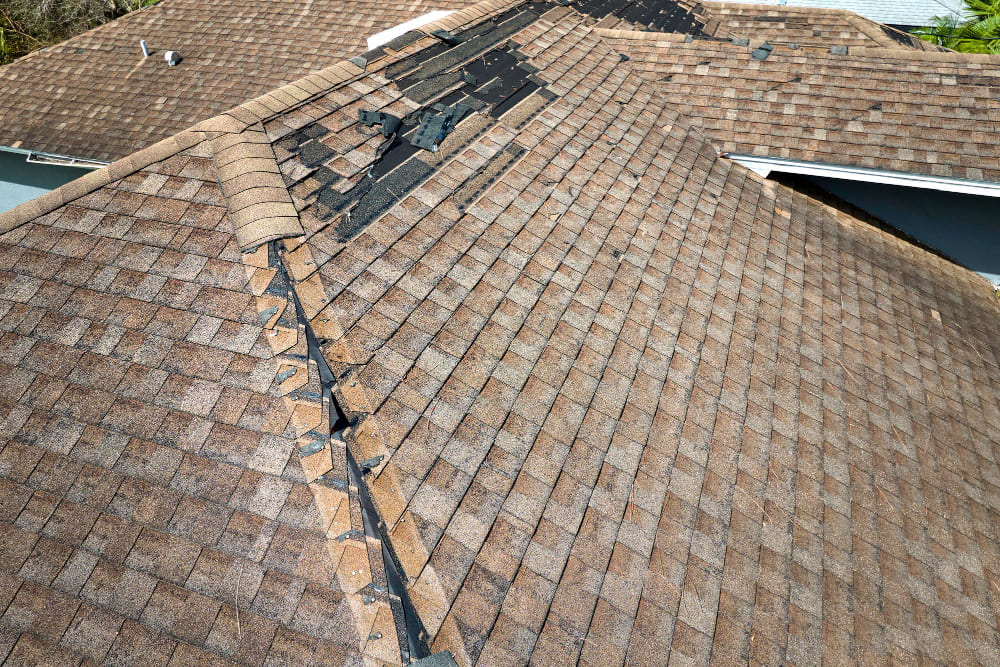
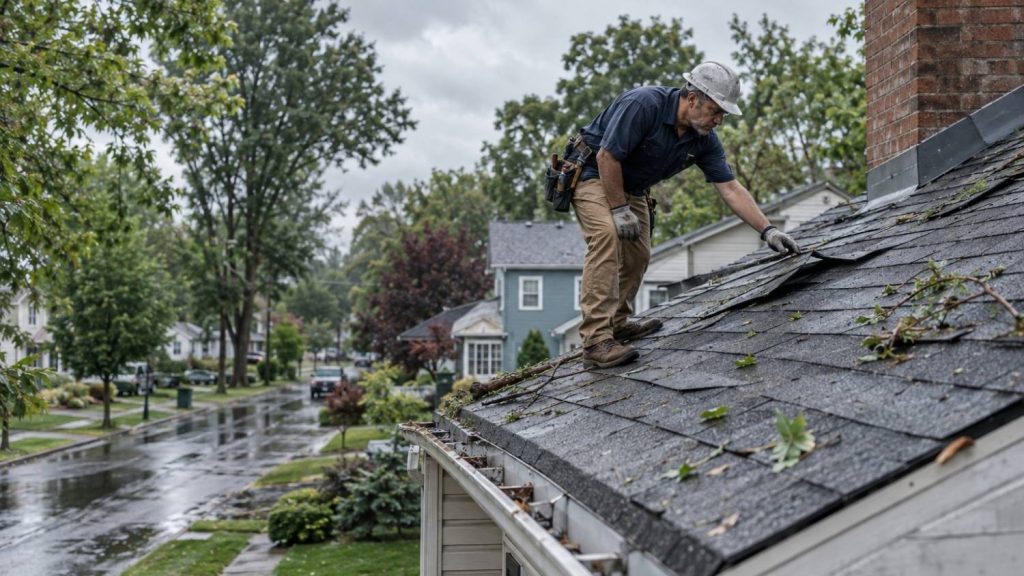
A fallen limb, missing shingles, or a new water stain on the ceiling can quickly send a homeowner searching for roofing companies in the area. Predatory contractors often take advantage of that urgency. Knowing how to distinguish a reliable local roofer from a storm chaser before signing a contract can help homeowners avoid costly repairs, disputes, and delays.
Quick Facts
- Storm chasers may enter affected neighborhoods quickly and pressure homeowners to sign contracts before reviewing their options.
- An established local presence and a verifiable address can help homeowners distinguish local roofers from transient crews.
- Manufacturer certifications can confirm that a contractor has met specific eligibility or training requirements.
- Written estimates and photo documentation can support homeowners during insurance claims.
- A prompt professional inspection can help identify hidden storm damage before it worsens.
What Makes a Roofing Company Reliable After a Storm?
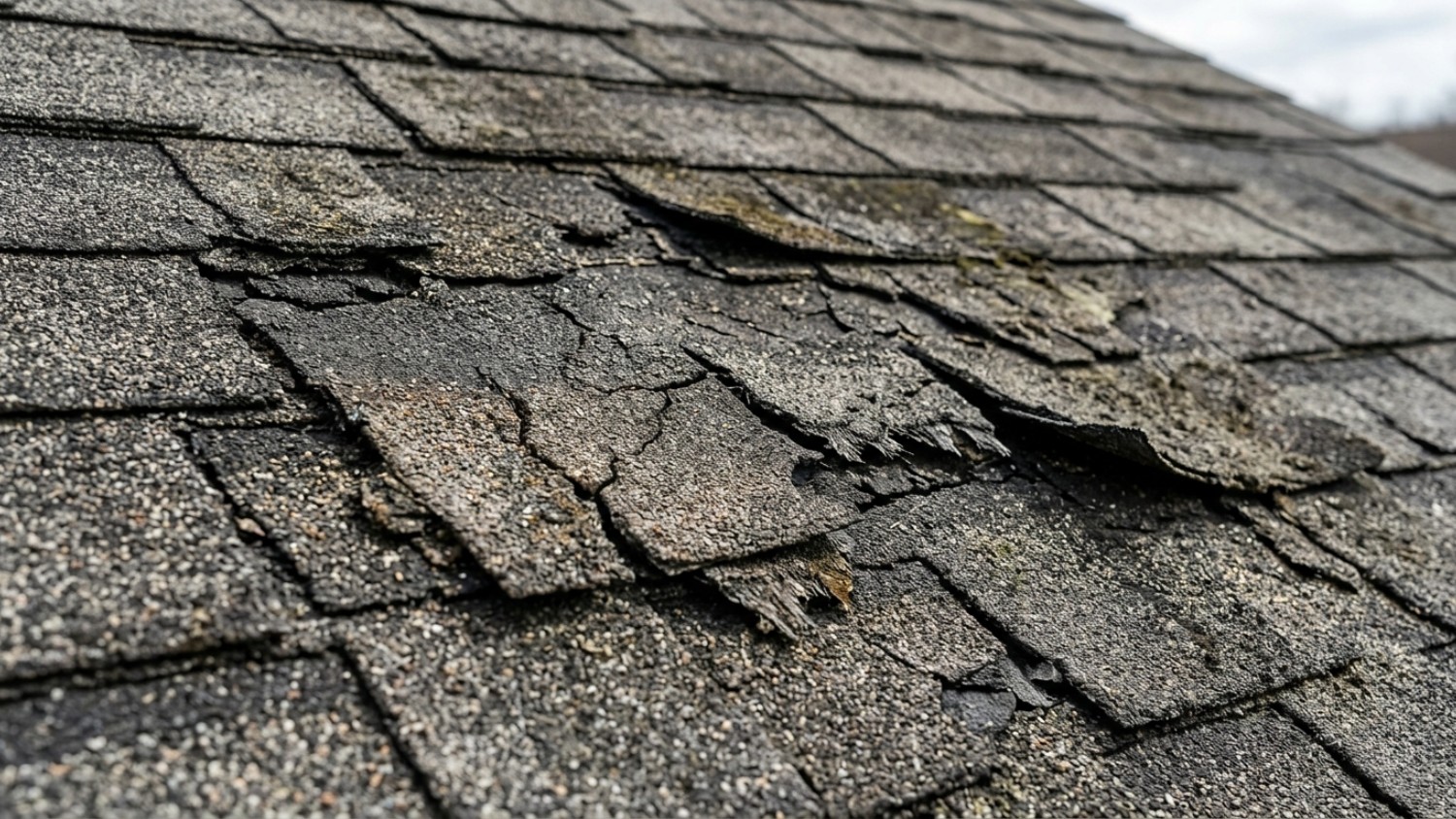
A reliable roofing company has established roots in the community and a reputation built over years, not just in the days following a major weather event. A contractor with a permanent office and a documented history of serving the Hudson Valley is more likely to remain available for future warranty support and maintenance than a transient crew.
Choosing an experienced storm damage roofer with deep community roots is one of the strongest ways homeowners can protect themselves from transient contractors.
Why Storm-Damaged Homeowners Become Prime Targets
Homeowners become targets right after a storm because urgency, insurance timelines, and roof access all peak at once. Contractors with no local accountability exploit that window before a homeowner has time to compare options.
Differences between the insurance adjuster’s initial assessment and the contractor’s findings can also affect the final cost. If the contractor discovers covered damage that was not included in the original assessment, the roofer may submit supplemental documentation for the insurer’s review. This can be a normal part of the claims process and does not automatically mean the contractor is inflating the bill.
The Federal Trade Commission recommends getting written estimates from more than one contractor after severe weather, with each estimate spelling out the work, materials, completion date, price, and contractor contact information before any agreement is signed. Comparing detailed estimates can help homeowners identify contractors who rely on pressure tactics or provide incomplete information.
Warning Signs of a Storm Chaser Posing as a Local Roofer
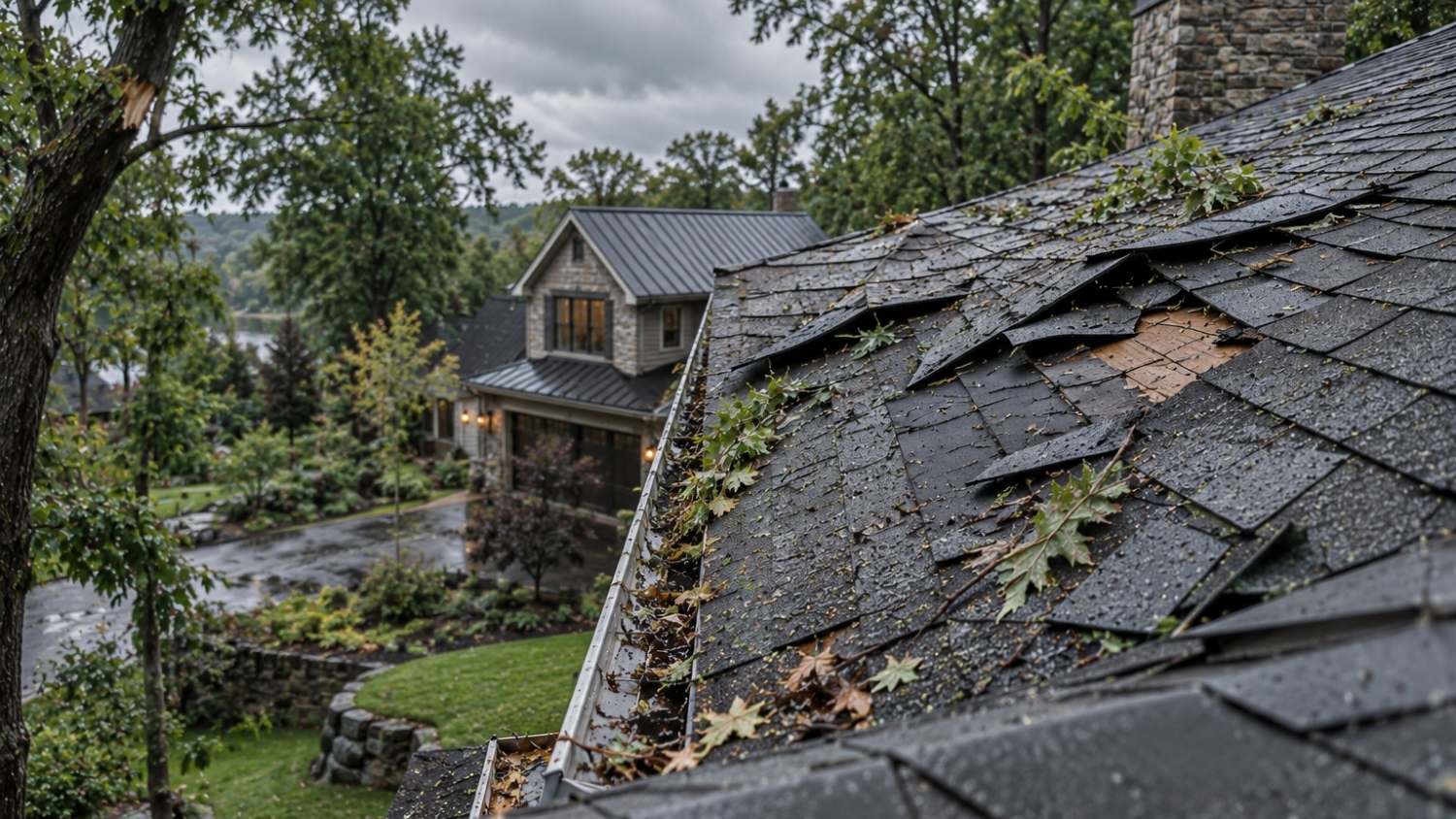
The clearest warning signs are unsolicited door-to-door offers, demands for full payment upfront, and pressure to sign the same day. Any one of these should prompt a homeowner to pause the conversation and investigate further.
Watch for these patterns:
- Unsolicited visits. Be cautious of a contractor who arrives uninvited and claims to have “noticed damage” from the street without receiving an inspection request from the homeowner.
- Manufactured urgency. Language like “today only” pricing or warnings that insurance coverage will expire if the homeowner waits.
- No local footprint. Out-of-state plates, a P.O. box instead of a street address, or no references from homeowners in Poughkeepsie, NY.
- Insurance overreach. Offers to “handle everything” with the insurance company or waive the homeowner’s deductible, which raises legal and claim-integrity concerns.
- Vague paperwork. A verbal agreement instead of a written scope of work, materials list, and timeline.
None of these signs alone proves fraud, but a contractor showing several of them at once is a reason to slow down and verify before signing.
READ MORE: Emergency Roof Repairs: Key Warning Signs You Should Never Ignore
How to Verify a Roofing Company’s Credentials
Verifying a roofer’s credentials means checking manufacturer certifications, applicable local licensing or registration requirements, insurance coverage, and independent reviews before discussing a contract. Each of these details can be confirmed independently rather than relying solely on information provided by the contractor.
A practical verification checklist:
-
- Confirm manufacturer certification. Designations such as GAF Master Elite® indicate that a contractor has met specific manufacturer requirements, which may include insurance, licensing where applicable, training, and other eligibility standards. Because certification requirements vary by manufacturer, homeowners should verify the contractor’s current status directly through the manufacturer’s website.
- Check licensing independently. Look up license numbers through the state or local licensing office rather than trusting a number printed on a truck or business card.
- Ask for proof of insurance. A reputable roofer should carry appropriate liability insurance and any workers’ compensation coverage required for its workforce and should provide documentation on request.
- Read reviews with context. A sudden burst of reviews within a few weeks or reviews from customers in unrelated locations may warrant further investigation into whether the company has an established local presence.
- Check for industry association membership. Membership in an organization such as the National Roofing Contractors Association may indicate that a contractor has access to industry education, resources, and professional standards, but homeowners should still verify all credentials independently.
What to Ask Before Signing Any Roofing Contract
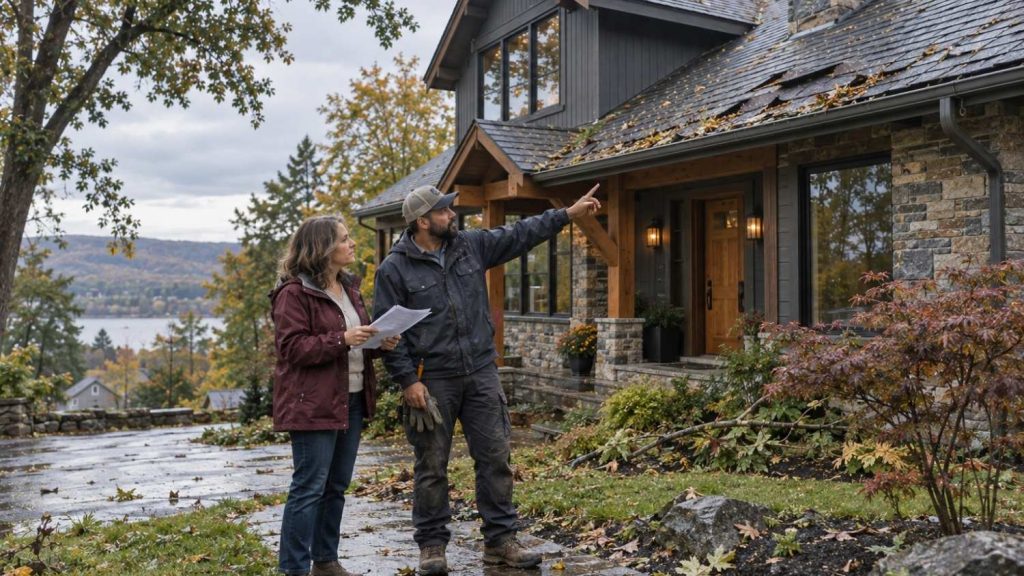
Before signing a contract, ensure all project expectations, responsibilities, and financial terms are clearly defined in writing. A detailed contract documents the contractor’s obligations, payment terms, project scope, and warranty coverage.
To further protect your investment and ensure full transparency, ask these questions before signing:
- What specific materials and brands are included in this estimate?
- Who is responsible for pulling any required building permits?
- What does the payment schedule look like, and is any deposit tied to project milestones?
- How will temporary protection, such as tarping, be handled if repairs can't start immediately?
- What warranty coverage applies to materials and workmanship separately?
An established contractor will appreciate your diligence and will provide these answers clearly. If you encounter hesitation or pressure to skip these steps, it is a sign that you should pause and look for a partner who prioritizes transparency.
What Affects the Cost of Storm Damage Roof Repair
Storm damage repair costs vary based on the scope of work, roof size, material type, accessibility, and how much of the roofing system was affected. There is no single number that applies to every home, which is why a written, itemized estimate matters more than a quoted figure over the phone.
Several factors typically shape an estimate:
- Scope of damage. A few displaced shingles cost far less to address than compromised decking or widespread flashing failure.
- Material selection. Asphalt shingles, metal roofing, and other systems carry different material and labor costs.
- Roof accessibility. Steep pitches, multiple stories, or limited driveway access can affect labor time and equipment needs.
- Urgency and timing. Emergency tarping or after-hours response involves different planning than a scheduled repair.
- Site conditions. Existing insulation, ventilation, or structural issues discovered during inspection can change the scope.
An on-site inspection is generally necessary to provide an accurate estimate. Homeowners in the Hudson Valley can request a personalized, no-obligation estimate from a local roofing contractor to understand what their specific situation involves.
When to Call a Professional Roofing Company
A professional inspection is warranted any time a storm produces visible shingle damage, interior leaks, sagging rooflines, or debris impact, even if the damage looks minor from the ground. Delaying an inspection may allow water intrusion or structural damage to worsen and increase the eventual repair cost.
Some situations call for immediate professional attention; for instance, if you spot active interior leaks or significant structural displacement, you may need emergency roof repair to prevent further water damage to your home’s interior.
- Active leaks or ceiling stains appearing during or after a storm
- Missing, cracked, or curling shingles visible from ground level
- Bent, cracked, or missing flashing around chimneys, vents, or skylights
- Any sagging in the roofline, which may point to a deeper structural concern
- Granule buildup in gutters after a hail event, signaling shingle wear
Identifying these signs of storm damage early can help prevent further deterioration. While some issues, such as missing shingles, are obvious, others, including granule loss or hairline cracks in flashing, may require a professional storm inspection. Ignoring these indicators can allow moisture to compromise the roof's integrity over time.
Frequently Asked Questions
How can I tell if I need a minor roof repair or a full replacement?
The extent of storm damage is the primary factor. Isolated issues, such as missing shingles or minor flashing damage, often require only targeted repairs. If damage is widespread, involves the underlying decking, or compromises structural integrity, a full replacement may be necessary. A professional roofer will assess the roof's age, condition, and applicable code requirements to determine whether a repair is a long-term solution or replacement is the more prudent option.
What should I do before contacting my insurance company about storm damage?
Do not climb onto the roof. Photograph visible damage from the ground, move valuables away from active leaks, and place a container beneath dripping water. If water is entering near electrical fixtures, shut off power to the affected area if it is safe to do so, then contact a roofer and a qualified electrician.
Is it normal for a roofer to ask for a deposit before starting repairs?
A deposit before work begins may be required, but a request for full payment upfront is a warning sign. Payment terms vary by contractor and project, but they should be clearly documented in the contract and tied to defined stages of the work. Any contractor pushing for full payment before work begins should be treated with caution.
How soon after a storm should a roof be inspected?
A professional storm inspection should be scheduled as soon as it is safe and practical to do so. Some damage, such as lifted flashing or granule loss, may not be visible from the ground and can worsen with additional rain or wind if left unaddressed. A prompt inspection can also help homeowners document the roof’s condition for an insurance claim.
Does unrepaired hail damage affect a home's resale value?
Functional hail damage is a material defect that licensed home inspectors are trained to identify. Buyers routinely use inspection findings to renegotiate sale price or require repair credits, and some mortgage lenders will not approve financing on a roof in a compromised condition.
Choose a Local Roofer You Can Trust
Lyndsey Roofing, LLC serves homeowners in Poughkeepsie, NY, with a community-first approach built on local experience, dependable service, and long-term customer relationships. That commitment is reflected in every inspection, estimate, and repair we provide.
Storm damage doesn't wait, and neither should the decision to work with a roofer who will still be here for the next inspection, the next warranty question, or the next storm.