What’s in This Guide
- Can You Finance a Roof Replacement Near You?
- Why Delaying a Roof Replacement Near You Costs More Over Time
- Roof Financing Options for Hudson Valley Homeowners
- How to Build a New Roof Budget: Step-by-Step
- Questions to Ask Before Signing a Roof Financing Agreement
- Frequently Asked Questions
- Start Planning Your Roof Replacement With Flexible Financing
A failing roof rarely waits for a convenient time. Many Hudson Valley homeowners know their shingles are past their prime, yet they put off a roof replacement because the upfront cost feels out of reach. That delay is understandable, but it is also risky.
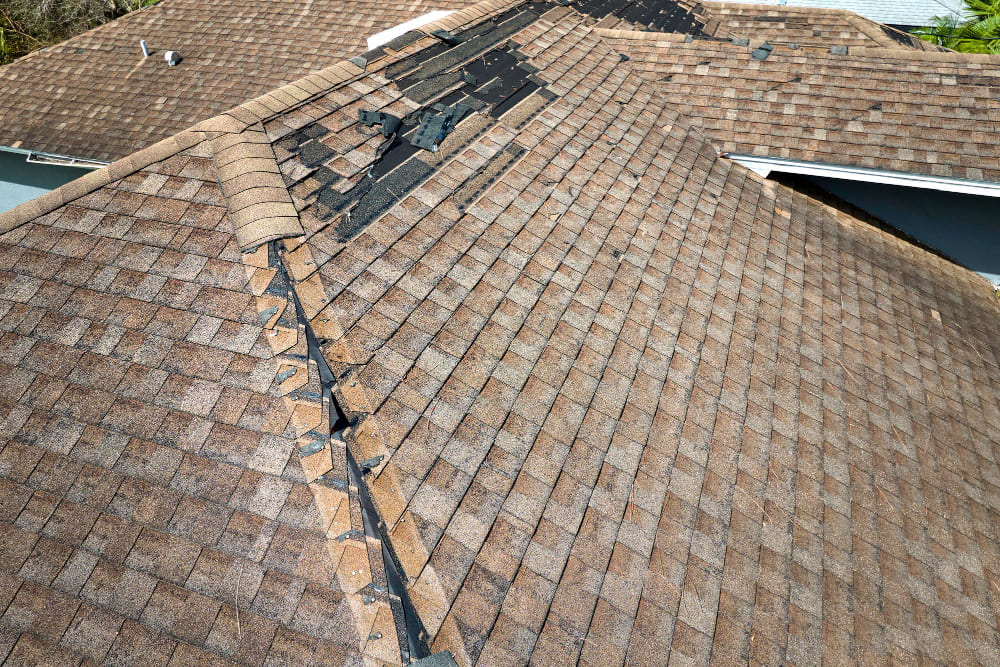
Water intrusion, rotted decking, and insulation damage get more expensive every season a worn roof stays in place. The good news is that roof financing is widely available, and a realistic new roof budget is easier to build than most homeowners expect.
Quick Facts
- Roof financing options include contractor payment plans, home equity loans, HELOCs, FHA Title I loans, and personal loans.
- Delaying replacement raises total cost as leaks damage decking, insulation, and framing.
- A written estimate anchors your budget, so inspect before comparing loans.
- Home equity loans use your house as collateral; personal loans do not.
- Active leaks and sagging decking mean replacement should not wait.
Can You Finance a Roof Replacement Near You?
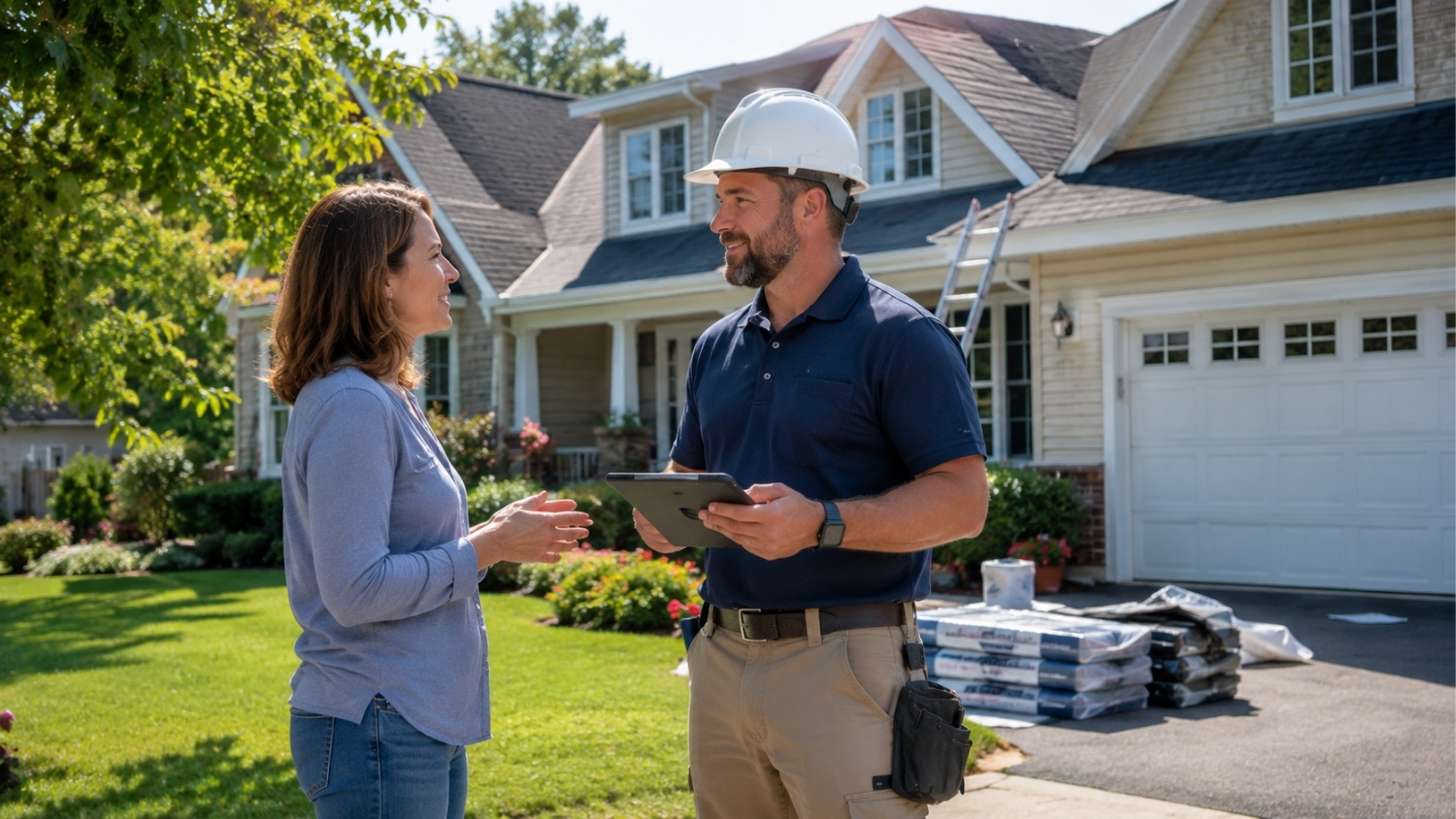
Yes. Most homeowners can finance a roof replacement through a contractor’s payment plan, a home equity loan or line of credit, a government-insured home improvement loan, or an unsecured personal loan. Approval and terms depend on your credit profile, income, home equity, and the size of the project.
Financing has become a standard part of the roofing industry for a simple reason: a roof is an urgent, high-cost repair that few households have sitting in savings.
Lenders treat roof replacement as a value-protecting improvement, and many roofing contractors, including Lyndsey Roofing, offer financing options for roofing projects in the Hudson Valley so homeowners can schedule the work when the roof needs it rather than when the bank account allows it.
Why Delaying a Roof Replacement Near You Costs More Over Time
Postponing a needed roof replacement almost always increases the total cost of the project. A worn roof fails gradually, and each season of delay gives water more chances to reach the materials underneath the shingles.
Water Damage Spreads Beyond the Roof Itself
Leaks rarely stay contained to one spot. Over time, moisture can work its way into decking, framing, insulation, and interior finishes, turning a roofing project into a larger repair bill.
Energy Costs Rise as the Roof System Weakens
An aging roof can compromise attic insulation and ventilation. That added strain often shows up in higher heating and cooling costs through Hudson Valley winters and summers.
Hidden Moisture Creates New Problems to Fix
Trapped moisture in the attic can contribute to issues that may require professional evaluation before roofing work even begins. The longer conditions go unchecked, the more the project scope can grow.
Waiting to Save Up Often Backfires
A homeowner who delays paying cash for a few years frequently ends up covering the same roof plus the damage that accumulated in the meantime. Financing the replacement now can cost less in total than paying for a bigger project later.
Roof Financing Options for Hudson Valley Homeowners
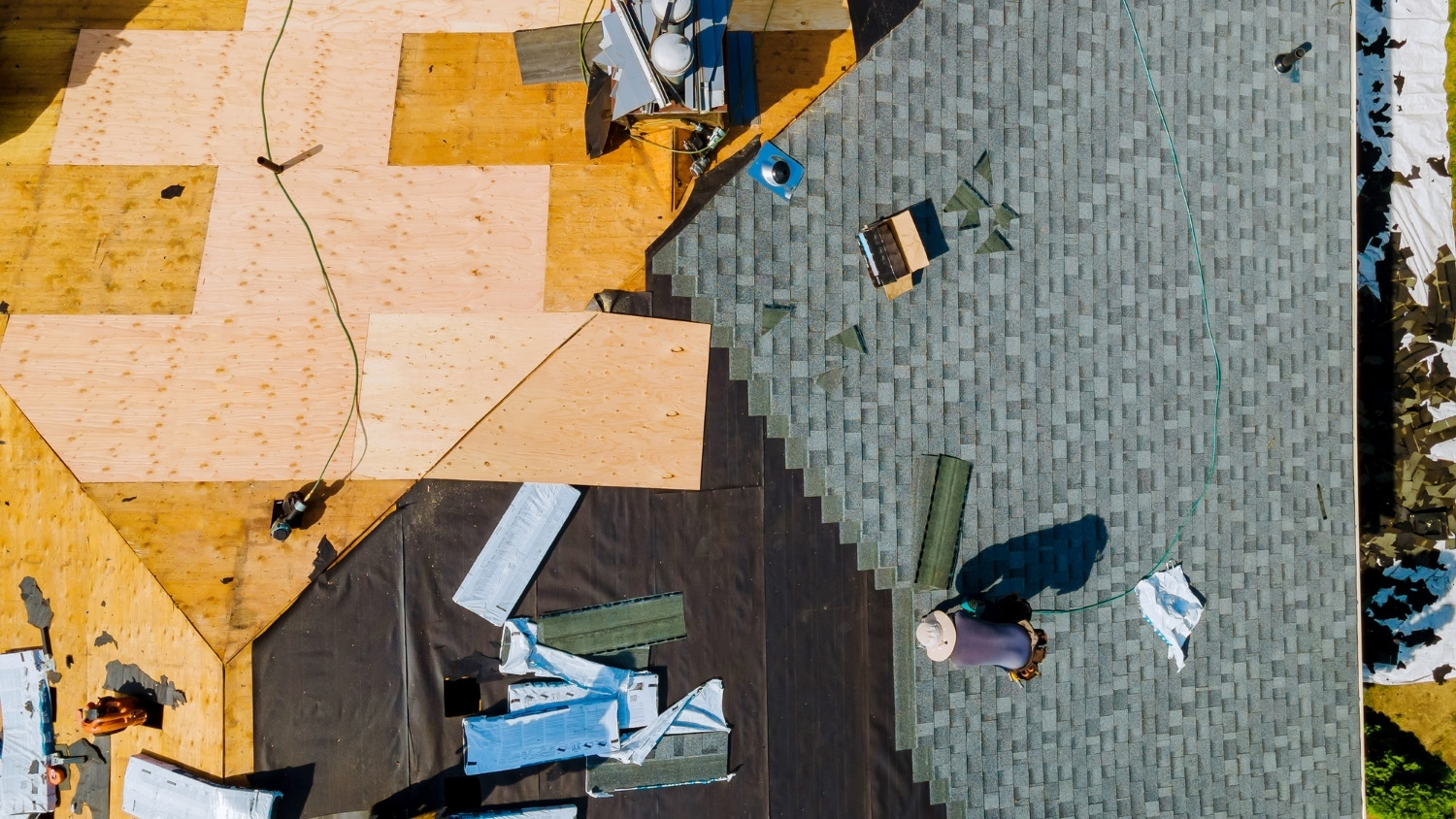
Homeowners in Dutchess, Orange, Putnam, and Eastern Ulster Counties generally have five practical paths to fund a new roof. Each option balances speed, cost, and risk differently.
Contractor Roofing Payment Plans
Many established roofing companies partner with lenders to offer roofing payment plans arranged directly through the contractor. These plans are typically fast to set up, often approved within days, and let you break the project into fixed monthly payments. Terms vary by lender and credit profile, so review the interest rate, term length, and any fees before signing.
Home Equity Loans
A home equity loan provides a lump sum at a fixed rate, secured by your home. Fixed payments make budgeting predictable, which suits a one-time project like a roof. The tradeoff is real: your house is collateral. The Federal Trade Commission’s overview of home equity borrowing notes that lenders can take the home if the balance is not repaid.
Home Equity Lines of Credit (HELOCs)
A HELOC works like a revolving credit line secured by your home equity, and you pay interest only on what you draw. That flexibility helps when a roof project may expand, for example, if decking replacement is discovered mid-job. HELOCs usually carry variable rates, so payments can rise, a risk outlined in the CFPB explanation of how home equity lines work.
FHA Title I Home Improvement Loans
The federal government insures certain private home improvement loans through the FHA Title I program administered by HUD for property improvements. These fixed-rate loans can fund repairs that protect the livability of a single-family home, and roofing qualifies. Loans are issued by HUD-approved private lenders, and rates are set between the lender and borrower.
Personal Loans and Savings
Unsecured personal loans close quickly and do not put your home at risk, though rates are usually higher than equity-based options.
Paying from savings avoids interest entirely. A hybrid approach also works well: pay part in cash to reduce the financed amount, then finance the remainder.
How to Build a New Roof Budget: Step-by-Step
A realistic roof budget starts with facts, not guesses. Work through these steps in order.
Schedule a Professional Roof Inspection
Accurate budgeting starts with knowing the roof’s actual condition. A roofing contractor can document what is happening with the decking, flashing, and ventilation before any numbers are discussed.
Request a Detailed Written Estimate
A clear estimate should break the project into its parts, including materials, labor, tear-off, and disposal. Itemized pricing makes it easier to compare options and spot gaps later.
Compare at Least Two Financing Options
Reviewing more than one option gives you a real sense of what the project will cost over time. Weigh the monthly payment, total interest, term length, and whether your home secures the loan.
Set Aside a Contingency Cushion
Hidden decking or ventilation issues are common in older Hudson Valley homes and often surface only after tear-off begins. Building extra room into the budget keeps surprises from derailing the project.
Match the Payment to Your Monthly Cash Flow
The right financing structure is the one you can sustain comfortably month after month. A low sticker payment stretched over a long term is not always the better deal.
Confirm Warranty Registration Before Work Starts
Manufacturer warranty protection is part of the value you are financing. Verify what coverage applies to your roofing system and how registration is handled before the crew arrives.
READ MORE: Roof Replacement Options: How to Choose the Right Path for Your Poughkeepsie Home
Questions to Ask Before Signing a Roof Financing Agreement
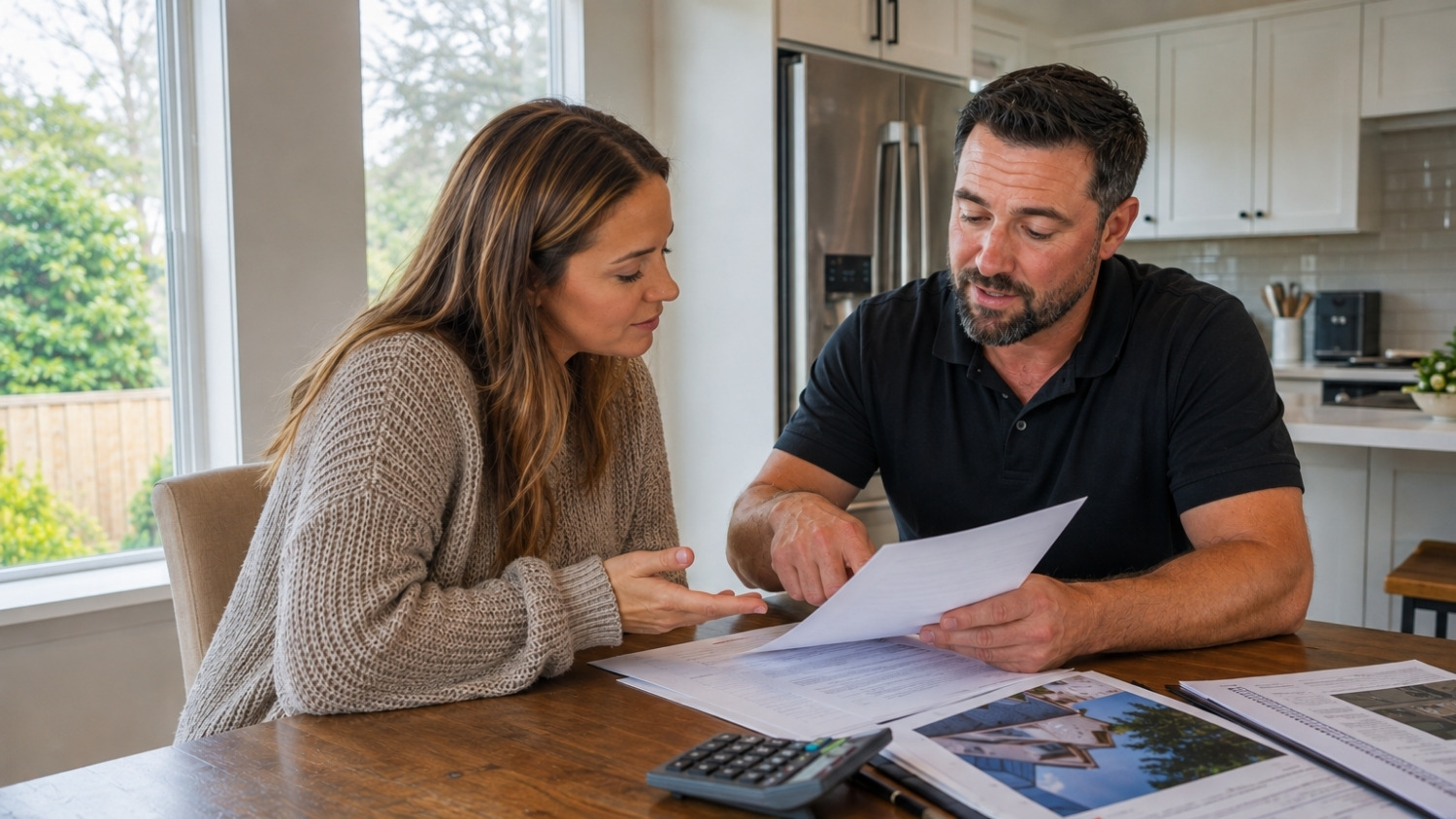
A financing offer can look good on the surface and still hide costly terms. Ask these questions before committing to any roofing payment plan or loan.
Is the Rate an Interest Rate or the Full APR?
The advertised rate does not always reflect the full cost of borrowing. The APR includes fees and gives a more complete picture, so confirm which number you are actually being quoted.
Are There Prepayment Penalties?
Some loans charge a fee for paying off the balance early. Verifying this upfront preserves your flexibility if you decide to clear the debt ahead of schedule.
Does the Plan Include Deferred Interest?
Promotional offers with no interest for a set period can carry retroactive charges if the balance is not paid in full by the deadline. Read the fine print so a promotional plan does not turn into an expensive one.
Who Is the Actual Lender?
Contractor financing is typically issued through a third-party lending partner, not the roofing company itself. Knowing who holds the loan tells you who to contact about payments, terms, and account questions.
What Happens If the Project Scope Grows?
Hidden decking or ventilation issues can expand a roof replacement after tear-off begins. Ask how additional costs are handled under the financing agreement before the work starts, not after.
Frequently Asked Questions
Can I finance a roof repair instead of a full replacement?
Yes, many lenders and contractors extend financing to smaller repair projects, not just full replacements. Approval often depends on the project cost meeting a lender's minimum loan amount. If the repair is minor, a payment plan through the contractor may be the simplest route. Ask your roofing contractor which options apply to the scope of work in your estimate.
What credit score do I need to finance a new roof?
There is no universal minimum score, because each lender sets its own requirements. Stronger credit generally qualifies for lower interest rates and better terms. Some financing programs are designed to accommodate a wider range of credit profiles.
Do I need a down payment to finance a roof?
It depends on the lender and the financing program. Some contractor payment plans require little or nothing upfront, while other loan types may involve fees or initial payments. Putting money down can reduce the financed amount and lower monthly payments. Confirm the terms in writing before the project begins.
Can I pay off roof financing early?
Many roof financing options allow early payoff, which can reduce the total interest you pay. Some loans include prepayment penalties, so this should be verified before signing. Review the loan agreement carefully or ask the lender directly.
How long does a typical roof replacement near me take?
Many residential roof replacements are completed within a few days, though timelines vary. Roof size, pitch, material choice, weather, and hidden decking damage can all extend the schedule. Complex roofs with chimneys, skylights, or multiple levels take longer. Your contractor should provide an estimated timeline with the written estimate.
Start Planning Your Roof Replacement With Flexible Financing
Lyndsey Roofing, LLC helps Hudson Valley homeowners review their roof replacement needs with detailed estimates, professional guidance, and financing options designed to make home improvement projects more manageable.
Contractor financing can give homeowners more control over when to begin needed repairs or replacements instead of delaying the work until a full upfront payment is available.
Contact us to request a free roofing estimate and explore financing options for your Hudson Valley home.